Who Needs Nuclear Power challenges conventional thinking about the role of civil nuclear power in a rapidly changing energy context, where new energy carriers are penetrating markets around the world.
This multilingual dictionary explains, in simple and clear language, the most frequently used terms and expressions in the field of nuclear reactor physics and engineering, and provides translations of these terms from English into French, German, Swedish and Polish.
This multilingual dictionary explains, in simple and clear language, the most frequently used terms and expressions in the field of nuclear reactor physics and engineering, and provides translations of these terms from English into French, German, Swedish and Polish.
Thermal Engineering of Nuclear Power Stations: Balance-of-Plant Systems serves as a ready reference to better analyze common engineering challenges in the areas of turbine cycle analysis, thermodynamics, and heat transfer.
Thermal Engineering of Nuclear Power Stations: Balance-of-Plant Systems serves as a ready reference to better analyze common engineering challenges in the areas of turbine cycle analysis, thermodynamics, and heat transfer.
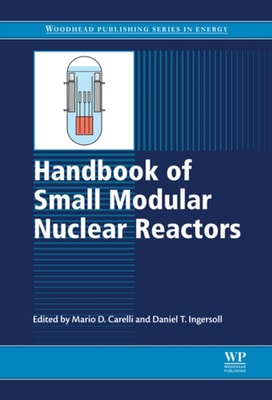
Small modular reactors (SMRs) are an advanced, safe type of nuclear reactor technology that are suitable for small and medium sized applications including both power and heat generation.
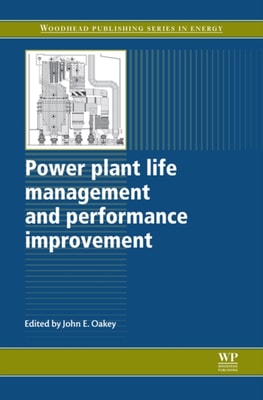
Current fleets of conventional and nuclear power plants face increasing hostile environmental conditions due to increasingly high temperature operation for improved capacity and efficiency, and the need for long term service.
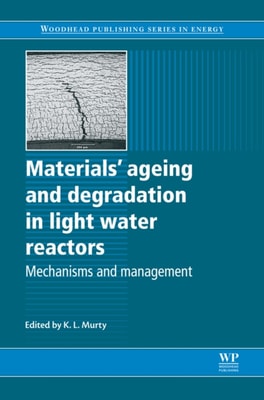
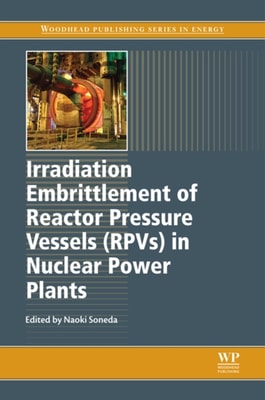
Light water reactors (LWRs) are the predominant class of nuclear power reactors in operation today; however, ageing and degradation can influence both their performance and lifetime.
In addition to the nuclear power industry, the nuclear field has extensive projects and activities in the areas of research reactors, medical isotope production, decommissioning, and remediation of contaminated sites.
Understanding radionuclide behaviour in the natural environment is essential to the sustainable development of the nuclear industry and key to assessing potential environmental risks reliably.
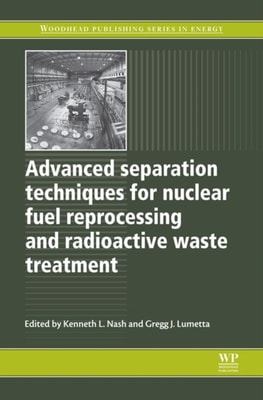
Advanced separations technology is key to closing the nuclear fuel cycle and relieving future generations from the burden of radioactive waste produced by the nuclear power industry.
Coal- and gas-based power plants currently supply the largest proportion of the world's power generation capacity, and are required to operate to increasingly stringent environmental standards.
The potential development of any nuclear power programme should include a rigorous justification process reviewing the substantial regulatory, economic and technical information necessary for implementation, given the long term commitments involved in any new nuclear power project.
A scientist's recollection of his life as a junior member of the Manhattan Project, Rider of the Pale Horse recounts McAllister Hull's involvement in various nuclear-related enterprises during and after World War II.
Eco-nationalism examines the spectacular rise of the anti-nuclear power movement in the former Soviet Union during the early perestroika period, its unexpected successes in the late 1980s, and its substantial decline after 1991.
Well Test Analysis for Multilayered Reservoirs with Formation Crossflow introduces the fundamentals of well test analysis of a multilayered reservoir with formation crossflow.