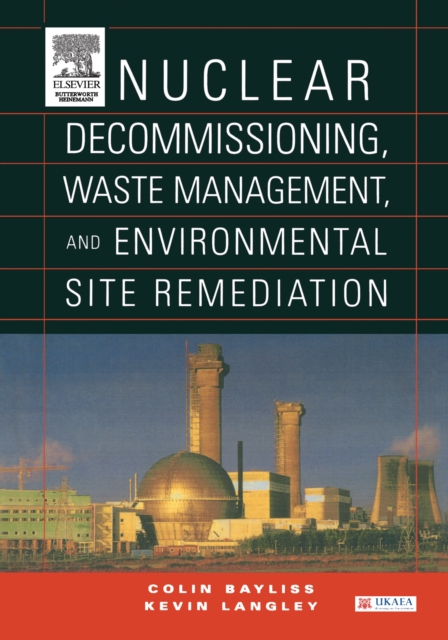
The safe disposal of radioactive wastes by burial in deep geological formations requires long-term predictions of the future behaviour of the wastes and their engineered repository.
Nuclear Science and Technology, Volume 10: Variational Methods in Nuclear Reactor Physics presents the mathematical methods of a variational origin that are useful in obtaining approximate solutions to science and engineering problems.
Nuclear Science and Technology, Volume 3: Numerical Methods of Reactor Analysis presents the numerical analysis frequently used in the nuclear reactor field.
Nuclear Spectroscopy and Reactions, Part D covers information regarding the development of nuclear spectroscopy and its reactions, while emphasizing in-beam spectroscopy.
Muon Physics, Volume II: Weak Interactions deals with the weak interaction of muon and covers topics ranging from the elementary particle aspects of muon decay and muon capture, as well as the conventional two- and one-neutrino-field theories.
Fusion, Volume I: Magnetic Confinement, Part B is the second of the two-part volume that covers the complexity and application of controlled magnetic fusion.
Charged-Particle Reaction List 1948-1971 is a guide to experiments on charged-particle-induced reactions that have been reported in journal literature during the period 1948 to June 1971.
Applied Atomic Collision Physics, Volume 1: Atmospheric Physics and Chemistry focuses on the applications of atomic collision physics in atmospheric physics and chemistry.
Fusion, Volume I: Magnetic Confinement, Part A is the first of the two-part volume that covers the complexity and application of controlled magnetic fusion.
Internal Conversion Processes documents the proceedings of the International Conference on the Internal Conversion Process held at Vanderbilt University, Nashville, Tennessee on May 10-13, 1965.
Dynamical Collision Theory and Its Applications reviews some of the powerful methods that have evolved for calculating the predictions of dynamical collision theory.
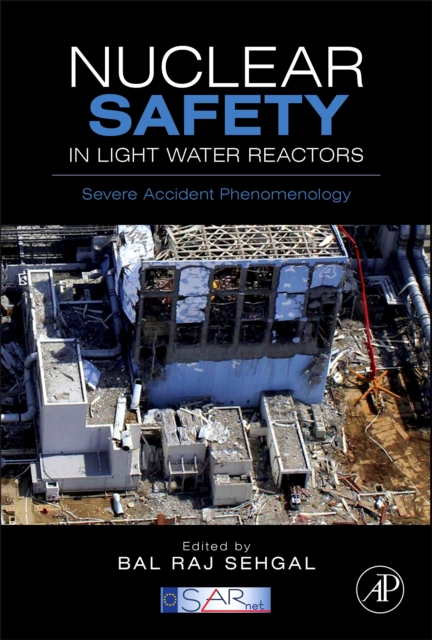
This vital reference is the only one-stop resource on how to assess, prevent, and manage severe nuclear accidents in the light water reactors (LWRs) that pose the most risk to the public.
Fundamentals of Nuclear Reactor Physics offers a one-semester treatment of the essentials of how the fission nuclear reactor works, the various approaches to the design of reactors, and their safe and efficient operation .
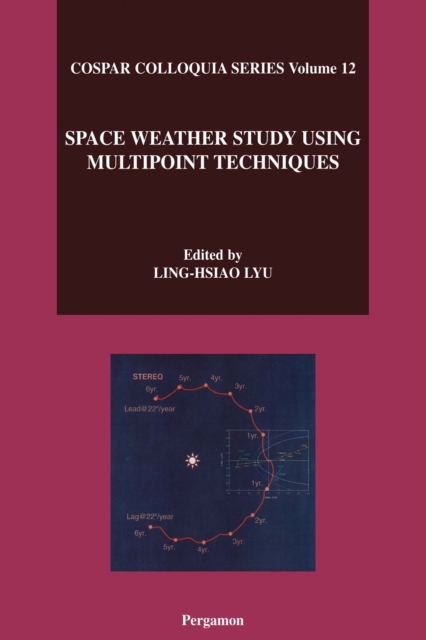
Magnetic storms may cause damage to satellites, radiation hazard to astronauts, disruption of radio communications, and interruption of ground electric power lines.
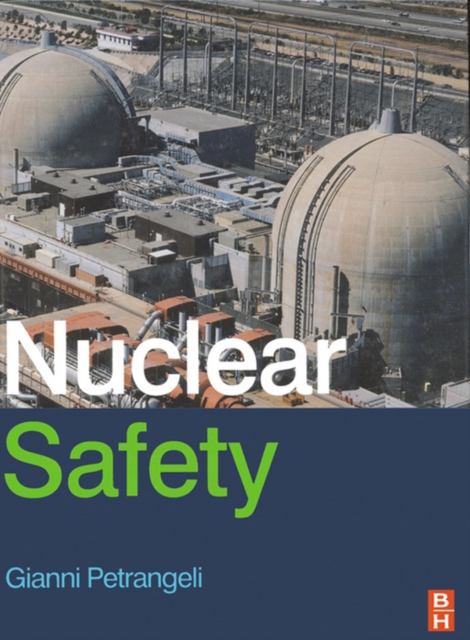
Nuclear Safety provides the methods and data needed to evaluate and manage the safety of nuclear facilities and related processes using risk-based safety analysis, and provides readers with the techniques to assess the consequences of radioactive releases.