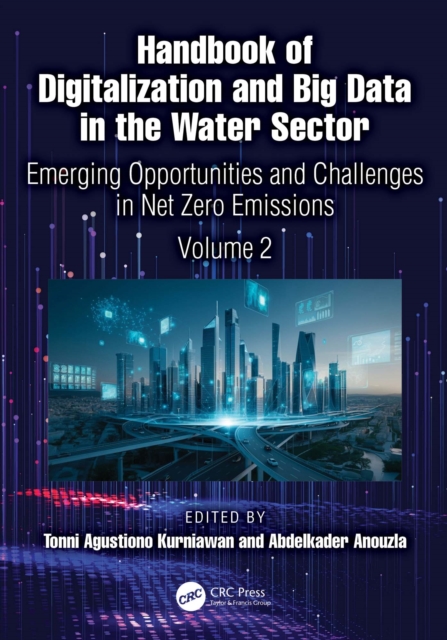
This three-volume set delves into the intersection of cutting-edge technology and environmental science to address pressing challenges in the water sector and develop digitalization solutions that can have practical implementation in decision-making and management of wastewater treatment.
This three-volume set delves into the intersection of cutting-edge technology and environmental science to address pressing challenges in the water sector and develop digitalization solutions that can have practical implementation in decision-making and management of wastewater treatment.
This book introduces classification and treatment technologies of food waste and then illustrates mechanisms of different typical aerobic fermentation processes of food waste from organic carbon component conversion and microbial succession.
This book introduces classification and treatment technologies of food waste and then illustrates mechanisms of different typical aerobic fermentation processes of food waste from organic carbon component conversion and microbial succession.
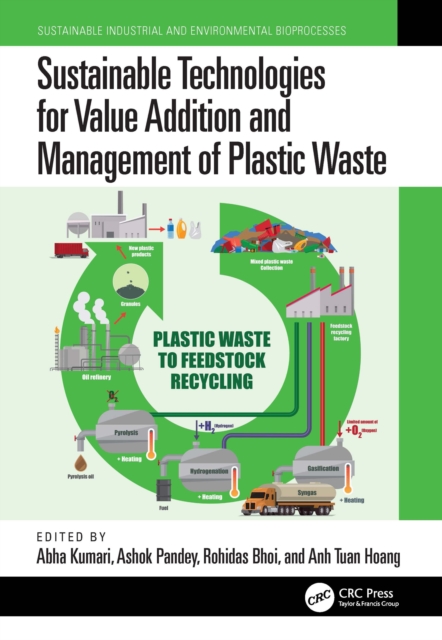
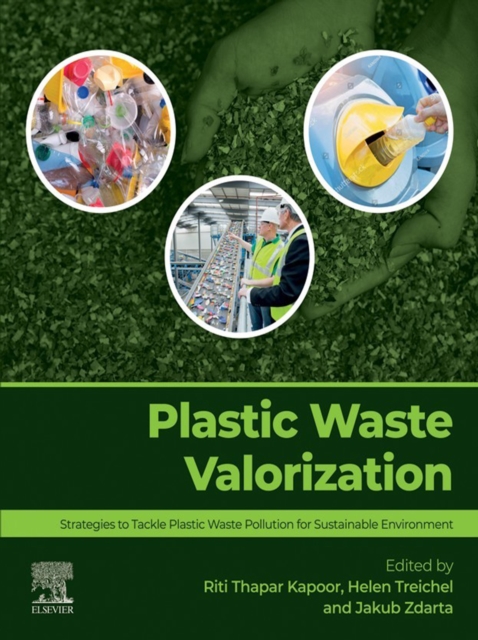
Plastic Waste Valorization: Strategies to Tackle Plastic Waste Pollution for Sustainable Environment presents advanced approaches for mitigating the hazardous effects of plastics on ecosystems and human health, offering a detailed examination of microplastics and their impacts.
This three-volume set delves into the intersection of cutting-edge technology and environmental science to address pressing challenges in the water sector and develop digitalization solutions that can have practical implementation in decision-making and management of wastewater treatment.
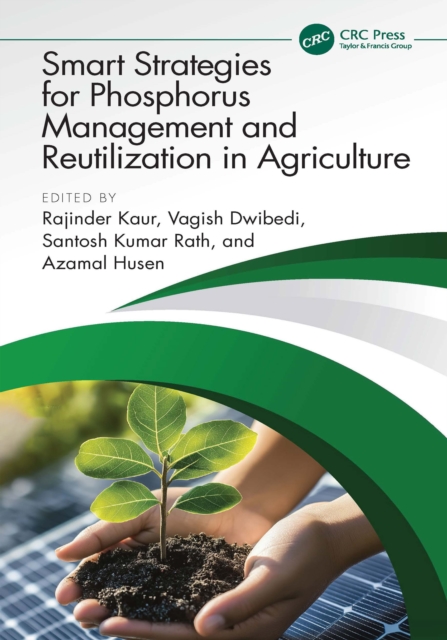
Smart Strategies for Phosphorus Management and Reutilization in Agriculture gives a comprehensive exploration of the state of phosphorus in soil, addressing the urgent challenge of its depletion while unveiling cutting-edge technologies designed to recycle this vital resource for future sustainability.
Industrial Water and Waste Treatment: Resources Conservation provides an authoritative exploration of cutting-edge technologies and innovative approaches for waste remediation, resource recovery, and pollution prevention.
This three-volume set delves into the intersection of cutting-edge technology and environmental science to address pressing challenges in the water sector and develop digitalization solutions that can have practical implementation in decision-making and management of wastewater treatment.
Industrial Water and Waste Treatment: Resources Conservation provides an authoritative exploration of cutting-edge technologies and innovative approaches for waste remediation, resource recovery, and pollution prevention.
Smart Strategies for Phosphorus Management and Reutilization in Agriculture gives a comprehensive exploration of the state of phosphorus in soil, addressing the urgent challenge of its depletion while unveiling cutting-edge technologies designed to recycle this vital resource for future sustainability.
This book gathers the proceedings of the 4th International Conference on Water and Environmental Engineering (iCWEE), held in Sydney, Australia, on November 19–21, 2025.
This book gathers the proceedings of the 4th International Conference on Water and Environmental Engineering (iCWEE), held in Sydney, Australia, on November 19–21, 2025.
This book project is dedicated to focusing on sustainable waste management strategies through the integration of cutting-edge technologies and strategic economic perspectives, with an emphasis on programs for prevention, recycling, composting, and disposal.
This book project is dedicated to focusing on sustainable waste management strategies through the integration of cutting-edge technologies and strategic economic perspectives, with an emphasis on programs for prevention, recycling, composting, and disposal.
This book presents peer reviewed articles from The 1st National Conference on Climate Resilience and Environmentally Sustainable Technologies (NITK-CREST 2025) held on 27 February-01 March at Surathkal in India.
This book presents peer reviewed articles from The 1st National Conference on Climate Resilience and Environmentally Sustainable Technologies (NITK-CREST 2025) held on 27 February-01 March at Surathkal in India.
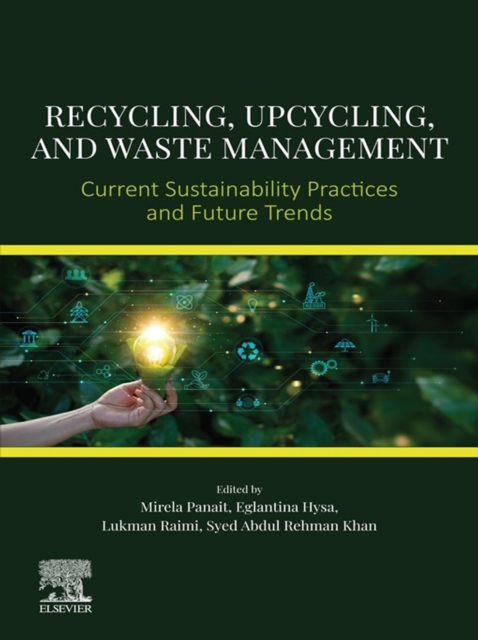
Recycling, Upcycling, and Waste Management: Current Sustainability Practices and Future Trends explores how these processes contribute to Sustainable Development Goals (SDGs) and the three pillars of sustainability: social, economic, and environmental.
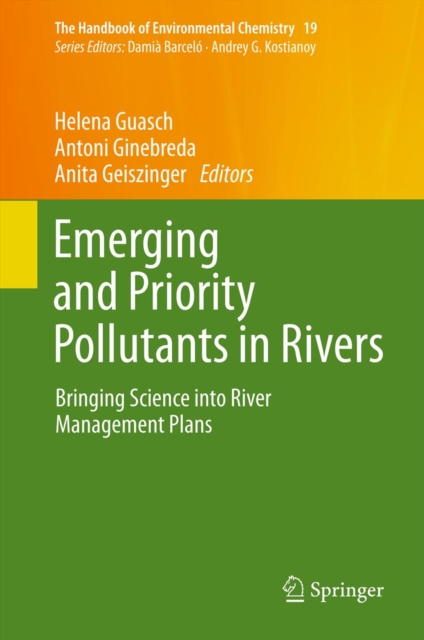
The enduring changes in the aquatic environment and the increasing influx of contaminants call for novel conceptual and methodological approaches to relating chemical pollution and ecological alterations in ecosystems.
The group of non-regulated contaminants termed "e;emerging contaminants"e; mainly comprises products used in large quantities in everyday life, such as human and veterinary pharmaceuticals, personal care products, surfactants and surfactant residues, plasticizers and various industrial additives.
In today’s world, the concept of a circular economy has emerged as a vital solution to address pressing environmental concerns and foster sustainable development.
This book explores the latest innovations in eco-friendly textiles, from biodegradable fabrics to cutting-edge recycling techniques, and digital technologies in materials innovations as well as the international and regional efforts to combat the effects of fast fashion.
This book explores the latest innovations in eco-friendly textiles, from biodegradable fabrics to cutting-edge recycling techniques, and digital technologies in materials innovations as well as the international and regional efforts to combat the effects of fast fashion.