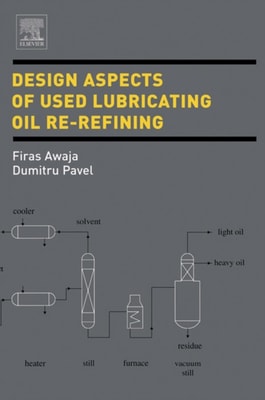
Resource recovery and recycling from millions of tons of wastes produced from industrial activities is a continuing challenge for environmental engineers and researchers.
Membrane systems are finding increasing application worldwide in the purification of potable and industrial water, and their design and use is set to grow considerably in years to come.
In today's chemically dependent society, environmental studies demonstrate that drinking water in developed countries contains numerous industrial chemicals, pesticides, pharmaceuticals and chemicals from water treatment processes.
This book offers a practical guidance for environmental engineers and scientists charged with assessing the cause-and-effect of pollutants in receiving water systems.
Industrial Waste Treatment Handbook provides the most reliable methodology for identifying which waste types are produced from particular industrial processes and how they can be treated.
Advanced separations technology is key to closing the nuclear fuel cycle and relieving future generations from the burden of radioactive waste produced by the nuclear power industry.
This two-volume work presents comprehensive, accurate information on the present status and contemporary development in phycoremediation of various types of domestic and industrial wastewaters.
The changes in temperature and rainfall that will come with climate change combined with populations that are growing but also becoming more condensed will put a great deal of stress on our wastewater systems.