This book presents a survey, dynamic monitoring and comprehensive analysis of Sri Lanka's land, vegetation, surface water, ocean and other environmental resources, as well as its economic, transportation, urban, agricultural and tourism development.
This book highlights recent advancements in such an important topic, through contribution from experts demonstrating different applications in 'day-to-day' life, both existing and newly emerging biological technologies, and thought provoking approaches from different parts of the world, potential future prospects associated with some frontier development in non-conventional energy sources.
This book provides up-to-date information on the state of the art in applications of biotechnological and microbiological tools for protecting the environment.
This book introduces readers to environmental background investigation, pollution source intensity evaluation and risk assessment approaches used at three main types of groundwater-contaminated sites: municipal domestic waste landfills, hazardous waste landfills and oil-contaminated sites.
This book contains papers presented in the 3rd International Conference on Separation Technology 2020 (ICoST 2020) held from 15 to 16th August 2020 at Johor, Malaysia.
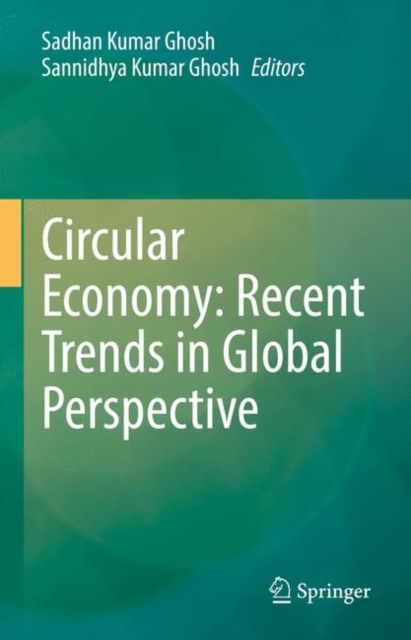
This book presents the advantages of the circular economy as a powerful - and inevitable - model for tackling the current challenges against shrinking resources and establishing the resource efficient economy.
Since its first systematic application during the 1970s, bioremediation, or the exploitation of a biological system's degradative potential to combat toxic pollutants such as heavy metals, polyaromatic hydrocarbons (PAH), cyanides, and radioactive material, has proven itself over time, and the many advances in molecular techniques have only amplified its utility.
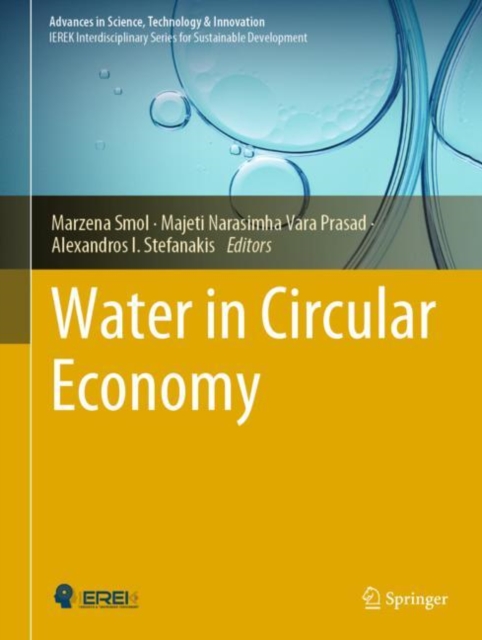
This book presents possible solutions for a circuler economy (CE) in the water and wastewater sector through an inventory of multidisciplinary knowledge with high scientific and practical importance which can contribute to support the transition to the CE model in water and wastewater sector.
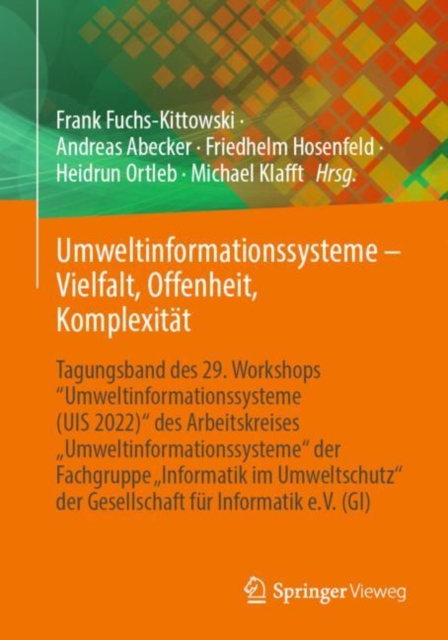
Der neueste Stand der Forschung und Entwicklung auf dem Gebiet der Umweltinformatik (UI) und umweltbezogener IT-Anwendungsbereiche wird in diesem Tagungsband präsentiert und kritisch diskutiert.
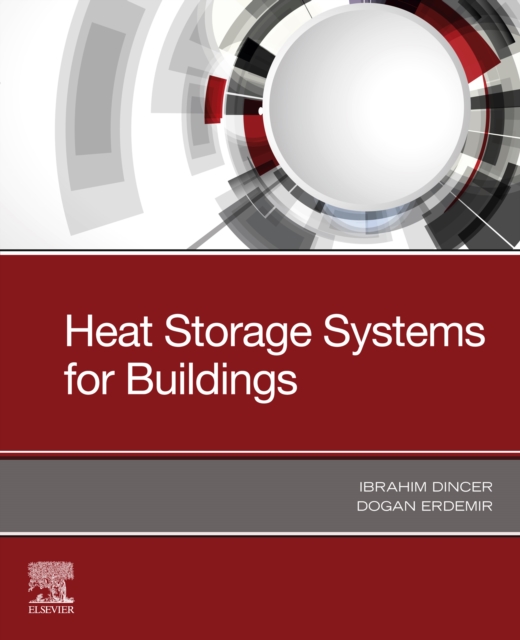
Heat Storage Systems for Buildings provides a unique resource for researchers, scientists, engineers, students, sectoral professional and people who work in the area of heat storage systems and applications for buildings.
Waste to Profit: Environmental Concerns and Sustainable Development gives information about selecting the most suitable technology for waste treatment and energy recovery under different conditions.
Waste to Profit: Environmental Concerns and Sustainable Development gives information about selecting the most suitable technology for waste treatment and energy recovery under different conditions.
This book covers the latest advances in sustainable waste management and focuses on its implementation to mitigate water and air pollution, recycle and reuse raw material, and refine valuable metals.
There is a need of strengthening the global and local response to cope with the threat of climate change and adverse effects of rising anthropogenic activities in the mountain ecosystem.
There is a need of strengthening the global and local response to cope with the threat of climate change and adverse effects of rising anthropogenic activities in the mountain ecosystem.
This volume discusses the nutraceutical importance, production technologies, management and cultivation practices of underutilized vegetables, which can be described as those vegetable crops which are neither grown commercially on a large scale nor traded widely.
This volume discusses the nutraceutical importance, production technologies, management and cultivation practices of underutilized vegetables, which can be described as those vegetable crops which are neither grown commercially on a large scale nor traded widely.
Wastewater Treatment: Recycling, Management, and Valorization of Industrial Solid Wastes bridges the gap between the theory and applications of wastewater treatments, principles of diffusion, and the mechanism of biological and industrial treatment processes.
Wastewater Treatment: Recycling, Management, and Valorization of Industrial Solid Wastes bridges the gap between the theory and applications of wastewater treatments, principles of diffusion, and the mechanism of biological and industrial treatment processes.
This 5-volume set allows you to assess the health and environmental effects of chemicals by determining the routes of exposure of the chemical to sensitive organisms.
APMP Volume Nine: Recent Advancement In Waste Water Management: Implication and Biological Solutions highlights new advances in the field, with this new volume presenting interesting chapters on antibiotics and hormone residues in wastewater: Occurrence, risks, and its biological, physical and chemical treatments, Occurrence of pesticides in wastewater: Bioremediation approach for environmental safety and its toxicity, Removal of pharmaceutical compounds from water, Biological solutions for the removal of microplastics from water, Impact of wastewater irrigation on soil attributes, Factors influencing the wastewater treatment process from agro-industrial effluents through microalgae and advanced oxidative processes, and more.
This 5-volume set allows you to assess the health and environmental effects of chemicals by determining the routes of exposure of the chemical to sensitive organisms.
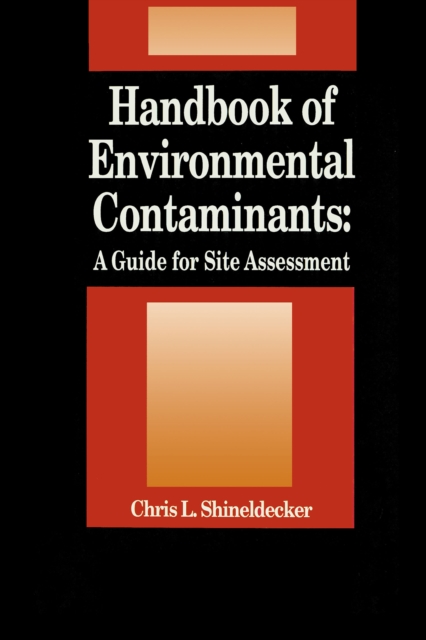
Handbook of Environmental Contaminants: A Guide for Site Assessment is an indispensable working reference for environmental assessment professionals faced with determining potential environmental contaminants that might be found in the soil, groundwater, or air of a property or facility.
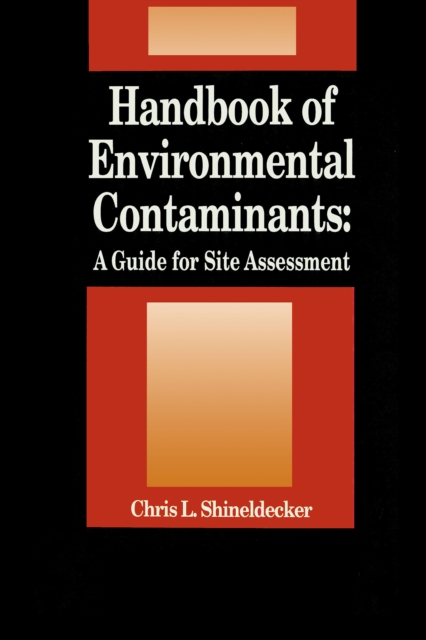
Handbook of Environmental Contaminants: A Guide for Site Assessment is an indispensable working reference for environmental assessment professionals faced with determining potential environmental contaminants that might be found in the soil, groundwater, or air of a property or facility.
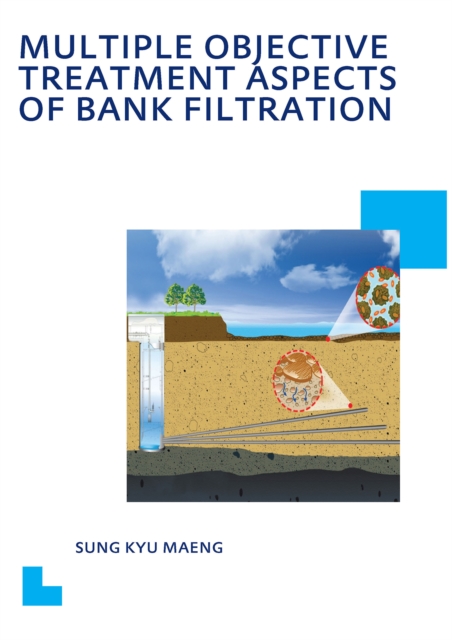
Bank filtration (BF) is a natural water treatment process which induces surface water to flow in response to a hydraulic gradient through soil/sediment and into a vertical or horizontal well.
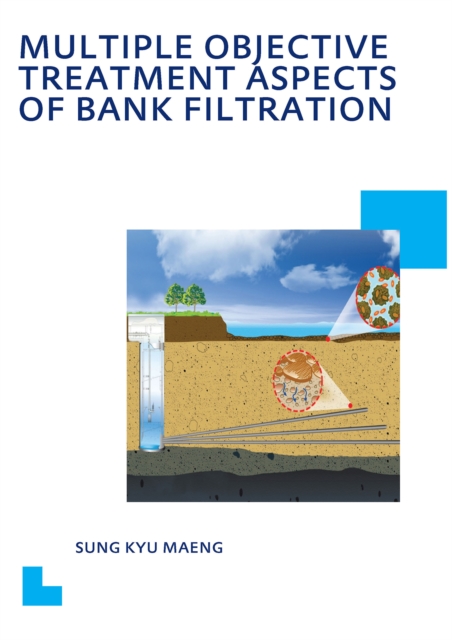
Bank filtration (BF) is a natural water treatment process which induces surface water to flow in response to a hydraulic gradient through soil/sediment and into a vertical or horizontal well.
This book refers to the various biomass valorisation in various fields like bio-fuel; biodiesel; hydrogen production; energy application, environmental pollution using recent clean technologies.
APMP Volume Nine: Recent Advancement In Waste Water Management: Implication and Biological Solutions highlights new advances in the field, with this new volume presenting interesting chapters on antibiotics and hormone residues in wastewater: Occurrence, risks, and its biological, physical and chemical treatments, Occurrence of pesticides in wastewater: Bioremediation approach for environmental safety and its toxicity, Removal of pharmaceutical compounds from water, Biological solutions for the removal of microplastics from water, Impact of wastewater irrigation on soil attributes, Factors influencing the wastewater treatment process from agro-industrial effluents through microalgae and advanced oxidative processes, and more.
Handbook of Arsenic Toxicology, Second Edition presents the latest findings on arsenic, including its chemistry, sources and effects on the environment and human health.