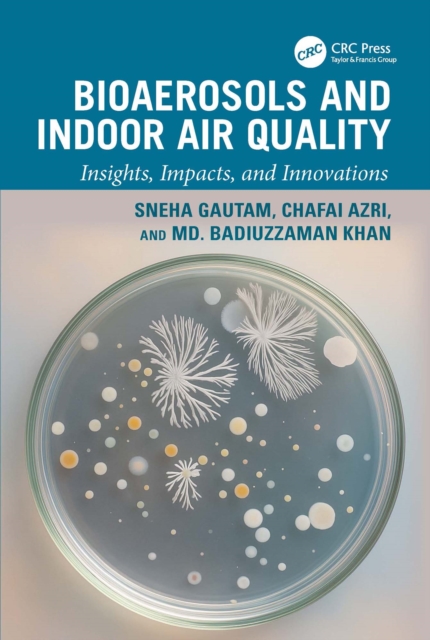
This book provides a detailed exploration of bioaerosols in indoor environments, focusing on their sources, transport mechanisms, health implications, and mitigation strategies.
This three-volume set delves into the intersection of cutting-edge technology and environmental science to address pressing challenges in the water sector and develop digitalization solutions that can have practical implementation in decision-making and management of wastewater treatment.
Subsurface Remediation: Vadose Zones and Aquifers presents the state-of-the-art physical treatment methods for remediating contaminated subsurface formations, bridging theoretical foundations with practical applications through pedagogically enriched content.
Electric Vertical Take-Off and Landing (eVTOL) vehicles represent a major advancement in aviation technology, poised to transform urban mobility and global transportation networks.
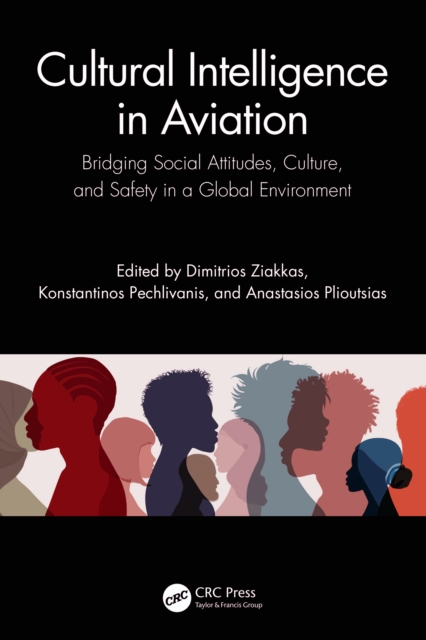
The aviation industry has evolved into a complex global network where diverse cultural backgrounds interact with flight operations, training, and safety management.
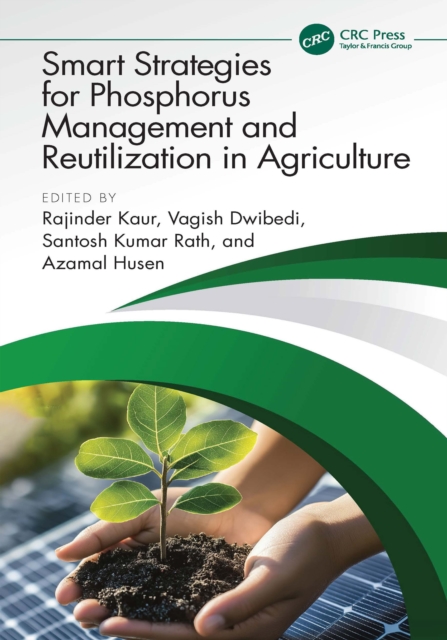
Smart Strategies for Phosphorus Management and Reutilization in Agriculture gives a comprehensive exploration of the state of phosphorus in soil, addressing the urgent challenge of its depletion while unveiling cutting-edge technologies designed to recycle this vital resource for future sustainability.
Electric Vertical Take-Off and Landing (eVTOL) vehicles represent a major advancement in aviation technology, poised to transform urban mobility and global transportation networks.
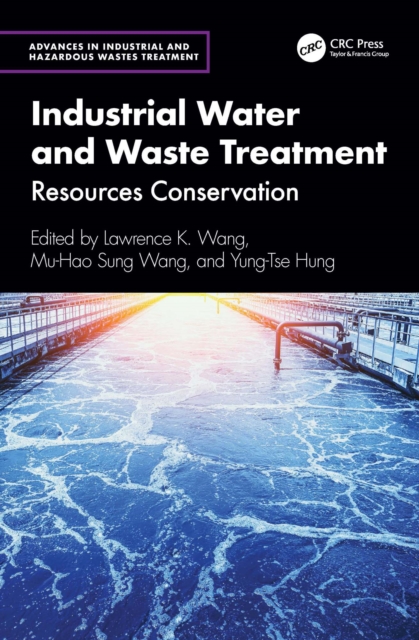
Industrial Water and Waste Treatment: Resources Conservation provides an authoritative exploration of cutting-edge technologies and innovative approaches for waste remediation, resource recovery, and pollution prevention.
The aviation industry has evolved into a complex global network where diverse cultural backgrounds interact with flight operations, training, and safety management.
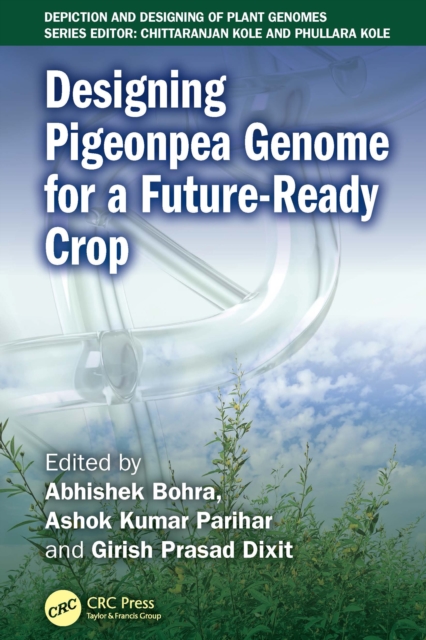
Grown primarily by the smallholder farmers in tropical and subtropical regions, pigeonpea is pivotal to subsistence agriculture in Asia, Africa, Latin America, and the Caribbean.
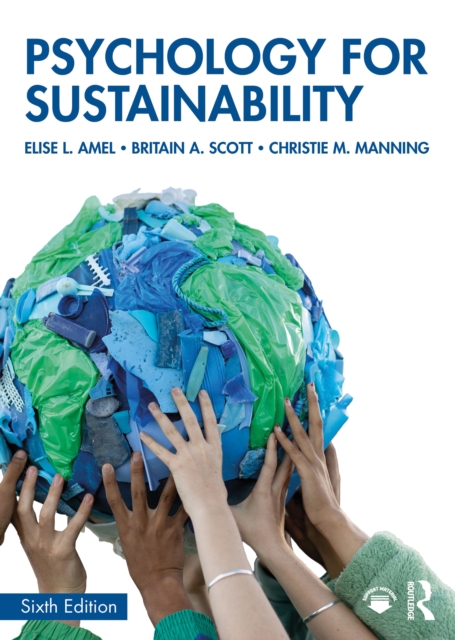
Now in its sixth edition and more crucial than ever, Psychology for Sustainability applies psychological science to environmental problems that manifest when human behavior disrupts and degrades natural systems.
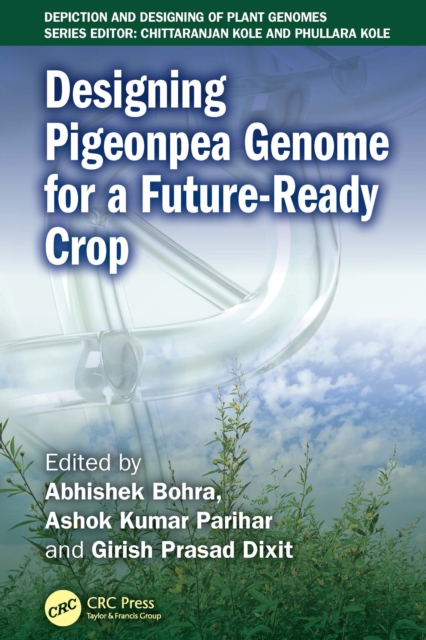
Grown primarily by the smallholder farmers in tropical and subtropical regions, pigeonpea is pivotal to subsistence agriculture in Asia, Africa, Latin America, and the Caribbean.
Subsurface Remediation: Vadose Zones and Aquifers presents the state-of-the-art physical treatment methods for remediating contaminated subsurface formations, bridging theoretical foundations with practical applications through pedagogically enriched content.
This three-volume set delves into the intersection of cutting-edge technology and environmental science to address pressing challenges in the water sector and develop digitalization solutions that can have practical implementation in decision-making and management of wastewater treatment.
Historically, companies have engaged in sustainable practices like recycling and refurbishing, but Green Technology and the Circular Economy: Towards a Sustainable Future provides modern, actionable strategies for reshaping operations.
Industrial Water and Waste Treatment: Resources Conservation provides an authoritative exploration of cutting-edge technologies and innovative approaches for waste remediation, resource recovery, and pollution prevention.
Smart Strategies for Phosphorus Management and Reutilization in Agriculture gives a comprehensive exploration of the state of phosphorus in soil, addressing the urgent challenge of its depletion while unveiling cutting-edge technologies designed to recycle this vital resource for future sustainability.
Now in its sixth edition and more crucial than ever, Psychology for Sustainability applies psychological science to environmental problems that manifest when human behavior disrupts and degrades natural systems.
This book gathers the proceedings of the 4th International Conference on Water and Environmental Engineering (iCWEE), held in Sydney, Australia, on November 19–21, 2025.
This book explores the basic structure, distribution, ecological, and commercial applications (pharmaceutical, medical, cosmetic, nutritional; food and feed source, agriculture, industrial, biodiesel, and nanotechnology), risks, and sustainability of seaweeds.
This book explores the basic structure, distribution, ecological, and commercial applications (pharmaceutical, medical, cosmetic, nutritional; food and feed source, agriculture, industrial, biodiesel, and nanotechnology), risks, and sustainability of seaweeds.
This book gathers the proceedings of the 4th International Conference on Water and Environmental Engineering (iCWEE), held in Sydney, Australia, on November 19–21, 2025.
This book adopts a case-based or story-based approach to addressing questions such as what happens when we cannot fix failures in the sense of returning the system to “normal” operations in less than many years or maybe decades, or perhaps never, or how do we recognize that we are facing pervasive failures?
This book project is dedicated to focusing on sustainable waste management strategies through the integration of cutting-edge technologies and strategic economic perspectives, with an emphasis on programs for prevention, recycling, composting, and disposal.
This book project is dedicated to focusing on sustainable waste management strategies through the integration of cutting-edge technologies and strategic economic perspectives, with an emphasis on programs for prevention, recycling, composting, and disposal.
This book provides an introduction to bio-optical properties of Indian coastal waters, referring to the study of how light interacts with water and the materials in water to determine the health of the water by measuring oceanic biological activity.
This book provides an introduction to bio-optical properties of Indian coastal waters, referring to the study of how light interacts with water and the materials in water to determine the health of the water by measuring oceanic biological activity.
This book adopts a case-based or story-based approach to addressing questions such as what happens when we cannot fix failures in the sense of returning the system to “normal” operations in less than many years or maybe decades, or perhaps never, or how do we recognize that we are facing pervasive failures?
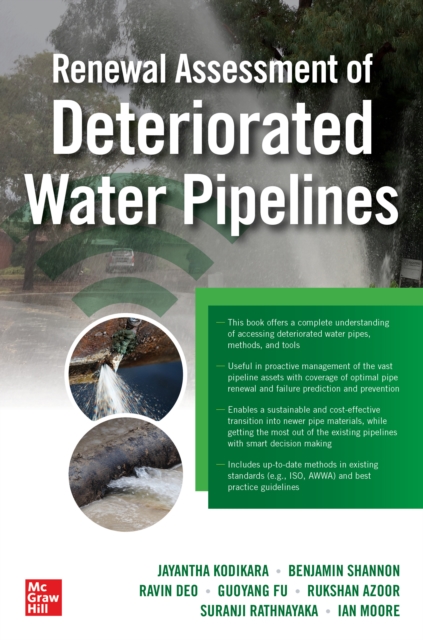
Learn how to effectively access and evaluate aging, buried water pipelinesThis practical guide provides a framework on how to evaluate and estimate deterioration levels and conditions of aging buried water pipelines.
Learn how to effectively access and evaluate aging, buried water pipelinesThis practical guide provides a framework on how to evaluate and estimate deterioration levels and conditions of aging buried water pipelines.
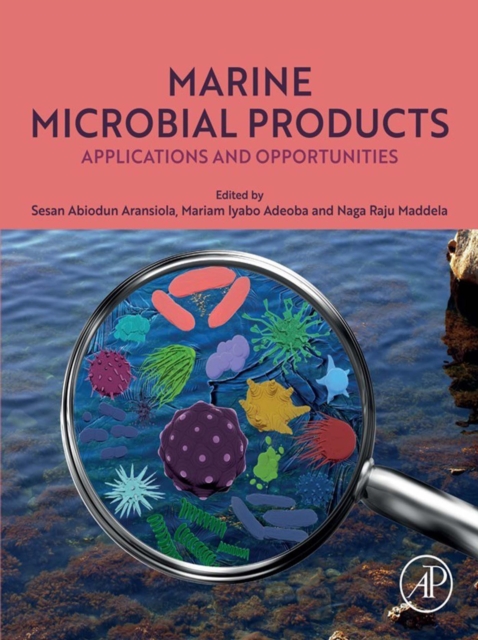
Marine Microbial Products: Applications and Opportunities delves into the extensive world of marine microbes, an assemblage of organisms that contain a broad array of bioactive chemicals.
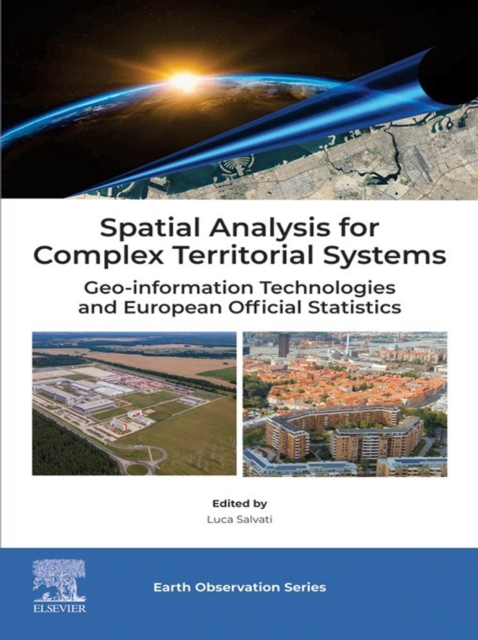
Spatial Analysis for Complex Territorial Systems: Geo-information Technologies and European Official Statistics offers a multidisciplinary exploration of spatial analysis, geo-information technologies, and official statistics, focusing on their applications in environmental, economic, and planning challenges in Europe and the Mediterranean.
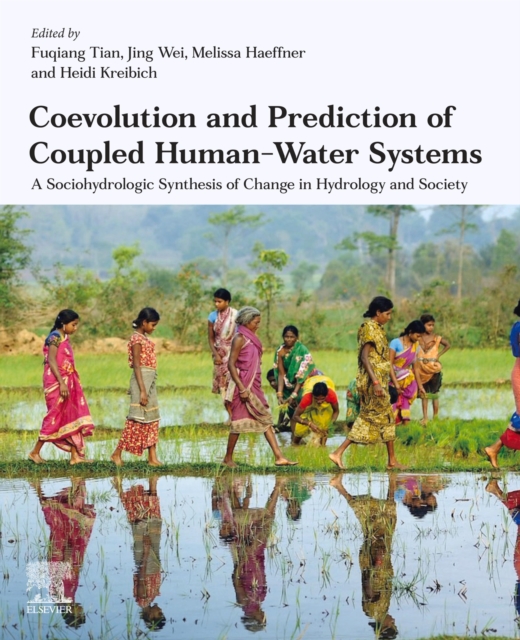
Please note that this an Open Access title available via Science DirectCoevolution and Prediction of Coupled Human-Water Systems provides an in-depth examination of the intricate interactions between hydrology and society.
Spatial Analysis for Complex Territorial Systems: Geo-information Technologies and European Official Statistics offers a multidisciplinary exploration of spatial analysis, geo-information technologies, and official statistics, focusing on their applications in environmental, economic, and planning challenges in Europe and the Mediterranean.
This book provides crucial information for adopting sustainable practices and enhancing pulp and paper production's performance and efficiency in the nanotechnology era.
This book provides crucial information for adopting sustainable practices and enhancing pulp and paper production's performance and efficiency in the nanotechnology era.