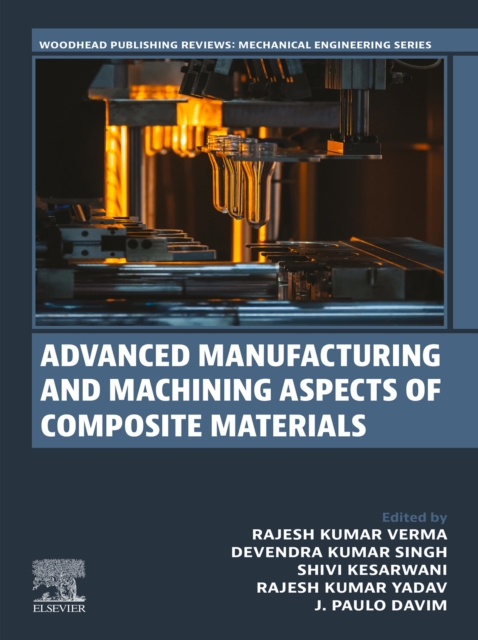
Advanced Manufacturing and Machining Aspects of Composite Materials explores the complex world of composite materials, focusing on advanced manufacturing techniques and machining processes.
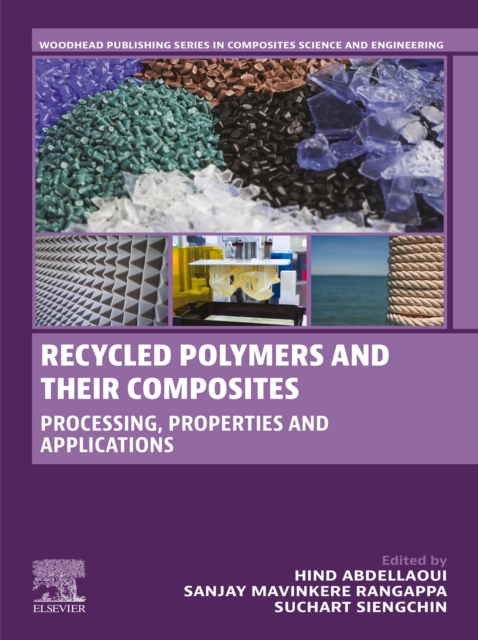
Recycled Polymers and Their Composites: Processing, Properties and Applications provides a comprehensive and systematic analysis of the full life cycle of recycled polymeric materials and their composites, with a particular focus on their development, characterization, and implementation across a wide range of applications.
An eye-catching, delicate shawl brightens up any look, and because the pieces are crocheted, they work up quickly, so you'll be enjoying your new shawls before you know it.
This title presents industry-oriented case studies and solution frameworks addressing operational challenges across the textile, apparel, and fashion value chain.
This title presents industry-oriented case studies and solution frameworks addressing operational challenges across the textile, apparel, and fashion value chain.
As advancements in nanotechnology continue to redefine materials science, textiles have emerged as a promising canvas for incorporating nanomaterials, particularly metal/metal oxide nanoparticles.
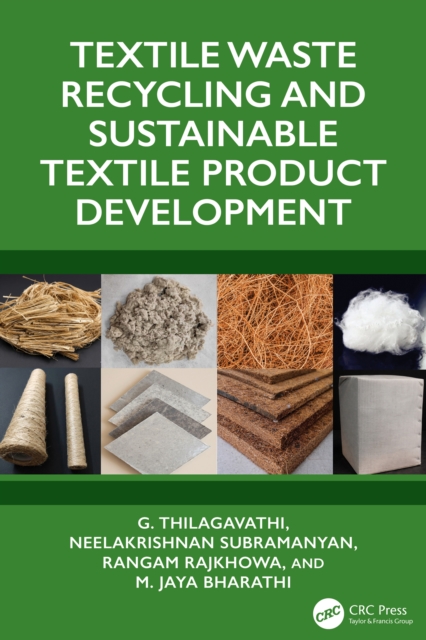
This book covers various aspects involved in the recycling of textile waste into value-added products and its impact on the environment and circular economy.
As advancements in nanotechnology continue to redefine materials science, textiles have emerged as a promising canvas for incorporating nanomaterials, particularly metal/metal oxide nanoparticles.
This book covers various aspects involved in the recycling of textile waste into value-added products and its impact on the environment and circular economy.
This jam-packed stitch bible begins with a guide to the best tools and equipment, detailed instructions on how to knit, and information on reading stitch diagrams and understanding knitting abbreviations.
Life Cycle Assessment of the Environmental Impact of Natural Materials explores the LCA of natural materials that are currently being utilized in product development.
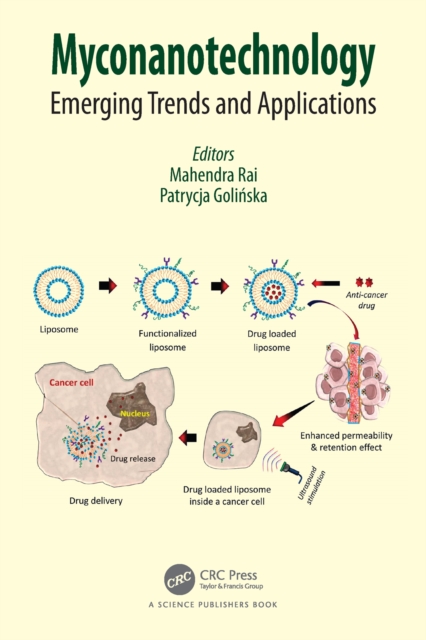
Myconanotechnology is a highly interdisciplinary science emerging at a fast pace and has garnered the attention of nanotechnologists, mycologists, biomedical experts, and agriculture scientists, among others.
GPS-embedded clothing for finding children or skiers when they are lost, bio-monitoring smart shirts, and vests that monitor a patient's vital signs are no longer science fiction but science fact.
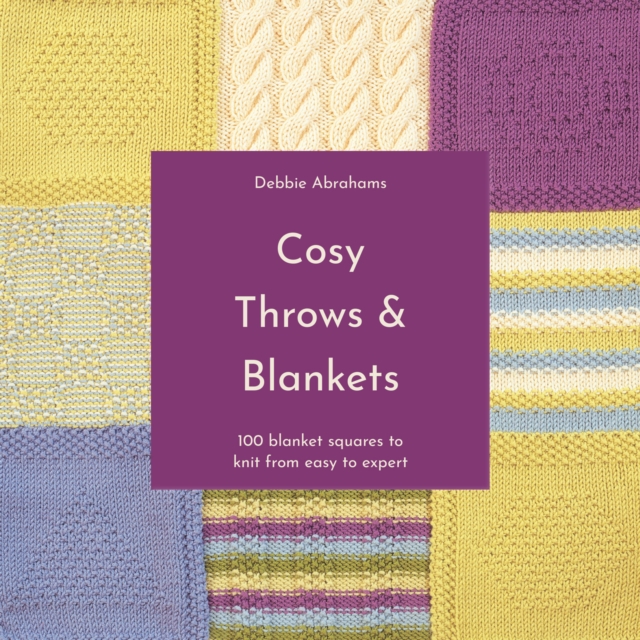
Originally a follow-up to the outstandingly successful Blankets and Throws, the newly reformatted Cosy Throws & Blankets (previously published as More Blankets and Throws) has over 100 different blanket squares that can be knitted up to create a dozen unique blankets or throws in a variety of styles.
From the iconic stylist and fashion provocateur whose designs transformed culture - bringing the glitz of Studio 54 and the sophistication of Sex and the City to the mainstream - comes a playful yet intimate memoir of a life spent challenging conventions.
Biopolymers from Microorganisms for a Green Future: Microbial Biopolymers offers comprehensive insights into microbial biopolymer composites, evaluating strengths and weaknesses, and exploring the thermal and functional properties of natural material-reinforced biopolymers.
Textile-Based Piezoelectric Nanogenerators: Advances and Perspectives reviews materials, fabrication methods, and applications of piezoelectric textile materials for smart wearable systems and portable electronic technologies.
The book Textile Composites and Sustainability: A Circular Approach provides an essential, comprehensive guide to integrating sustainability and circular economy principles specifically within the textile composites sector.
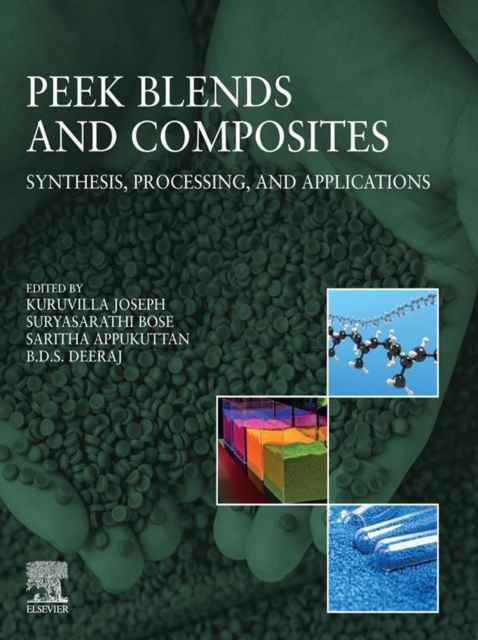
PEEK Blends and Composites: Synthesis, Processing, and Applications provides a comprehensive overview of the preparation methods and processing techniques of PEEK related materials and composites, and their main applications in various fields.