Enzymes and Microorganisms for Lignocellulosic Biorefinery comprehensively deals with the enzymes and microorganisms for lignocellulosic degradation, challenges in the engineering of lignocellulolytic enzymes and mining and engineering for better enzymes.
The huge increase in potential applications of polymer nanocomposites have made it necessary for researchers to address the fire safety issues of these materials.
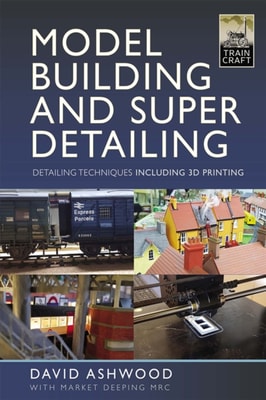
This book in the railway modelling series drills deeper into the tips and techniques that can be utilised by the modern modeller to produce a detailed and cohesive model railway.
This book in the railway modelling series drills deeper into the tips and techniques that can be utilised by the modern modeller to produce a detailed and cohesive model railway.
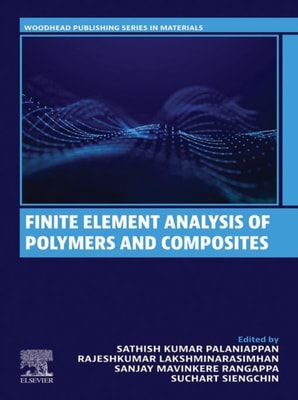
Finite Element Analysis of Polymers and its Composites offers up-to-date and significant findings on the finite element analysis of polymers and its composite materials.
Food Waste Valorization: Emerging Trends, Techno-economic and Environmental Considerations covers bioactive extraction, therapeutic properties and environmental concerns related to food waste conversion to value-added products, along with advanced technological breakthroughs in the field.
Encyclopedia of Polymer and Rubber Additives documents how polymer properties and performance can be improved through the use of additives, resulting in enhanced physical properties, stability, improved process and assembly, extended shelf life, enhanced purity, and minimized environmental impact.
The subject of Artificial Intelligence (AI) is continuing on its journey of affecting each and every individual and will keep on this path in the times to come.
This book covers details of specialized advanced refractories, their essentiality, their functions, the materials used, their properties, their degradation, and the possibilities for improvements.
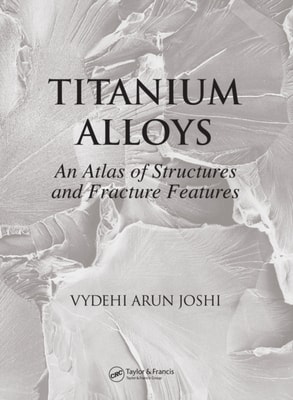
Titanium Alloys: An Atlas of Structures and Fracture Features uses award-winning micrographs and fractographs to illustrate alloy microstructures that result from various thermo-mechanical treatments present in real-world operating conditions.
This edited book of proceedings is a collection of nineteen selected and peer-reviewed contributions from the Virtual Conference on Chemistry and its Applications (VCCA-2022).
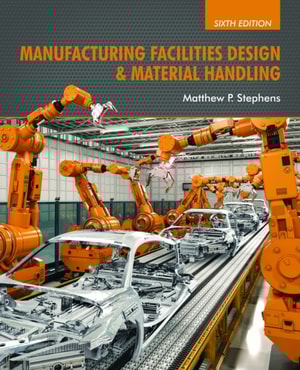
Designed for junior- and senior-level courses in plant and facilities planning and manufacturing systems and procedures, this textbook also is suitable for graduate-level and two-year college courses.
This new three-volume set comprehensively illustrates a wide range of analytical techniques and methodologies for assessing the physical, chemical, and microbiological properties of milk and milk products to ensure nutritional and technological quality and safety of milk and milk products.
This book explores the dramatic changes that have occurred in the business environment due in part to the phenomenal impact on societies and economies around the globe that resulted from the COVID-19 pandemic.
Matrix metalloproteinases (MMPs) have been established as promising biomolecular targets for novel drug design and discovery against numerous major disease conditions including various cancers, cardiovascular, neurodegenerative, inflammatory diseases, and more.
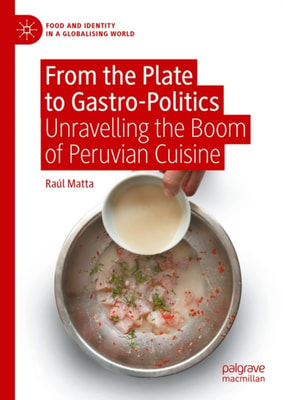
This book provides an interdisciplinary examination of Peruvian cuisine's shift from a culinary to a political object and the making of Peru as a food nation on the global stage.
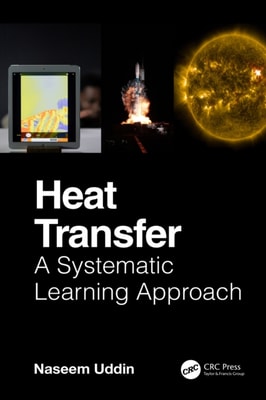
Heat Transfer: A Systematic Learning Approach presents valuable tools for understanding heat transfer mechanisms and provides a clear understanding of complex turbulent flows.
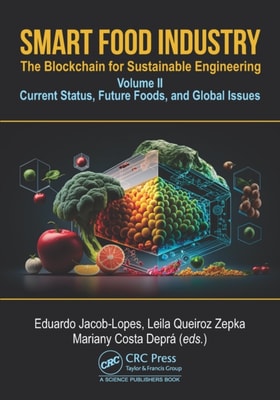
Smart Food Industry: The Blockchain for Sustainable Engineering, Volume II - Current Status, Future Foods, and Global Issues reviews the literature and scientific frameworks to present a kind of sustainability compass.
Neurological disorders categorized as neurodegenerative, neuropsychiatric, and neurotraumatic impose a substantial health burden and cause a frail impact on life attributes.
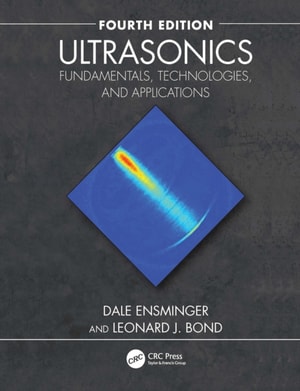
Updated, revised, and restructured to reflect the latest advances in science and applications, the fourth edition of this best-selling industry and research reference covers the fundamental physical acoustics of ultrasonics and transducers, with a focus on piezoelectric and magnetostrictive modalities.
This new three-volume set comprehensively illustrates a wide range of analytical techniques and methodologies for assessing the physical, chemical, and microbiological properties of milk and milk products to ensure nutritional and technological quality and safety of milk and milk products.
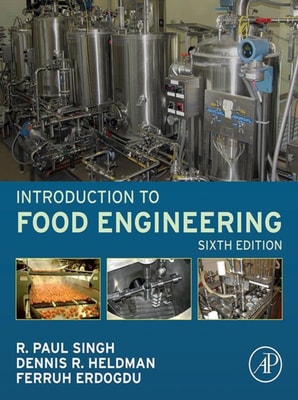
Introduction to Food Engineering, Sixth Edition brings a much more in-depth and didactic presentation of classic food engineering topics, such as the relationship of engineering to the chemistry, microbiology, nutrition and processing of foods.
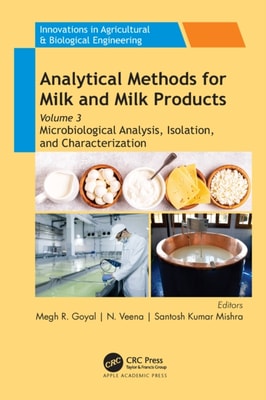
This valuable resource on the microbiological analysis of milk and milk products delves into various aspects of bacterial enumeration, pathogen detection, mastitis milk identification, quality testing for starter cultures, isolation and characterization of lactic acid bacteria (LAB), safety assessment protocols for probiotics, DNA isolation methods, molecular characterization techniques, and statistical tools for laboratory data analysis.
The book builds on the analogy between social groups and assemblies of molecules to introduce the concepts of statistical mechanics, machine learning and data science.
Enantioselective C-C Bond Forming Reactions: From Metal Complex-, Organo-, and Bio-catalyzed Perspectives, Volume 73 in the Advances in Catalysis series, highlights new advances in the field, with this new volume presenting interesting chapters on topics such as An introduction to Chirality, Metal-catalyzed stereoselective C-C-bond forming reactions, Enantioselective C-C bond forming reactions promoted by organocatalysts based on unnatural amino acid derivatives, Enantioselective C-C bond formation in complex multicatalytic system, Gold-based multicatalytic systems for enantioselective C-C Bond forming reactions, Novel enzymatic tools for C-C bond formation through the development of new-to-nature biocatalysis, and more.
Biopolymer and Biopolymer Blends: Fundamentals, Processes, and Emerging Applications showcases the potential of biopolymers as alternative sources to conventional nonbiodegradable petroleum-based polymers.
Smart Food Industry: The Blockchain for Sustainable Engineering, Volume II - Current Status, Future Foods, and Global Issues reviews the literature and scientific frameworks to present a kind of sustainability compass.
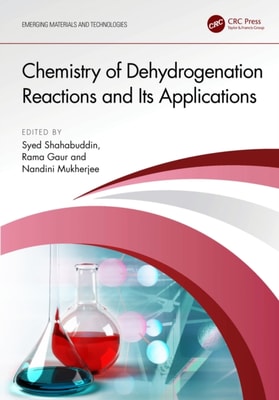
The present book focuses on advancement in the application of heterogeneous catalytic materials for the dehydrogenative synthesis of valuable organic compounds from substrates such as alcohols and simple aliphatic compounds.
Heat Transfer: A Systematic Learning Approach presents valuable tools for understanding heat transfer mechanisms and provides a clear understanding of complex turbulent flows.
This valuable resource on the microbiological analysis of milk and milk products delves into various aspects of bacterial enumeration, pathogen detection, mastitis milk identification, quality testing for starter cultures, isolation and characterization of lactic acid bacteria (LAB), safety assessment protocols for probiotics, DNA isolation methods, molecular characterization techniques, and statistical tools for laboratory data analysis.
This book presents an overview of the rapidly developing field of nanotechnology applications in drug delivery systems and covers a variety of technologies and materials that help in achieving vast variation in the particle size needed in technology and drug delivery-based research.
The third edition of the Handbook of Membrane Separations: Chemical, Pharmaceutical, Food, and Biotechnological Applications provides a comprehensive discussion of membrane applications.
Value of Information for Healthcare Decision-Making introduces the concept of Value of Information (VOI) use in health policy decision-making to determine the sensitivity of decisions to assumptions, and to prioritise and design future research.
This new volume explores the recent innovations in active, intelligent, and smart packaging systems that embrace packaging potential to not only provide protection to food but to also improve its nutritive value, reduce contamination by releasing antimicrobials, and provide real-time status of food quality.