Current demand in biomedical sciences emphasizes the understanding of basic mechanisms and problem solving rather than rigid empiricism and factual recall.
The book provides a comprehensive exploration of sustainable practices in biomaterial development for biomedical applications, covering diverse topics such as green synthesis methods, the potential of biodegradable materials, renewable resources for biopolymers, strategies in polymer synthesis, bio-mediated nanomaterials, sustainable manufacturing techniques including 3D and 4D printing, protein-based biomaterials, composite biomaterials derived from cellulose, chitin, and chitosan, as well as hydroxyapatite-starch-based biomaterials, carbonaceous materials, eco-friendly synthesis of metal and metal oxide nanomaterials, silk fibroin scaffold synthesis, utilization of green catalysts, cellulose-derived hydrogels for tissue engineering, plant extract-mediated synthesis of metallic nanoparticles, and eggshell-derived biomaterial synthesis.
The book provides a comprehensive exploration of sustainable practices in biomaterial development for biomedical applications, covering diverse topics such as green synthesis methods, the potential of biodegradable materials, renewable resources for biopolymers, strategies in polymer synthesis, bio-mediated nanomaterials, sustainable manufacturing techniques including 3D and 4D printing, protein-based biomaterials, composite biomaterials derived from cellulose, chitin, and chitosan, as well as hydroxyapatite-starch-based biomaterials, carbonaceous materials, eco-friendly synthesis of metal and metal oxide nanomaterials, silk fibroin scaffold synthesis, utilization of green catalysts, cellulose-derived hydrogels for tissue engineering, plant extract-mediated synthesis of metallic nanoparticles, and eggshell-derived biomaterial synthesis.
The book delves into the realm of biomaterials with a strong focus on sustainability, offering insights into their diverse applications in advanced therapeutics, and, diagnostics.
This book provides comprehensive, evidence-based surgical principles and techniques for total hip arthroplasty (THA), covering all aspects of this procedure, including the history, biomaterials, biomechanics, surgical techniques and other important issues.
This book provides comprehensive, evidence-based surgical principles and techniques for total hip arthroplasty (THA), covering all aspects of this procedure, including the history, biomaterials, biomechanics, surgical techniques and other important issues.
This book provides an overview of the latest technology and advances in the field of molecularly imprinted polymers (MIPs) and their diverse applications in healthcare diagnostics, food safety and quality, as well as environmental monitoring.
This book provides an overview of the latest technology and advances in the field of molecularly imprinted polymers (MIPs) and their diverse applications in healthcare diagnostics, food safety and quality, as well as environmental monitoring.
Due to their unique properties, chitosan-based materials have emerged as useful resources in a variety of medicines, drug controlled-release carriers, tissue engineering scaffolds, and immobilized enzymes.
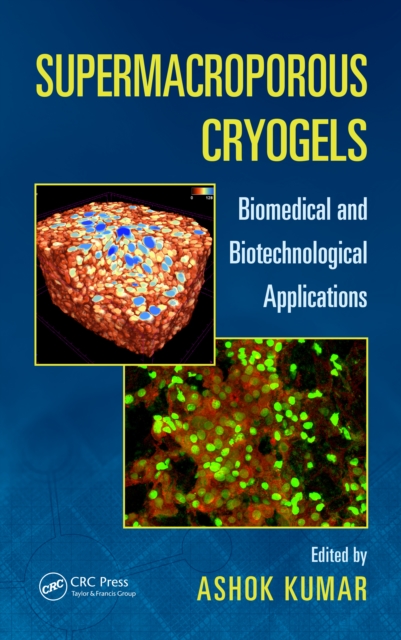
The process of cryogelation has been vigorously studied over the past two decades, with recent research focussing on applications of these polymer systems in various biomedical and biotechnological fields.
This book highlights the latest research on biochar, a low-cost carbonaceous material produced from biomass, and is regarded as an economical substitute to the activated carbon.
This book highlights the latest research on biochar, a low-cost carbonaceous material produced from biomass, and is regarded as an economical substitute to the activated carbon.
The text begins by discussing the processing and characterization of nano-manufactured resorbable bionanocomposites and presents the latest advances in carbon-based polymer nanocomposite materials for sensing applications.
This book explores the design, synthesis, and characterization of natural and synthetic polymeric biomaterials for diverse biomedical applications, including drug delivery, tissue engineering, and antimicrobial coatings.
Injectable smart hydrogels possess various properties that enable the development of new minimally invasive approaches to avoid problems associated with traditional implants.
This book provides an overview of the latest research on COVID-19 antiviral personal protective equipment (PPE), including safety, handling, and disposal.
This book provides an overview of the latest research on COVID-19 antiviral personal protective equipment (PPE), including safety, handling, and disposal.
Dentistry is a branch of medicine with its own peculiarities and very diverse areas of action, which means that it can be considered as an interdisciplinary field.
Work in the area of biomaterials and stem cell therapy has revealed great potential for many applications, from the treatment of localized defects and diseases to the repair and replacement of whole organs.