Metal Surface Engineering: Developed Tribology offers updated and advanced information on tribology for ferrous and non-ferrous materials, and discusses the practical application and performance of surface engineering.
Metal Surface Engineering: Developed Tribology offers updated and advanced information on tribology for ferrous and non-ferrous materials, and discusses the practical application and performance of surface engineering.
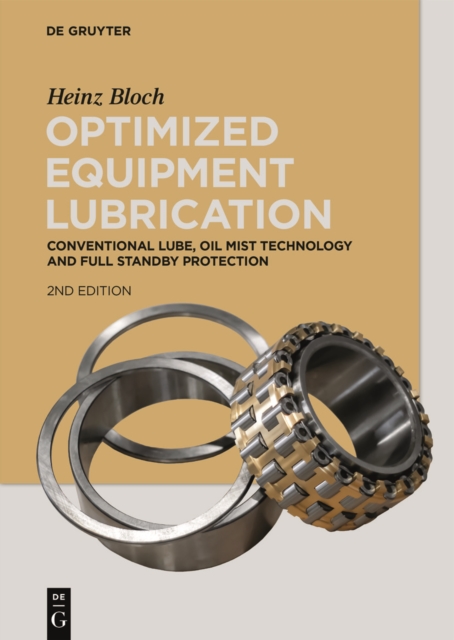
In the rapidly evolving world of mechanical systems, lubricants play a critical role in minimizing friction, reducing wear, and improving energy efficiency.
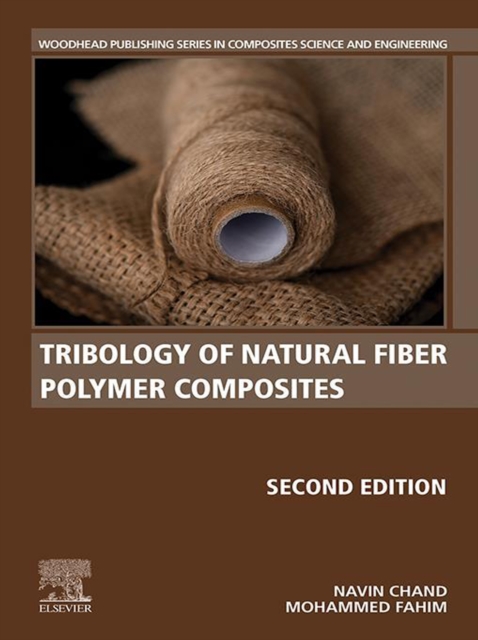
Tribology of Natural Fiber Polymer Composites, Second Edition, covers the availability and processing of natural fiber polymer composites and their structural, thermal, mechanical and tribological properties and performance.
This book highlights plasma science and technology-related research and development work at institutes and universities networked through Asian African Association for Plasma Training (AAAPT) which was established in 1988.
This textbook discusses the latest advances in the corrosion of metals and related protection methods, and explores all corrosion-related aspects used in natural and industrial environments, including monitoring and testing.
While other methods of drag reduction are well-known in marine R&D and ship design environments worldwide, compliant coating drag reduction remains less well-known and poorly understood.
This book provides new clues for understanding electrostatic charging in solids and liquids, resulting from the surge of research in this active area of science that is taking place since the 1990's but is still largely unknown to most researchers, lecturers and engineers.
This book addresses two critical problems that plague materials that make up components in both desalination and cooling water systems: corrosion, and fouling.
Superlubricity - the state between sliding systems where friction is reduced to almost immeasurable amounts - holds great potential for improving both the economic and environmental credentials of moving mechanical systems.
While other methods of drag reduction are well-known in marine R&D and ship design environments worldwide, compliant coating drag reduction remains less well-known and poorly understood.
This book presents an up-to-date overview on the main classes of metallic materials currently used in aeronautical structures and propulsion engines and discusses other materials of potential interest for structural aerospace applications.
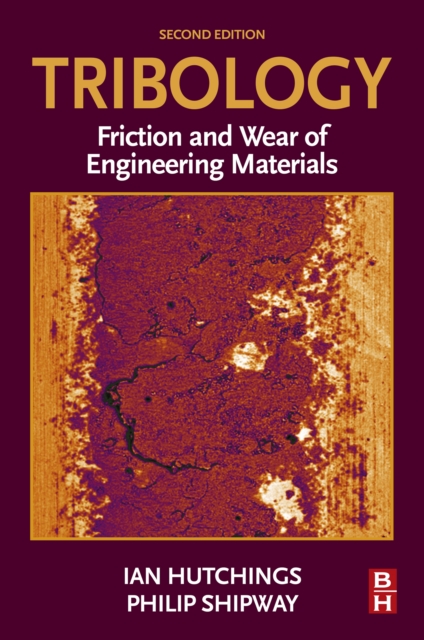
Tribology: Friction and Wear of Engineering Materials, Second Edition covers the fundamentals of tribology and the tribological response of all classes of materials, including metals, ceramics, and polymers.
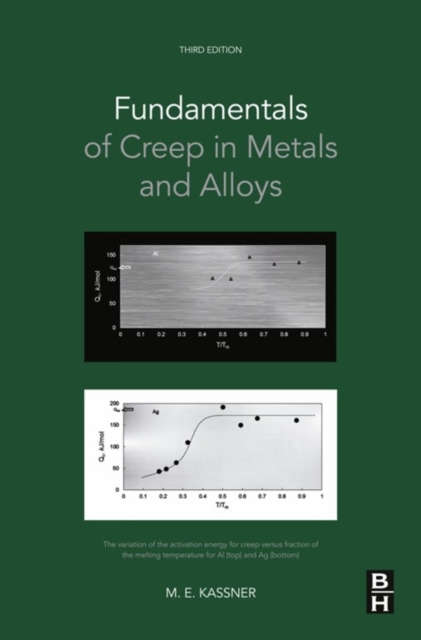
Although the present edition of Fundamentals of Creep in Metals and Alloys remains broadly up to date for metals, there are a range of improvements and updates that are either desirable, or required, in order to ensure that the book continues to meet the needs of researchers and scholars in the general area of creep plasticity.
The thirteenth Leeds-Lyon Tribology Symposium was devoted to the topic of Fluid Film Lubrication in celebration of the centenary of the publication of the classical paper by Professor Osborne Reynolds in which he identified the mechanism of hydrodynamic lubrication.
The 24th Leeds-Lyon Symposium was held in London from 4th-6th September 1997, where it was hosted by the Imperial College of Science, Technology and Medicine.
KEY FEATURES: Assists scientists, engineers and researchers in the development of a new high performance lubricant*An essential review of the state of knowledge in tribochemistry.
In the 1970s and the early 1980s there was an enormous volume of research and development into the subject of molybdenum disulphide lubrication, much of which was supported by national governments for the benefit of defence, aviation or space activities.
Hydrodynamic Lubrication is the culmination of over 20 years close, collaborative work by the five authors and discusses the practical use of the formalization of low pressure lubrication.
As with the previous edition, the third edition of Engineering Tribology provides a thorough understanding of friction and wear using technologies such as lubrication and special materials.
Computational elastohydrodynamics, a part of tribology, has existed happily enough for about fifty years without the use of accurate models for the rheology of the liquids used as lubricants.
This book focuses on strengthening and joining materials by means of plastic deformation, gathering extended research papers presented at the AIMTDR 2016 conference.
The surface characterizations of engineering materials effects their scratch/abrasion/Mar resistance, coating adhesion/strength, and abrasive wear mechanism.
Applied Lubrication, Insulation, and Cooling Fluids for Electrical Power Systems provides evidence-based strategies for selecting, applying, and monitoring lubricants, coolants, and insulating fluids in power systems.
Applied Lubrication, Insulation, and Cooling Fluids for Electrical Power Systems provides evidence-based strategies for selecting, applying, and monitoring lubricants, coolants, and insulating fluids in power systems.