In an age where anthrax can be produced in a garage and multilateral agreements among nations seem ever harder to reach, the threat of biowarfare could rapidly spiral out of control.
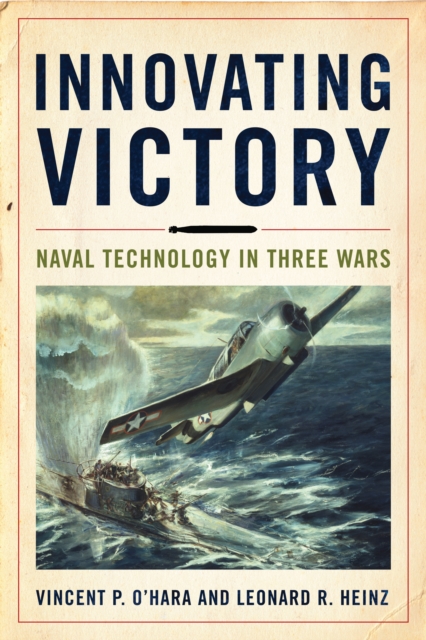
Innovating Victory: Naval Technology in Three Wars studies how the world's navies incorporated new technologies into their ships, their practices, and their doctrine.
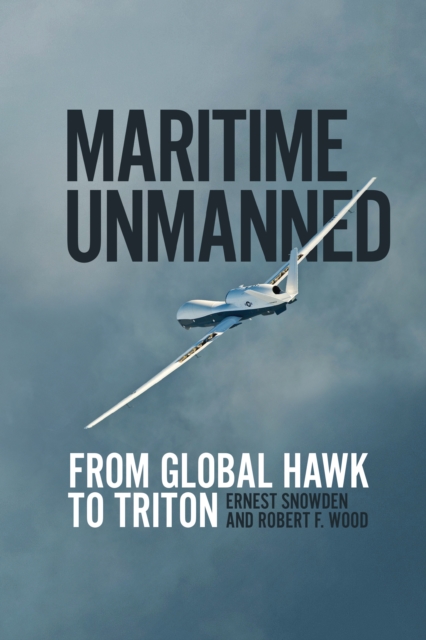
Maritime Unmanned recounts the promising beginning, demoralizing setbacks, and ultimate success of the visionaries who championed unmanned aircraft systems (UAS) technology for the U.
War at the Speed of Light describes the revolutionary and ever-increasing role of directed-energy weapons (such as laser, microwave, electromagnetic pulse, and cyberspace weapons) in warfare.
War at the Speed of Light describes the revolutionary and ever-increasing role of directed-energy weapons (such as laser, microwave, electromagnetic pulse, and cyberspace weapons) in warfare.
In addition, it covers cutting-edge tech that will soon be employed by our soldiers: missiles, small arms, biological detection systems, rockets, reconnaissance systems, radios, planes, bows and arrows (believe it or not).
From the Advanced Threat Infrared Countermeasures to the XM320 grenade launcher, this comprehensive guide profiles nearly every weapon currently in use by the U.
Military demolitions are the destruction by fire, water, explosive, and mechanical means of areas, structures, facilities, or materials to accomplish a military objective.
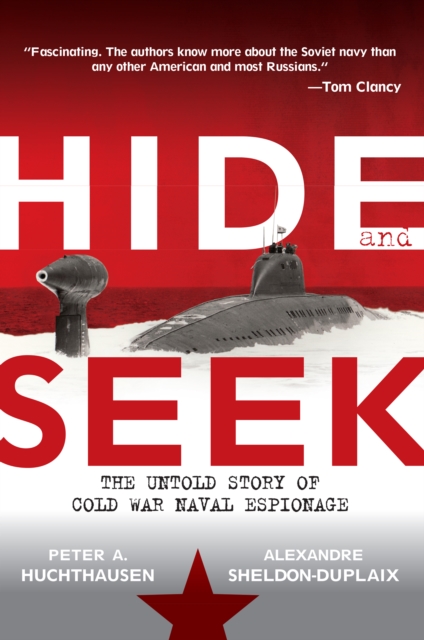
Through dramatic incidents tells for the first time the full story of the development of Cold War naval intelligence from the end of WWII to the breakup the Soviet Union in 1991, from both sides, East and West.
Covers the colonial origins of the three infantry regiments that comprise the Blue and Gray Division,"e;"e; the establishment of the Division in 1917, and its current status as a light infantry division in the Maryland National Guard.
A man's home is his castle, or so the saying goes, but could it withstand an attack by Attila and the Huns, Ragnar and the Vikings, Alexander and the Greeks, Genghis Khan and the Mongols, or Tamerlane and the Tartars?
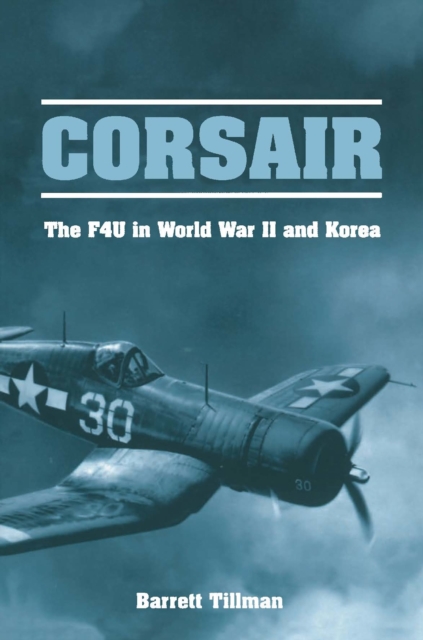
This is the remarkable story of an airplane that became a legend--with a sleek silhouette and bent wings, it doubled as a day and night fighter, could fly off carriers or from land, and served both as a dive bomber and reconnaissance plane.
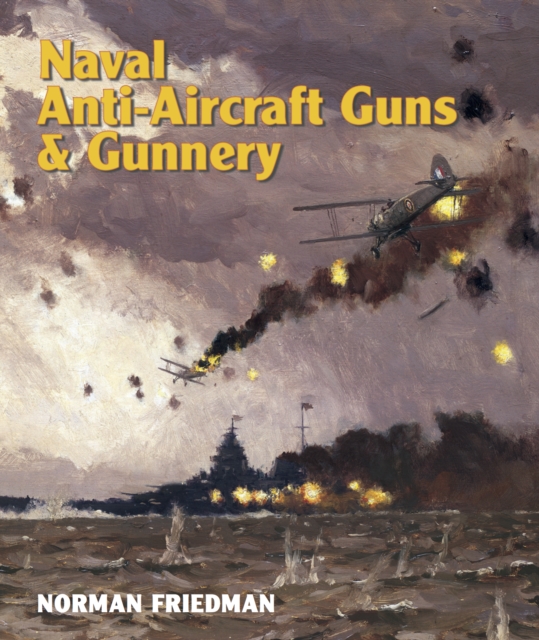
This book does for naval anti-aircraft defense what Friedman's Naval Firepower did for surface gunnery - it makes a highly complex but historically crucial subject accessible to the layman.
Written by veteran aerospace journalist Bob Ward, who spent years investigating his subject, this biography presents a revealing but even-handed portrait of the father of modern rocketry.
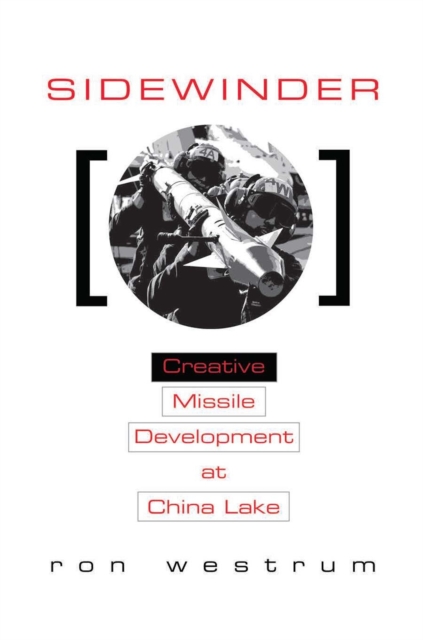
In the mid-1950s a small group of overworked, underpaid scientists and engineers on a remote base in the Mojave Desert developed a weapon no one had asked for but everyone in the weapons industry desired.
Former secretary of defense Leon Panetta once described cyber warfare as “the most serious threat in the twenty-first century,” capable of destroying our entire infrastructure and crippling the nation.
Former secretary of defense Leon Panetta once described cyber warfare as “the most serious threat in the twenty-first century,” capable of destroying our entire infrastructure and crippling the nation.
In Leigh Armistead's second edited volume on warfare in the Information Age, the authors explore the hype over possibilities versus actuality in their analysis of Information Operations (IO) today.
The modern means of communication have turned the world into an information fishbowl and, in terms of foreign policy and national security in post-Cold War power politics, helped transform international power politics.