Extending the spatial and temporal boundaries of human space flight are important goals for the National Aeronautics and Space Administration (NASA), yet human space flight remains an endeavor with substantial risks.
This volume, The Sun to the Earth-and Beyond: Panel Reports, is a compilation of the reports from five National Research Council (NRC) panels convened as part of a survey in solar and space physics for the period 2003-2013.
As part of its ongoing commitment to the nation's space program, NASA's medical leadership asked the Institute of Medicine (IOM) to review specific aspects of the scientific basis, policies, and procedures associated with the Longitudinal Study of Astronaut Health (LSAH).
Driven by discoveries, and enabled by leaps in technology and imagination, our understanding of the universe has changed dramatically during the course of the last few decades.
Over the past 5 years or more, there has been a steady and significant decrease in NASA's laboratory capabilities, including equipment, maintenance, and facility upgrades.
Over the past 5 years or more, there has been a steady and significant decrease in NASA's laboratory capabilities, including equipment, maintenance, and facility upgrades.
The United States is currently the only country with an active, government-sponsored effort to detect and track potentially hazardous near-Earth objects (NEOs).
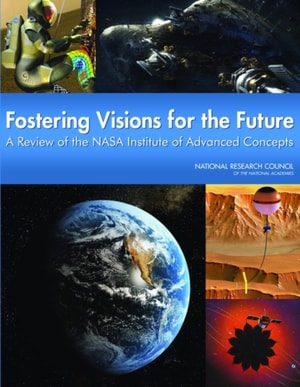
The NASA Institute for Advanced Concepts (NIAC) was formed in 1998 to provide an independent source of advanced aeronautical and space concepts that could dramatically impact how NASA develops and conducts its missions.
The United States is currently the only country with an active, government-sponsored effort to detect and track potentially hazardous near-Earth objects (NEOs).
The NASA Authorization Act of 2005 directed the agency to ask the NRC to assess the performance of each division in the NASA Science directorate at five-year intervals.
The NASA Institute for Advanced Concepts (NIAC) was formed in 1998 to provide an independent source of advanced aeronautical and space concepts that could dramatically impact how NASA develops and conducts its missions.
This compelling story of exploration charts and celebrates humankind in space, from Sputnik's launch in 1957 through the Apollo Moon landings and the International Space Station to future missions to Mars and beyond.
AN INSTANT SUNDAY TIMES BESTSELLERDiscover space as you've never seen it before, with these awe-inspiring, breathtakingly restored images of our first missions to the Moon'The next best thing to being there' Charlie Duke, Apollo 16 astronaut'One of the best records of Apollo history ever produced' David R.
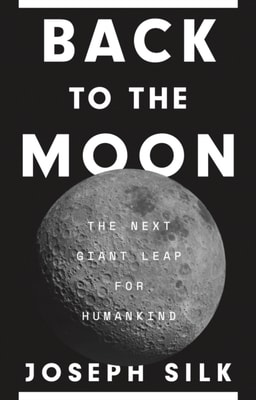
A scientist's inspiring vision of our return to the Moon as humanity's next thrilling step in space explorationJust over half a century since Neil Armstrong first stepped foot on the lunar surface, a new space race to the Moon is well underway and rapidly gaining momentum.
The goal of sending humans to Mars is becoming increasingly technologically feasible, but the prospect of space colonization raises important questions about civilizational ethics and collective morality.
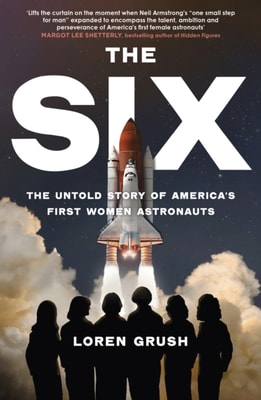
The remarkable true story of America's first women astronauts'Lifts the curtain on the moment when Neil Armstrong's "e;one small step for man"e; expanded to encompass the talent, ambition and perseverance of America's first female astronauts' MARGOT LEE SHETTERLY, bestselling author of Hidden Figures'Strap yourself in for a thrilling ride with genuine American heroes - six women who proved you don't need the right plumbing to have the right stuff!