This book spotlights the potential of nanozymes in combating antimicrobial resistance (AMR), a growing global health crisis with high mortality and morbidity.
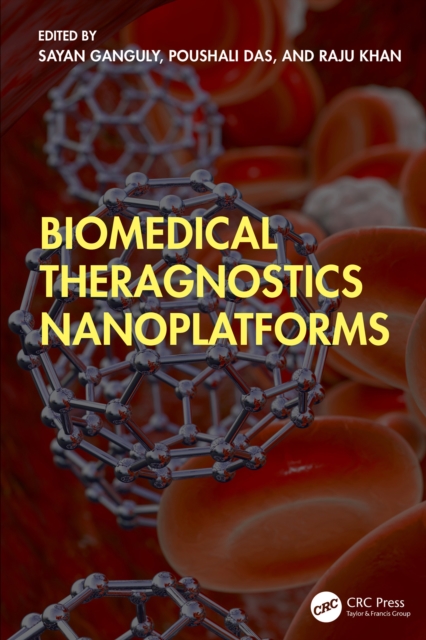
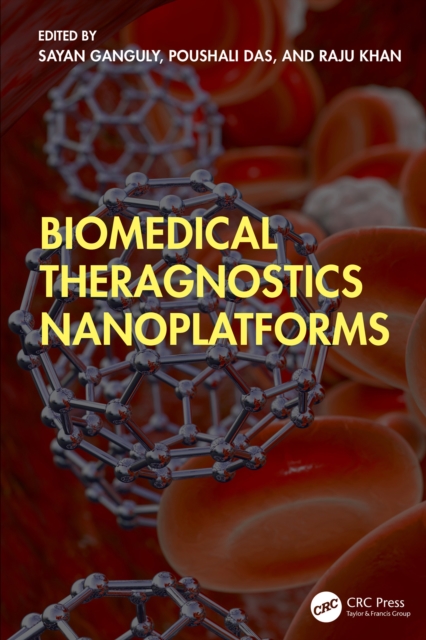
This book aims to provide a thorough resource in biomedical theragnostics nanoplatforms with coverage from the basics of nanotechnology to the nuances of designing and manufacturing nanoplatforms to their many uses in biomedicine.
This book examines the convergence of nanotechnology and bioenergy to develop sustainable biowaste-based biorefineries, offering solutions to growing concerns about fossil fuel depletion, waste accumulation, and environmental degradation.
This book aims to provide a thorough resource in biomedical theragnostics nanoplatforms with coverage from the basics of nanotechnology to the nuances of designing and manufacturing nanoplatforms to their many uses in biomedicine.
This book spotlights the potential of nanozymes in combating antimicrobial resistance (AMR), a growing global health crisis with high mortality and morbidity.
This book provides a comprehensive exploration of polymer blend nanocomposites, addressing their synthesis, morphology, processing, characterization, properties, and cutting-edge applications.
Green nanotechnology involves the development of smaller and more efficient materials while prioritizing the reduction of harm to the environment and the improvement of human well-being.
Nanobiotechnology has emerged as an innovative and rapidly advancing field that combines the progress of nanotechnology with biological sciences, especially cellular and molecular biology.
This book provides an in-depth exploration of how nanobiotechnological aspects can be leveraged to address problems and challenges in postharvest management, such as extending product shelf-life, detecting and mitigating pests and diseases, and improving the quality and safety of agro-products.
This book provides an in-depth exploration of how nanobiotechnological aspects can be leveraged to address problems and challenges in postharvest management, such as extending product shelf-life, detecting and mitigating pests and diseases, and improving the quality and safety of agro-products.
This book presents a focused overview of biocompatible nanocomposites, emphasizing recent advancements in material design, synthesis techniques, and their expanding applications in biomedicine.
This book presents the proceedings of the 6th International Conference on Emerging Technologies: Micro to Nano (ETMN), held in New Delhi, India, on November 22-23, 2024.
This book presents the proceedings of the 6th International Conference on Emerging Technologies: Micro to Nano (ETMN), held in New Delhi, India, on November 22-23, 2024.
The toolkit of nanomaterials covered in this new book, which ranges from magnetic nanoparticles to quantum dots, offers up new possibilities for the preservation and visualization of latent prints and turns forensic science into an area where the unseen is made strikingly visible.
The toolkit of nanomaterials covered in this new book, which ranges from magnetic nanoparticles to quantum dots, offers up new possibilities for the preservation and visualization of latent prints and turns forensic science into an area where the unseen is made strikingly visible.
This book presents a focused overview of biocompatible nanocomposites, emphasizing recent advancements in material design, synthesis techniques, and their expanding applications in biomedicine.
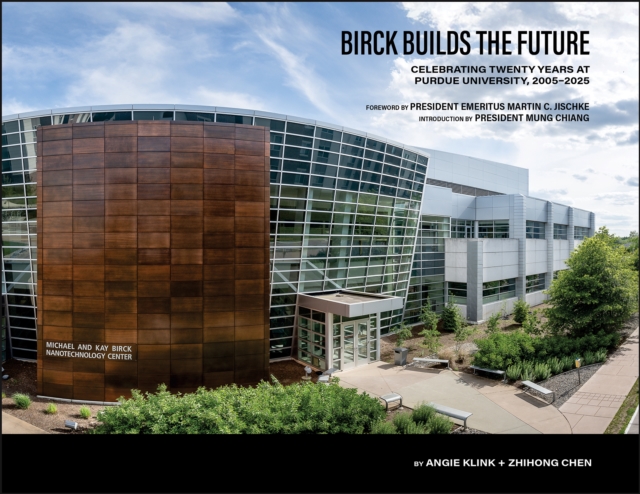
Birck Builds the Future: Celebrating Twenty Years at Purdue University, 2005-2025 commemorates the vision, innovation, and enduring impact of the Birck Nanotechnology Center.
Nanotechnology is redefining the future of agriculture by offering innovative solutions for enhanced crop productivity, sustainable farming, and improved soil health.
This book pans through three major sections of materials and methods used in the engineering of nanomaterials-their applications, ethical issues, and present market share in the field of food and drugs.
This book provides a comprehensive exploration of polymer blend nanocomposites, addressing their synthesis, morphology, processing, characterization, properties, and cutting-edge applications.
This book presents the majority of the contributions to the Tenth German-Vietnamese Seminar on Physics and Engineering (GVS10) that took place in the Gustav- Stresemann-Institut (GSI) in Bonn from June 6 to June 9, 2007.