Through their application in energy-efficient and environmentally friendly devices, zinc oxide (ZnO) and related classes of wide gap semiconductors, including GaN and SiC, are revolutionizing numerous areas, from lighting, energy conversion, photovoltaics, and communications to biotechnology, imaging, and medicine.
Through their application in energy-efficient and environmentally friendly devices, zinc oxide (ZnO) and related classes of wide gap semiconductors, including GaN and SiC, are revolutionizing numerous areas, from lighting, energy conversion, photovoltaics, and communications to biotechnology, imaging, and medicine.
In recent years, nanoparticlesa "e;bionanomaterials with specific physicochemical propertiesa "e;have gained a great deal of scientific interest owing to their unique structure.
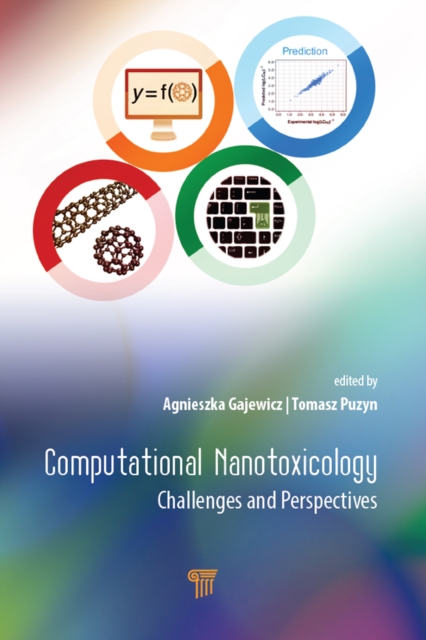
The development of computational methods that support human health and environmental risk assessment of engineered nanomaterials (ENMs) has attracted great interest because the application of these methods enables us to fill existing experimental data gaps.
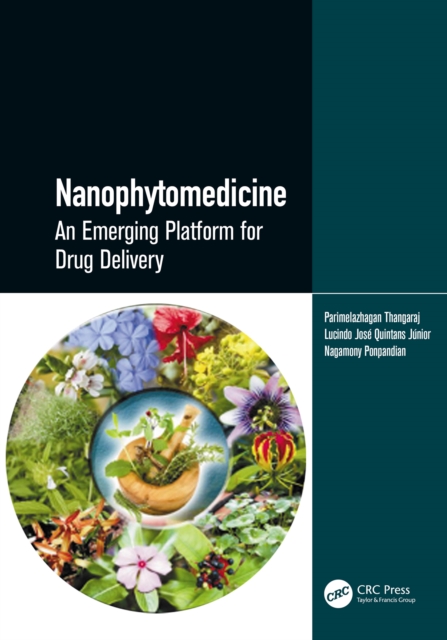
Nanophytomedicine is a branch of medicine that involves the application of nanomedicine-based systems to phytotherapy and phytopharmacology and the use of phytonanoparticles for biomedical applications.
Nanophytomedicine is a branch of medicine that involves the application of nanomedicine-based systems to phytotherapy and phytopharmacology and the use of phytonanoparticles for biomedical applications.
The development of computational methods that support human health and environmental risk assessment of engineered nanomaterials (ENMs) has attracted great interest because the application of these methods enables us to fill existing experimental data gaps.
In recent years, nanoparticlesa "e;bionanomaterials with specific physicochemical propertiesa "e;have gained a great deal of scientific interest owing to their unique structure.
Despite the widespread growth and acceptance of particulate technology, challenges in the design, operation, and manufacturing of these systems still exists.
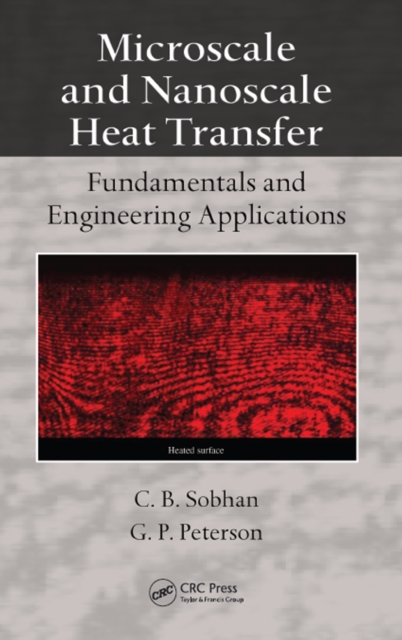
Through analyses, experimental results, and worked-out numerical examples, Microscale and Nanoscale Heat Transfer: Fundamentals and Engineering Applications explores the methods and observations of thermophysical phenomena in size-affected domains.
This book highlights the characteristics, aims, and applications of bionanotechnology as a possible solution for sustainable management and bioremediation of environmental pollutants.
This book highlights the characteristics, aims, and applications of bionanotechnology as a possible solution for sustainable management and bioremediation of environmental pollutants.
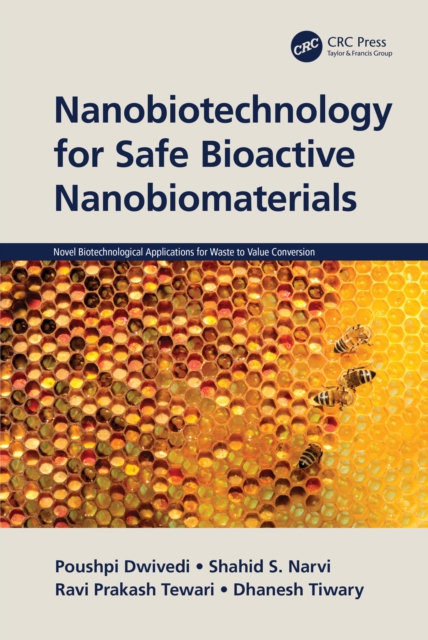
This book begins with an introduction of nanobiotechnology, followed by biosyntheses of AgNPs, development of silver/chitosan (Ag/CS) polymer nanocomposites, synthesis of silver/chitosan-g-poly acrylamide (Ag/CS-g-PAAm) nanocomposite hydrogel and silver/chitosan/poly vinyl chloride (Ag/CS/PVC) blend.
This book begins with an introduction of nanobiotechnology, followed by biosyntheses of AgNPs, development of silver/chitosan (Ag/CS) polymer nanocomposites, synthesis of silver/chitosan-g-poly acrylamide (Ag/CS-g-PAAm) nanocomposite hydrogel and silver/chitosan/poly vinyl chloride (Ag/CS/PVC) blend.
This book explores recent developments in the design and synthesis of greener nanomaterials and their eco-friendly utilization at the industrial scale.
This book explores recent developments in the design and synthesis of greener nanomaterials and their eco-friendly utilization at the industrial scale.
Nanotechnology has revolutionized agriculture and food technology, improving the shelf life of foods through interventions of nanomaterials in the packaging.
Nanotechnology has revolutionized agriculture and food technology, improving the shelf life of foods through interventions of nanomaterials in the packaging.
There has been tremendous progress in cancer diagnosis and treatment methodologies, and this book focuses on major cancers of the cervix, breast, endometrium, and the associated reproductive system affecting women.
There has been tremendous progress in cancer diagnosis and treatment methodologies, and this book focuses on major cancers of the cervix, breast, endometrium, and the associated reproductive system affecting women.
Examining smart 3D printing at the nanoscale, this book discusses various methods of fabrication, the presence of inherent defects and their annihilation, property analysis, and emerging applications across an array of industries.
Examining smart 3D printing at the nanoscale, this book discusses various methods of fabrication, the presence of inherent defects and their annihilation, property analysis, and emerging applications across an array of industries.
This reference text discusses conduction mechanism, structure construction, operation, performance evaluation and applications of nanoscale semiconductor materials and devices in VLSI circuits design.
This reference text discusses conduction mechanism, structure construction, operation, performance evaluation and applications of nanoscale semiconductor materials and devices in VLSI circuits design.
Advanced Nanocatalysts for Biodiesel Production is a comprehensive and advanced book on practical and theoretical concepts of nanocatalysts dealing with future processing techniques towards environmental sustainability.
Advanced Nanocatalysts for Biodiesel Production is a comprehensive and advanced book on practical and theoretical concepts of nanocatalysts dealing with future processing techniques towards environmental sustainability.
Boron nitride was first produced in the 18th century and, by virtue of its extraordinary mechanical strength, has found extensive application in industrial processes since the 1940s.
Nanocomposites are composite materials that have dimensions less than 100 nm in at least one of their phases, offering a higher surface-to-volume ratio.
Boron nitride was first produced in the 18th century and, by virtue of its extraordinary mechanical strength, has found extensive application in industrial processes since the 1940s.
Nanocomposites are composite materials that have dimensions less than 100 nm in at least one of their phases, offering a higher surface-to-volume ratio.
Nanofibers are possible solutions for a wide spectrum of research and commercial applications and utilizing inexpensive bio-renewable and agro waste materials to produce nanofibers can lower manufacturing cost via electrospinning.
Nanofibers are possible solutions for a wide spectrum of research and commercial applications and utilizing inexpensive bio-renewable and agro waste materials to produce nanofibers can lower manufacturing cost via electrospinning.