This is the first book to systematically review and summarize the recent rapid advances and varied results of multiphysics in nanoscale materials including elastic strain engineering.
This book focuses on inorganic nanosheets, including various oxides, chalcogenides, and graphenes, that provide two-dimensional (2D) media to develop materials chemistry in broad fields such as electronics, photonics, environmental science, and biology.
As the name suggests this book discusses how nanotechnology has influenced the provision of implant treatment from surgery to prosthetic reconstruction and post treatment biological complications.
This book expands the debate on the future of science and technology at the Curious2018 - Future Insight Conference, held on the occasion of Merck's 350-year anniversary.
Micro-nanoelectronics Devices: Modeling of Diffusion and Operation Processes concentrates on the modeling of diffusion processes and the behavior of modern integrated components, from material, to architecture.
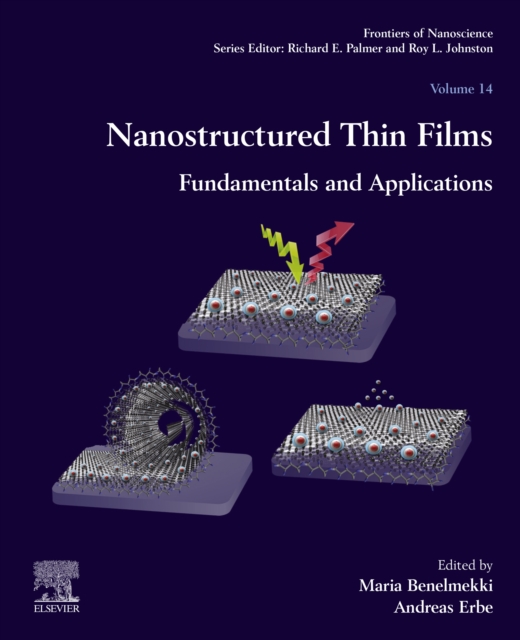
Nanostructured Thin Films: Fundamentals and Applications presents an overview of the synthesis and characterization of thin films and their nanocomposites.
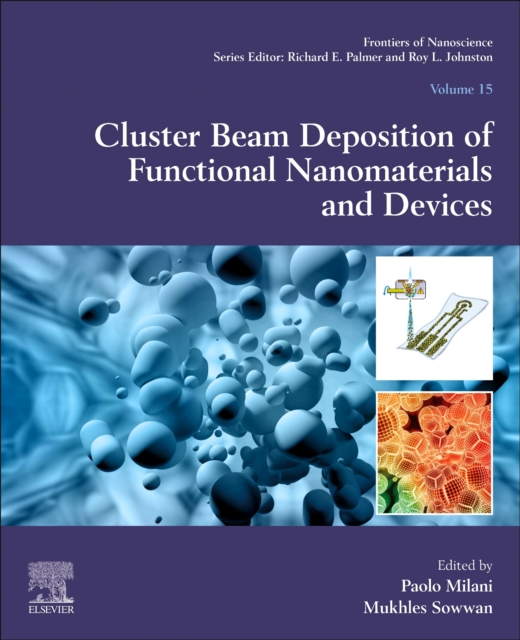
Cluster Beam Deposition of Functional Nanomaterials and Devices, Volume 15, provides up-to-date information on the CBD of novel nanomaterials and devices.
Carbon-Based Nanoelectromagnetics provides detailed insights into the electromagnetic interactions of carbon-based nanostructured materials such as graphene and carbon nanotubes.
Dynamics of Molecular Excitons provides a comprehensive, but concise description of major theories on the dynamics of molecular excitons, intended to serve as a self-contained resource on the topic.
Light Robotics - Structure-Mediated Nanobiophotonics covers the latest means of sculpting of both light and matter for achieving bioprobing and manipulation at the smallest scales.
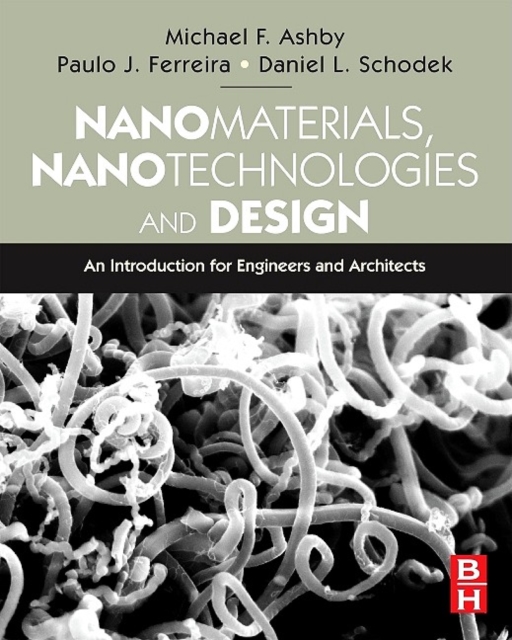
The peculiarities of materials at the nanoscale demand an interdisciplinary approach which can be difficult for students and researchers who are trained predominantly in a single field.
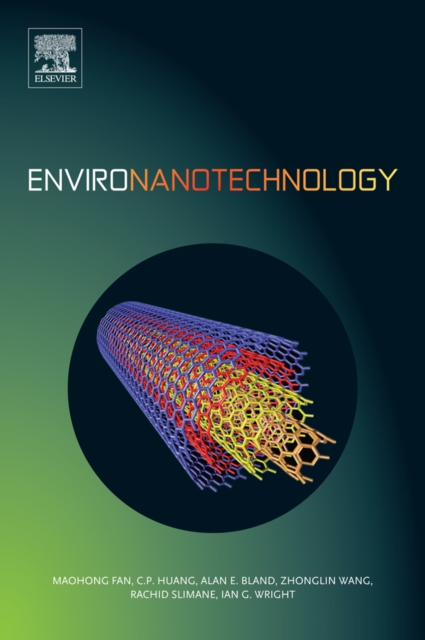
Understanding and utilizing the interactions between environment and nanoscale materials is a new way to resolve the increasingly challenging environmental issues we are facing and will continue to face.
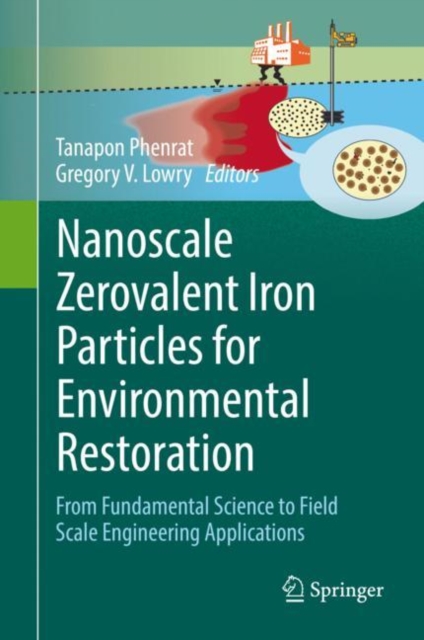
This is the first complete edited volume devoted to providing comprehensive and state-of-the art descriptions of science principles and pilot- and field-scaled engineering applications of nanoscale zerovalent iron particles (NZVI) for soil and groundwater remediation.
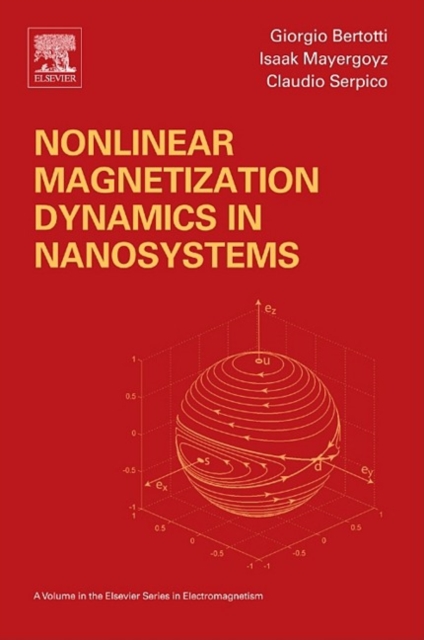
As data transfer rates increase within the magnetic recording industry, improvements in device performance and reliability crucially depend on the thorough understanding of nonlinear magnetization dynamics at a sub-nanoscale level.
This book was developed with the goal of providing an easily understood text for those users of the scanning electron microscope (SEM) who have little or no background in the area.
Despite advances in the long-range electrostatic double-layer force, which depends strongly on ionic strength in water by using theoretical models such as DLVO (Derjaguin, Landau, Verwey, and Overbeek), the structure of confined water in air still remains widely unknown and has led to a variety of unexplained phenomena.
Antibiotics, the backbone of modern clinical-medicine, are facing serious challenges from emerging antimicrobial-resistance (AMR), a complicated phenomenon expanding in bacterial species, from nosocomial to community origins, where microbes are no longer sensitive to a range of commonly used antibiotics.
The book titled Biogenic Nanomaterial for Health and Environment covers the synthesis, characterization, and applications of nanomaterials synthesized using living organisms, like bacteria, algae, fungi, plants, and biomolecules derived from them.
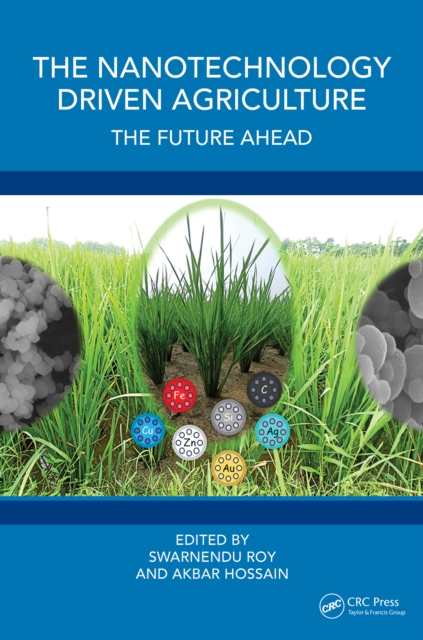
Manipulation of matter at the nanoscale level is the key factor in nanotechnology, and it is considered as a great driving force behind the current industrial revolution since it offers facile and feasible remedies for many problems.
This expert and self-contained authored handbook provides comprehensive coverage of liquid crystals from the fundamental materials science, physics, and modeling through cutting-edge applications.
This expert and self-contained authored handbook provides comprehensive coverage of liquid crystals from the fundamental materials science, physics, and modeling through cutting-edge applications.
The thesis tackles one of the most difficult problems of modern nanoscale science and technology - exploring what governs thermal phenomena at the nanoscale, how to measure the temperatures in devices just a few atoms across, and how to manage heat transport on these length scales.
In the pursuit of technological advancement in the field of biotechnology and pharmaceutical industries to counteract health issues, bacterial infections remain a major cause of morbidity and mortality.
The new edition of this remarkable textbook offers the reader a conceptually strong introduction to quantum mechanics, but goes beyond this to present a fascinating tour of modern theoretical physics.
Carbon nanotubes have been studied extensively in relation to fullerenes, and together with fullerenes have opened a new science and technology field on nano scale materials.
The book Materials for Sustainable Energy Storage Devices at the Nanoscale anticipates covering all electrochemical energy storage devices such as supercapacitors, lithium-ion batteries (LIBs), and fuel cells,transformation and enhancement materials for solar cells, photocatalysis, etc.
This concise edition of Hari Singh Nalwa's Handbook of Nanostructured Materials and Nanotechnology fills the needs of scientists and students working in chemistry, physics, materials science, electrical engineering, polymer science, surface science, spectroscopy, and biotechnology.
The importance of the nanoscale effects has been recognized in materials research for over fifty years, but it is only recently that advanced characterization and fabrication methods are enabling scientists to build structures atom-by-atom or molecule-by molecule.
The book is designed as an introduction for engineers and researchers wishing to obtain a fundamental knowledge and a snapshot in time of the cutting edge in technology research.
The ever-increasing population and the associated anthropogenic activities have imparted an adverse impact on the environment, resulting in an escalating pollution crisis and forcing the advancement of sustainable, green, and eco-friendly technologies.