This volume introduces in a coherent and comprehensive fashion the Pan Stanford Series on Nanobiobiotechnology by defining and reviewing the major sectors of Nanobiotechnology and Nanobiosciences with respect to the most recent developments.
As the elderly population increases, the importance of creating sophisticated information support to humans with limited sensing performance has also grown.
This volume introduces, in a coherent and comprehensive fashion, the Pan Stanford Series on Nanobiotechnology by defining and reviewing the major sectors of nanobiotechnology and nanobiosciences with respect to the most recent developments.
Nanotechnologies are among the fastest growing areas of scientific research, and this is expected to have a substantial impact on human health care, especially in biomedical applications and nanomedicine now and in the near future.
This volume delivers a systematic overview of nanotechnology in the development of edible food packaging with noteworthy characteristics for improved food quality.
This edited book serves as a vital resource on the contributions of microorganisms to advances in nanotechnology, establishing their applications in diverse areas of biomedicine, environment, biocatalysis, food and nutrition, and renewable energy.
This book provides an overview of biocomposite chemistry, chemical modifications, characterization and applications in biomedicine, with emphasis on recent advances in the field.
This book comprehensively documents the application of Nanobiomaterials in the field of bio-medicine and diagnostics technologies by involving classical concepts/examples.
Everyone is familiar with the amazing performance of a modern smartphone, powered by a billion-plus nanotransistors, each having an active region that is barely a few hundred atoms long.
This book presents invited reviews and original short notes of recent results obtained in studies concerning the fabrication and application of nanostructures, which hold great promise for the new generation of electronic, optoelectronic and energy conversion devices.
This book describes the latest advancements in molecular and cellular engineering approaches in addition to nanotechnology for cancer therapeutics and imaging.
Everyone is familiar with the amazing performance of a modern smartphone, powered by a billion-plus nanotransistors, each having an active region that is barely a few hundred atoms long.
With the alarming increase in cancer diagnoses and genetic illnesses, traditional drug agents and their delivery media need to be re-evaluated to address a quickly evolving field.
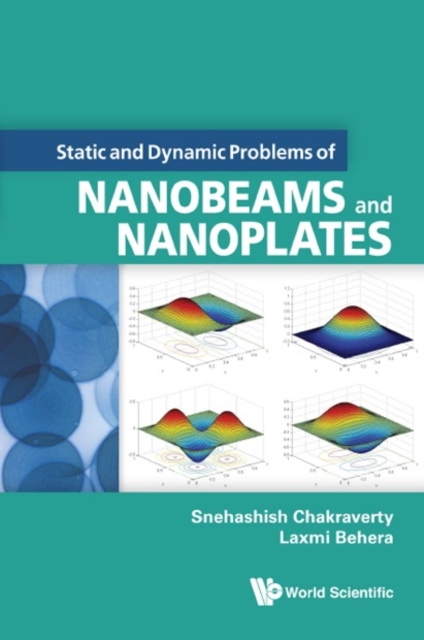
This book will deal with different sections associated with bending, buckling and vibration of nanobeams and nanoplates along with systematic description of handling the complexities when nanoscales are considered.
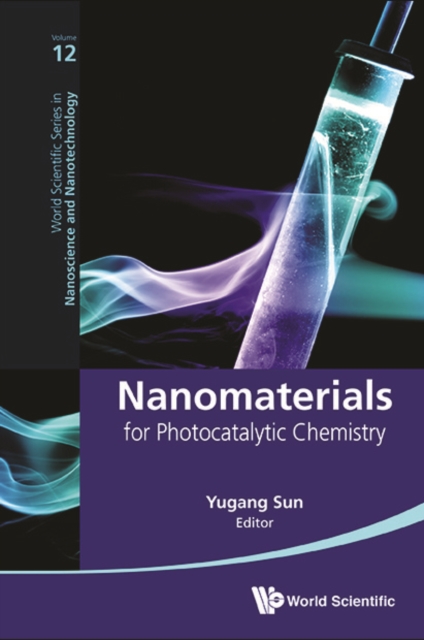
This book concentrates on the emerging area of the utilization of (solar) photon energy for catalyzing useful chemical reactions (also called artificial photosynthesis) including water splitting, CO2 reduction, selective epoxidation, selective alcohol oxidation, coupling reactions, etc.
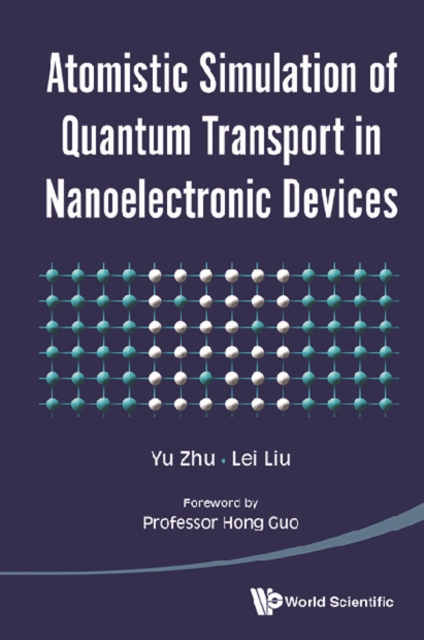
Computational nanoelectronics is an emerging multi-disciplinary field covering condensed matter physics, applied mathematics, computer science, and electronic engineering.
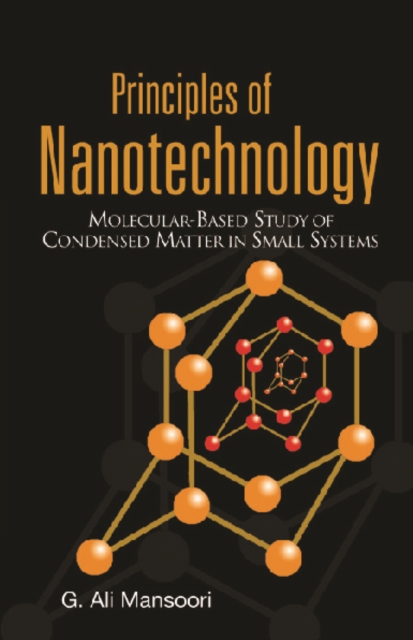
This invaluable book provides a pointed introduction to the fascinating subject of bottom-up nanotechnology with emphasis on the molecular-based study of condensed matter in small systems.
The textbook seeks to bring readers with no prior knowledge or experience in interfacial phenomena, colloid science or nanoscience to the point where they can comfortably enter the current scientific and technical literature in the area.
This is the 2nd edition of the original "e;Nanostructures and Nanomaterials"e; written by Guozhong Cao and published by Imperial College Press in 2004.
The book describes the basic principles of transforming nano-technology into nano-engineering with a particular focus on chemical engineering fundamentals.
This book gathers selected papers presented at the Second International Conference on Intelligent Manufacturing and Automation (ICIMA 2020), which was jointly organized by the Departments of Mechanical Engineering and Production Engineering at Dwarkadas J.
The book is a collection of best selected research papers presented at the 5th International Conference on Inventive Material Science Applications (ICIMA 2022) organized by PPG Institute of Technology, Coimbatore, India, during May 6-7, 2022.
This book presents a very useful and valuable collection of chapters associated with recent developments in energy, environment, and nanotechnology including nanofluids dynamics.
This book elaborates on the fabrication of organic-inorganic hybrid nanomaterials, their advantages, self-assembly and their applications in diverse fields of energy, biotechnology, biomedical and environment.
In this book, researchers at the forefront of the field explain the minimum necessary background knowledge and introduce important topics in molecular robotics in an easy-to-understand manner.
This book presents the select proceedings of the first International Conference on Energy and Materials Technologies (ICEMT) 2021, organized by the Department of Mechanical Engineering, Sri Sivasubramaniya Nadar College of Engineering, Kalavakkam, India.
In this first volume, various materials such as chitosan, lignin-based biomaterials, cellulosic based bio materials, carbon materials, Polysaccharide-composites materials, Aromatic-Based Synthetic Macromolecules, Agricultural wastes, etc for treating textile waste water are highlighted.
This book describes the importance of heat transfer in heat exchangers, and fluids properties play a vital role to increase heat transfer rate translating the size of the equipment and cuts in the capital and running cost in the long term.
In this second volume, various materials such as Magnetic-based biocomposites, wheat bran/straw-based biomaterials, peel-based biomaterials, luffa Based Biomaterials, composite polymeric membranes, rice husk, hydroxyapatite etc for treating textile waste water are highlighted.
This book presents experimental as well as simulation methodologies for analysis and development of nanostructures for introducing the desirable effects through modifications in the basic structure of select nanomaterials.
This book provides an overview on the latest advances in the synthesis, properties and applications of polymeric eco-composites and eco-nanocomposites reinforced natural fibers (e.
Textile industry wastewater contains toxic dyes as well as heavy metals and many other persistent organic compounds which are difficult to biodegrade using conventional biological methods.