Inorganic 2D nanomaterials, or inorganic graphene analogues, are gaining great attention due to their unique properties and potential energy applications.
Polyurethane nanocomposites present an attractive and sustainable way for designing smart materials that can be used in packaging, health and energy applications.
Polyurethane nanocomposites present an attractive and sustainable way for designing smart materials that can be used in packaging, health and energy applications.
As wide band semiconductors with rich morphologies and interesting electric, optical, mechanical and piezoelectric properties, ZnO nanostructures have great potential in applications, such as strain sensors, UV detectors, blue LED, nano generators, and biosensors.
Nanogel-based systems have gained tremendous attention due to their diverse range of applications in tissue engineering, regenerative medicine, biosensors, orthopaedics, wound healing and drug delivery.
Inorganic 2D nanomaterials, or inorganic graphene analogues, are gaining great attention due to their unique properties and potential energy applications.
As wide band semiconductors with rich morphologies and interesting electric, optical, mechanical and piezoelectric properties, ZnO nanostructures have great potential in applications, such as strain sensors, UV detectors, blue LED, nano generators, and biosensors.
The science of nanotechnology, the manipulation, design and engineering of devices at the atomic and molecular scale, is starting to be applied to many disciplines including aspects of agriculture and crop science.
The science of nanotechnology, the manipulation, design and engineering of devices at the atomic and molecular scale, is starting to be applied to many disciplines including aspects of agriculture and crop science.
Nanocellulose, a unique and promising natural material extracted from native cellulose, has received immense interest for its broad spectrum of applications owing to its remarkable physical properties, special surface chemistry, and excellent biological properties (biocompatibility, biodegradability and low toxicity).
Currently the field of nanocatalysis is undergoing many exciting developments and the design of silica-based organic-inorganic hybrid nanocatalysts is a key focus of the researchers working in this field.
Two-dimensional materials have had widespread applications in nanoelectronics, catalysis, gas capture, water purification, energy storage and conversion.
'This book not only provides a fundamental technical background on black TiO2 and the synthesis of this material, it also covers state-of-the-art applications and will provide the reader with current information on property behavior and show the direction of the latest research for this interesting material for energy applications.
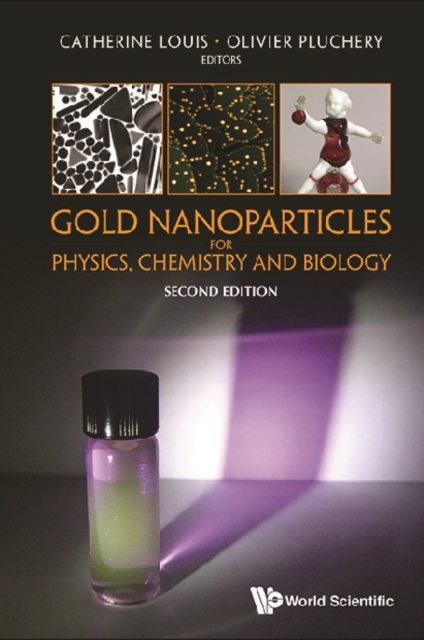
Gold Nanoparticles for Physics, Chemistry and Biology offers an overview of recent research into gold nanoparticles, covering their discovery, usage and contemporary practical applications.
The use of nanomaterials in energy conversion and storage represents an opportunity to improve the performance, density and ease of transportation in renewable resources.
'The text is lightly written but, underneath the entertaining gloss of anecdote and personal detail, this is actually an intensely serious and carefully constructed book, aimed at informing the educated public about science in general and nanotechnology in particular.
Perspectives in Micro- and Nanotechnology for Biomedical Applications is an exciting new book that takes readers inside the fast-paced world of biomedical sciences fueled by advancements in nanotechnology, polymer chemistry and pharmacology.
Drug delivery systems and pharmaceutical nanocarriers that respond to different types of stimuli, such as internal ones, intrinsic for the pathological area (changes in pH, temperature, redox condition, activity of certain enzymes), or external, artificially applied (magnetic field, ultrasound, various irradiations), represent an important and continuously growing area of research.
Porous materials are of scientific and technological importance because of the presence of voids of controllable dimensions at the atomic, molecular, and nanometer scales, enabling them to discriminate and interact with molecules and clusters.
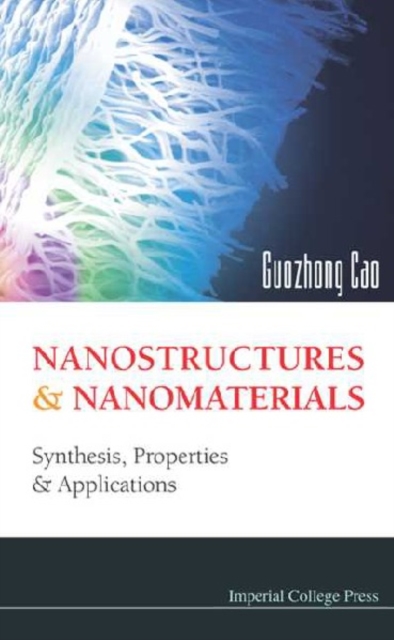
This important book focuses on the synthesis and fabrication of nanostructures and nanomaterials, but also includes properties and applications of nanostructures and nanomaterials, particularly inorganic nanomaterials.
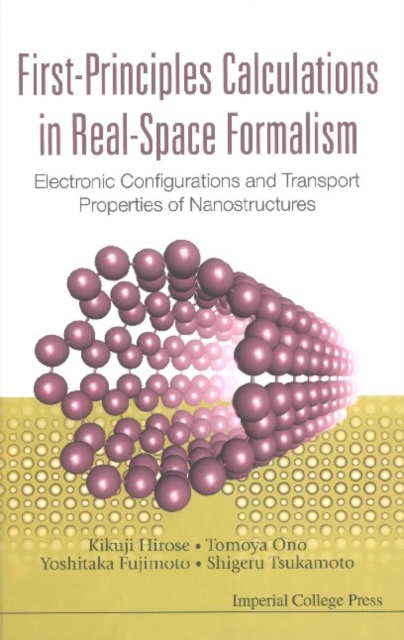
With cutting-edge materials and minute electronic devices being produced by the latest nanoscale fabrication technology, it is essential for scientists and engineers to rely on first-principles (ab initio) calculation methods to fully understand the electronic configurations and transport properties of nanostructures.
This unique book describes the science and technology of silicon carbide (SiC) microelectromechanical systems (MEMS), from the creation of SiC material to the formation of final system, through various expert contributions by several leading key figures in the field.
Nano is Greek for dwarf and the word nanotechnology 'was first proposed in the early seventies by a Japanese engineer, Norio Taniguchi, implying a new technology that went beyond controlling materials and engineering on the micrometer scale that dominated the 20th Century'.
Environmental analysis techniques have advanced due to the use of nanotechnologies in improving the detection sensitivity and miniaturization of the devices in analytical procedures.
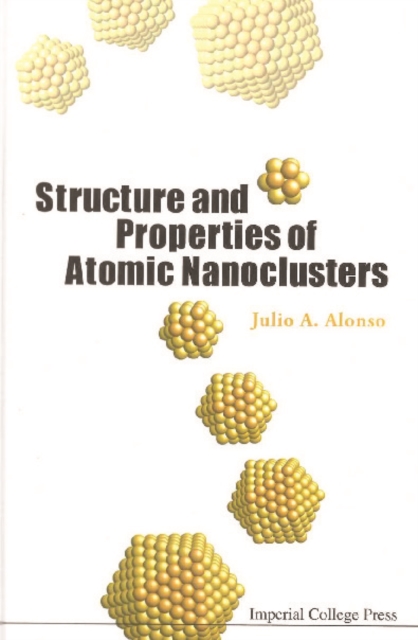
Metal nanoclusters, which bridge metal atoms and nanocrystals, are gaining attention due to their unique chemical and physical properties which differ greatly from their corresponding large nanoparticles and molecular compounds.
Discussing the state of the art research in particle science and technology and their roles in the environment, this book will contain a selection of high quality papers from the UK-China International Particle Technology Forum IV held in Shanghai.
Polymer-clay nanocomposites have flame-retardant, antimicrobial, anticorrosion and self-healing properties, they are biocompatible and environmentally benign.
Understanding the chemistry behind works of art and heritage materials presents an opportunity to apply scientific techniques to their conservation and restoration.
Chemically-modified carbon nanotubes (CNTs) exhibit a wide range of physical and chemical properties which makes them an attractive starting material for the preparation of super-strong and highly-conductive fibres and films.
Semiconductor nanowires were initially discovered in late 90's and since then there has been an explosion in the research of their synthesis and understanding of their structures, growth mechanisms and properties.