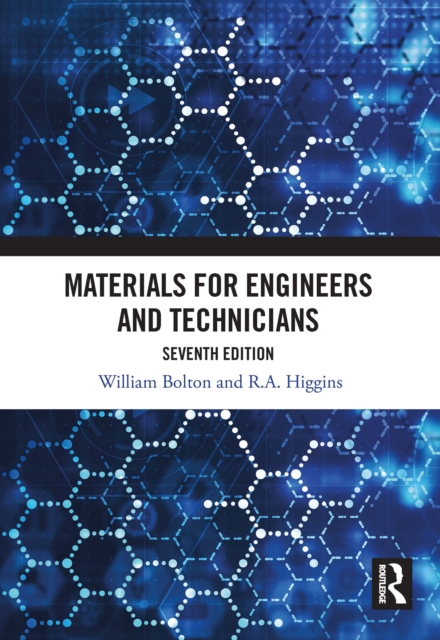
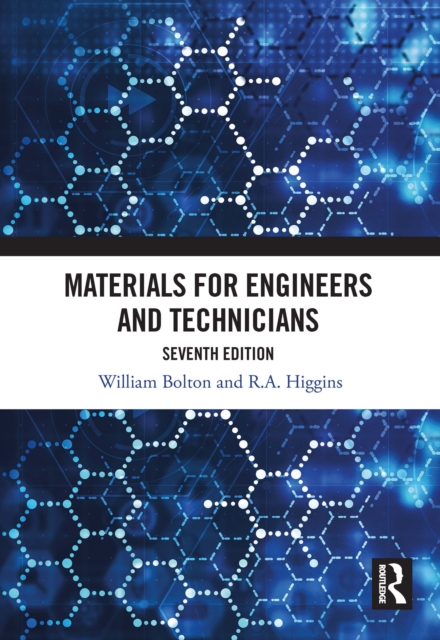
For over forty years, Materials for Engineers and Technicians has given thousands of students an easily accessible introduction to materials engineering and manufacturing processes.
For over forty years, Materials for Engineers and Technicians has given thousands of students an easily accessible introduction to materials engineering and manufacturing processes.
We create technology enabling us to do things never before possible and it ultimately changes the way we live, work, play, and interact with each other.
As more employees work non-routine hours, often in critical safety and security positions, recognizing and reducing stress and the human error it causes is more important than ever.
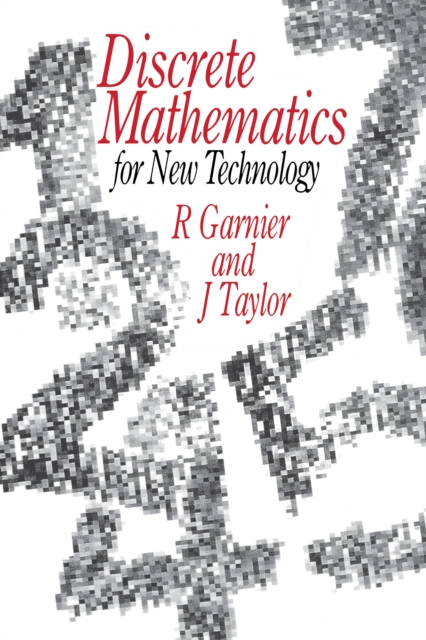
In a comprehensive yet easy-to-follow manner, Discrete Mathematics for New Technology follows the progression from the basic mathematical concepts covered by the GCSE in the UK and by high-school algebra in the USA to the more sophisticated mathematical concepts examined in the latter stages of the book.
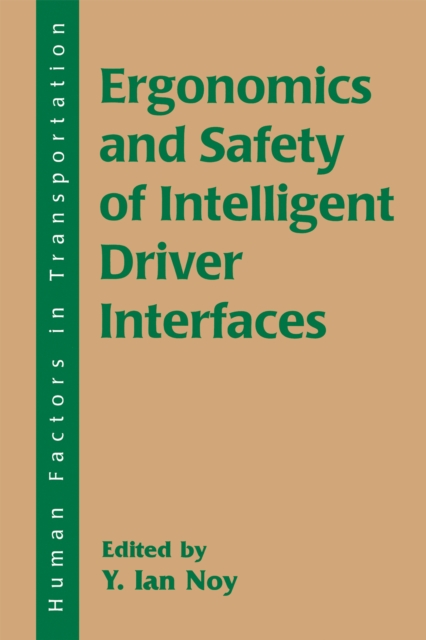
Even to the casual observer of the automotive industry, it is clear that driving in the 21st century will be radically different from driving as we know it today.
This volume aims to review some of the recent developments and trends that seem especially relevant to any attempt to understand near-term-future possibilities; to consider what a variety of knowledgeable people are saying about changes and developments that could occur; and to relate the possibilities to needs and opportunities for human factors research.
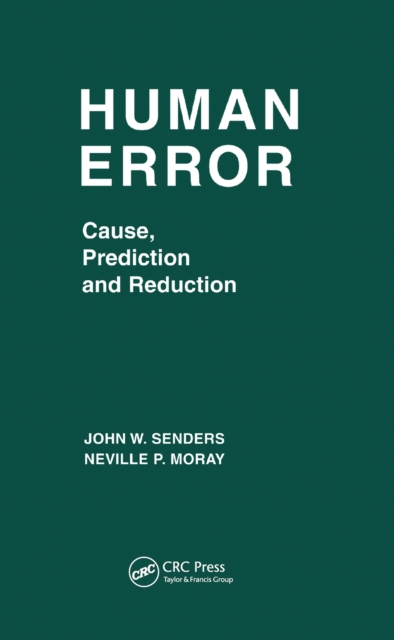
This volume examines the nature of human error -- its causes and origins, its classifications, and the extent to which it is possible to predict and prevent errors and their impact.
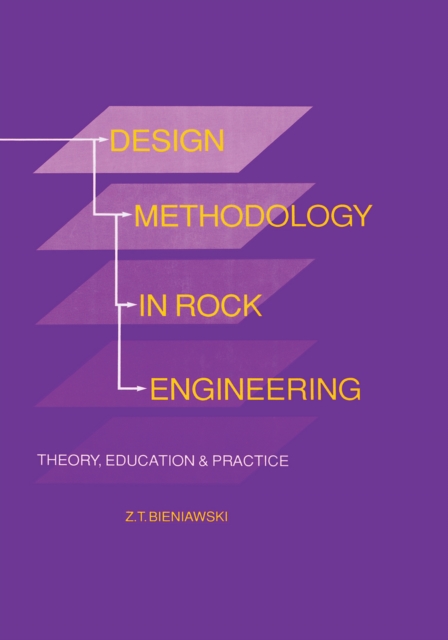
The first comprehensive treatment of the subject of design methodology in rock engineering, this book emphasizes that a good designer needs not only knowledge for designing (technical knowledge) but also must have knowledge about designing (an appropriate process to follow).
In a comprehensive yet easy-to-follow manner, Discrete Mathematics for New Technology follows the progression from the basic mathematical concepts covered by the GCSE in the UK and by high-school algebra in the USA to the more sophisticated mathematical concepts examined in the latter stages of the book.
Even to the casual observer of the automotive industry, it is clear that driving in the 21st century will be radically different from driving as we know it today.
This volume aims to review some of the recent developments and trends that seem especially relevant to any attempt to understand near-term-future possibilities; to consider what a variety of knowledgeable people are saying about changes and developments that could occur; and to relate the possibilities to needs and opportunities for human factors research.
This volume examines the nature of human error -- its causes and origins, its classifications, and the extent to which it is possible to predict and prevent errors and their impact.
The first comprehensive treatment of the subject of design methodology in rock engineering, this book emphasizes that a good designer needs not only knowledge for designing (technical knowledge) but also must have knowledge about designing (an appropriate process to follow).
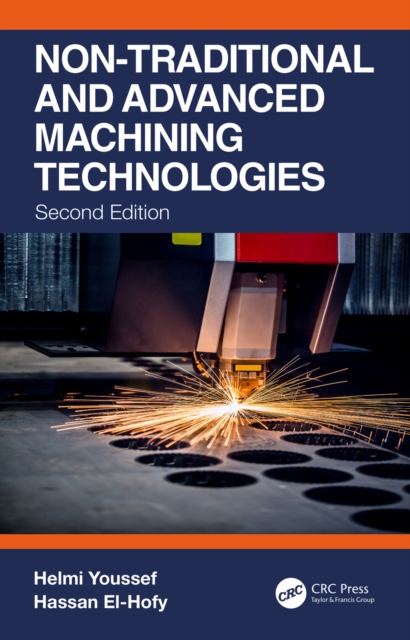
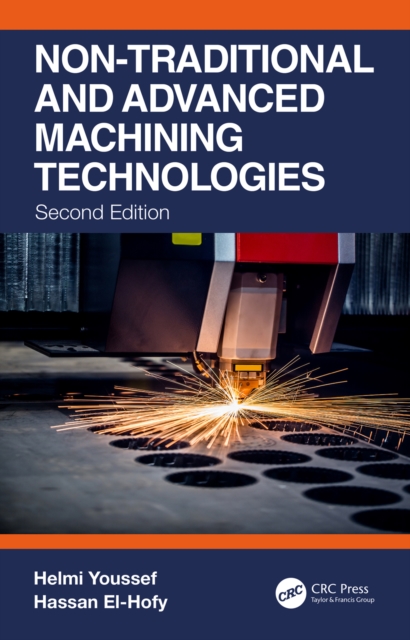
Non-Traditional and Advanced Machining Technologies covers the technologies, machine tools, and operations of non-traditional machining processes and assisted machining technologies.
Non-Traditional and Advanced Machining Technologies covers the technologies, machine tools, and operations of non-traditional machining processes and assisted machining technologies.
In an era of profound environmental and geopolitical uncertainty, Designing through Planetary Breakdown offers fresh perspectives on design's evolving role in the face of planetary change.
This volume, Temperate Fruits: Production, Processing, and Marketing, presents the latest pomological research on the production, postharvest handling, processing and storage, and information on marketing for a selection of temperate fruits.
Vibration Problems in Machines explains how to infer information about the internal operations of rotating machines from external measurements through methods used to resolve practical plant problems.
Vibration Problems in Machines explains how to infer information about the internal operations of rotating machines from external measurements through methods used to resolve practical plant problems.
To meet the needs of today, engineered products and systems are an important element of the world economy, and each year billions of dollars are spent to develop, manufacture, operate, and maintain various types of products and systems around the globe.
To meet the needs of today, engineered products and systems are an important element of the world economy, and each year billions of dollars are spent to develop, manufacture, operate, and maintain various types of products and systems around the globe.
Air safety is right now at a point where the chances of being killed in an aviation accident are far lower than the chances to winning a jackpot in any of the major lotteries.
Air safety is right now at a point where the chances of being killed in an aviation accident are far lower than the chances to winning a jackpot in any of the major lotteries.
This book provides a critical examination of structure and form in design, covering a range of topics of great value to students and practitioners engaged in any of the specialist decorative arts and design disciplines.
All in Good Time is the remarkable story of George Daniels (1926-2011), the master craftsman, who was born into poverty but raised himself to become the greatest watchmaker of the twentieth century.
Engineering Design, Planning and Management covers engineering design methodology with an interdisciplinary approach, concise discussions, and a visual format.
Despite the apparently distinct differences between the disciplines of ergonomics and rehabilitation, they deal with the same issues, although at different ends of the spectrum.
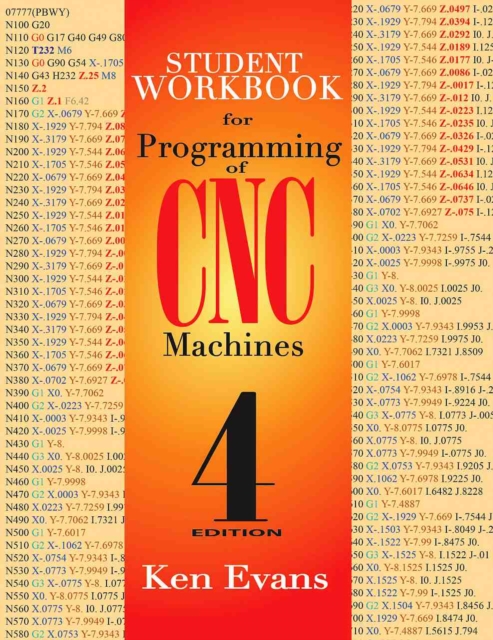
Written by an author with many years of experience teaching CNC machining, this workbook is the perfect complement to Programming of CNC Machines, 4thedition.
Written in a simple, easy-to-understand language by a skilled programmer with many years of experience teaching CNC machining to industry and in the classroom, this new edition offers a new chapter on feature-based Machining using Siemens, plus a new chapter featuring Fanuc NC guide I programming.
Written in a simple, easy-to-understand language by a skilled programmer with many years of experience teaching CNC machining to industry and in the classroom, this new edition offers a new chapter on feature-based Machining using Siemens, plus a new chapter featuring Fanuc NC guide I programming.