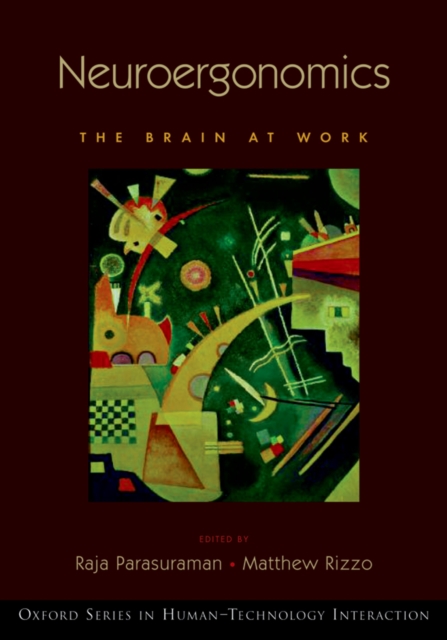
The aim of this book is to provide "e;human engineering"e; for workplaces, tools, machinery, computers, shift work, lighting, sound, climate, work demands, offices, vehicles, healthcare, and the home - and everything else that we can produce - to suit the human body and mind.
John Maeda is one of the world's preeminent thinkers on technology and design, and in How to Speak Machine, he offers a set of simple laws that govern not only the computers of today, but the unimaginable machines of the future.
The mid-twentieth-century marketing world influenced nearly every aspect of American culture-music, literature, politics, economics, consumerism, race relations, gender, and more.
Designing engineering products - technical systems and/or transformation processes - requires a range of information, know-how, experience, and engineering analysis, to find an optimal solution.
The broad and developing scope of ergonomics - the application of scientific knowledge to improve people's interaction with products, systems and environments - has been illustrated for 25 years by the books which make up the Contemporary Ergonomics series.
Providing guidance on a broad range of issues for young children and adolescents, Ergonomics for Children: Designing Products and Places for Toddlers to Teens give you a deep understanding of how children develop and how these developmental changes can influence the design of products and places for children.
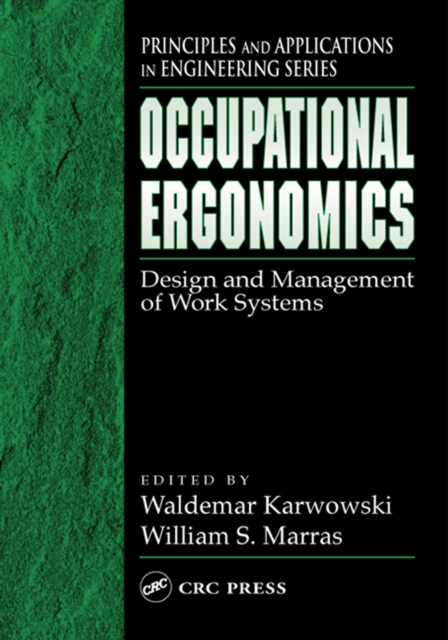
Occupational Ergonomics: Design and Management of Work Systems comprises chapters carefully selected from CRC's bestselling Occupational Ergonomics Handbook, logically organized for optimum convenience and thoughtfully priced to fit every budget.
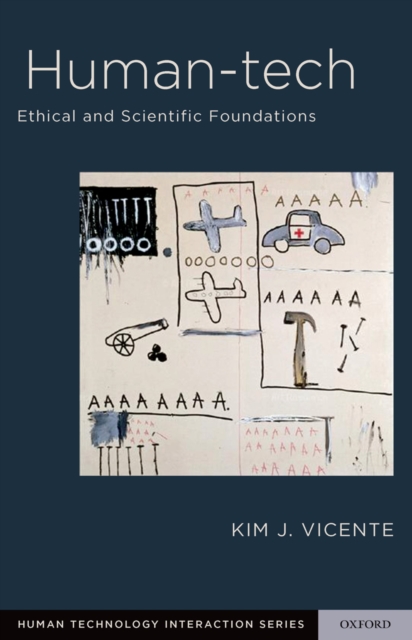
In The Human Factor, Kim Vicente coined the term 'Human-tech' to describe a more encompassing and ambitious approach to the study of Human-Technology Interaction (HTI) than is now evident in any of its participating disciplines, such as human factors, human-computer interaction, cognitive science and engineering, industrial design, informatics or applied psychology.
Once a sleeping giant, China today is the world's fastest growing economy--the leading manufacturer of cell phones, laptop computers, and digital cameras--a dramatic turn-around that alarms many Westerners.
This sweeping introduction to the science of virtual environment technology masterfully integrates research and practical applications culled from a range of disciplines, including psychology, engineering, and computer science.
Written with students of aerospace or aeronautical engineering firmly in mind, this is a practical and wide-ranging book that draws together the various theoretical elements of aircraft design - structures, aerodynamics, propulsion, control and others - and guides the reader in applying them in practice.
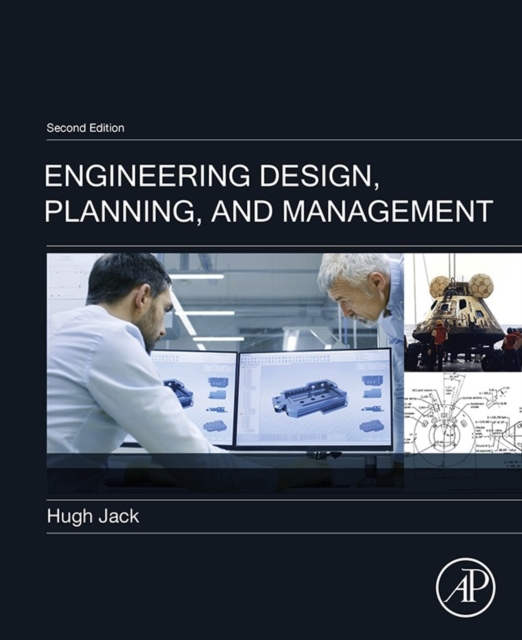
Engineering Design, Planning and Management, Second Edition represents a compilation of essential resources, methods, materials and knowledge developed by the author and used over two decades.
Discrete Networked Dynamic Systems: Analysis and Performance provides a high-level treatment of a general class of linear discrete-time dynamic systems interconnected over an information network, exchanging relative state measurements or output measurements.
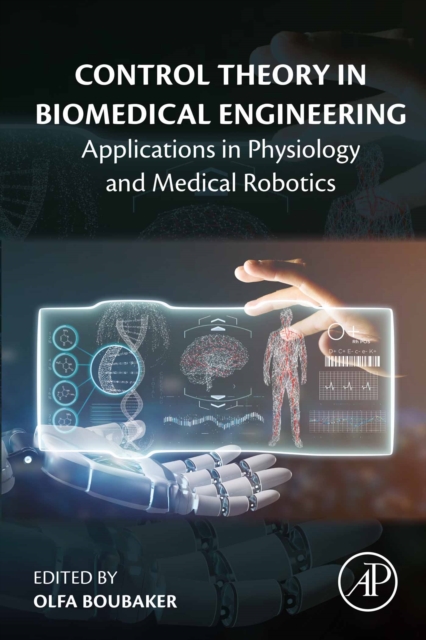
Control Theory in Biomedical Engineering: Applications in Physiology and Medical Robotics highlights the importance of control theory and feedback control in our lives and explains how this theory is central to future medical developments.
This book is a compilation of scientific articles written by recognized researchers, and select students, participating in the Second Conference on the Study of Complex Systems and their Applications (EDIESCA 2021).
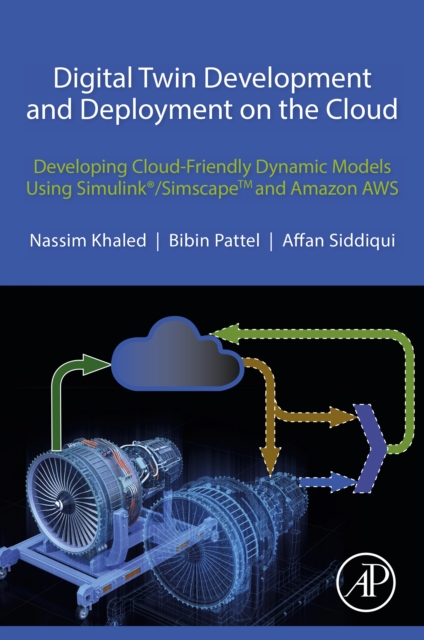
Digital Twin Development and Deployment in the Cloud: Developing Cloud-Friendly Dynamic Models Using Simulink(R)/SimscapeTM and Amazon AWS promotes a physics-based approach to the field of digital twins.
This book introduces Mechanistic Data Science (MDS) as a structured methodology for combining data science tools with mathematical scientific principles (i.
This book contains the papers presented at the XXX International Congress INGEGRAF, "e;Digital Engineering, its application in Research, Development and Innovation"e;, held on 24-25 June 2021 in Valencia, Spain.
This book examines the ethical responsibilities of engineers and scientists in light of new advances in science with a distinct reflection on quantum mechanics.
This book gives Abaqus users who make use of finite-element models in academic or practitioner-based research the in-depth program knowledge that allows them to debug a structural analysis model.
This book illustrates key sustainability issues in global textile and fashion value chains, by examining individual types of fibers either at a single step in or along the entire value chain.
This book introduces the engineering application of the discrete element method (DEM), especially the simulation analysis of the typical equipment (scraper conveyor, coal silos, subsoiler) in the coal and agricultural machinery.
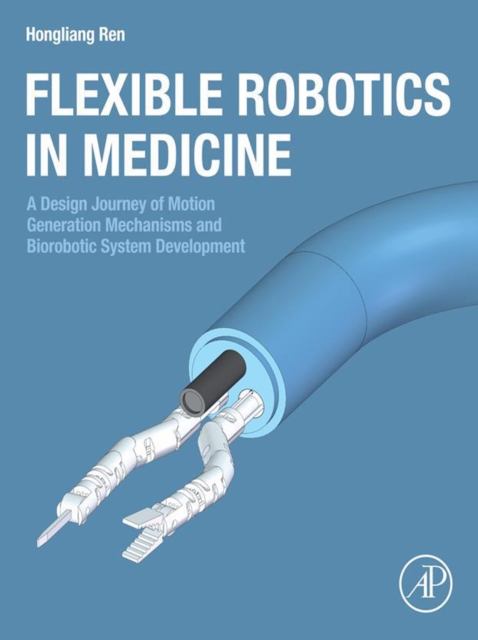
Flexible Robotics in Medicine: A Design Journey of Motion Generation Mechanisms and Biorobotic System Development provides a resource of knowledge and successful prototypes regarding flexible robots in medicine.
This book introduces a stability and control methodology named AeroMech, capable of sizing the primary control effectors of fixed wing subsonic to hypersonic designs of conventional and unconventional configuration layout.
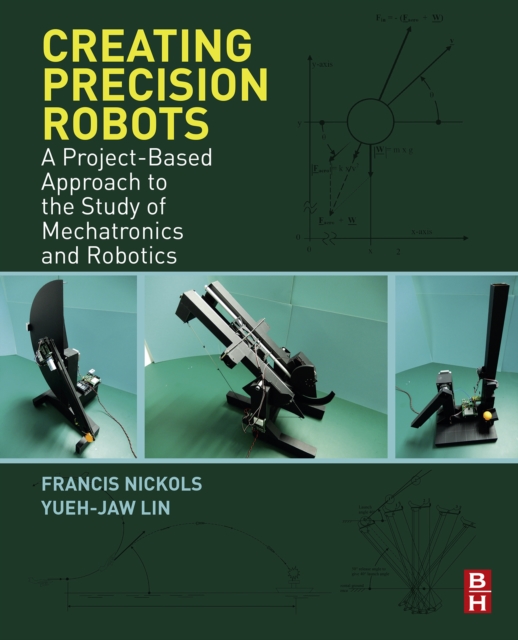
Creating Precision Robots: A Project-Based Approach to the Study of Mechatronics and Robotics shows how to use a new "e;Cardboard Engineering technique for the handmade construction of three precision microcomputer controlled robots that hit, throw and shoot.
This invaluable text/reference reviews the state of the art in simulation-based approaches across a wide range of different disciplines, and provides evidence of using simulation-based approaches to advance these disciplines.