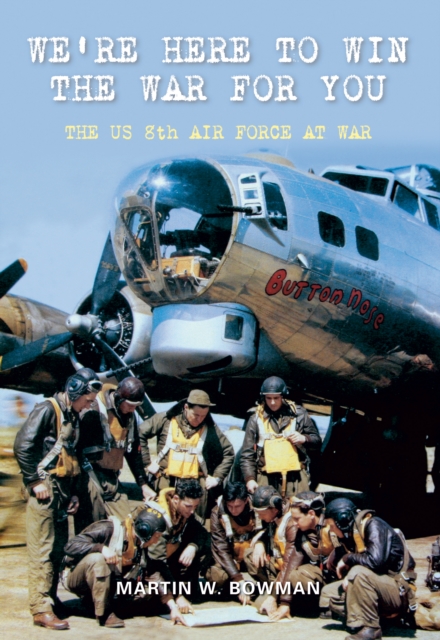
Asked why he was in Britain, a US serviceman, fighting the war in the skies over Germany with the US 8th Air Force quipped, 'We're here to win the war for you'.
Geoffrey's memoir opens in May 1940, when he was eighteen years old and his grammar school in Kent was being evacuated to Staffordshire, away from the danger of German invasion.
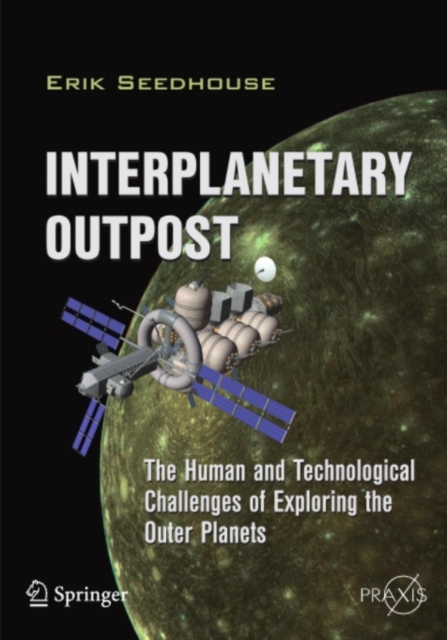
"e;Interplanetary Outpost"e; follows the mission architecture template of NASA's plan for Human Outer Planet Exploration (HOPE), which envisions sending a crew to the moon Callisto to conduct exploration and sample return activities.
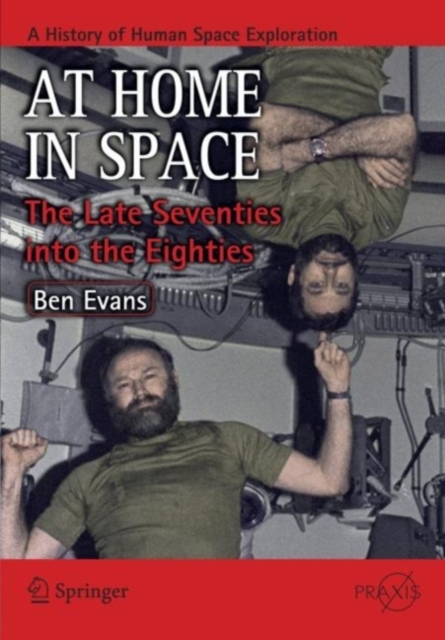
This volume, like the others, not only focuses upon the individual missions within the decade but also upon key challenges facing human space exploration at specific points within those years - from the problems of simply breathing and eating in space to the challenges of venturing outside in a pressurized spacesuit, the development of newer and better space toilets, and the difficulties of locomotion on the Moon.
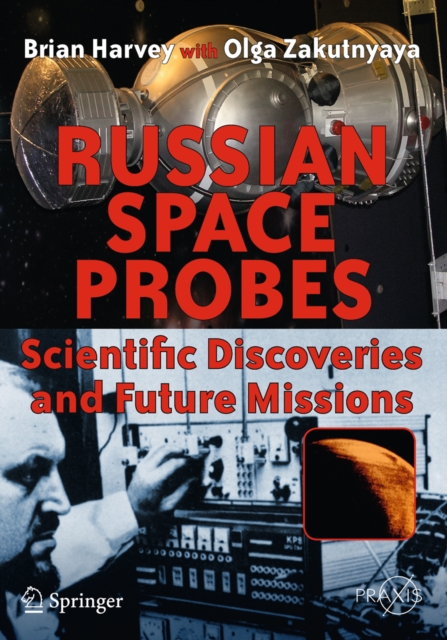
Brian Harvey recounts for the first time the definitive history of scientific Russian space probes and the knowledge they acquired of the Earth, its environment, the Moon, Mars and Venus.
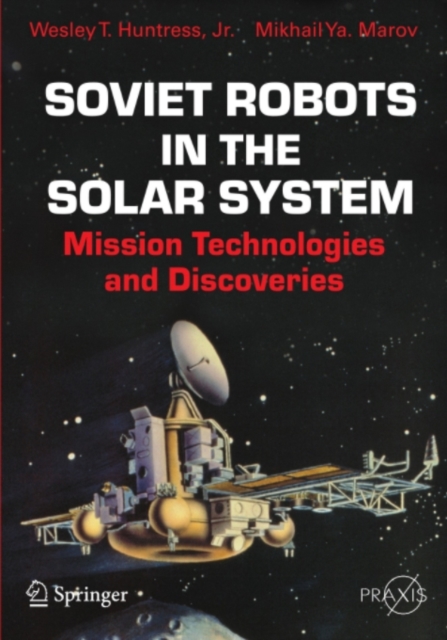
Soviet Robots in the Solar System provides a history of the Soviet robotic lunar and planetary exploration program from its inception, with the attempted launch of a lunar impactor on September 23, 1958, to the last launch in the Russian national scientific space program in the 20th Century, Mars 96, on November 16, 1996.
"e;Fault Detection and Isolation: Multi-Vehicle Unmanned System"e; deals with the design and development of fault detection and isolation algorithms for unmanned vehicles such as spacecraft, aerial drones and other related vehicles.
Ever since the Montgolfier's hot air balloon carried a chicken, a goat, and a duck into the Parisian skies, scientists have dreamed of contraptions to explore the atmosphere.
Grappling with Gravity explores the physiological changes that will occur in humans and the plants and animals that accompany humans as we move to new worlds, be it to colony in the emptiness of space or settlements on the Moon, Mars, or other moons or planets.
Foothold in the Heavens, the second volume in the A History of Human Space Exploration series, focuses upon the 1970s, the decade in which humanity established real, longterm foothold in the heavens with the construction and operation of the first space stations.
Predictive Modeling of Dynamic Processes provides an overview of hydrocode technology, applicable to a variety of industries and areas of engineering design.
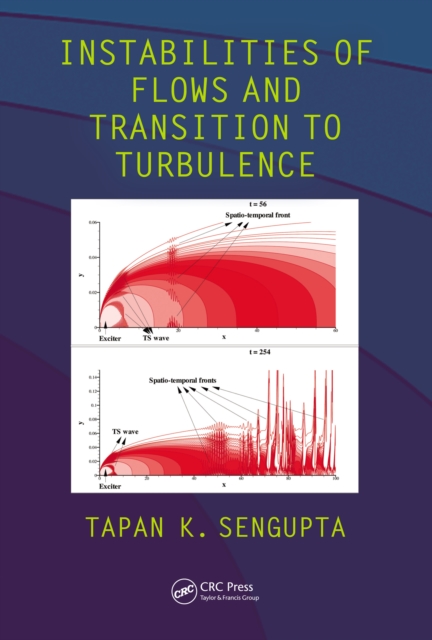
This book covers material ranging from classical hydrodynamic instability to contemporary research areas, including bluff body flow instability and mixed convection flows.
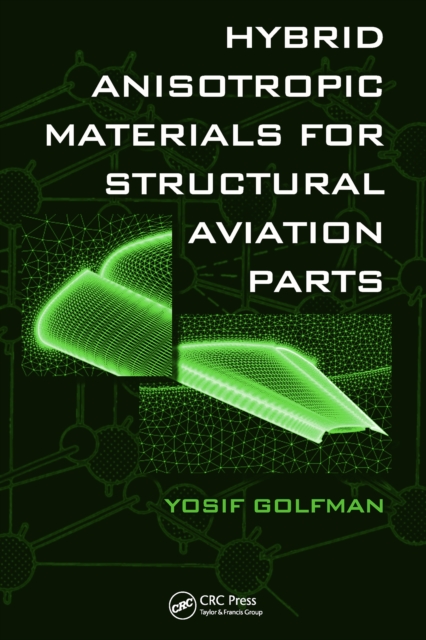
Optimization of aviation and space vehicle design requires accurate assessment of the dynamic stability and general properties of hybrid materials used in aviation parts.
More and more, the advanced technological systems of today rely on sophisticated control systems designed to assure greater levels of safe operation while optimizing performance.
The chapters in the book come from an international group of authors with diverse backgrounds including ergonomics, psychology, architecture, computer science, engineering, and sociology.
Despite generations of change and recent, rapid developments in gas dynamics and hypersonic theory, relevant literature has yet to catch up, so those in the field are generally forced to rely on dated monographs to make educated decisions that reflect present-day science.
Of the billions of dollars spent on plant management and operation annually, an estimated 80% of the total amount is spent to rectify the chronic failure of systems, machines, and humans.
Hailed on first publication as a compendium of foundational principles and cutting-edge research, The Human-Computer Interaction Handbook has become the gold standard reference in this field.
The rapid evolution of technical capabilities in the systems engineering (SE) community requires constant clarification of how to answer the following questions: What is Systems Architecture?
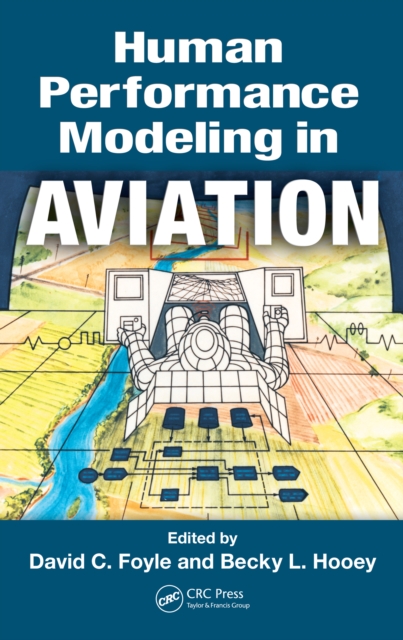
Based on the research activities of the six-year NASA human performance modeling project, Human Performance Modeling in Aviation provides an in-depth look at cognitive modeling of human operators for aviation problems.
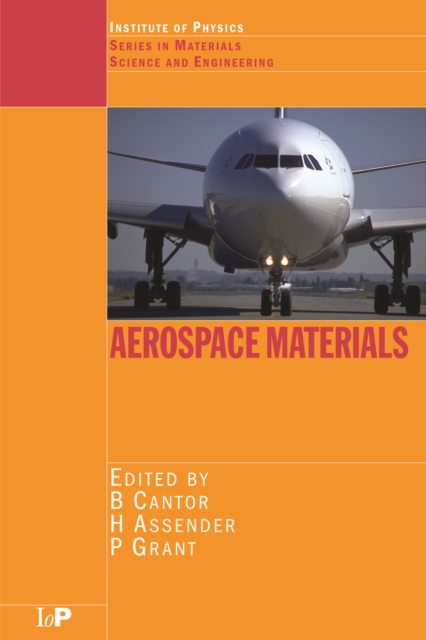
Aerospace Materials provides a grounding in state-of-the-art aerospace materials technology, including developments in aluminum, titanium, and nickel alloys, as well as polymers and polymer composites.
1996 was the worst year in avaiation historyI redesigned all aircraft in 19961997-today are the safest years in aviation historyMy aircraft innovation that caused this crash reduction was submitted through the US Congress in early 1996.
Although cognitive engineering has gained widespread acceptance as one of the most promising approaches to addressing and preventing difficulties with human-machine coordination and collaboration, it still meets with considerable skepticism and resistance in some of the industries that could benefit from its insights and recommendations.
'More action and hair-raising stunts than you'll find in four Bond movies' EVENING TELEGRAPH'Thrilling, action-packed adventure' GUARDIANDISCOVER THIS WILDLY-ENTERTAINING, GLOBE-TROTTING ADVENTURE FROM INTERNATIONAL BESTSELLER MATTHEW REILLY* * * * *What if the greatest lost cities of legend are still out there.