Las tecnologias del habitar han sido parte integral de la vida en la Tierra, configurando un vasto y diverso repertorio de conocimientos basados en experiencias.
Originally published in 1993, as part of the Ethnoscapes: Current Challenges in the Environmental Social Sciences series, reissued now with a new series introduction, Housing: Design, Research and Education, demonstrated some of the diversity and richness of the research being undertaken in housing at time, which took as its starting point peoples' notion of home and the way in which a sense of home is captured distilled and expressed through various facets of design, and conversely the urgent need for architects and planners to take seriously the everyday scale and scope of peoples' home experience.
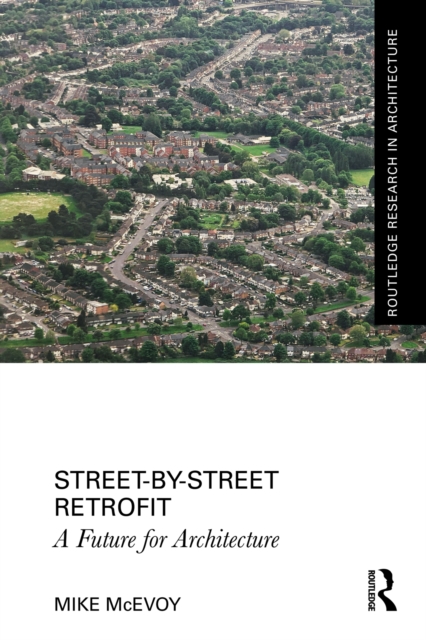
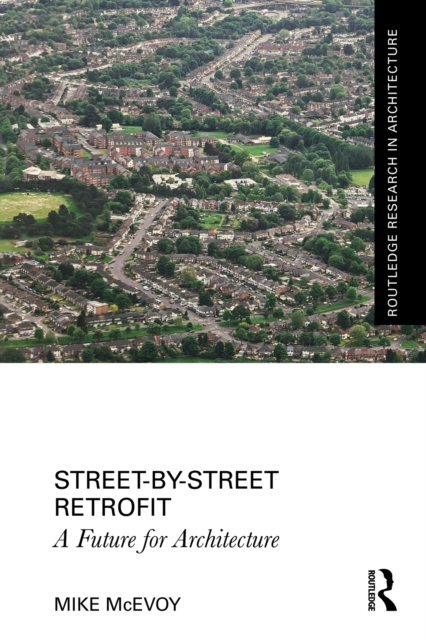
For many years, it has been recognised that improving the energy performance of the existing housing stock is vital if energy demand is to be reduced to combat climate change.
Originally published in 1993, as part of the Ethnoscapes: Current Challenges in the Environmental Social Sciences series, reissued now with a new series introduction, Placemaking: Production of Built Environment in Two Cultures is a book about the context of placemaking - the production of vernacular architecture and settlement.
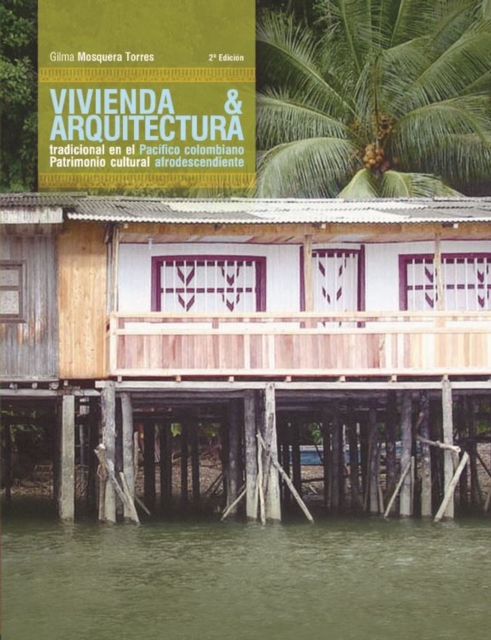
Este trabajo, fruto del proyecto "Reconocimiento de los valores culturales de los afrodescendientes del Pacífico Colombiano y fortalecimiento de su identidad" pretende como objetivos generales el rescate, valoración y difusión del patrimonio urbano y arquitectónico de la región del Pacífico colombiano, el cual incluye desde la vivienda y su arquitectura hasta los modelos urbanos y los componentes del ordenamiento territorial que son específicos del Litoral Pacífico.
Originally published in 1993, as part of the Ethnoscapes: Current Challenges in the Environmental Social Sciences series, reissued now with a new series introduction, Housing: Design, Research and Education, demonstrated some of the diversity and richness of the research being undertaken in housing at time, which took as its starting point peoples' notion of home and the way in which a sense of home is captured distilled and expressed through various facets of design, and conversely the urgent need for architects and planners to take seriously the everyday scale and scope of peoples' home experience.
This is the first book to critically and visually explore the spatial practices of refuge in response to conditions of war, violence, and displacement experienced in Iraq from 2003 to 2023.
Originally published in 1993, as part of the Ethnoscapes: Current Challenges in the Environmental Social Sciences series, reissued now with a new series introduction, Placemaking: Production of Built Environment in Two Cultures is a book about the context of placemaking - the production of vernacular architecture and settlement.
For many years, it has been recognised that improving the energy performance of the existing housing stock is vital if energy demand is to be reduced to combat climate change.
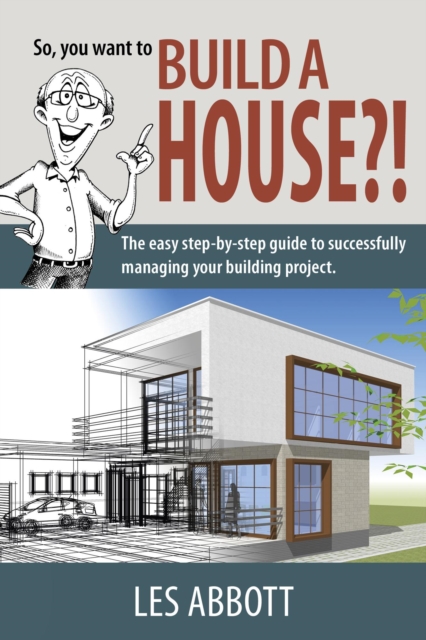
Humorvoll, selbstironisch und leise verzweifelnd erzählt Zeit-Autor Matthias Kalle vom Wahnsinn und dem großen Glück, das einer erleben kann, der sich tatsächlich dazu entscheidet, ein Haus zu bauen: vom aufkeimenden Wunsch nach dem Eigenheim über die Standortsuche bis hin zu den subtilen Kämpfen, die man sich mit dem Bauleiter liefert.
First published in 1961, The English Farmhouse and Cottage brings together the evidence collected by those who have studied vanished buildings by excavation, and also examined surviving houses with a gentler instrument, the measuring tape.
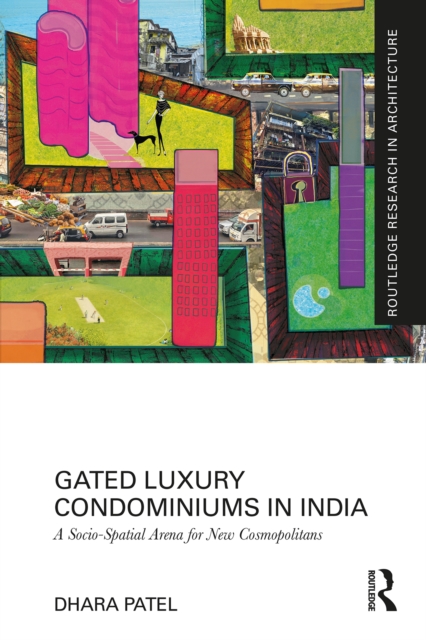
Gated Luxury Condominiums in India: A Socio-Spatial Arena for New Cosmopolitans critically examines gated luxury condominiums in contemporary India, exploring their role in shaping elite power and identity within the framework of neoliberalism.
Gated Luxury Condominiums in India: A Socio-Spatial Arena for New Cosmopolitans critically examines gated luxury condominiums in contemporary India, exploring their role in shaping elite power and identity within the framework of neoliberalism.
First published in 1961, The English Farmhouse and Cottage brings together the evidence collected by those who have studied vanished buildings by excavation, and also examined surviving houses with a gentler instrument, the measuring tape.
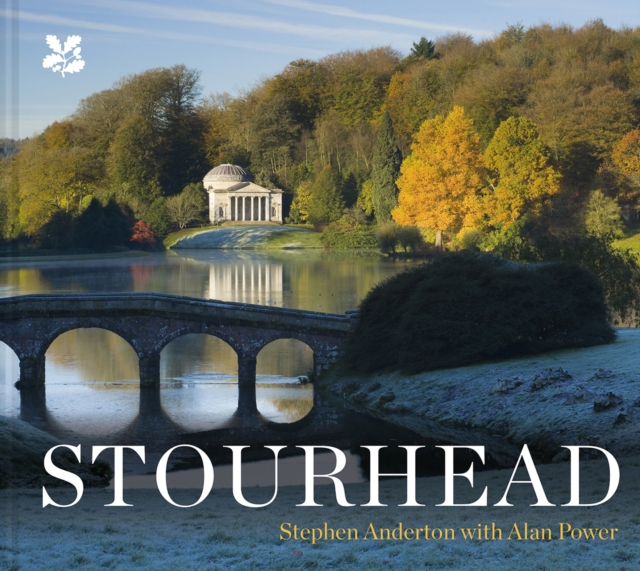
A beautifully illustrated celebration of Stourhead, featuring the legendary Georgian landscape garden in glorious autumn colour with essays by head gardener Alan Power.
In the densely populated urban areas of Japan, small houses with unusual spatial concepts and surprising layout solutions are emerging on narrow strips of land that would normally be considered unsuitable for home construction.
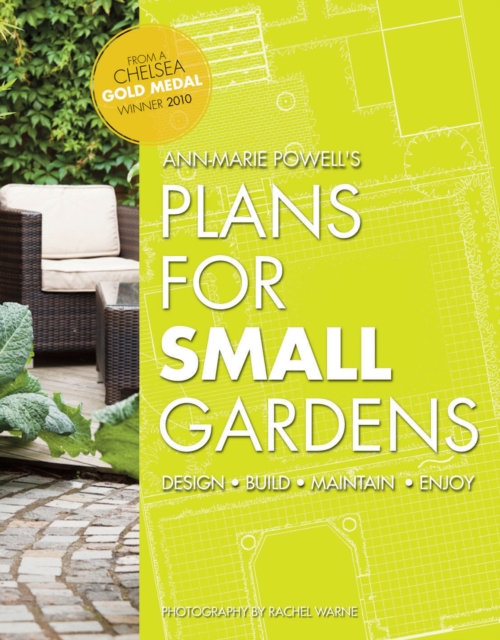
You see a wonderful garden on TV, at the Chelsea flower show, or at your neighbours' house, but how do you go about recreating it in your own back yard?
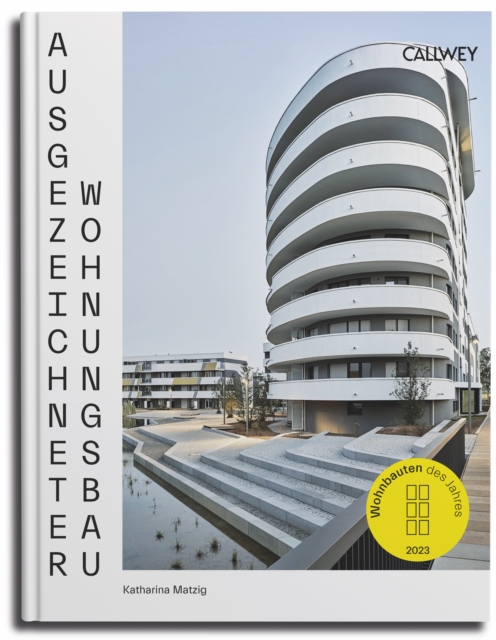
DER AWARD "WOHNBAUTEN DES JAHRES" IM CALLWEY VERLAG IST DIE EINZIGE AUSZEICHNUNG IM BEREICH GESCHOSSWOHNUNGSBAU, DIE BAUHERREN UND ARCHITEKTEN GEMEINSAM AUSZEICHNET.