The Death of Drawing explores the causes and effects of the epochal shift from drawing to computation as the chief design and communication medium in architecture.
The Death of Drawing explores the causes and effects of the epochal shift from drawing to computation as the chief design and communication medium in architecture.
Written by a team of renowned contributors and carefully edited to address the themes laid out by the editors in their introduction, the book includes theoretical issues concerning the questions of aesthetics and politics and addresses city and urban strategies within the general critique of the "e;post-political"e;.
Written by a team of renowned contributors and carefully edited to address the themes laid out by the editors in their introduction, the book includes theoretical issues concerning the questions of aesthetics and politics and addresses city and urban strategies within the general critique of the "e;post-political"e;.
Architecture and the Paradox of Dissidence maps out and expands upon the methodologies of architectural action and reinvigorates the concept of dissent within the architectural field.
Architecture and the Paradox of Dissidence maps out and expands upon the methodologies of architectural action and reinvigorates the concept of dissent within the architectural field.
Interpreting Site explains the basic methods architects use to translate what you perceive to represent the complex conditions that physically and mentally "e;construe"e; a site, helping to shape the ultimate design.
Interpreting Site explains the basic methods architects use to translate what you perceive to represent the complex conditions that physically and mentally "e;construe"e; a site, helping to shape the ultimate design.
This collection of previously unpublished essays from a diverse range of well-known scholars and architects builds on the architectural tradition of phenomenological hermeneutics as developed by Dalibor Veseley and Joseph Rykwert and carried on by David Leatherbarrow, Peter Carl and Alberto Perez-Gomez.
This collection of previously unpublished essays from a diverse range of well-known scholars and architects builds on the architectural tradition of phenomenological hermeneutics as developed by Dalibor Veseley and Joseph Rykwert and carried on by David Leatherbarrow, Peter Carl and Alberto Perez-Gomez.
The pressing economic, environmental and social crises emanate the need for a redefinition of the dominant views, perspectives and values in the field of architecture.
The pressing economic, environmental and social crises emanate the need for a redefinition of the dominant views, perspectives and values in the field of architecture.
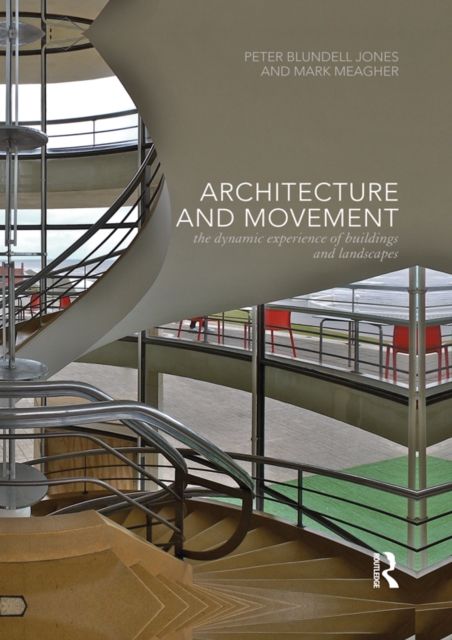
The experience of movement, of moving through buildings, cities, landscapes and in everyday life, is the only involvement most individuals have with the built environment on a daily basis.
The experience of movement, of moving through buildings, cities, landscapes and in everyday life, is the only involvement most individuals have with the built environment on a daily basis.
The aim of this book is to expose readers to architecture's pretexts that include literary narratives, film, theatre, painting, music, and ritual, as a bridge between diverse intellectual territories and architecture.
The aim of this book is to expose readers to architecture's pretexts that include literary narratives, film, theatre, painting, music, and ritual, as a bridge between diverse intellectual territories and architecture.
While the work of Henri Lefebvre has become better known in the English-speaking world since the 1991 translation of his 1974 masterpiece, The Production of Space, his influence on the actual production of architecture and the city has been less pronounced.
While the work of Henri Lefebvre has become better known in the English-speaking world since the 1991 translation of his 1974 masterpiece, The Production of Space, his influence on the actual production of architecture and the city has been less pronounced.
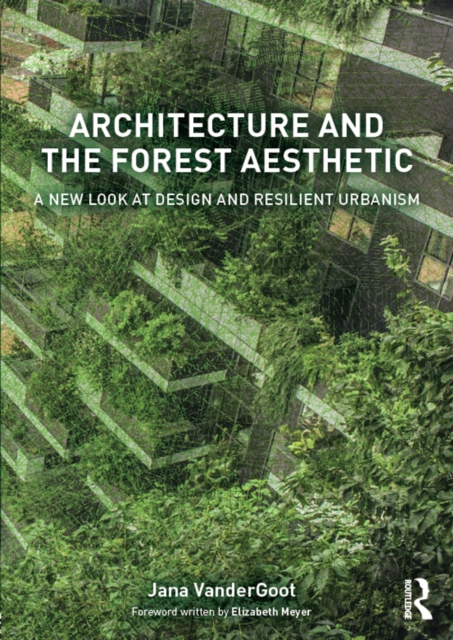
Despite population trends toward urbanization, the forest continues to have a strong appeal to the human imagination, and the human preference for forest over many other types of terrain is well documented.
Despite population trends toward urbanization, the forest continues to have a strong appeal to the human imagination, and the human preference for forest over many other types of terrain is well documented.
Providing a source of vision for the revitalisation of ground and envelope as spatial elements that can inform the search for embedded locally specific architectures, this book collects essays and projects that each contributes a particular element to what might constitute an integrated and richly nuanced approach to spatial organisation.
Providing a source of vision for the revitalisation of ground and envelope as spatial elements that can inform the search for embedded locally specific architectures, this book collects essays and projects that each contributes a particular element to what might constitute an integrated and richly nuanced approach to spatial organisation.
Modern buildings are both wasteful machines that can be made more efficient and instruments of the massive, metropolitan system engendered by the power of high-quality fuels.