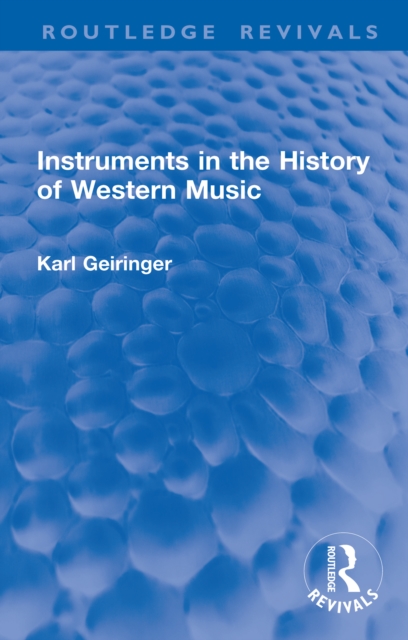
Originally published in 1943 and subsequently as a revised and enlarged edition in 1978, Musical Instruments has long been held in high regard, not only for its erudition, but for its originality of approach.
Entdecken Sie die Vielfalt und Tiefe der deutschen Kultur und IdentitätKulturelle Wurzeln und nationale Identitäten erlangen eine immer größere Bedeutung.
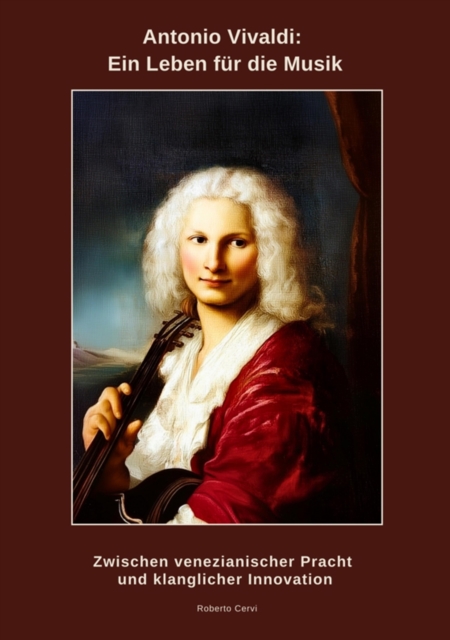
Antonio Vivaldi, bekannt als der „rote Priester“ von Venedig, war mehr als nur ein Komponist – er war ein visionärer Musiker, der die Barockmusik revolutionierte.
Sigismund von Neukomm war weit mehr als nur ein Schüler von Joseph Haydn – er war ein musikalischer Weltbürger, dessen Kompositionen von Europa bis Südamerika reichten und Kulturen miteinander verbanden.
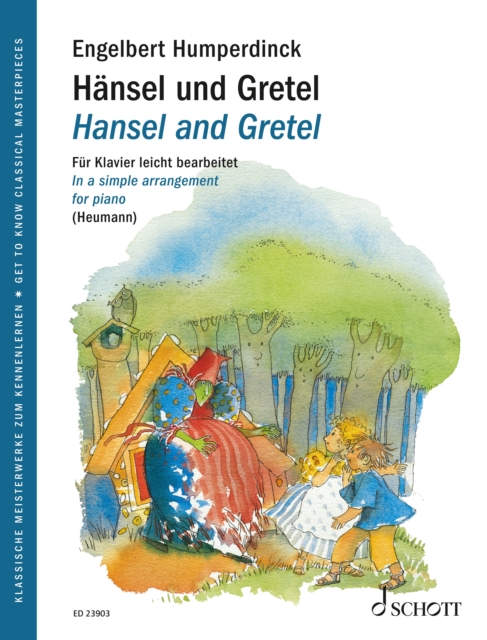
This volume presents the probably most beautiful and most popular children's opera that has ever been written, in an easy arrangement for piano, with all excerpts being in the respective original key.
This book contains sixteen essays on Venetian music in its last great period, stretching from the second half of the 17th century to the fall of the Republic in 1797.
This volume gathers together twelve essays on the composer's music, reflecting the author's interests in aesthetic and psychological issues, the sacred works, methods of structural analysis, and the problems of making critical editions.
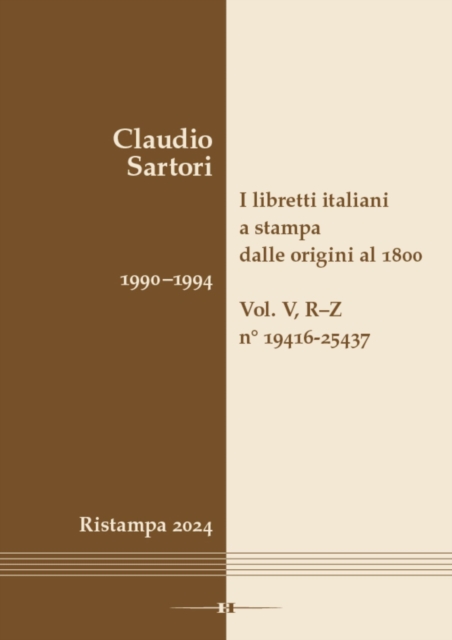
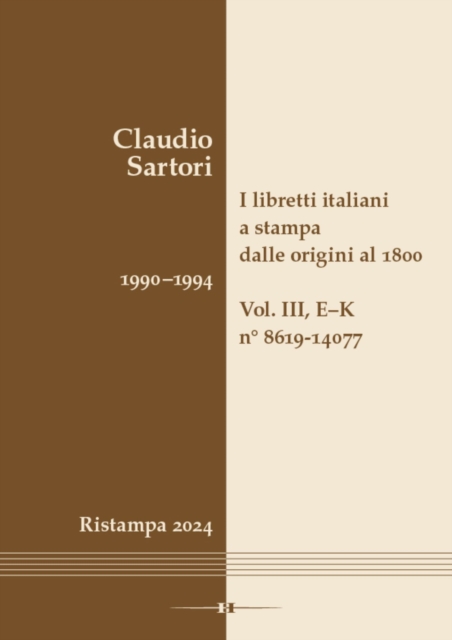
Con il catalogo I libretti italiani a stampa dalle origini al 1800, pubblicata dal 1990 al 1994 da Bertola & Locatelli a Cuneo, Claudio Sartori ha donato alla ricerca sulla storia dell'opera e dell'oratorio una base completamente nuova.
When this volume was originally published in 1954 it was the first complete history of the Bach family from the 16th Century miller Veit to Wilhelm Friedrich Ernst (1759-1845), Johann Sebastian's grandson.
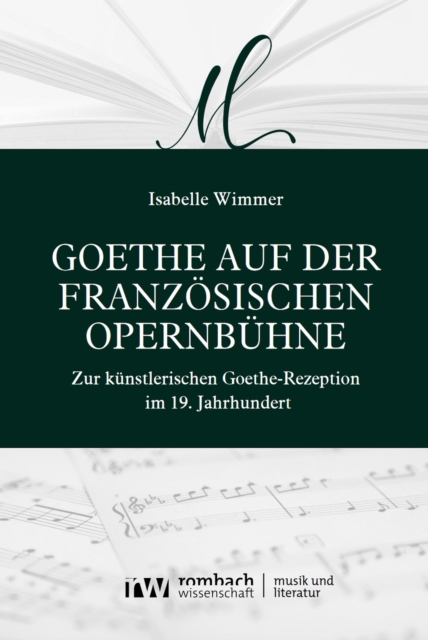
Faust, Mignon, Werther: Diese Operntitel sind nur ein Teil der Werke des französischen Musiktheaters zwischen 1830 und 1900, die auf Goethe zurückgreifen.
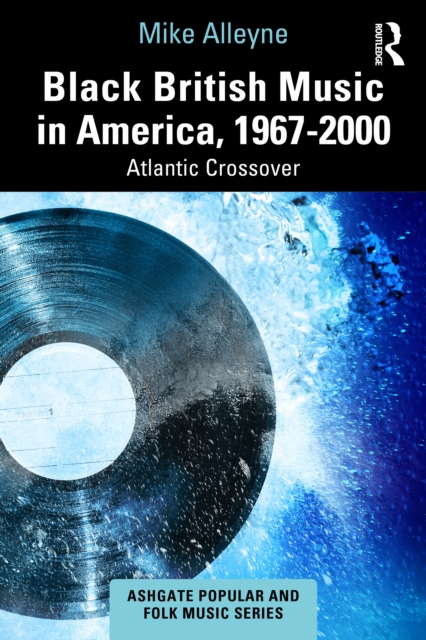
Black British Music in America 1967-2000: Atlantic Crossover historically examines musical and cultural relationships through popular music recordings, exploring the transatlantic journeys via academic, critical, and commercial reception of the music.
Originally published in 1970 this collection of essays by a renowned international musicologist is both imaginative in scope and authoritative in scholarship.
Plongez-vous dans l'histoire riche et mystérieuse des geishas avec notre dernier livre : "L'histoire des geishas au Japon - Une excursion à travers l'histoire culturelle du Japon".
Con il catalogo I libretti italiani a stampa dalle origini al 1800, pubblicata dal 1990 al 1994 da Bertola & Locatelli a Cuneo, Claudio Sartori ha donato alla ricerca sulla storia dell'opera e dell'oratorio una base completamente nuova.
Con il catalogo I libretti italiani a stampa dalle origini al 1800, pubblicata dal 1990 al 1994 da Bertola & Locatelli a Cuneo, Claudio Sartori ha donato alla ricerca sulla storia dell'opera e dell'oratorio una base completamente nuova.
Originally published in 1943 and subsequently as a revised and enlarged edition in 1978, Musical Instruments has long been held in high regard, not only for its erudition, but for its originality of approach.
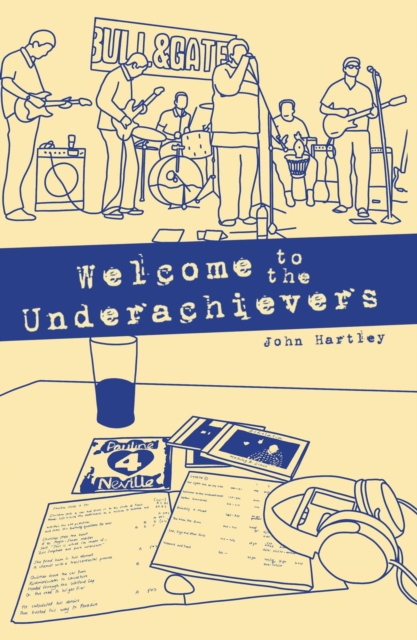
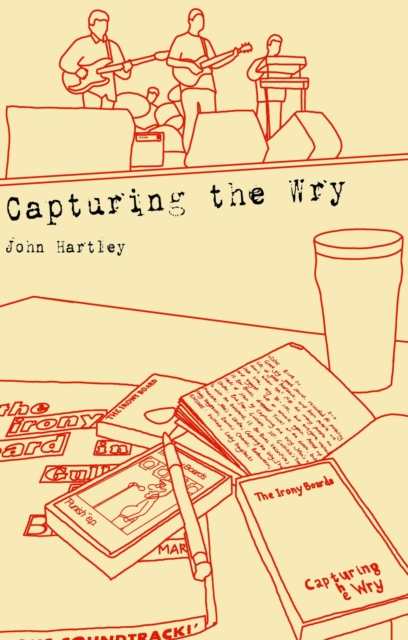
Having nearly but not quite set Bolton, Manchester, England, The World alight with his first band the Irony Board, John Hartley packed his musical alter ego Johny Nocash into a bag and travelled down the M6 to build a new life on the periphery of London.
Originally published in 1970 this collection of essays by a renowned international musicologist is both imaginative in scope and authoritative in scholarship.
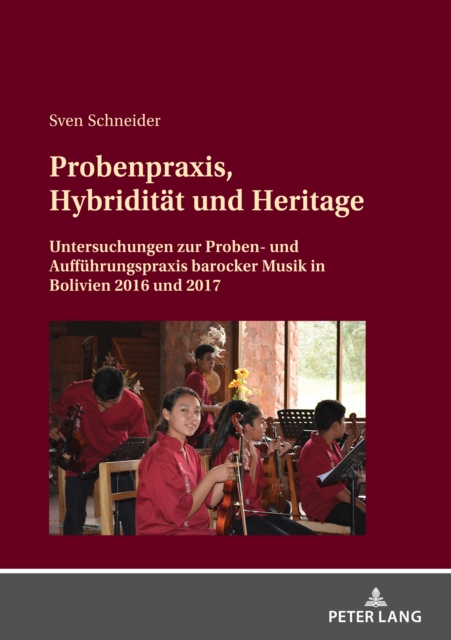
Barocke Musik – geistliche wie weltliche – wurde im Zuge der Kolonialisierung von Europäern nach Südamerika gebracht und verbreitete sich dort in verschiedenen Kontexten.
An instant Top 10 UK bestsellerShortlisted for Lifestyle & Illustrated Book of the Year at The British Book Awards 2025As seen with the QueenWith an army of social media followers and a lavish pink Mohican, Spud Man aka Ben Newman, has turned the baked potato into an artform - and he's only too happy to teach those of us who can't make the potato pilgrimage to his van the secret of a good spud.
This volume gathers together twelve essays on the composer's music, reflecting the author's interests in aesthetic and psychological issues, the sacred works, methods of structural analysis, and the problems of making critical editions.
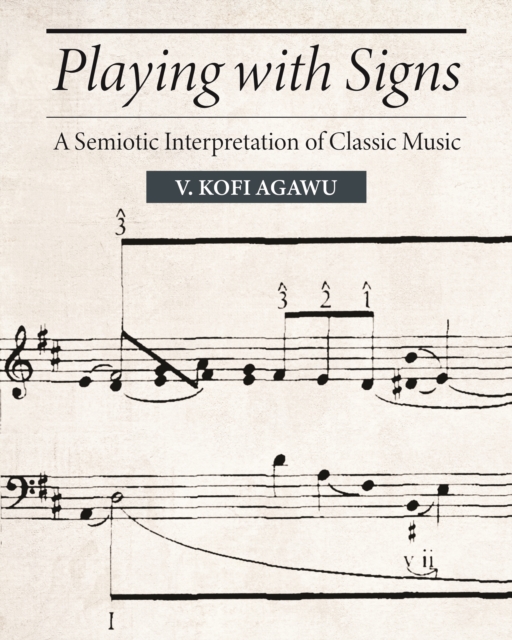
An award-winning account of the importance of semiotic play in Classic instrumental music, including that of Mozart, Haydn, and BeethovenOf all the repertories of Western Art music, none is as explicitly listener-oriented as that of the late eighteenth and early nineteenth centuries.
In this collection of essays Mary Cyr explores some of the written and unwritten performance conventions that applied to French and English music of the 17th and early 18th centuries.
Originally published in 1967, in this book the author delves deeply into the fascinating field of Bach's music and the reasons for his 'borrowing', and adaptation within his oeuvre.
Este libro propone la reflexi�n pedag�gica, el pensamiento cr�tico y la creatividad en las actividades ligadas a la educaci�n musical desde la perspectiva del �activismo�.
Between 1993 and 1995 John Hartley and his alter ego Johny Nocash led the Irony Board(s) on a journey with an intended destination of fame and fortune.
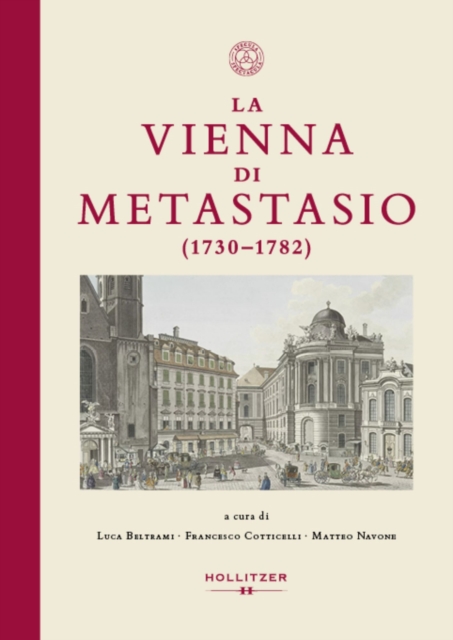
Il volume ricostruisce le reti sociali ed epistolari che Metastasio sviluppa da Vienna in dialogo con l'Europa tra il 1730, anno del suo arrivo alla corte di Carlo VI, e la morte nel 1782.
Music and the Performing Arts in the Anthropocene offers a series of thought-provoking chapters about music and the performing arts viewed from current Anthropocene-aware perspectives.