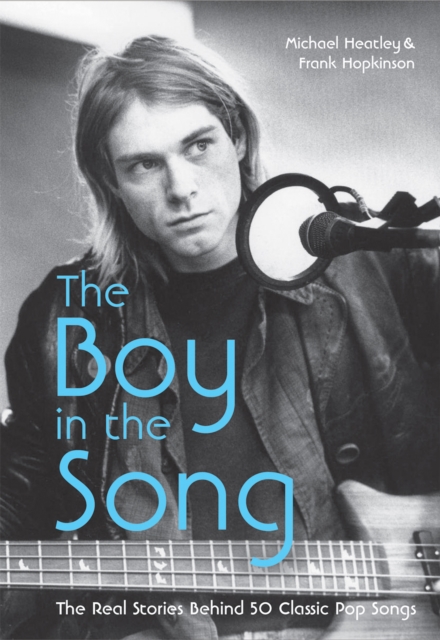
To date there has been no plotting of punk scholarship which speaks to 'time', yet there are some clear bodies of work pertaining to particular issues relevant to it, including ageing and/or the life course and punk, memory and/or nostalgia and punk, 'punk history', and archiving and punk.
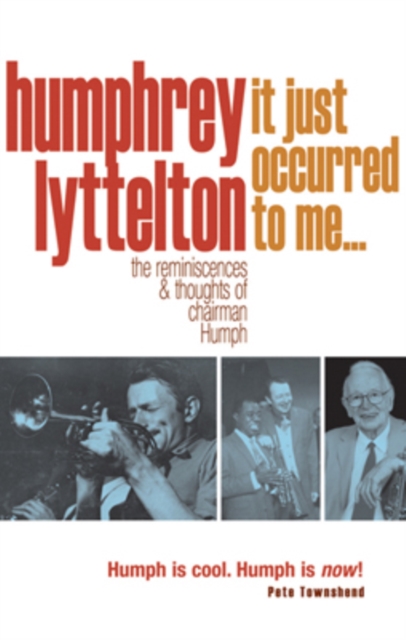
The legendary band leader and jazz trumpeter, broadcaster and humorist looks back at his extraordinarily rich and varied life and the many colourful characters he has known and played with - from Duke Ellington to Louis Armstrong.
A stunning collection of over 200 essential and influential album covers of the decadeA visual reflection of psychedelia-influenced artwork to Punk anti- design - from Pink Floyd to the Sex PistolsIndispensable purchase for the dedicated follower of music and artThe seventies are often regarded as a mean, dark and turbulent decade, full of discontent and pessimism.
Voces negras es un viaje sonoro por la compleja historia de África, una salvaje sinfonía de su profundidad musical, de la explotación y del expolio cultural sufrido durante siglos.
In 'Zur Psychologie des Individuums: Chopin, Nietzsche und Ola Hansson (Band 1&2)' von Stanislaw Przybyszewski, wird eine tiefgründige Analyse über die Psyche des Individuums präsentiert.
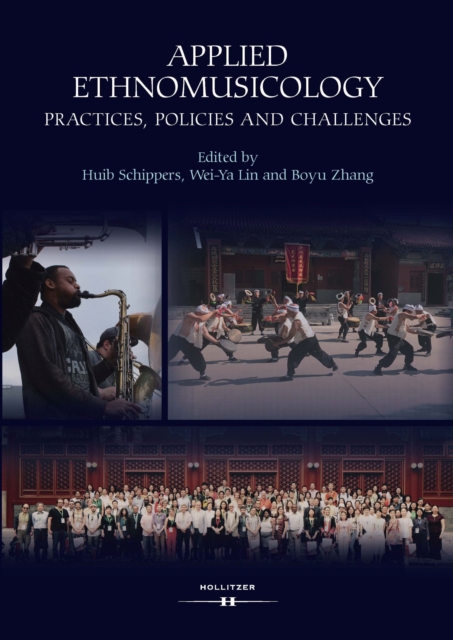
Over the past three decades, applied ethnomusicology has emerged as a major force in working with music, culture and communities worldwide, generating a wealth of new approaches and practices.
Öfter und ausführlicher als jeder andere komponierende Kirchenmusiker seiner Zeit bezog Hugo Distler (1908–1942) öffentlich Stellung zu kunstästhetischen und -politischen Fragen und warb um Akzeptanz seiner musikästhetischen Konzepte.
This book brings a new perspective to secular music sources from the Middle Ages and early modernity by viewing them as media communication tools, whose particular features shape the meaning of their contents.
This book brings a new perspective to secular music sources from the Middle Ages and early modernity by viewing them as media communication tools, whose particular features shape the meaning of their contents.
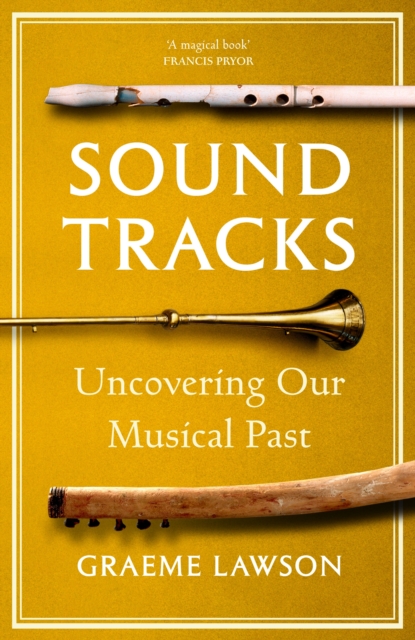
A transporting voyage of archaeological discovery: Sound Tracks unearths instruments from around the world and across time, releasing the past's musical secrets for the first time.
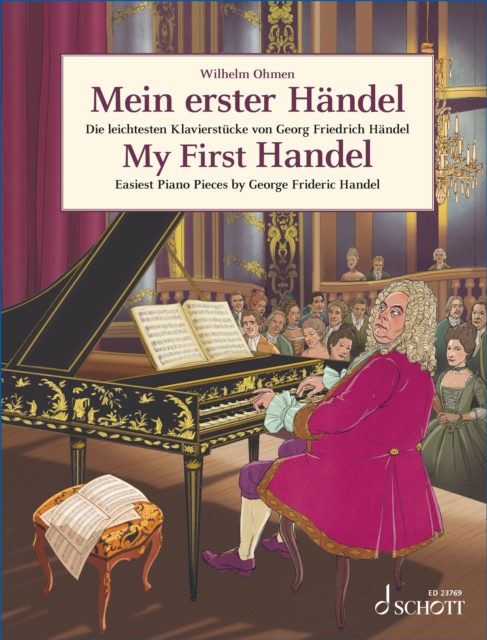
George Frideric Handel, born in the same year as Johann Sebastian Bach and Domenico Scarlatti, ranks among the most important composers of the Baroque era, alongside Bach and Scarlatti, Dieterich Buxtehude and Georg Philipp Telemann.
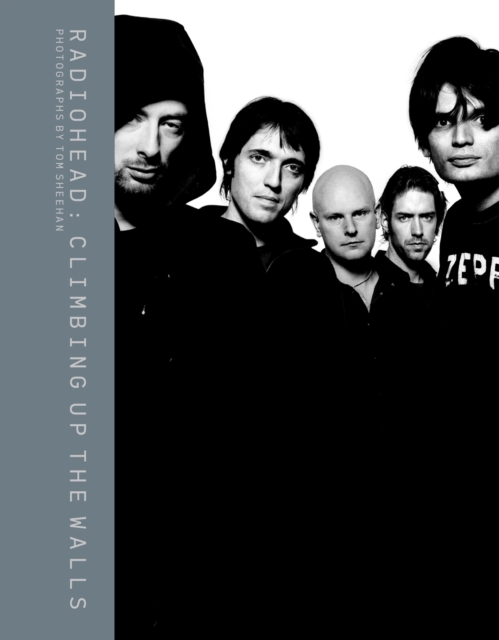
FOREWORD BY RADIOHEAD'S ED O'BRIENExplore the story of Radiohead - perhaps the finest band of a generation - through the lens of legendary Melody Maker chief photographer Tom Sheehan.
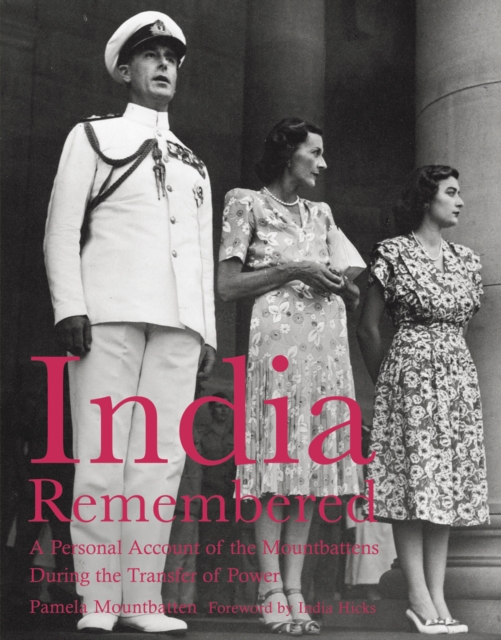
In March 1947 Lord Louis Mountbatten became the last Viceroy of India, with themandate to hand over 'the jewel in the crown' of the British Empire within oneyear.
Musik wird seit jeher eine therapeutische Wirkung zugesprochen, die Melancholie wiederum erscheint unserer Tage als seelische Quelle künstlerischer Inspiration.
Der Band hält innovative Erkenntnisse für die Musikforschung bereit, kann er doch zeigen, dass die frühste Form der Aneignung des »Don Giovanni« durch breite Bevölkerungsschichten die Kammermusik-Bearbeitung war.
Der Klang des Mittelalters scheint leicht zu imaginieren, denkt man etwa an die Schlachtenrufe mittelalterlicher Helden, an den liturgischen Gesang gregorianischer Choräle, den feierlichen Klang des Kirchengeläuts oder aber an die feinen Töne der Minnesänger.
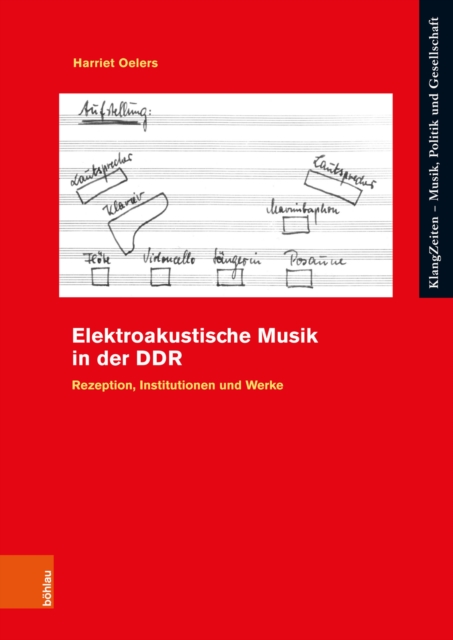
Elektroakustische Musik hat auch vor der DDR nicht Halt gemacht: Es wurden westliche Werke rezipiert und auch, wenn es erst ab Mitte der 80er Jahre geeignete Studios in der DDR gab, haben einige Komponisten kreative Möglichkeiten gefunden, sich mit elektroakustischer Klangerzeugung und -bearbeitung zu beschäftigen.
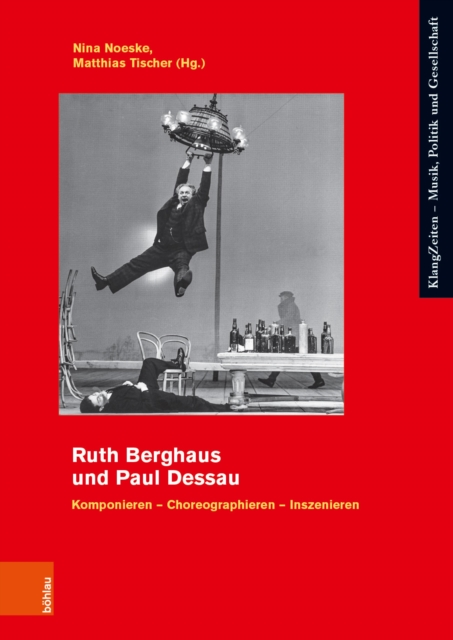
Der Band nimmt die künstlerische Kooperation des Ehepaares Ruth Berghaus und Paul Dessau, zwei in der DDR ebenso exponierten wie umstrittenen Künstlerpersönlichkeiten, in den Blick.