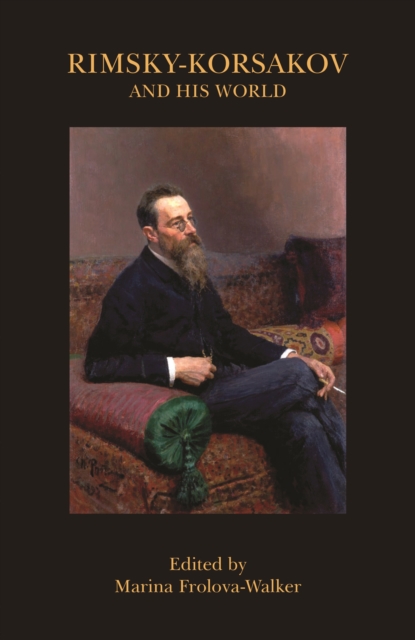
A rare look at the life and music of renowned Russian composer Nikolai Rimsky-KorsakovDuring his lifetime, Nikolai Rimsky-Korsakov (1844-1908) was a composer whose work had great influence not only in his native Russia but also internationally.
This thesis outlines the influence of Judeo-Christian Religious Faith and American literature of the lyrics of American songwriter Bob Dylan, who rose to prominence in the culture of 1960s America.
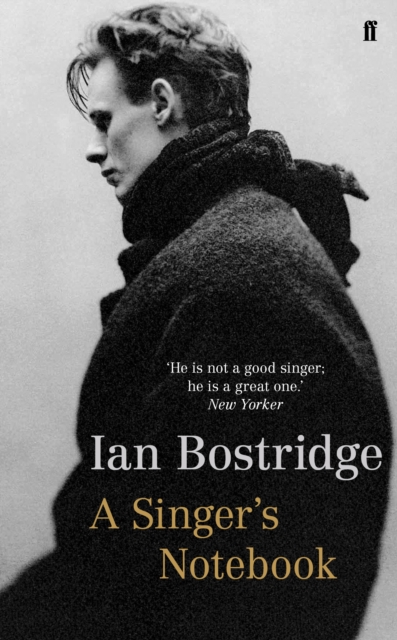
Ian Bostridge is one of the outstanding singers of our time, celebrated for the quality of his voice but also for the exceptional intelligence he brings to bear on the interpretation of the repertoire of the past and present alike.
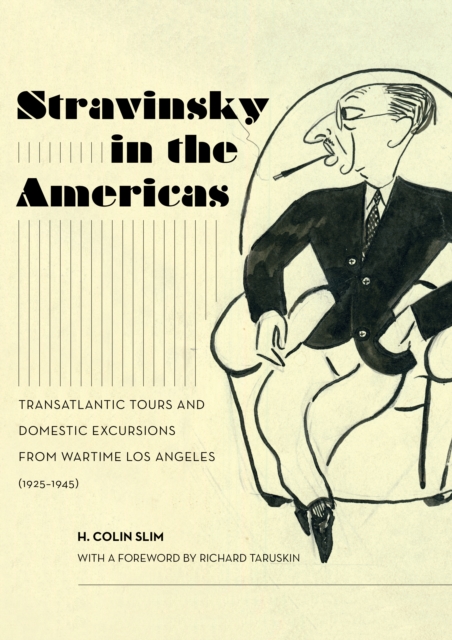
Stravinsky in the Americas explores the ';pre-Craft' period of Igor Stravinsky's life, from when he first landed on American shores in 1925 to the end of World War II in 1945.
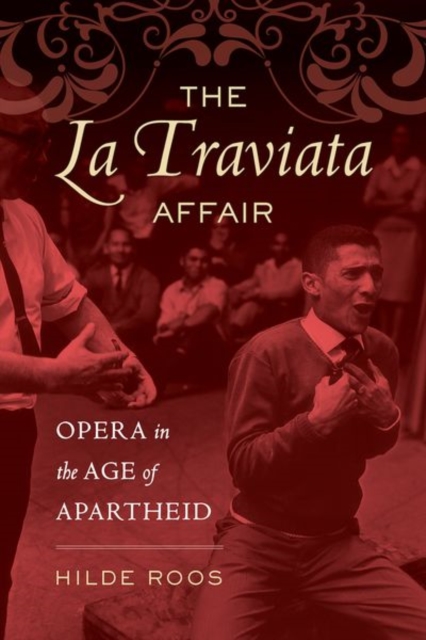
Race, politics, and opera production during apartheid South Africa intersect in this historiographic work on the Eoan Group, a ';coloured' cultural organization that performed opera in the Cape.
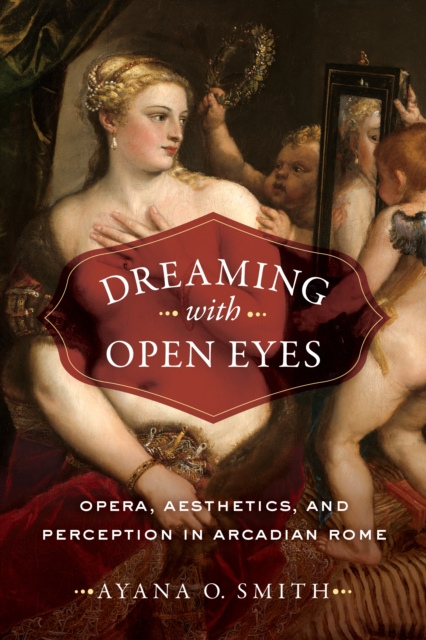
Dreaming with Open Eyes examines visual symbolism in late seventeenth-century Italian opera, contextualizing the genre amid the broad ocularcentric debates emerging at the crossroads of the early modern period and the Enlightenment.
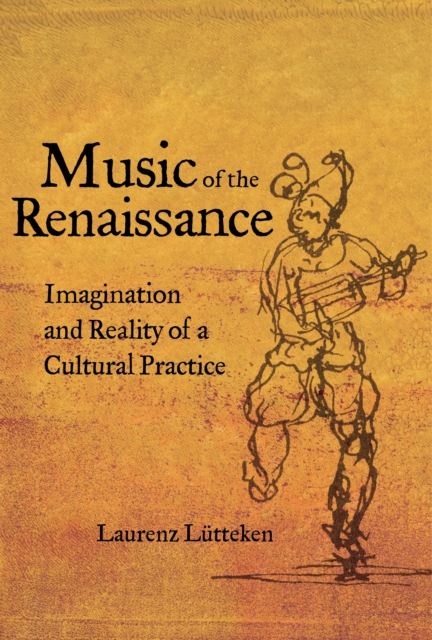
Where previous accounts of the Renaissance have not fully acknowledged the role that music played in this decisive period of cultural history, Laurenz Lutteken merges historical music analysis with the analysis of the other arts to provide a richer context for the emergence and evolution of creative cultures across civilizations.
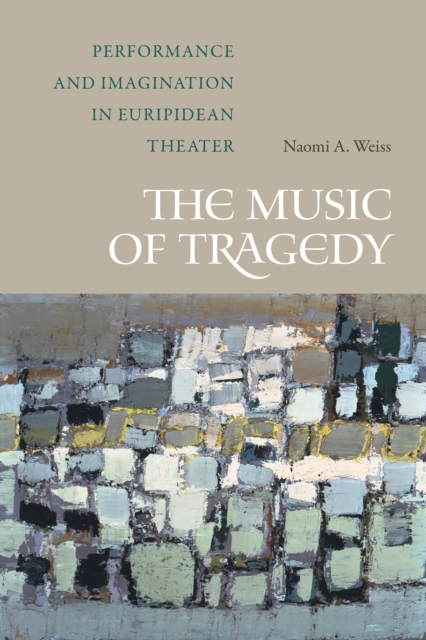
The Music of Tragedy offers a new approach to the study of classical Greek theater by examining the use of musical language, imagery, and performance in the late work of Euripides.
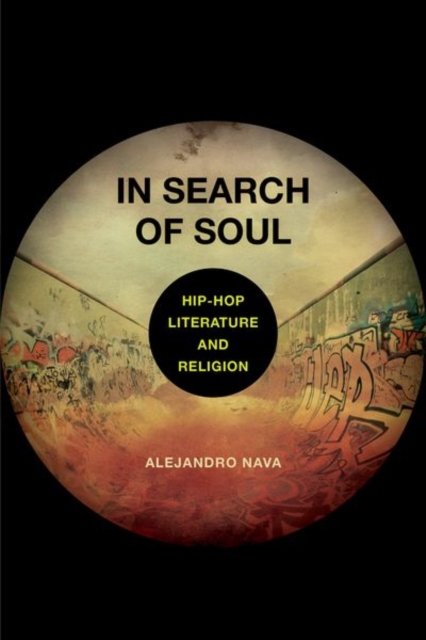
In Search of Soul explores the meaning of ';soul' in sacred and profane incarnations, from its biblical origins to its central place in the rich traditions of black and Latin history.
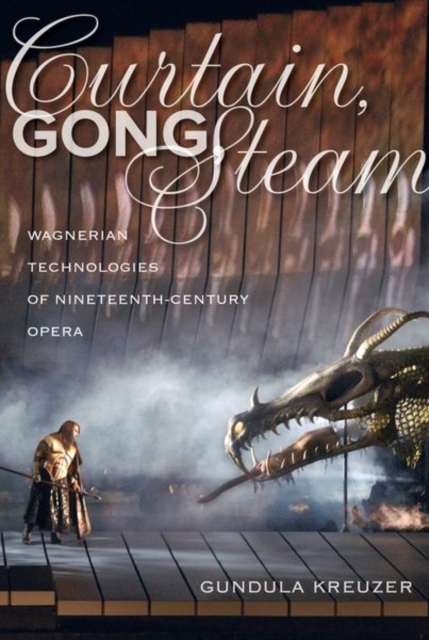
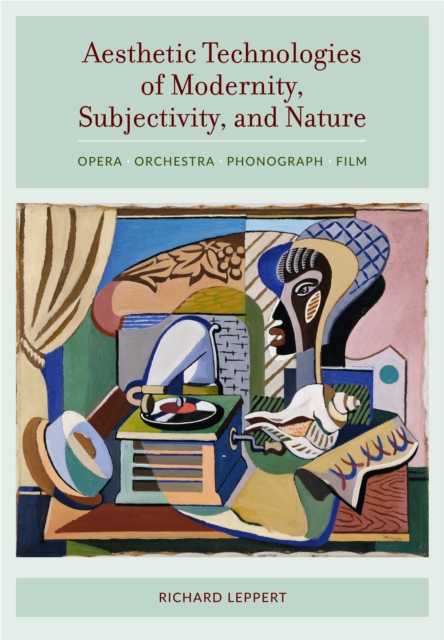
In this innovative book, Gundula Kreuzer argues for the foundational role of technologies in the conception, production, and study of nineteenth-century opera.
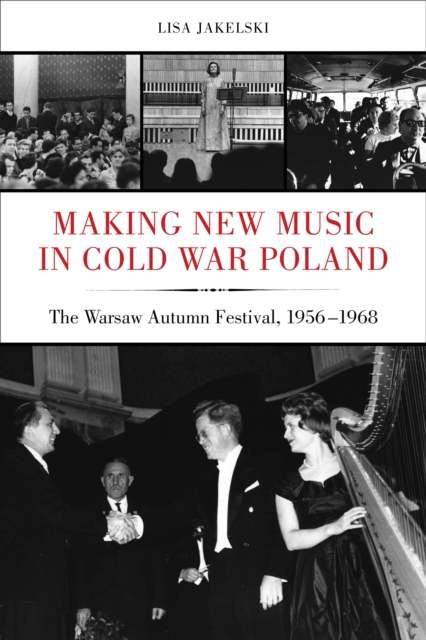
Making New Music in Cold War Poland presents a social analysis of new music dissemination at the Warsaw Autumn International Festival of Contemporary Music, one of the most important venues for East-West cultural contact during the Cold War.
Categorizing Sound addresses the relationship between categories of music and categories of people, particularly how certain ways of organizing sounds becomes integral to how we perceive ourselves and how we feel connected to some people and disconnected from others.
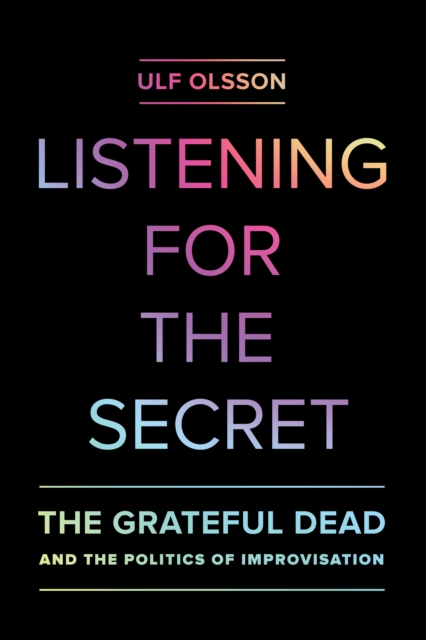
Listening for the Secret is a critical assessment of the Grateful Dead and the distinct culture that grew out of the group's music, politics, and performance.
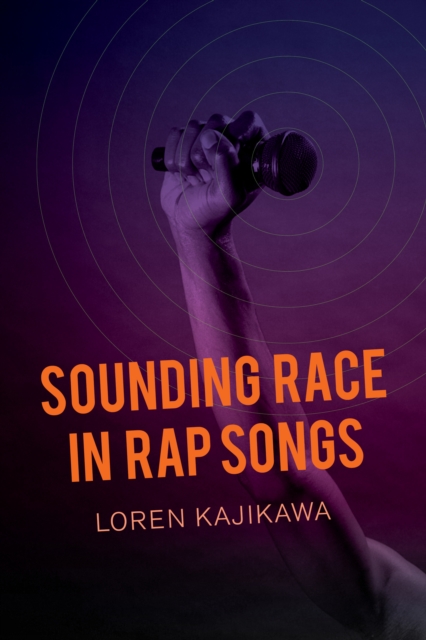
As one of the most influential and popular genres of the last three decades, rap has cultivated a mainstream audience and become a multimillion-dollar industry by promoting highly visible and often controversial representations of blackness.
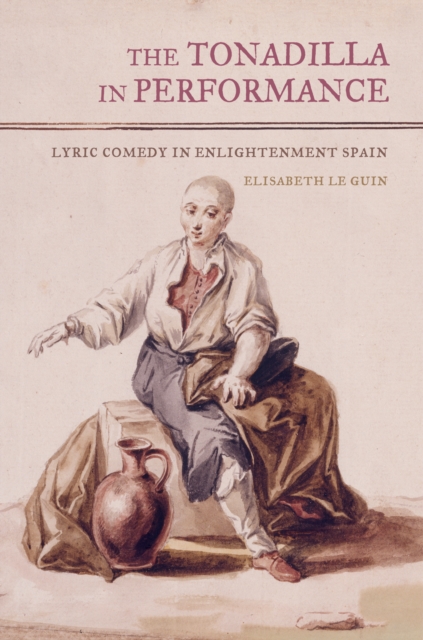
The tonadilla, a type of satiric musical skit popular on the public stages of Madrid during the late Enlightenment, has played a significant role in the history of music in Spain.
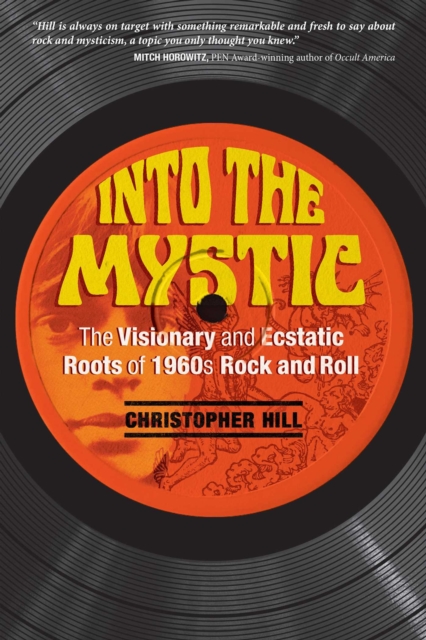
Explores the visionary, mystical, and ecstatic traditions that influenced the music of the 1960s Examines the visionary, spiritual, and mystical influences on the Grateful Dead, the Beatles, the Rolling Stones, Bob Dylan, Van Morrison, the Incredible String Band, the Left Banke, Lou Reed and the Velvet Underground, and others Shows how the British Invasion acted as the detonator to explode visionary music into the mainstream Explains how 1960s rock and roll music transformed consciousness on both the individual and collective levels The 1960s were a time of huge transformation, sustained and amplified by the music of that era: Rock and Roll.
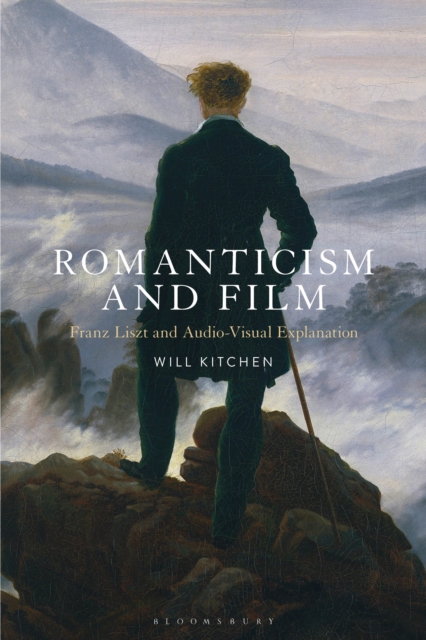
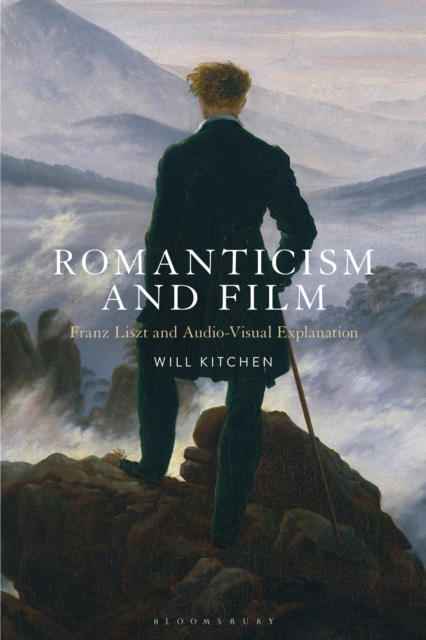
The relationship between Romanticism and film remains one of the most neglected topics in film theory and history, with analysis often focusing on the proto-cinematic significance of Richard Wagner's music-dramas.
The relationship between Romanticism and film remains one of the most neglected topics in film theory and history, with analysis often focusing on the proto-cinematic significance of Richard Wagner's music-dramas.