As immediately believable as they were cartoonish, as much an inner city cipher as a suburban boys gang, the foursome that made up the Pharcyde were the most relatable MCs to ever pass the mic.
Experimentations provides a detailed historical and theoretical analysis of the first three decades of experimental composer John Cage's aesthetic production (ca.
Experimentations provides a detailed historical and theoretical analysis of the first three decades of experimental composer John Cage's aesthetic production (ca.
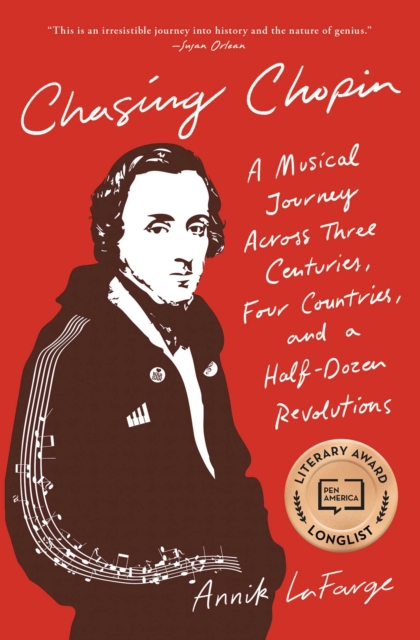
A modern take on a classical icon: this ';luminous book' (Susan Orlean, New York Times bestselling author of The Library Book) tells the story of when, where, and how Chopin composed his most famous work, uncovering many surprises along the way and showing how his innovative music still animates and thrives in our culture centuries later.
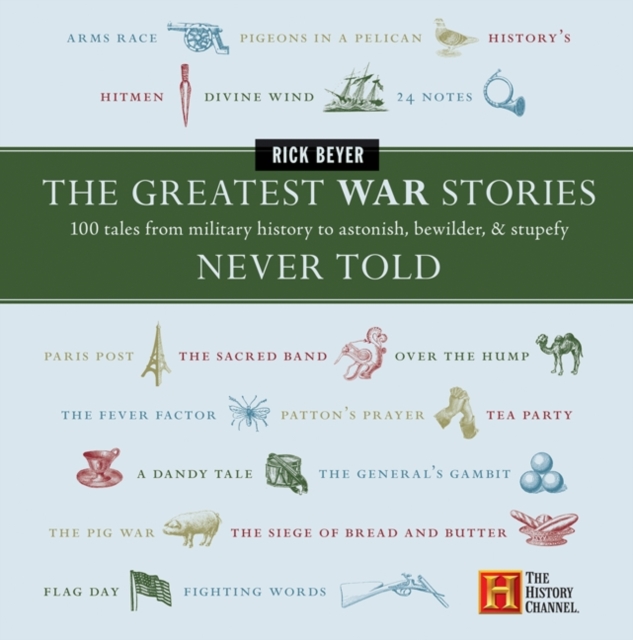
Rick Beyer, the author of the acclaimed History Channel(R) series The Greatest Stories Never Told, returns with new historic tales, this time focusing on amazing war storiesSearch the annals of military history and you will discover no end of quirky characters and surprising true stories: The topless dancer who saved the Byzantine Empire; the World War I battle that was halted so a soccer game could be played; the scientist who invented a pigeon-guided missile in 1943; and don't forget the elderly pig whose death triggered an international crisis between the United States and Great Britain.
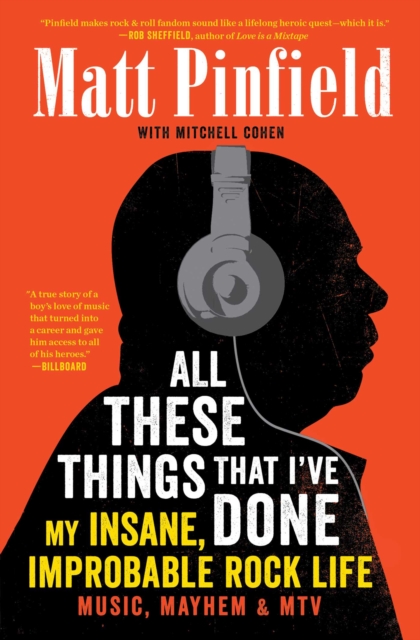
';The most trusted opinion in rock music' (Billy Corgan, The Smashing Pumpkins) Matt Pinfield offers the ultimate music fan's memoir, an ';entertaining and insightful' (Clive Davis) chronicle of the songs and artists that inspired his improbable career alongside some of the all-time greats, from The Beatles to KISS to U2 to The Killers.
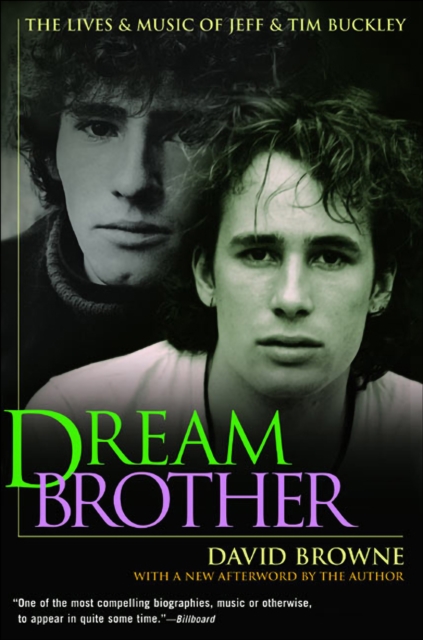
A "e;meticulously researched"e; dual biography on the lives and artistry of the father and son musicians whose lives were each cut short (Chicago Tribune).
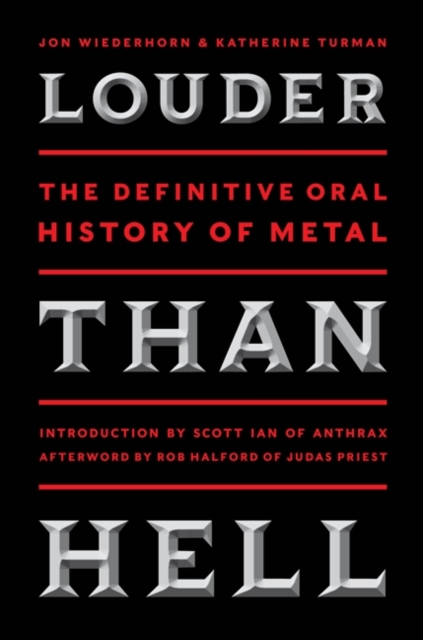
The definitive oral history of heavy metal,LouderThan Hellby renowned music journalists Jon Wiederhorn and Katherine Turman includeshundreds of interviews with the giants of the movement, conducted over the past 25 years.
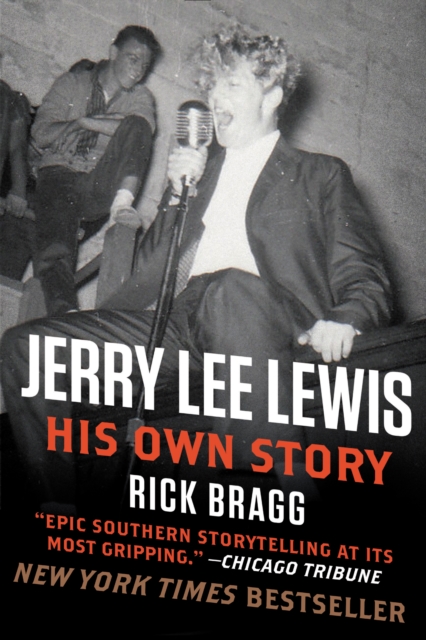
The greatest Southern storyteller of our time tracks down the greatest rock and roller of all time-and gets his own story, from the source, for the very first time.
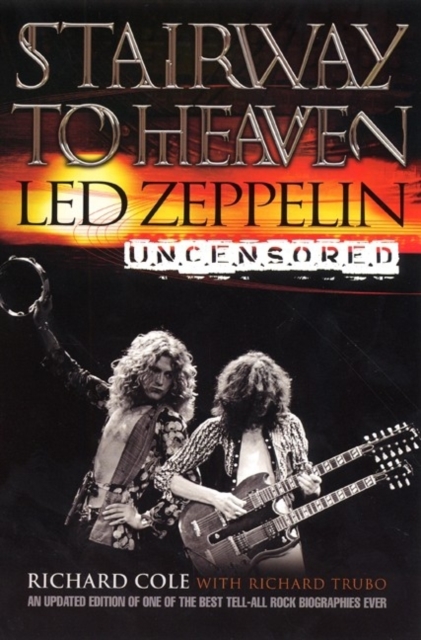
This account of Led Zeppelin's decadent life on the road by their longtime tour manager "e;dishes up the real dirt as only an insider's report can"e; (Kirkus Reviews).
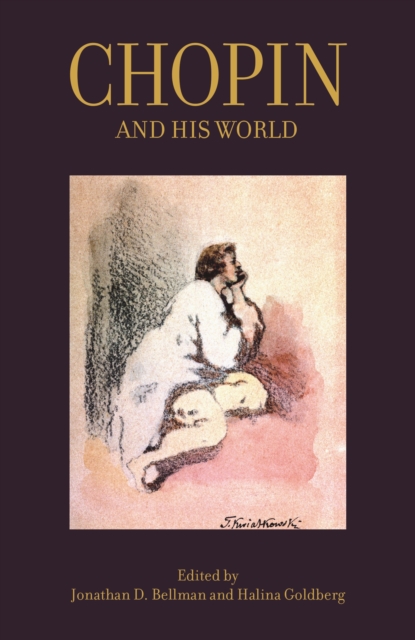
A new look at the life, times, and music of Polish composer and piano virtuoso Fryderyk ChopinFryderyk Chopin (1810-49), although the most beloved of piano composers, remains a contradictory figure, an artist of virtually universal appeal who preferred the company of only a few sympathetic friends and listeners.
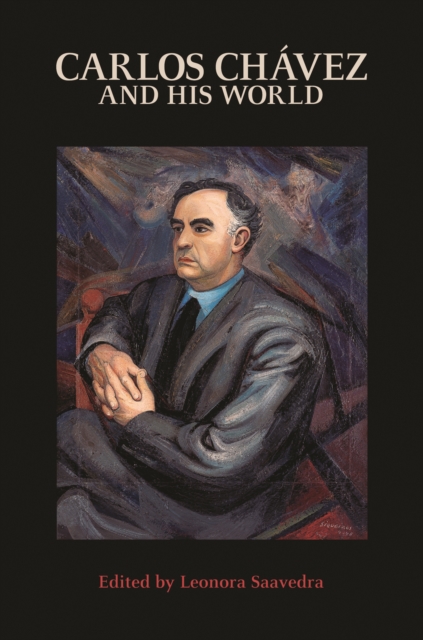
Carlos Chavez (1899-1978) is the central figure in Mexican music of the twentieth century and among the most eminent of all Latin American modernist composers.
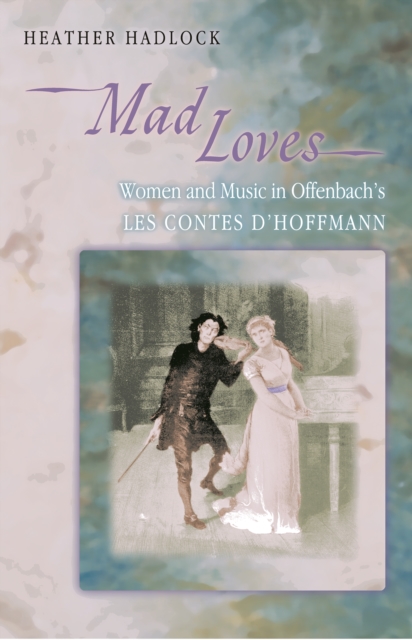
In a lively exploration of Jacques Offenbach's final masterpiece, Heather Hadlock shows how Les Contes d'Hoffmann summed up not only the composer's career but also a century of Romantic culture.
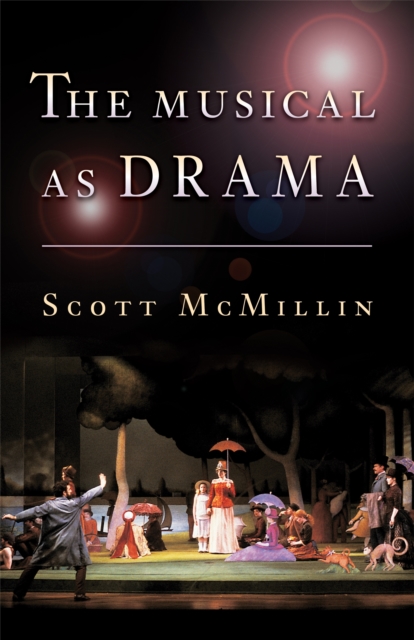
Derived from the colorful traditions of vaudeville, burlesque, revue, and operetta, the musical has blossomed into America's most popular form of theater.
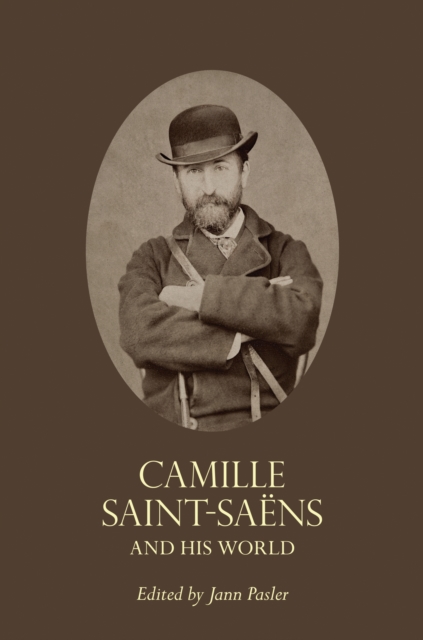
A revealing look at French composer and virtuoso Camille Saint-SaensCamille Saint-Saens-perhaps the foremost French musical figure of the late nineteenth century and a composer who wrote in nearly every musical genre, from opera and the symphony to film music-is now being rediscovered after a century of modernism overshadowed his earlier importance.
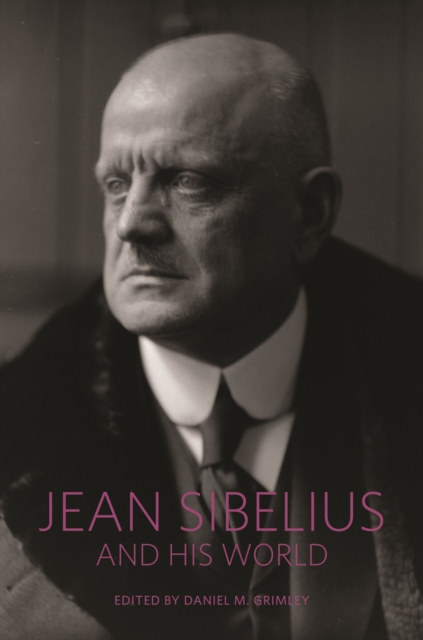
New perspectives on the greatest Finnish composer of all timePerhaps no twentieth-century composer has provoked a more varied reaction among the music-loving public than Jean Sibelius (1865-1957).
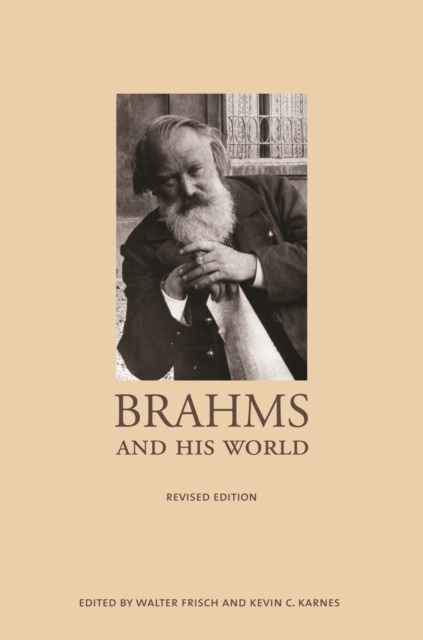
Since its first publication in 1990, Brahms and His World has become a key text for listeners, performers, and scholars interested in the life, work, and times of one of the nineteenth century's most celebrated composers.
Wedding the American oral storytelling tradition with progressive music journalism, Mitch Myers' The Boy Who Cried Freebird is a treatise on the popular music culture of the twentieth century.
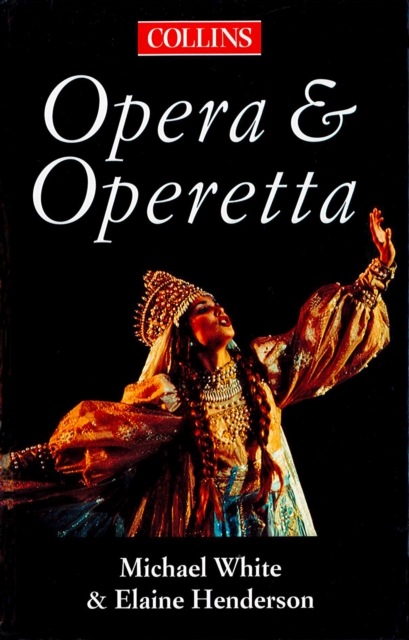
Originally published in 1997, Collins Opera & Operetta is an invaluable guide to this fascinating but sometimes misunderstood art form, presenting essential information on over 180 major operas and operettas in an accessible, yet scholarly, way.
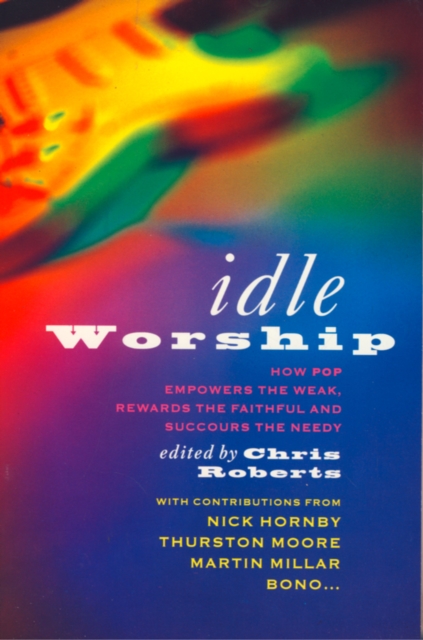
In Idle Worship a hand-picked crop of stars, who should know better (and sometimes do), examine the absurd and auto-erotic world of fan fever - and ponder whether pop promises a path to enlightenment or an endless pageant of tasteless clothing, recycled attitudes and vicious haircuts.
For the first time EVER, global superstars One Direction are releasing their 100% official autobiography, offering a new, intimate insight into their lives as never before seen or heard!
Worldwide sensation One Direction is back to share all their secrets, dreams and stories from the past year with the fans they love in the latest instalment of their must-have Annual.
Where We Are, the hotly anticipated official 1D book, now combined for the first time in a single eBook volume with One Direction's first ever official book, Dare to Dream.