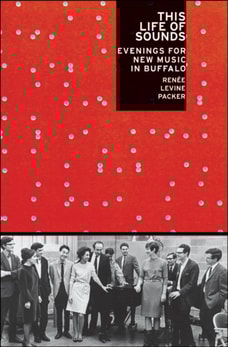
This book is an invaluable chronicle of an exuberant time of artistic exploration and experimentation populated by now legendary figures such as John Cage, Morton Feldman, Cornelius Cardew, Terry Riley, Julius Eastman, David Tudor, and many others who were part of this under-known chapter of late 20th century music history.
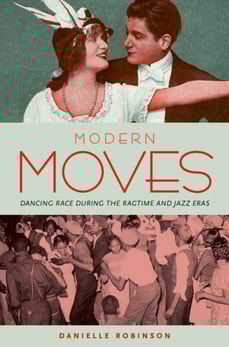
Modern Moves traces the movement of American social dance styles between black and white cultural groups and between immigrant and migrant communities during the early twentieth century.
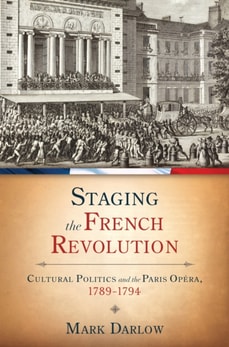
Over the last decade, the theatre and opera of the French Revolution have been the subject of intense scholarly reassessment, both in terms of the relationship between theatrical works and politics or ideology in this period and on the question of longer-scale structures of continuity or rupture in aesthetics.
Over the last two centuries, Beethoven's music has been synonymous with the idea of freedom, in particular a freedom embodied in the heroic figure of Prometheus.
Venetian music print culture of the mid-sixteenth century is presented here through a study of the Scotto press, one of the foremost dynastic music publishers of the Renaissance.
In June of 1964, three young, white blues fans set out from New York City in a Volkswagen, heading for the Mississippi Delta in search of a musical legend.
"e;There are no definitive histories,"e; writes Elijah Wald, in this provocative reassessment of American popular music, "e;because the past keeps looking different as the present changes.
This study seeks to explore the role and significance of aria insertion, the practice that allowed singers to introduce music of their own choice into productions of Italian operas.
This critical study locates musical monumentality, a central property of the nineteenth-century German repertoire, at the intersections of aesthetics and memory.
Published in its first edition in 1983, Boyd's treatment of this canonical composer is essential reading for students, scholars, and everyone interested in Baroque music.
In a career that spanned nearly five decades, Dorothy Fields penned the words to more than four hundred songs, among them mega-hits such as "e;On the Sunny Side of the Street,"e; "e;I Can't Give You Anything But Love,"e; "e;The Way You Look Tonight,"e; and "e;If My Friends Could See Me Now.
Clad in white tie and tails, dancing and scatting his way through the "e;Hi-de-ho"e; chorus of "e;Minnie the Moocher,"e; Cab Calloway exuded a sly charm and sophistication that endeared him to legions of fans.
The Critical Nexus confronts an important and vexing enigma of early writings on music: why chant, which was understood to be divinely inspired, needed to be altered in order to work within the then-operative modal system.
A History of Western Choral Music explores the various genres, key composers, and influential works essential to the development of the western choral tradition.
Jewish Music and Modernity demonstrates how borders between repertories are crossed and the sound of modernity is enriched by the movement of music and musicians from the peripheries to the center of modern culture.
A comprehensive introduction to the inner workings of rock music, The Foundations of Rock goes back to the heart of the music itself from the time of its birth through the end of classic rock.
Camille Saint-Saens is a memorable figure not only for his successes as a composer of choral and orchestral works, and the eternally popular opera Samson et Dalila, but also because he was a keen observer of the musical culture in which he lived.
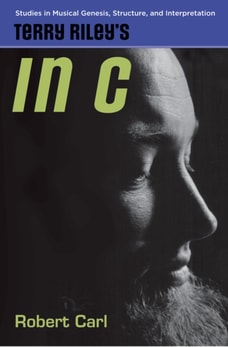
Setting the stage for a most intriguing journey into the world of minimalism, Robert Carl's Terry Riley's In C argues that the work holds its place in the canon because of the very challenges it presents to "e;classical"e; music.
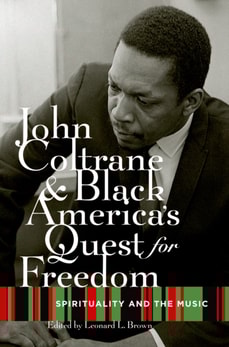
Edited by prominent musician and scholar Leonard Brown, John Coltrane and Black America's Quest for Freedom: Spirituality and the Music is a timely exploration of Coltrane's sound and its spiritual qualities that are rooted in Black American music-culture and aspirations for freedom.
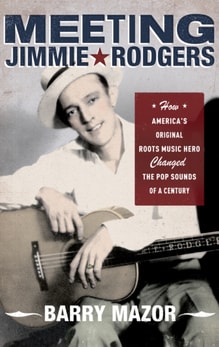
In Meeting Jimmie Rodgers, the first book to explore the deep legacy of "e;The Singing Brakeman"e; from a twenty-first century perspective, Barry Mazor offers a lively look at Rodgers' career, tracing his rise from working-class obscurity to the pinnacle of renown that came with such hits as "e;Blue Yodel"e; and "e;In the Jailhouse Now.
Poised to become a classic of jazz literature, Visions of Jazz: The First Century offers seventy-nine chapters illuminating the lives of virtually all the major figures in jazz history.
The role of popular music is widely recognized in giving voice to radical political views, the plight of the oppressed, and the desire for social change.
Michael Steinberg's highly successful listener's guides--The Symphony and The Concerto--have been universally praised for their blend of captivating biography, crystal clear musical analysis, and delightful humor.