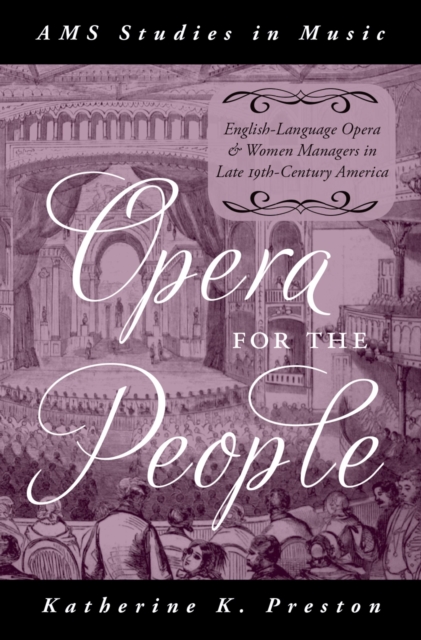
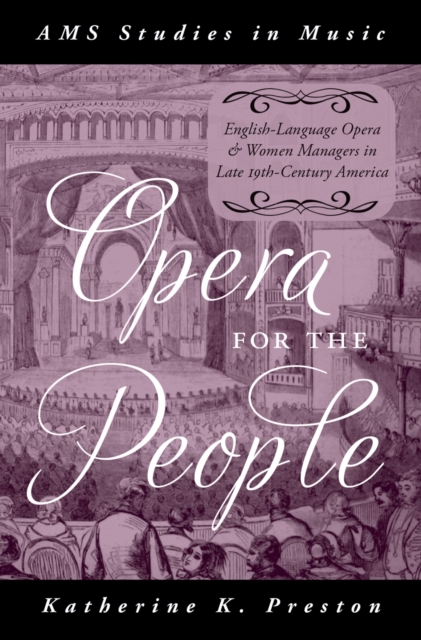
Opera for the People is an in-depth examination of a forgotten chapter in American social and cultural history: the love affair that middle-class Americans had with continental opera (translated into English) in the 1870s, 1880s, and 1890s.
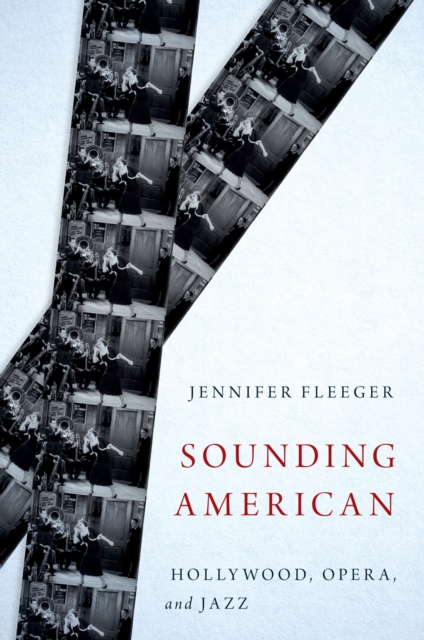
Sounding American: Hollywood, Opera, and Jazz tells the story of the interaction between musical form, film technology, and ideas about race, ethnicity, and the nation during the American cinema's conversion to sound.
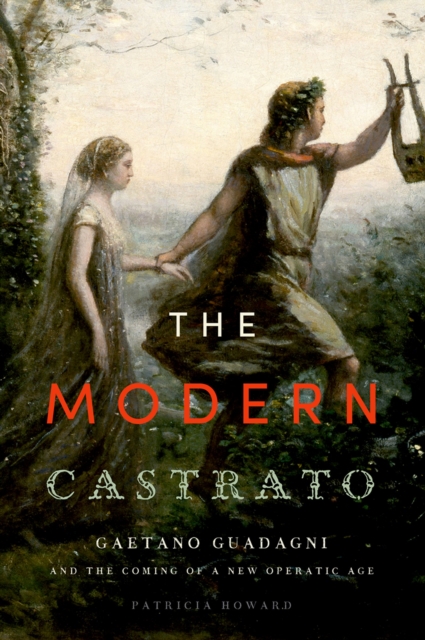
The Modern Castrato: Gaetano Guadagni and the Coming of a New Operatic Age chronicles the career of the most significant castrato of the second half of the eighteenth-century.
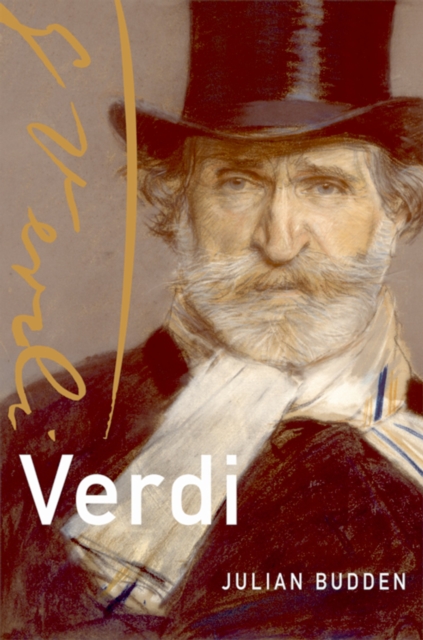
In this third edition of the classic Verdi, renowned authority Julian Budden offers a comprehensive overview of Verdi the man and the artist, tracing his ascent from humble beginnings to the status of a cultural patriarch of the new Italy, whose cause he had done much to promote, and demonstrating the gradual enlargement over the years of his artistic vision.
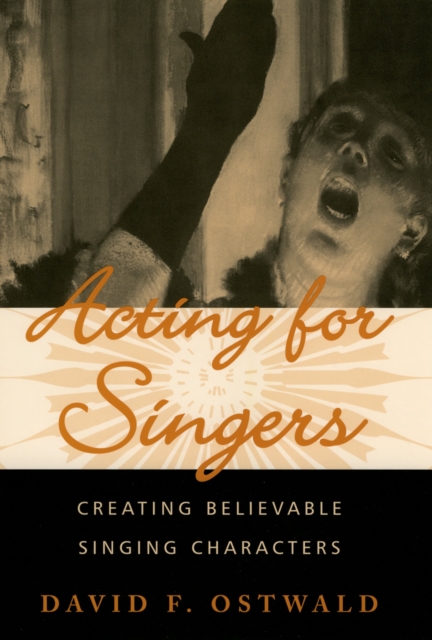
Written to meet the needs of thousands of students and pre-professional singers participating in production workshops and classes in opera and musical theater, Acting for Singers leads singing performers step by step from the studio or classroom through audition and rehearsals to a successful performance.
Musical Symbolism in the Operas of Debussy and Bartok explores the means by which two early 20th century operas - Debussy's Pelleas et Melisande (1902) and Bartok's Duke Bluebeard's Castle (1911) - transformed the harmonic structures of the traditional major/minor scale system into a new musical language.
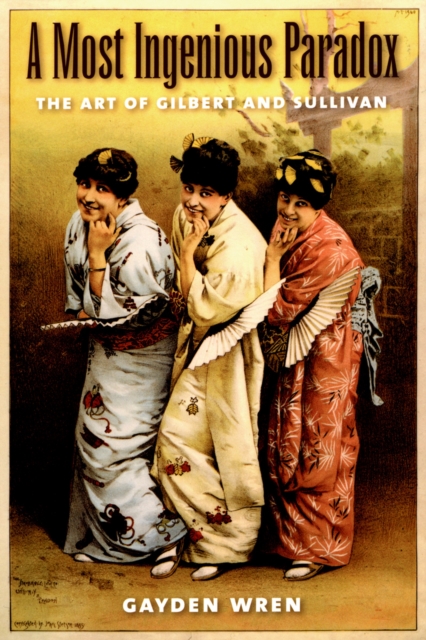
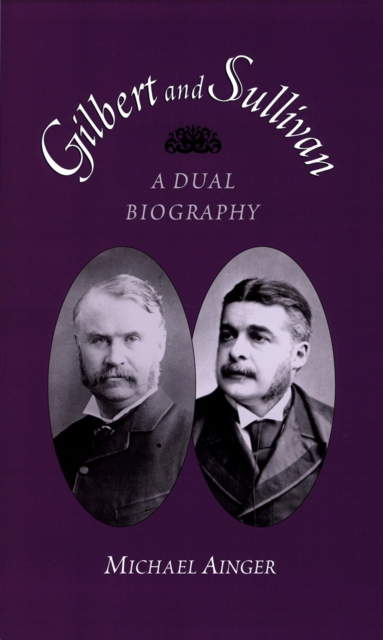
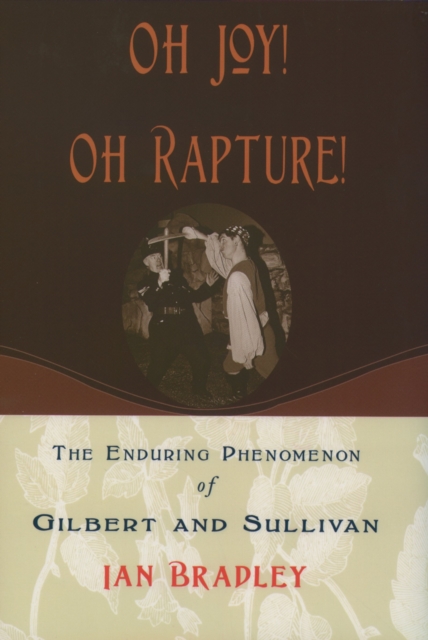
Written more than a century ago and initially regarded even by their creators as nothing more than light entertainment, the fourteen operas of Gilbert & Sullivan emerged over the course of the twentieth century as the world's most popular body of musical-theater works, ranking second only to Shakespeare in the history of English-language theater.
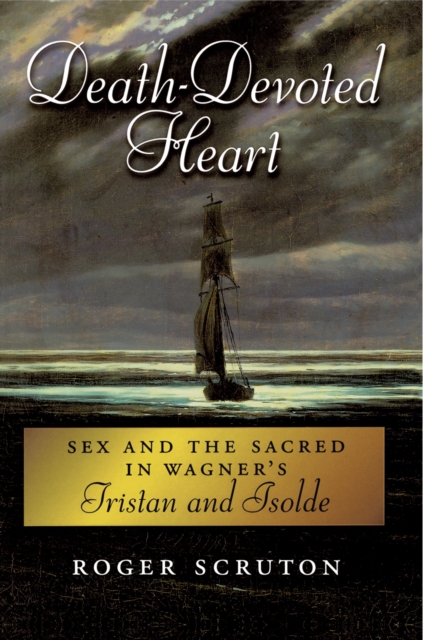
A tale of forbidden love and inevitable death, the medieval legend of Tristan and Isolde recounts the story of two lovers unknowingly drinking a magic potion and ultimately dying in one another's arms.
One of the most controversial figures in the history of ideas as well as music, Richard Wagner continues to stimulate debate whenever his works are performed.
Opera was invented at the end of the sixteenth century in imitation of the supposed style of delivery of ancient Greek tragedy, and, since then, operas based on Greek drama have been among the most important in the repertoire.
A regiment of women warriors strides across the battlefield of German culture - on the stage, in the opera house, on the page, and in paintings and prints.
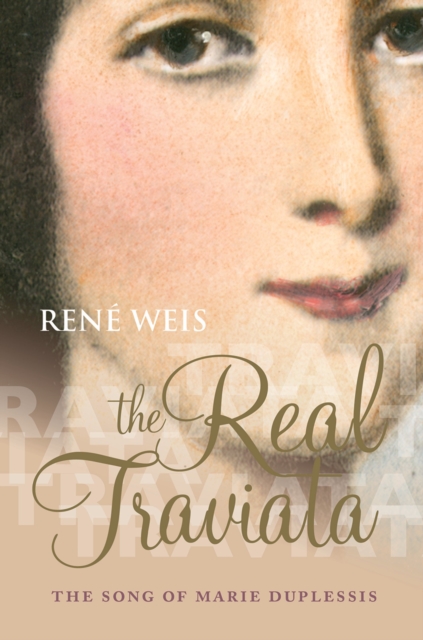
The Real Traviata is the rags-to-riches story of a tragic young woman whose life inspired one of the most famous operas of all time, Verdi's masterpiece La traviata, as well as one of the most scandalous and successful French novels of the nineteenth century, La Dame aux Camelias, by Alexandre Dumas fils.
The Real Traviata is the rags-to-riches story of a tragic young woman whose life inspired one of the most famous operas of all time, Verdi's masterpiece La traviata, as well as one of the most scandalous and successful French novels of the nineteenth century, La Dame aux Camelias, by Alexandre Dumas fils.
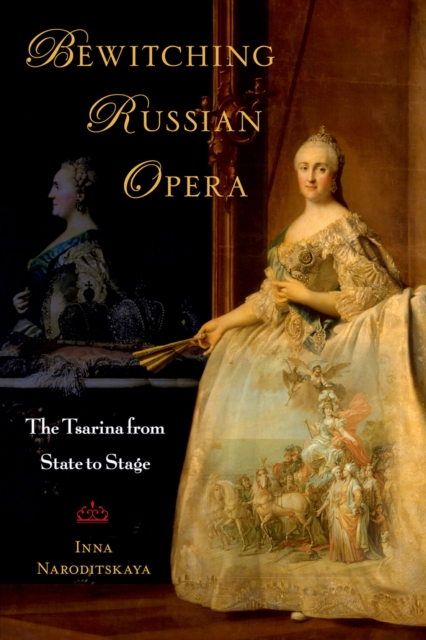
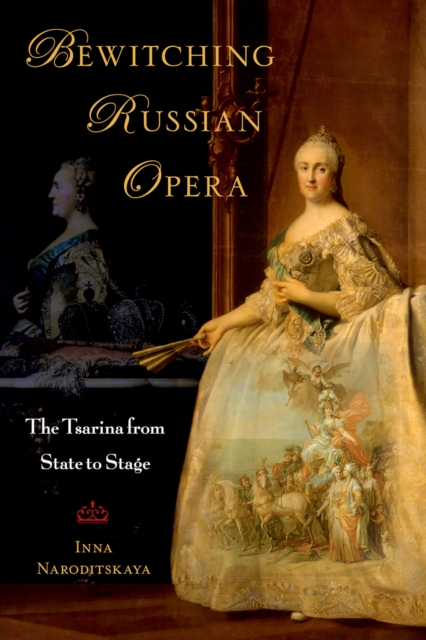
In Bewitching Russian Opera: The Tsarina from State to Stage, author Inna Naroditskaya investigates the musical lives of four female monarchs who ruled Russia for most of the eighteenth century: Catherine I, Anna, Elizabeth, and Catherine the Great.
In Bewitching Russian Opera: The Tsarina from State to Stage, author Inna Naroditskaya investigates the musical lives of four female monarchs who ruled Russia for most of the eighteenth century: Catherine I, Anna, Elizabeth, and Catherine the Great.
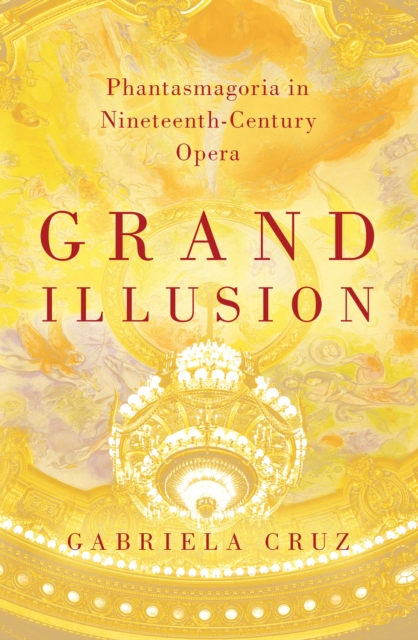
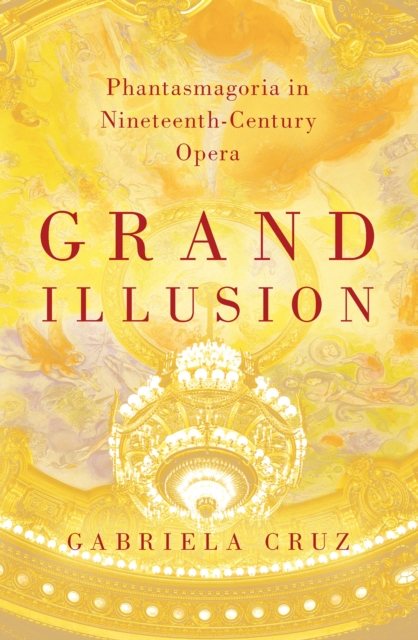
A new and groundbreaking approach to the history of grand opera, Grand Illusion: Phantasmagoria in Nineteenth-Century Opera explores the illusion and illumination behind the form's rise to cultural eminence.
A new and groundbreaking approach to the history of grand opera, Grand Illusion: Phantasmagoria in Nineteenth-Century Opera explores the illusion and illumination behind the form's rise to cultural eminence.
Building on the long-established success of Ethan Mordden's Opera Anecdotes, The New Book Of Opera Anecdotes continues where the original left off, bringing into view the new corps of major singers that arose after the first book's publication in 1985 -- artists such as Renee Fleming, Roberto Alagna, Deborah Voigt, Jonas Kaufmann, Kathleen Battle, and Jane Eaglen (who tested her family with Turandot's three riddles and got a very original answer).
Building on the long-established success of Ethan Mordden's Opera Anecdotes, The New Book Of Opera Anecdotes continues where the original left off, bringing into view the new corps of major singers that arose after the first book's publication in 1985 -- artists such as Renee Fleming, Roberto Alagna, Deborah Voigt, Jonas Kaufmann, Kathleen Battle, and Jane Eaglen (who tested her family with Turandot's three riddles and got a very original answer).
Purcell's Dido and Aeneas stands as the greatest operatic achievement of seventeenth-century England, and yet, despite its global renown, it remains cloaked in mystery.
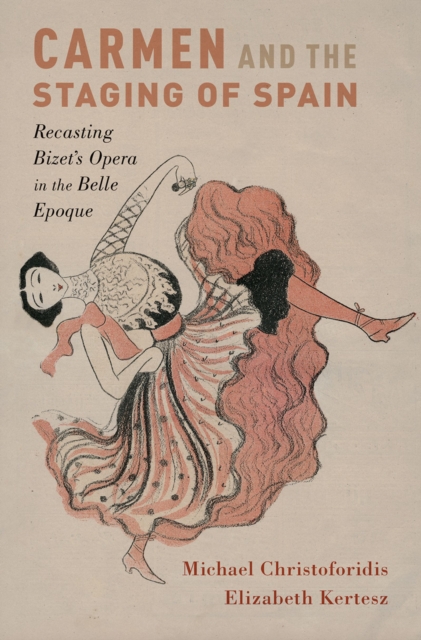
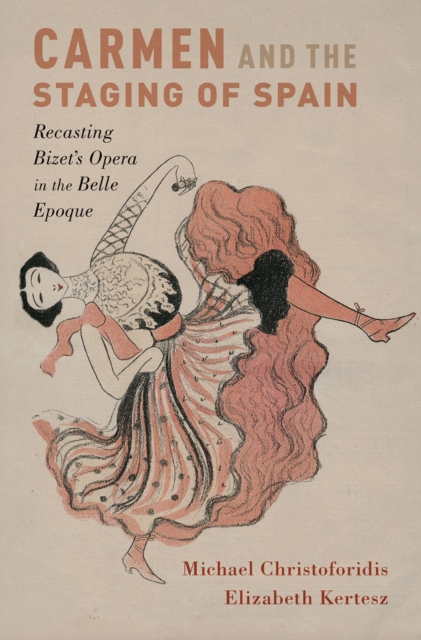
Carmen and the Staging of Spain explores the Belle Epoque fascination with Spanish entertainment that refashioned Bizet's opera and gave rise to an international "e;Carmen industry.
Carmen and the Staging of Spain explores the Belle Epoque fascination with Spanish entertainment that refashioned Bizet's opera and gave rise to an international "e;Carmen industry.
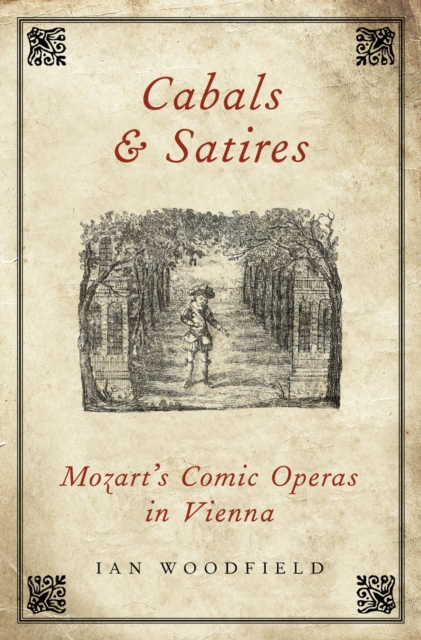
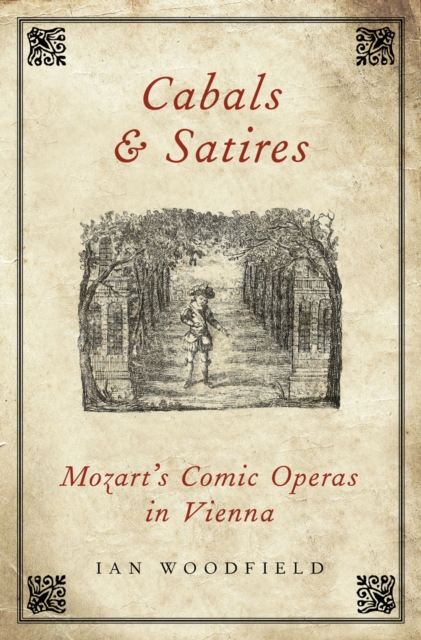
When Joseph II placed his opera buffa troupe in competition with the re-formed Singspiel, he provoked an intense struggle between supporters of the rival national genres, who organized claques to cheer or hiss at performances, and encouraged press correspondents to write slanted notices.
When Joseph II placed his opera buffa troupe in competition with the re-formed Singspiel, he provoked an intense struggle between supporters of the rival national genres, who organized claques to cheer or hiss at performances, and encouraged press correspondents to write slanted notices.
Opera for the People is an in-depth examination of a forgotten chapter in American social and cultural history: the love affair that middle-class Americans had with continental opera (translated into English) in the 1870s, 1880s, and 1890s.
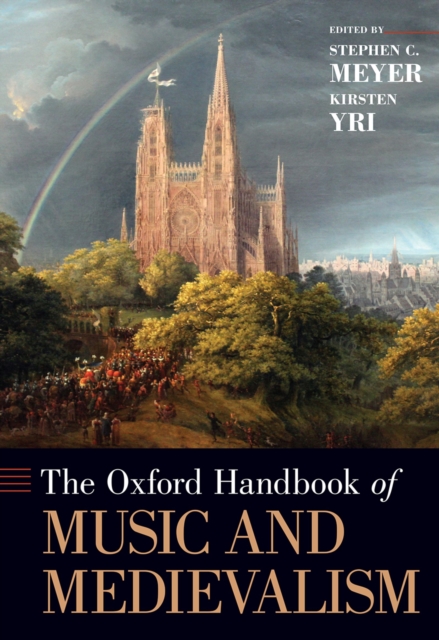
The Oxford Handbook of Music and Medievalism provides a snapshot of the diverse ways in which medievalism--the retrospective immersion in the images, sounds, narratives, and ideologies of the European Middle Ages--powerfully transforms many of the varied musical traditions of the last two centuries.