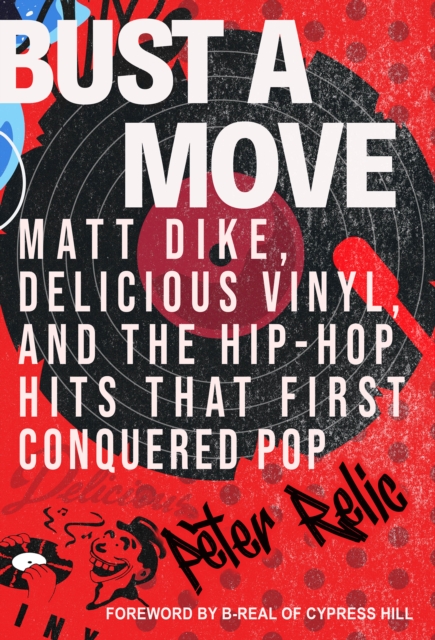
The greatest untold story in the history of hip-hop, this is the first-ever complete account of the scene, street-savvy stars, and daring record label that launched West Coast hip-hop into the American mainstream and produced the hits that dominated the '80s and '90s-with previously unseen material, photos, and exclusive interviews.
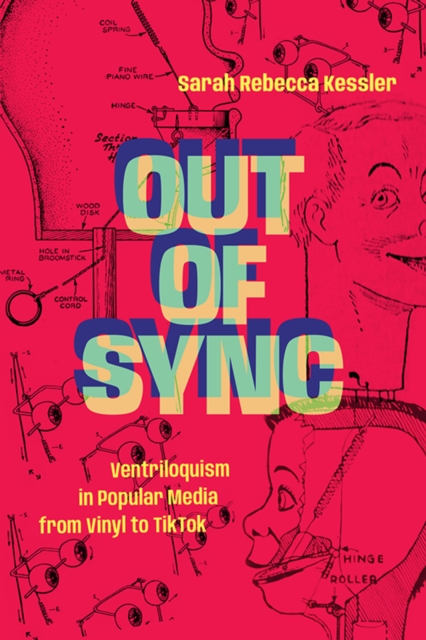
Ventriloquism, or the art of "e;throwing the voice,"e; has outdated and even unsettling connotations to many, associated with vaudeville and the nefarious talking dolls of so many horror movies.
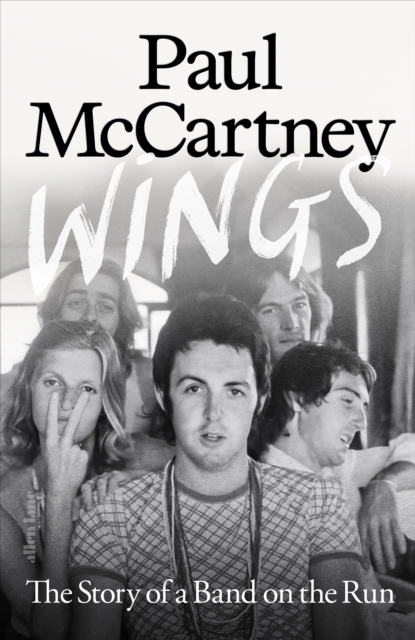
**A Financial Times Book of the Year**A landmark account of Paul McCartney s triumphant musical reinvention in the 1970s and the rise of one of the decade s most iconic bandsThis is the story, in their own words, of a band that came to define a generation.
Within popular music there are entire genres (jazz "e;standards"e;), styles (hip hop), techniques (sampling), and practices (covers) that rely heavily on references between music of different styles and genres.
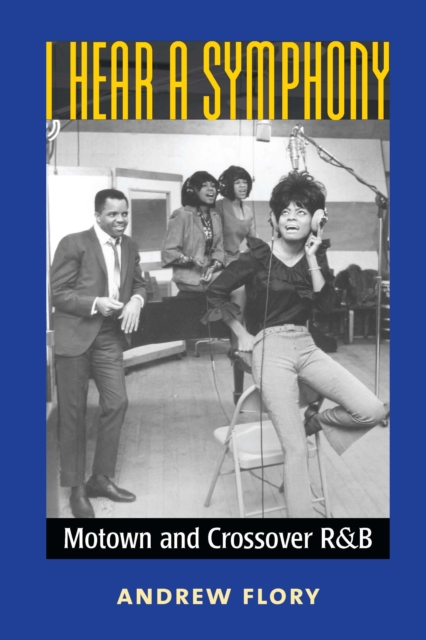
I Hear a Symphony opens new territory in the study of Motown's legacy, arguing that the music of Motown was indelibly shaped by the ideals of Detroit's postwar black middle class; that Motown's creative personnel participated in an African-American tradition of dialogism in rhythm and blues while developing the famous "e;Motown Sound.
I Hear a Symphony opens new territory in the study of Motown's legacy, arguing that the music of Motown was indelibly shaped by the ideals of Detroit's postwar black middle class; that Motown's creative personnel participated in an African-American tradition of dialogism in rhythm and blues while developing the famous "e;Motown Sound.
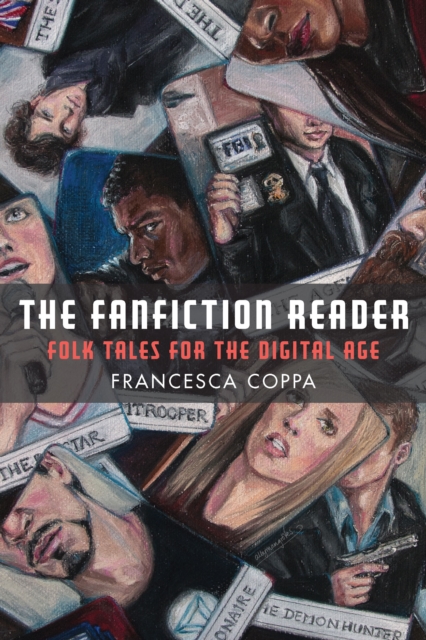
Written originally as a fanfiction for the series Twilight, the popularity of Fifty Shades of Grey has made obvious what was always clear to fans and literary scholars alike: that it is an essential human activity to read and retell epic stories of famous heroic characters.
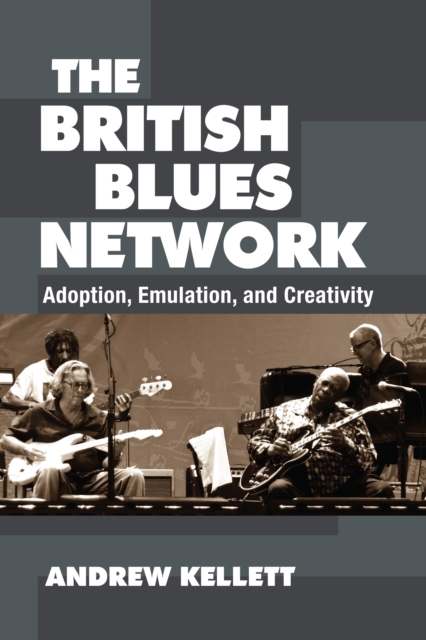
Beginning in the late 1950s, an influential cadre of young, white, mostly middle-class British men were consuming and appropriating African-American blues music, using blues tropes in their own music and creating a network of admirers and emulators that spanned the Atlantic.
Beginning in the late 1950s, an influential cadre of young, white, mostly middle-class British men were consuming and appropriating African-American blues music, using blues tropes in their own music and creating a network of admirers and emulators that spanned the Atlantic.
Within popular music there are entire genres (jazz "e;standards"e;), styles (hip hop), techniques (sampling), and practices (covers) that rely heavily on references between music of different styles and genres.
Written originally as a fanfiction for the series Twilight, the popularity of Fifty Shades of Grey has made obvious what was always clear to fans and literary scholars alike: that it is an essential human activity to read and retell epic stories of famous heroic characters.
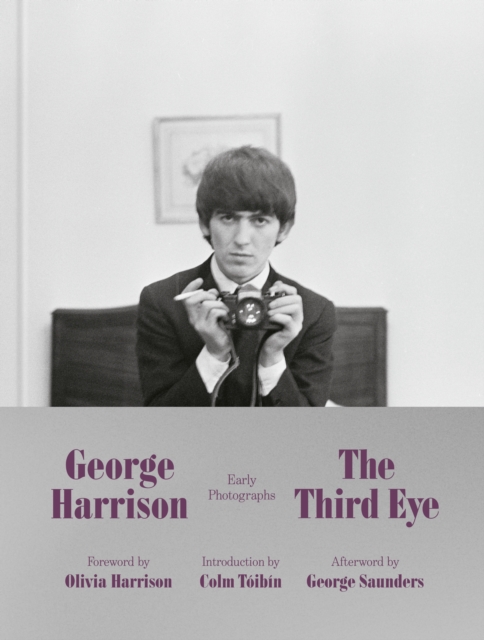
George Harrison's own intimate, beautiful collection of more than two hundred never-before-collected photos of the Beatles at work and at play the vast majority published for the first time.
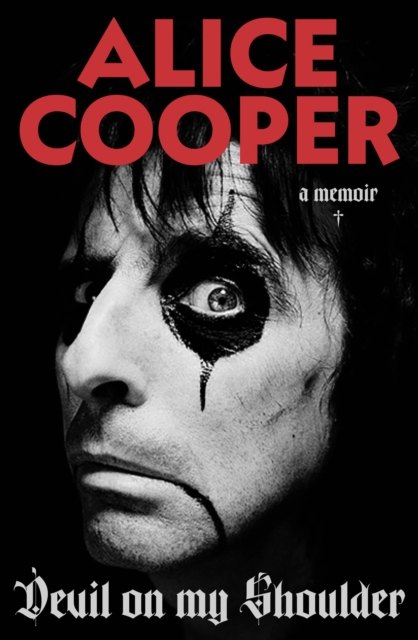
ONE OF THE TIMES BOOKS NOT TO MISSThe definitive autobiography from Alice Cooper, the Godfather of Shock Rock and one of the world's most iconic musicians with a career spanning six decades.
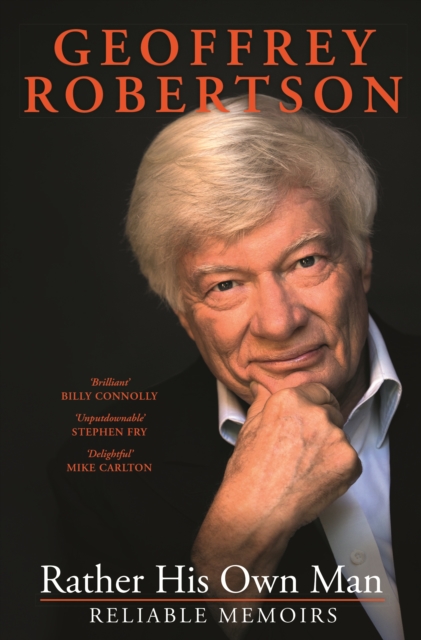
In this witty, engrossing and sometimes poignant memoir, a sequel to his best-selling The Justice Game, Australia's inimitable Geoffrey Robertson charts his progress from pimply state schoolboy to top Old Bailey barrister and thence onwards and upwards to a leading role in the struggle for human rights throughout the world.
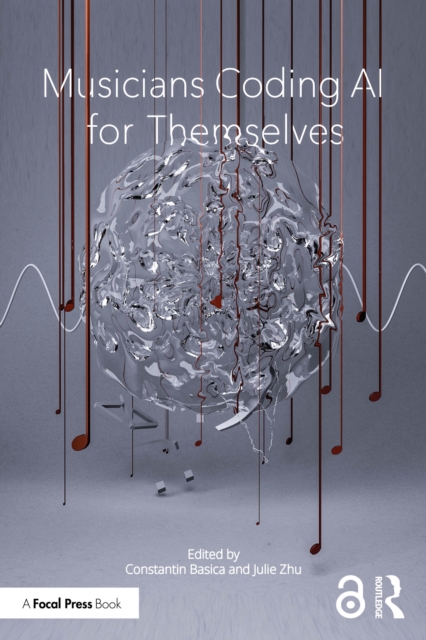
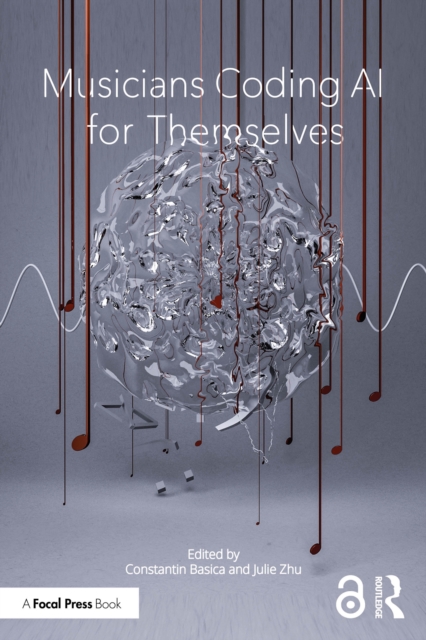
Musicians Coding AI for Themselves blends cutting-edge academic research with the real-world experiences of musicians working at the intersection of music and AI.
Musicians Coding AI for Themselves blends cutting-edge academic research with the real-world experiences of musicians working at the intersection of music and AI.
There are moments in time that cause us to stop and take notice of where we were and what we were doing when they happen in order to commit the experience to memory—how it made us feel, who was there with us, why it felt important.
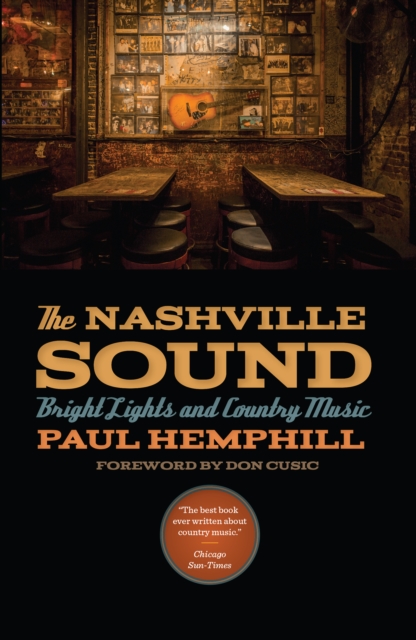
While on a Nieman Fellowship at Harvard, journalist and novelist Paul Hemphill wrote of that pivotal moment in the late sixties when traditional defenders of the hillbilly roots of country music were confronted by the new influences and business realities of pop music.