This interdisciplinary anthology explores the complex relationships in an artist's life between fact and fiction, presentation and existence, and critique and creation, and examines the work that ultimately results from these tensions.
This interdisciplinary anthology explores the complex relationships in an artist's life between fact and fiction, presentation and existence, and critique and creation, and examines the work that ultimately results from these tensions.
The most clearly identifiable and popular form of Japanese hip-hop, ghetto or gangsta music has much in common with its corresponding American subgenres, including its portrayal of life on the margins, confrontational style, and aspirational rags-to-riches narratives.
For all of its apparent simplicity a few chords, twelve bars, and a supposedly straightforward American character blues music is a complex phenomenon with cultural significance that has varied greatly across different historical contexts.
The present volume is the biography of Oscar Tschirky (1866-1943), known throughout the world as Oscar of the Waldorf, who worked as maitre d'hotel of the Waldorf Astoria Hotel in New York City from 1893 to 1943.
In Music for the Millions, author Van Allen Bradley tells the story of a firm which, at the time of this book's original publication in 1962, had endured for 100 years.
Written by an outstanding authority and profusely illustrated, this is a comprehensive study of the Indians that lived from Yakutat Bay in Alaska to the northern coast of California.
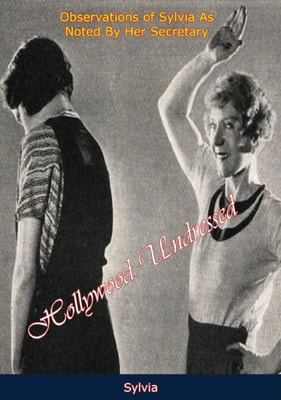
In 1932, Sylvia exposed the foibles of the Hollywood system and her illustrious clientele in the book Hollywood Undressed: Observations of Sylvia as Noted by Her Secretary (1931).
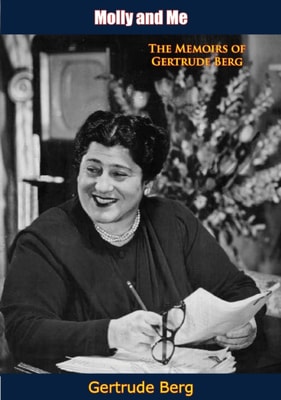
In these warm, happy memoirs of one of America's most beloved radio, television, and stage stars, a woman who has delighted millions of people tells her own wonderful story, from the arrival of her grandfather in this country to her triumph in the Broadway hit A Majority of One.
The cellist in exile is, of course, Pablo Casals, one of the noble figures of the century, who is aptly described here by Bernard Taper as that rarity-an artist with a sense of commitment to humanity.
Meet the Governor who read the Bible to Sally Rand; English Bob, the nose-biter, and all the luscious damozels, in this fabulous potpourri of stories by Billy Rose, author of the syndicated column PITCHING HORSESHOES.
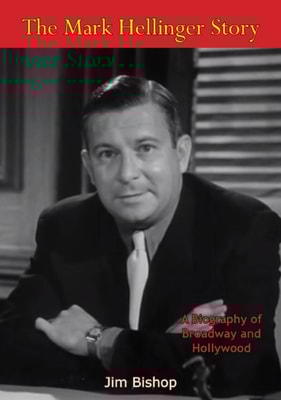
Mark Hellinger, beloved newspaperman, whose Broadway column was read daily by 22,000,000 people, and whose years as a Hollywood producer were marked by such outstanding successes as "e;High Sierra,"e; "e;The Killers,"e; and "e;Naked City,"e; died in 1947 in his forty-fifth year.
Dygartsbush, New York, in the year 1778-smoke rising from lonely cabins, but not the fragrant smoke of cookfires, welcoming the men home from clearing, forest and trail.
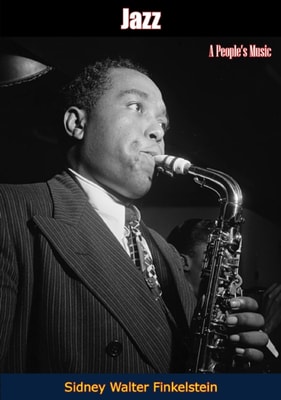
It was the five young men who called themselves The Original Dixieland Jazz Band who raised jazz from being a curious, local, and peculiarly Negro phenomenon into the greatest popular artform in history.
This charming autobiography captures the life story of a fascinating woman: a Missouri girl-turned-world-class soprano who remained true to her roots through it all.
In If I Knew Then, which was first published in 1962, Debbie Reynolds makes her debut as an author, having already excelled in numerous other fields of expression-including appearing in motion pictures, on the stage, in vaudeville and on television, and selling more than a million copies of her record "e;Tammy,"e; from the movie Tammy and the Bachelor (1957).
Gunneson City Sheriff "e;Doc"e; Cyrus Wells Shores (1844-1934)-nicknamed after the doctor who delivered him in Hicksville, Detroit in 1844-became well-known as a Colorado lawman for bringing down local criminals without parading his authority or a display of guns.
California Indian Folklore, which was first published in 1936, is a fascinating book, well written, and full of interesting first hand lore of California's Yokuts Indians.