Jan Berry, leader of the music duo Jan & Dean from the late 1950s to mid-1960s, was an intense character who experienced more in his first 25 years than many do in a lifetime.
From his birth in Owensboro, Kentucky, in 1947, to his 2020 album featuring the music of Lee Hammons, Wayne Howard has lived an exceptionally creative life.
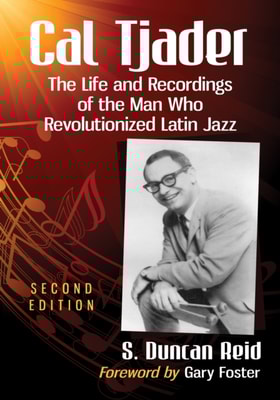
Within one of the most complex musical categories yet to surface, Cal Tjader quietly pioneered the genre as a jazz vibraphonist, composer, arranger and bandleader from the 1950s through the 1980s.
A catalog nearly fifty years in the making, Bruce Springsteen's music remains popular and a frequent subject of study yet little critical attention has been given to its inclusion in film and television.
Eleanora "e;Lady Day"e; Fagan, better known as Billie Holiday, played a primary role in the development of American jazz culture and in African American history.
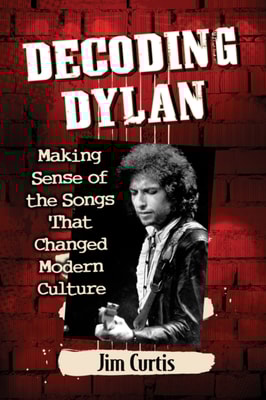
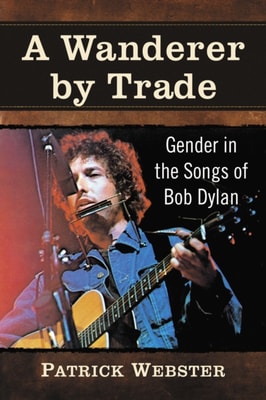
Taking readers behind Bob Dylan's familiar image as the enigmatic rebel of the 1960s, this book reveals a different view--that of a careful craftsman and student of the art of songwriting.
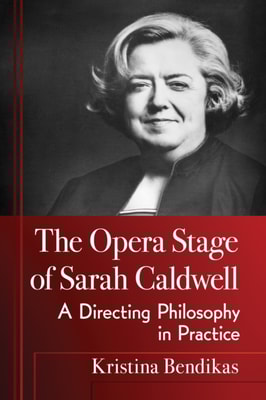
Sarah Caldwell, the leader of the Opera Company of Boston from 1958-1990, was a groundbreaking and idiosyncratic woman who established her own career as a conductor and stage director in an environment resistant to change.
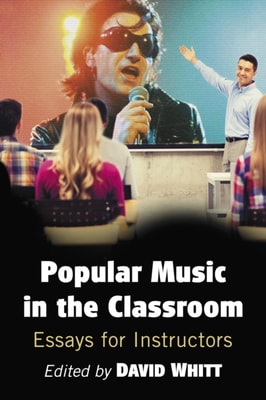
Popular music has long been a subject of academic inquiry, with college courses taught on Elvis Presley, Bob Dylan, and the Beatles, along with more contemporary artists like Beyonce and Outkast.
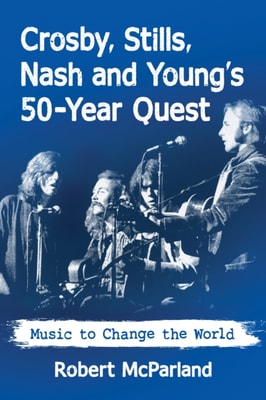
Crosby, Stills, Nash, and Young, with their distinct vocal harmonies, blending of rock, jazz, folk, and blues, and political and social activism, have remained one of the most enduring musical acts of the 1960s.
This day-by-day chronicle of every live concert by the Rolling Stones from 1962 through 1982 traces their development from a band playing small clubs around London to the global phenomenon we know today.
Many of Bob Dylan's most well-known works date from the 1960s, and can be seen as critical indicators of the changes in American society then and since.
From the rise of the American Evangelical movement to the introduction of Eastern philosophies in the West, the past century has seen major changes in the religious makeup of Western culture.
As technology advances, society retains its mythical roots--a tendency evident in rock music and its enduring relationship with myth and science fiction.
While rock groups such as the Beach Boys and Jan and Dean defined the beach music of Southern California during the 1960s, a different, R&B influenced sound could be heard along South Carolina's Grand Strand.
Dance music has seen an unprecedented explosion in the 21st century as a stampede of subgenres, such as dance pop and EDM (electronic dance music), have come to define the pop music scene worldwide.
Friedrich Nietzsche regarded himself as the most musical philosopher--he played the piano, wrote his own compositions and espoused a philosophy encouraging all to dance for joy.
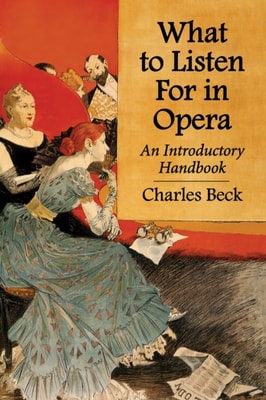
In its revised third edition, this volume argues that an appreciation of opera is based on understanding of several key aspects: history, language, theatrical production, the power of the conductor, vocal tradition and standard repertory.
Covering famous operas from 14 Italian, French and German composers, this handbook is designed to help listeners understand and appreciate the special skills required to sing famous operatic songs.
Herb Hicks is an artist who understands the fear behind painting a self-portrait but who also appreciates that a candid recounting of events in life can provide an emotional catharsis.