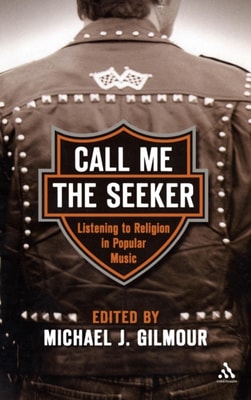
-One of very few books on religion and popular music-Covers a wide range of musical styles, from heavy metal and rap to country, jazz and Broadway musicals-The essays are written by academics and informed by their enthusiasm for the musicMany books have explored the relationship between religion and film, but few have yet examined the significance of religion to popular music.
The Stone Roses shows a band sizzling with skill, consumed with drive and aspiration and possessing an almost preternatural mastery of the pop paradigm.
At a time when fundamentalism is on the rise, traditional religions are in decline and postmodernity has challenged any system that claims to be all-defining, young people have left their traditional places of worship and set up their own, in clubs, at festivals and within music culture.
Loveless remains an enigma, 15 years after its release - an album so influential and groundbreaking that its chief creator, Kevin Shields, has been unable or unwilling to release an official follow-up.
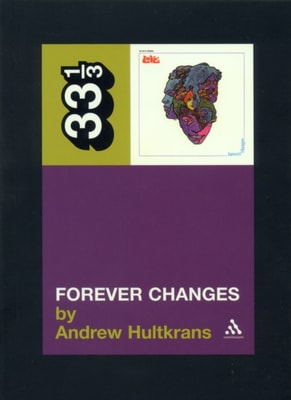
By the time Roger McGuinn, David Crosby, Chris Hillman, and Michael Clarke entered the studio to begin work on this album, they were basically falling apart at the seams.
Such Deliberate Disguises: The Art of Philip Larkin argues that a true understanding of Philip Larkin as man and poet lies beyond his enduring public appeal and the variety of criticism that has recently been applied to his work.
Non-fans regard Celine Dion as ersatz and plastic, yet to those who love her, no one could be more real, with her impoverished childhood, her (creepy) manager-husband's struggle with cancer, her knack for howling out raw emotion.
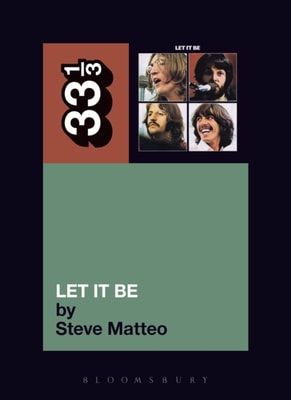
The recording sessions for Let It Be actually began as rehearsals for a proposed return to live stage work for the Beatles, to be inaugurated in a concert at a Roman amphitheatre in Tunisia.
Ignored by virtually everyone upon its release in November 1968, 'The Kinks Are The Village Green Preservation Society' is now seen as one of the best British albums ever recorded.
Described as the perfect fusion of poetry and garage band rock and roll (the original concept was "e;rock and Rimbaud"e;), Horses belongs as much to the world of literary and cultural criticism as it does to the realm of musicology.
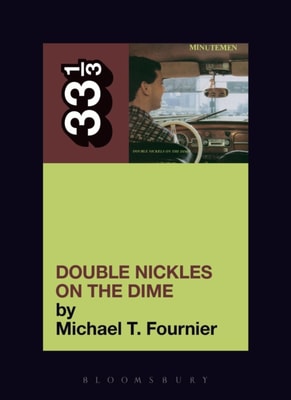
The story of the Minutemen has been told before (Our Band Could Be Your Life, We Jam Econo), but this book focuses purely on their music - the punk ethic and the remarkable, enduring songs that comprise this, their greatest achievement.
The recording sessions for Let It Be actually began as rehearsals for a proposed return to live stage work for the Beatles, to be inaugurated in a concert at a Roman amphitheatre in Tunisia.
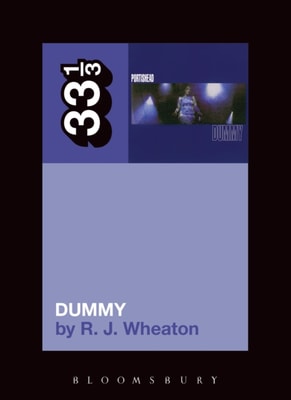
An album which distilled a genre from the musical, cultural, and social ether, Portishead's Dummy was such a complete artistic achievement that its ubiquitous successes threatened to exhaust its own potential.
On the back of his published diary Brian Eno describes himself variously as: a mammal, a father, an artist, a celebrity, a pragmatist, a computer-user, an interviewee, and a 'drifting clarifier'.
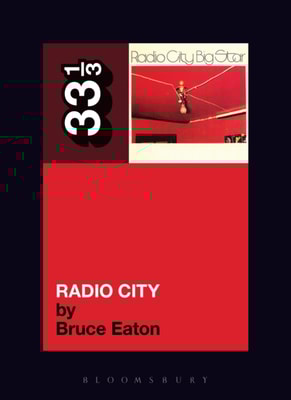
Released when ELP and Elton John were plodding from one packed stadium to the next, Radio City was a radical album influenced by records that were already deemed oldies and yet sounding like a lean electrical jolt from the future.
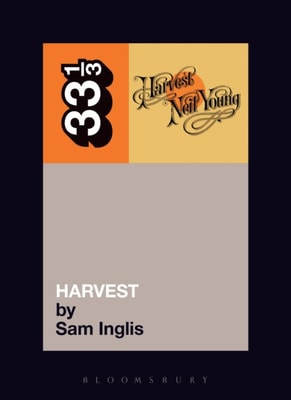
Neil Young's Harvest is one of those strange albums that has achieved lasting success without ever winning the full approval of rock critics or hardcore fans.
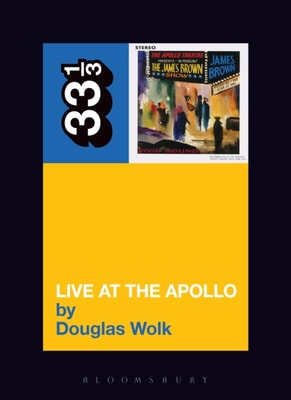
In this remarkable book, Douglas Wolk brings to life an October evening in 1962, at the Apollo Theatre in Harlem - an evening at the height of Cold War tensions.
Derided as one-hit wonders, estranged from their original producer and record label, and in self-imposed exile in Los Angeles, the Beastie Boys were written off by most observers before even beginning to record their second album - an embarrassing commercial flop that should have ruined the group's career.
The story behind the making of the album that signaled the descent of Sylvester Sly Stone Stewart into a haze of drug addiction and delirium is captivating enough for the cinema.
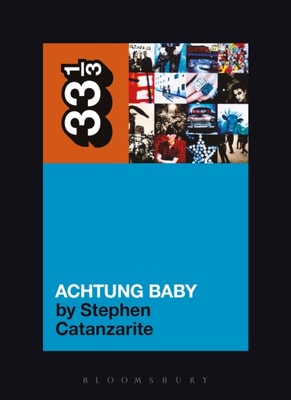
Stephen Catanzarite takes a close look at what many consider to be U2's most fully formed album through the prisms of religion, politics, spirituality, and culture, illuminating its previously unexplored depths, arguing that it's a concept album about love and the fall of man.
In this remarkable book, Douglas Wolk brings to life an October evening in 1962, at the Apollo Theatre in Harlem - an evening at the height of Cold War tensions.
Loveless remains an enigma, 15 years after its release - an album so influential and groundbreaking that its chief creator, Kevin Shields, has been unable or unwilling to release an official follow-up.
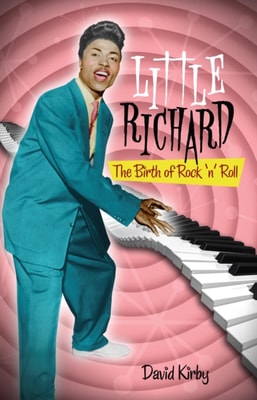
It has been sixty years since Rock 'n' Roll exploded into the mainstream, yet we remain limited in our understanding of how its bawdy excesses absorbed into the annals of mass popularity in such a short amount of time.
The story behind the making of the album that signaled the descent of Sylvester Sly Stone Stewart into a haze of drug addiction and delirium is captivating enough for the cinema.
On the back of his published diary Brian Eno describes himself variously as: a mammal, a father, an artist, a celebrity, a pragmatist, a computer-user, an interviewee, and a 'drifting clarifier'.