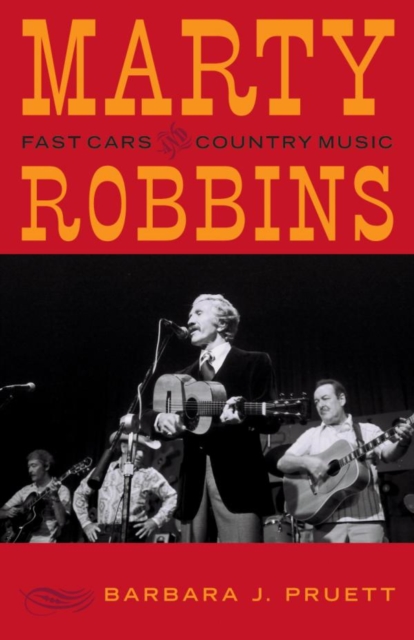
From his first performance in the late 1940s until his early death in 1982, Marty Robbins established himself as one of the most popular and successful singer/songwriters in the latter half of the 20th century.
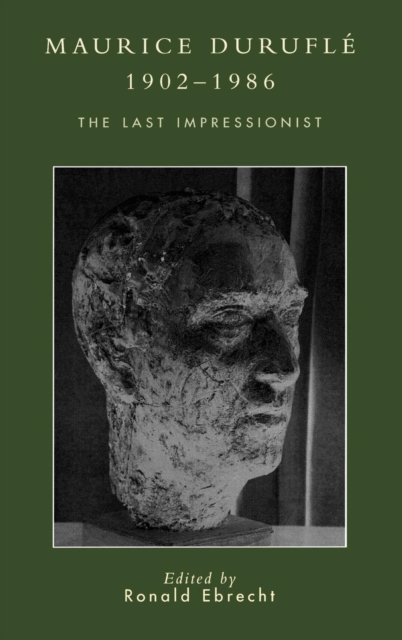
Maurice Durufle (1902-1986) is best known as composer of the hauntingly beautiful and moving Requiem of 1947, and as organist during his long tenure at the church of Saint-Etienne-du-Mont in Paris.
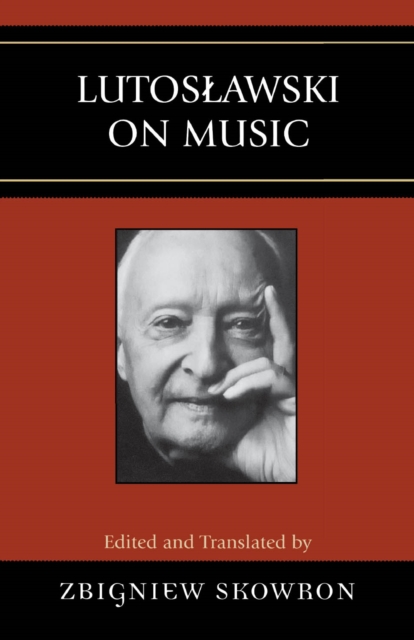
The writings of twentieth-century Polish composer Witold Lutoslawski reveal many important aspects of his approach to music and his viewpoints as an artist and as a man.
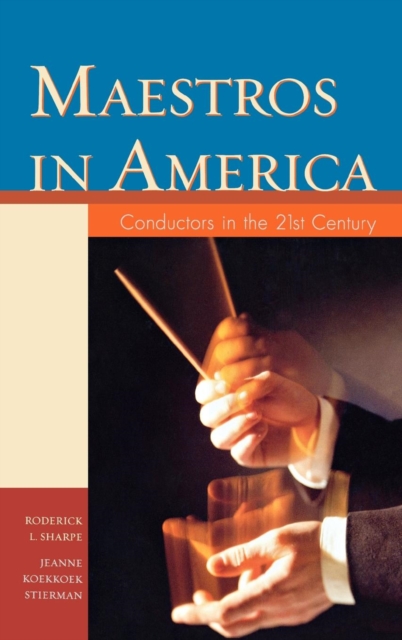
Maestros in America: Conductors in the 21st Century provides short biographical and critical essays of over 100 American conductors-and conductors in America-in the twenty-first century.
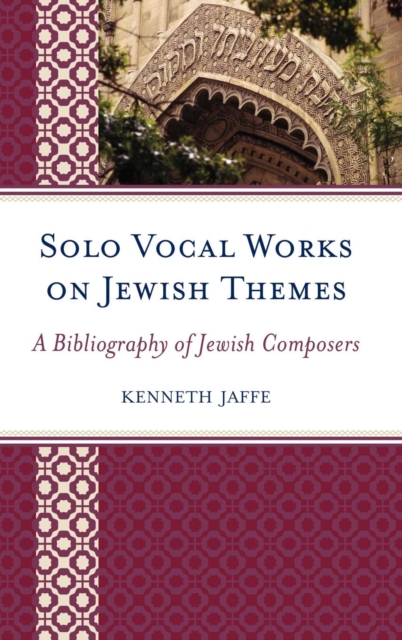
Solo Vocal Works on Jewish Themes: A Bibliography of Jewish Composers is a comprehensive and annotated compendium of stage, concert, and liturgical compositions written by Jewish composers from every known time period and country.
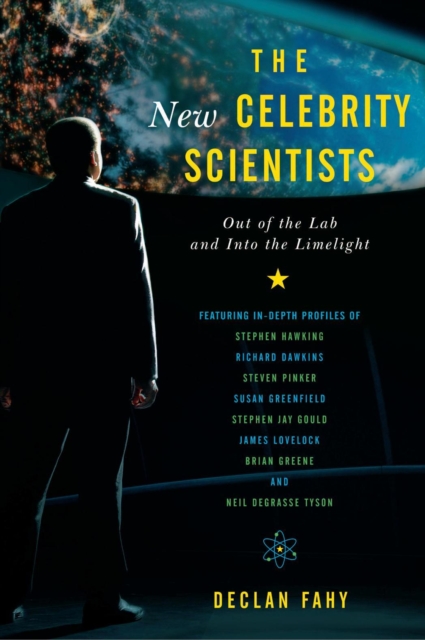
A new cultural icon strode the world stage at the turn of the twenty-first century: the celebrity scientist, as comfortable in Vanity Fair and Vogue as Smithsonian.
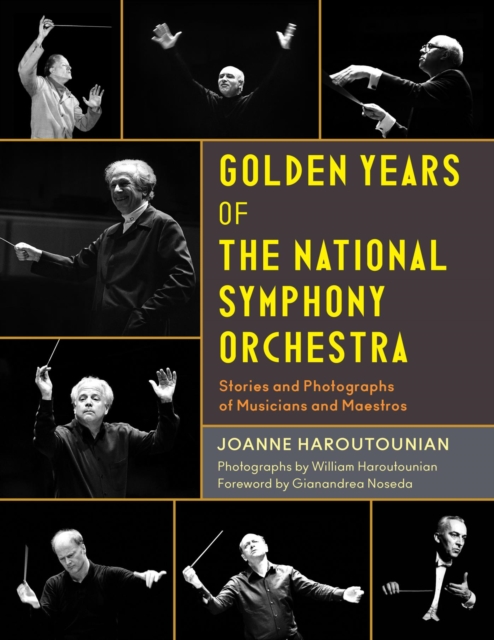
Golden Years of the National Symphony Orchestra: Stories and Photographs of Musicians and Maestros presents a rich and intimate perspective of the orchestra as it evolved in prominence and international expanse throughout the past nine decades.
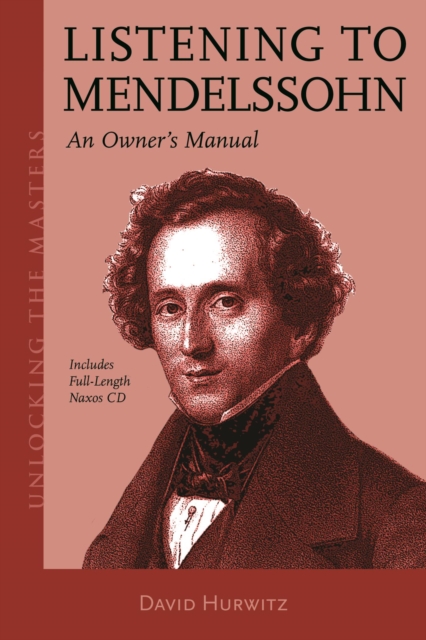
The greatest musical prodigy since Mozart (some would say he was even greater), Felix Mendelssohn (1809-1847) excelled in everything he did, musical or otherwise, and during his brief life became Europe's most respected and beloved composer.
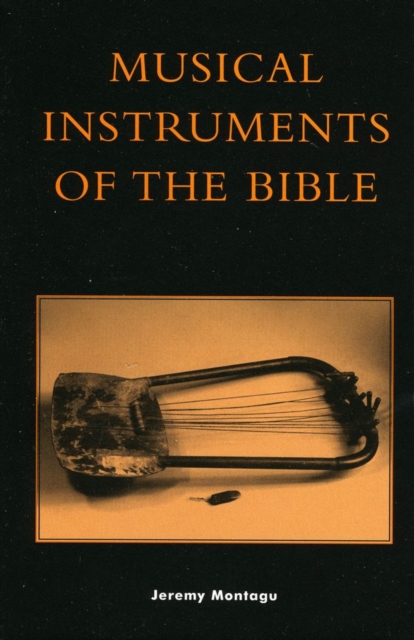
For everyone who's read the Bible and wondered what David's harp, or Nebuchadnezzar's sackbut and cornett really were, Jeremy Montagu, retired curator of Oxford's Bate Collection of Historical Instruments, has composed an astoundingly thorough investigation and explanation of the musical instruments that pepper the pages of Western Civilization's most holy book.
Puerto Rico's rich musical history is chronicled in Donald Thompson's translated texts, a history that is often unavailable to those who do not read Spanish easily.
Maurice Durufle (1902-1986) is best known as composer of the hauntingly beautiful and moving Requiem of 1947, and as organist during his long tenure at the church of Saint-Etienne-du-Mont in Paris.
Maestros in America: Conductors in the 21st Century provides short biographical and critical essays of over 100 American conductors-and conductors in America-in the twenty-first century.
Building on the strengths of the first edition, the second edition of Latin American Classical Composers: A Biographical Dictionary presents expanded and updated coverage of its topic with an aim to be comprehensive.
The writings of twentieth-century Polish composer Witold Lutoslawski reveal many important aspects of his approach to music and his viewpoints as an artist and as a man.
From his first performance in the late 1940s until his early death in 1982, Marty Robbins established himself as one of the most popular and successful singer/songwriters in the latter half of the 20th century.
Solo Vocal Works on Jewish Themes: A Bibliography of Jewish Composers is a comprehensive and annotated compendium of stage, concert, and liturgical compositions written by Jewish composers from every known time period and country.
For everyone who's read the Bible and wondered what David's harp, or Nebuchadnezzar's sackbut and cornett really were, Jeremy Montagu, retired curator of Oxford's Bate Collection of Historical Instruments, has composed an astoundingly thorough investigation and explanation of the musical instruments that pepper the pages of Western Civilization's most holy book.
Gertrude Stein and philosopher Alfred North Whitehead were unlikely friends who spent most of their mature lives in exile: Stein in France and Whitehead in the United States.
Shpil: The Art of Playing Klezmer is both a history of this popular form of traditional Jewish music and an instructional book for professional and amateur musicians.
In Experiencing Jazz: A Listener's Companion, writer, teacher, and renowned jazz drummer Michael Stephans offers a much-needed survey in the art of listening to and enjoying this dynamic, ever-changing art form.
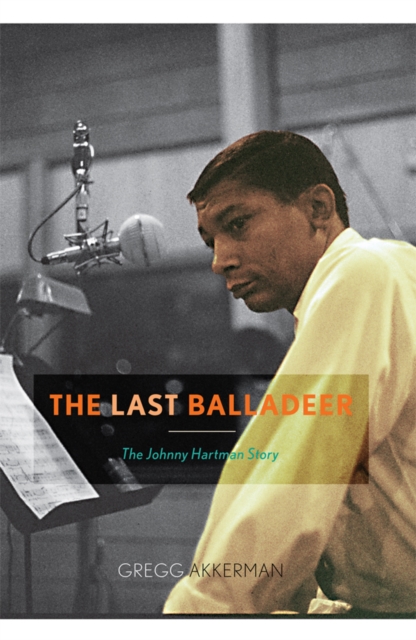
Just after recording with John Coltrane in 1963, baritone singer Johnny Hartman (1923-1983) told a family member that "e;something special"e; occurred in the studio that day.
Throughout the 1950s and 1960s, the Black Church stood as the stronghold of the Black Community, fighting for equality and economic self-sufficiency and challenging its body to be self-determined and self-aware.
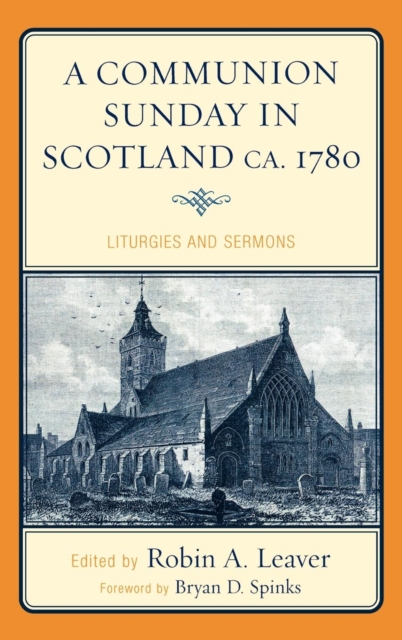
Sources for 17th, 18th, and early 19th-century Eucharistic practices in the Church of Scotland are scarce, in part because each minister was free to draw up the form and content of the services he conducted.
Jazz Books in the 1990s: An Annotated Bibliography contains over 700 entries covering adult non-fiction books on jazz published from 1990 through 1999.
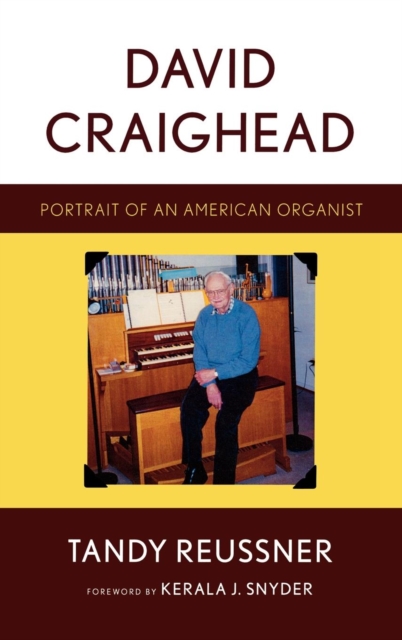
American organist David Craighead's influence in the United States and abroad is widespread and extensive: 37 years as professor of organ at the Eastman School of Music, 48 years as church organist at St.
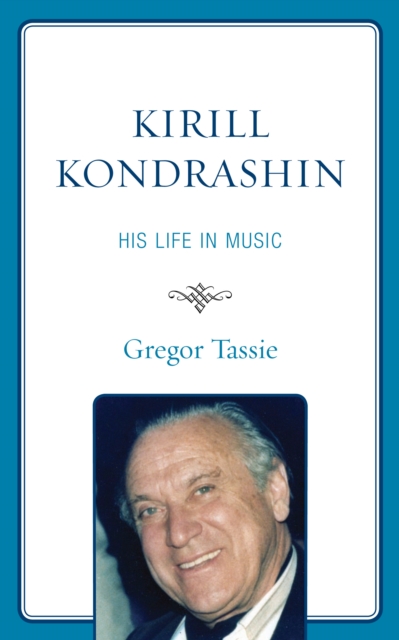
Kirill Kondrashin is regarded as one of the most brilliant Russian conductors of the 20th century and a great interpreter of Shostakovich, Prokofiev, Tchaikovsky, and Mahler.