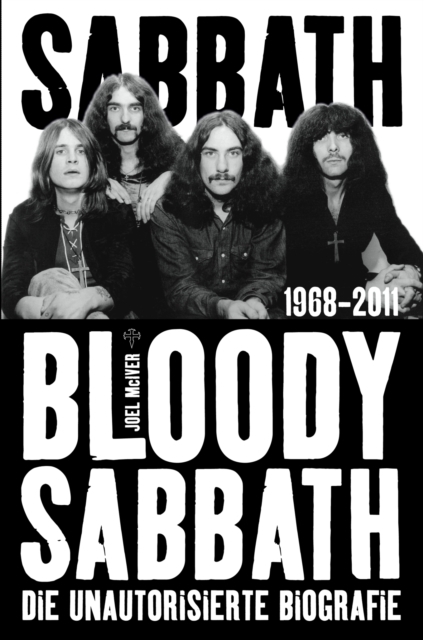
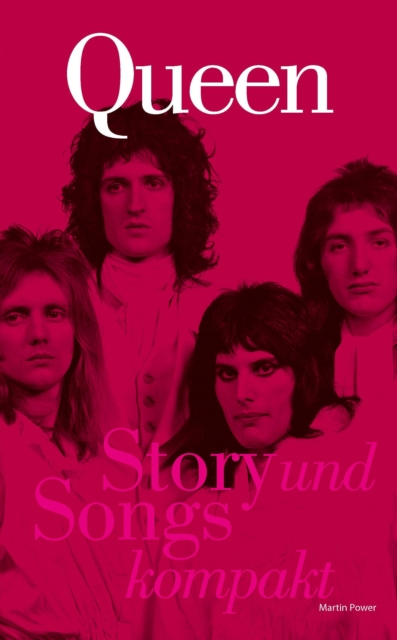
Von den meisten als die erste Heavy-Metal-Band uberhaupt bezeichnet und von Millionen vergottert, hat die Band in standig wechselnder Besetzung weltweit Tausende von Konzerten gespielt, dabei die unheilige Dreifaltigkeit aus Sex, Drogen und Skandalen ausgelebt und auf diesem Weg so ziemlich jede hartere Rockband beeinflusst, die seit 1970 von Bedeutung war.
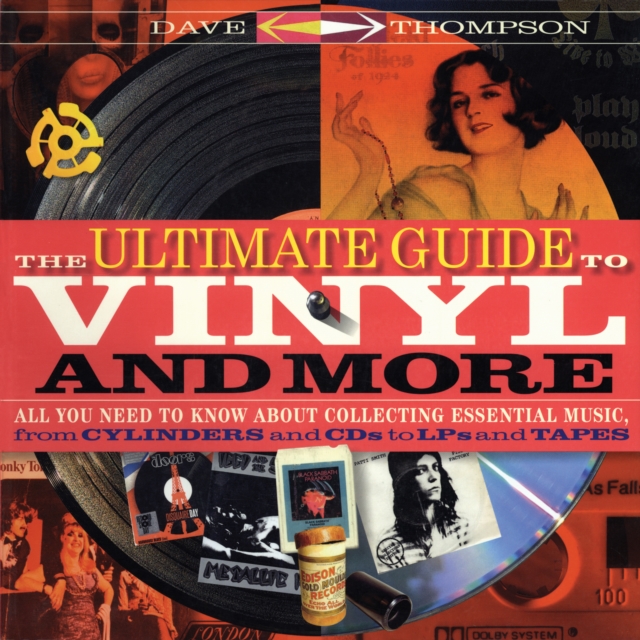
An in-depth and comprehensive guide to - and history of - music collecting, The Ultimate Guide to Vinyl and More traces the hobby from its beginnings over a century ago.
An in-depth and comprehensive guide to - and history of - music collecting, The Ultimate Guide to Vinyl and More traces the hobby from its beginnings over a century ago.
Tenor mit Lizenz zum SiegenEr wurde vom Straßensänger zum Kammersänger, sagt Star-Tenor Piotr Beczała scherzhaft über den Verlauf seiner atemberaubenden Karriere: Der Ausnahmesänger sang einst für Passanten der Wiener Innenstadt und steht heute auf den Bühnen der größten Opernhäuser der Welt, von der New Yorker Met und Mailänder Scala bis zur Wiener Staatsoper und den Bayreuther Festspielen.
Ghostly Piano Tales is a collection of 24 imaginative solo piano pieces of very easy to medium difficulty, which are ideally suited for beginners' lessons and first auditions.
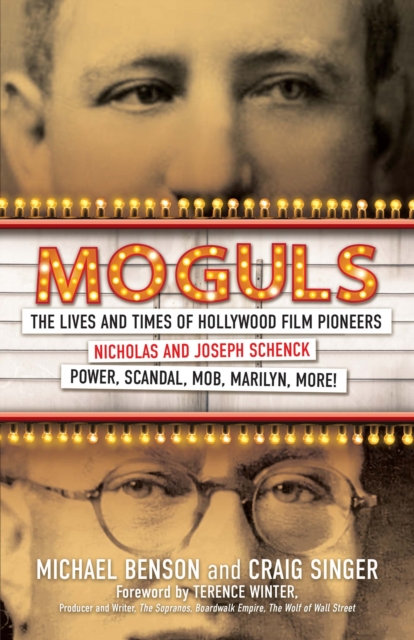
The incredible true story of the most powerful brothers in Hollywood historyan wildly entertaining saga studded with glamorous stars, scandals, mobsters, murders, and one legendary blond bombshell.
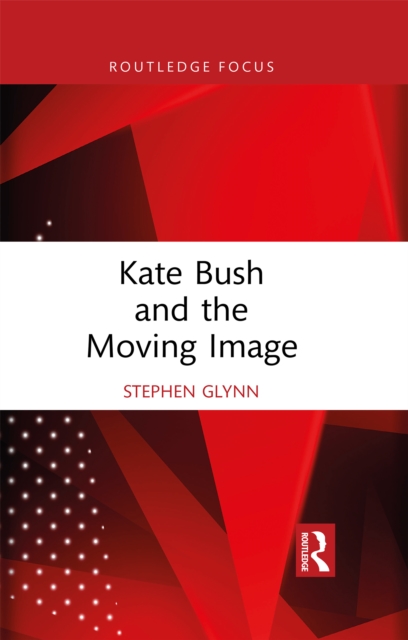
In this unique study, Stephen Glynn demonstrates that Kate Bush's work, in both sound and vision, has long been influenced and characterised by, and at times aimed at, film and television media.
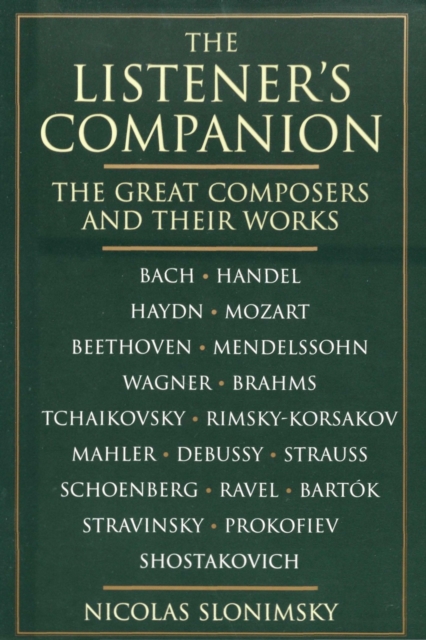
Renowned for his literary style as well as his musical scholarship, Nicolas Slonimsky wrote many program notes and articles for newspapers and other periodicals, in addition to his well-known books.
Steeped in the chaotic swirl of the Manchester music scene, David Nolan is the critically acclaimed author of Bernard Sumner: Confusion and I Swear I Was There: The Gig That Changed The World.
This incredible collection of photos, shot by Darren and Elliott Bloom between 2005 and 2011, chronicles the troubled career of a legendary singer who tragically died at the age of 27.
Women have been important players in the recording industry from the very beginning, but not until 1996 did they out-chart their male competitors and pull ahead in the race for hits.
This book charts the emergence of Kate Bush in the early-to-mid-1980s as a courageous experimentalist, a singularly expressive recording artist and a visionary music producer.
LIBRO DEL AÑO según Rough Trade y ResidentENTRE LOS MEJORES LIBROS DEL AÑO SEGÚN Rolling Stone, Mojo y Sunday TimesLas aclamadas memorias de Miki Berenyi de Lush, o los altibajos contados con una honestidad brutal de una superviviente del britpop de los 90.
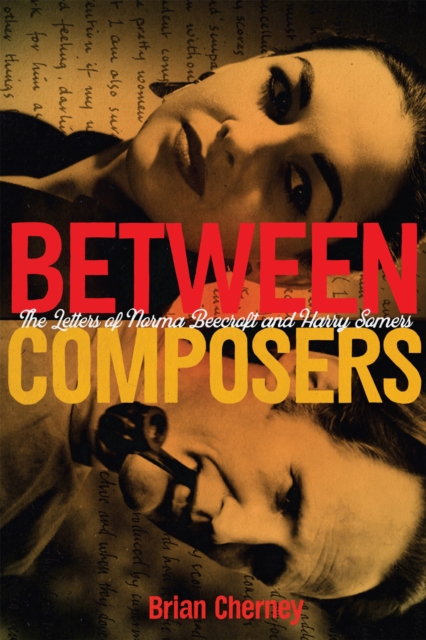
In the fall of 1959 Norma Beecroft, a twenty-five-year-old composition student, left her home in Toronto and travelled to Rome to study with the eminent Italian composer Goffredo Petrassi.
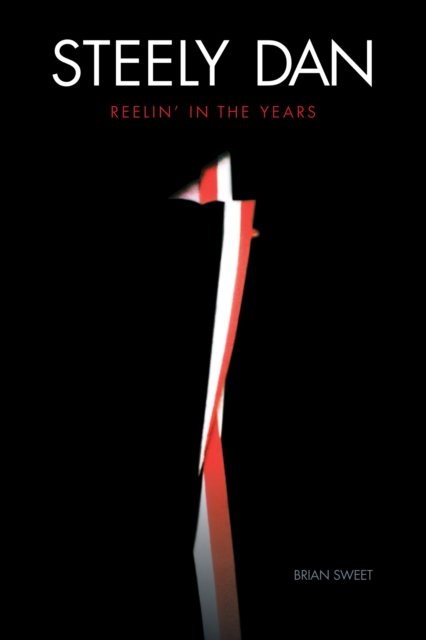
Reelin' in the Years tell the remarkable story of the American jazz rock band who have sold over 50 million albums during a career lasting over 20 years: Steely Dan.
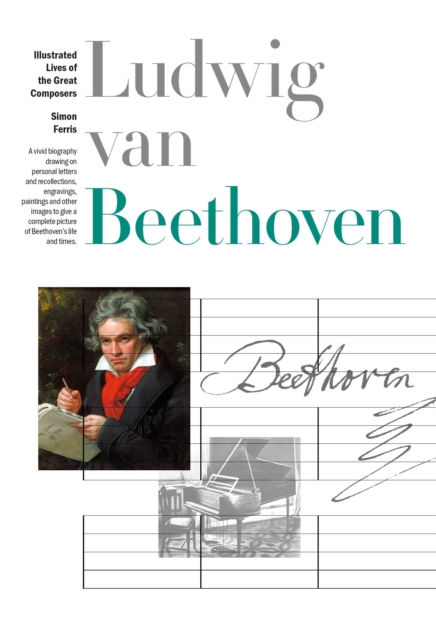
The New Illustrated Lives of Great Composers: Ludwig van Beethoven brings to life the works, the key performances and the personal story of one of the world's greatest composers with rich illustrations.
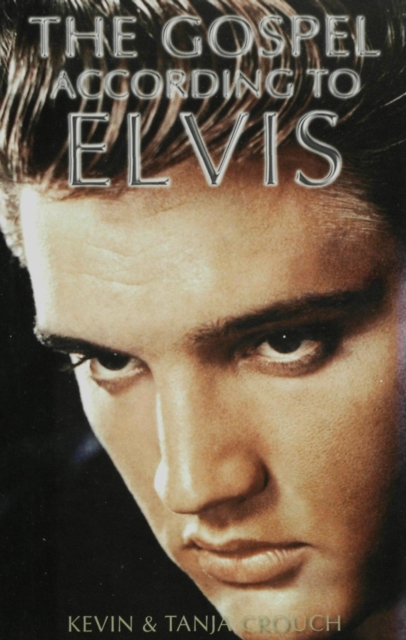
The Gospel According To Elvis celebrates the life and legacy of popular music's most influential single artist with a rich mix of inspirational quotes, biographical anecdotes, facts and memorabilia drawn from his life and work.