Sumérgete en la riqueza del repertorio clásico para guitarra con "Diez Obras de Autores Célebres", una colección excepcionalmente curada para dúo de guitarras.
Sumérgete en la riqueza del folklore argentino con "Con la guitarra que tengo", una colección excepcional de piezas musicales creadas por el talentoso Juan Falú.
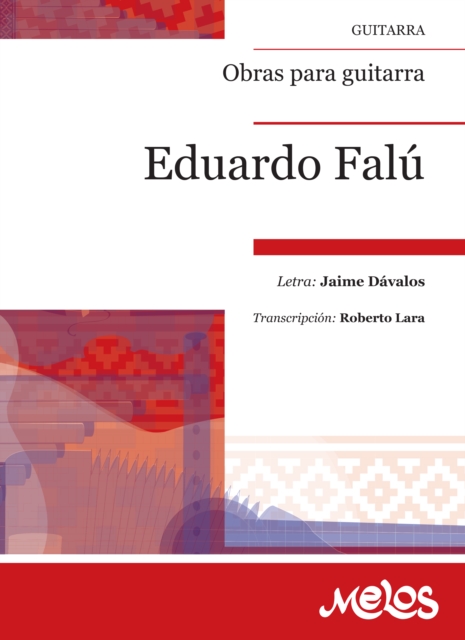
Sumérgete en la riqueza musical de la guitarra con "Eduardo Falú Guitarra: Álbum 2", una obra excepcional que presenta una colección cautivadora de piezas magistrales de renombrados compositores.
Sumérgete en el fascinante mundo del tango con "Roberto Grela, la guitarra del tango", una obra imprescindible para los amantes de este género musical.
Sumérgete en el fascinante mundo de la guitarra con "La escuela de la guitarra - Libro VII" de Mario Rodríguez Arenas, el séptimo tomo de una metodología completa que se ha convertido en un recurso imprescindible para todo estudiante de guitarra.
Sumérgete en la rica tradición del tango argentino con "Cacho Tirao: Tangos", una colección excepcionalmente curada por el renombrado guitarrista Oscar Emilio Tirao.
Descubre el fascinante mundo del blues y el jazz con "Del blues al jazz y del jazz al blues: un recorrido para guitarristas", una obra magistral creada por el renombrado músico Guido Briscioli.
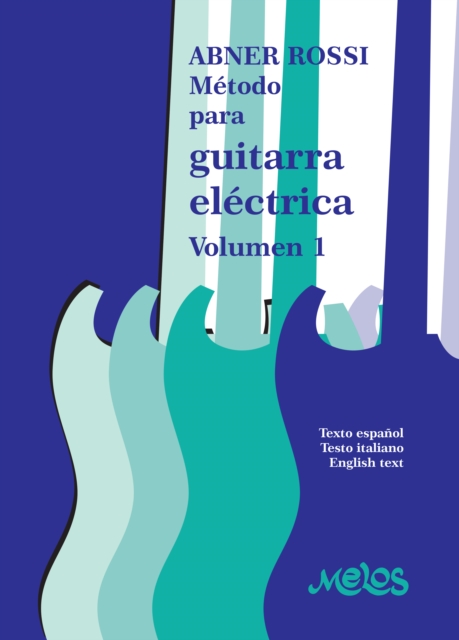
Descubre el "Método para guitarra eléctrica" de Abner Rossi, una obra esencial para todos los aspirantes a guitarristas que desean dominar este apasionante instrumento.
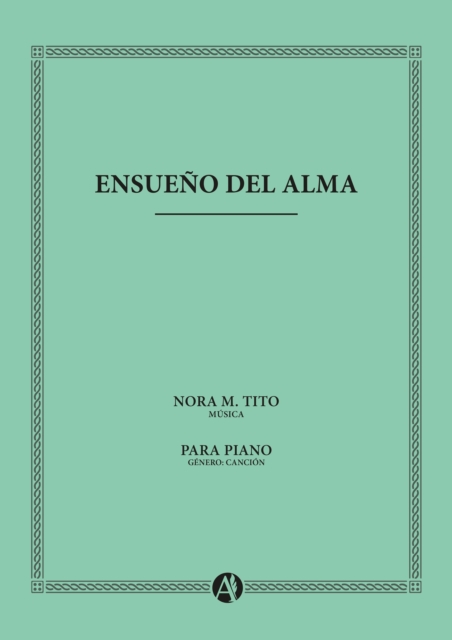
"Ensueño del alma" es una expresión músical que transporta al oyente a un mundo de ensueño e introspección, donde las melodías evocan emociones profundas y despiertan la imaginación.
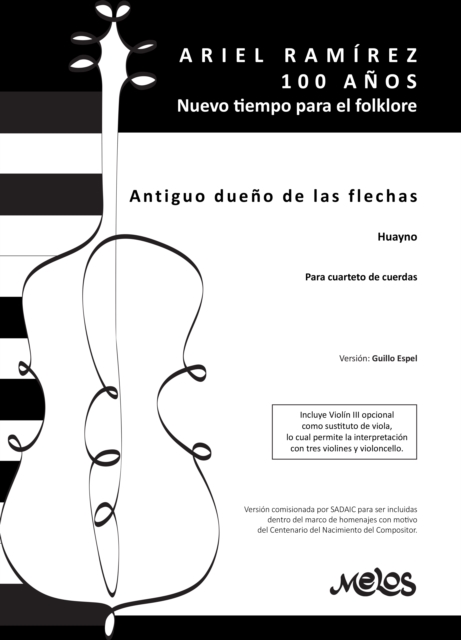
Embárcate en un viaje musical a través de las tradiciones argentinas con 'Antiguo Dueño de las Flechas', un emocionante huayno adaptado para cuarteto de cuerdas por el talentoso Guillo Espel.
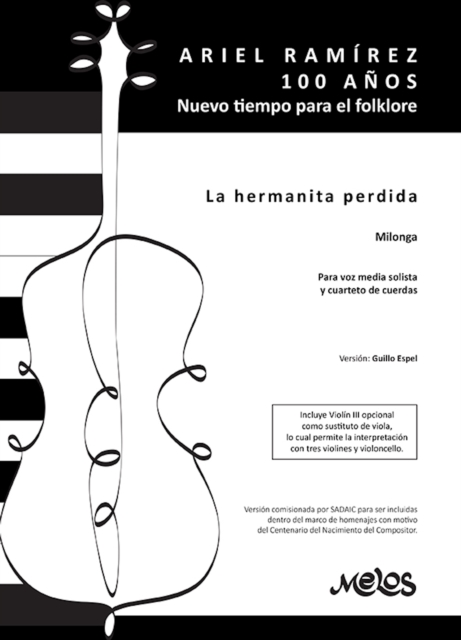
Descubre la emotiva melodía de 'La hermanita perdida', una milonga para voz media solista y cuarteto de cuerdas, creada por el legendario compositor argentino Ariel Ramírez en su centenario.
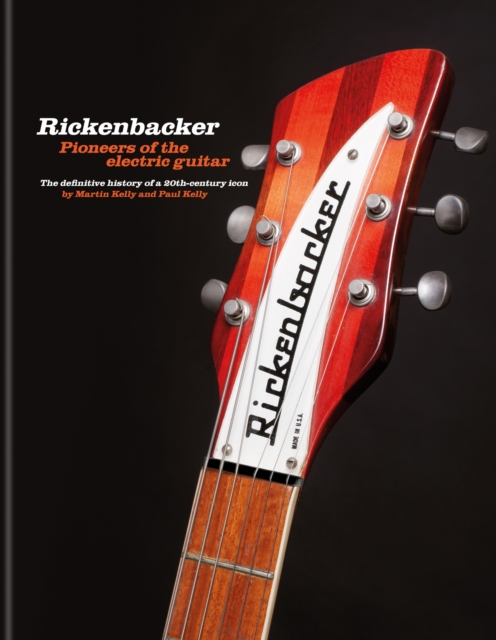
A STUNNING NEW AND COMPLETELY REVISED EDITION OF THE RICKENBACKER BIBLE FOR 2023'Knowing Martin and Paul Kelly's perfectionism and attention to detail it's no surprise that this is the ultimate and complete story of all things Rickenbacker.
Este segundo volumen del reconocido Método práctico de violín de Nicolás Laoureux ofrece 30 estudios progresivos especialmente diseñados para consolidar el dominio de la primera posición, una etapa clave en la formación técnica del violinista.
Este tercer volumen del célebre Método completo de guitarra de Ferdinando Carulli ofrece una colección cuidadosamente seleccionada de estudios progresivos, piezas musicales clásicas y lecciones para dos guitarras.
This collection of 55 well-known masterpieces of classical music offers arrangements that are well suited to the guitar, while remaining as faithful as possible to the original setting.
A selection of the most important guitar studies by Aguado, Cano, Carcassi, Coste Giuliano, Sor and others for advanced guitarists, with fingerings and information on how to study the works.
El Libro Real del Tango incluye más de 100 años de obras de repertorio, algunas de ellas casi "descatalogadas" hasta hoy, así como prácticamente todos los clásicos y páginas más famosas del género musical.
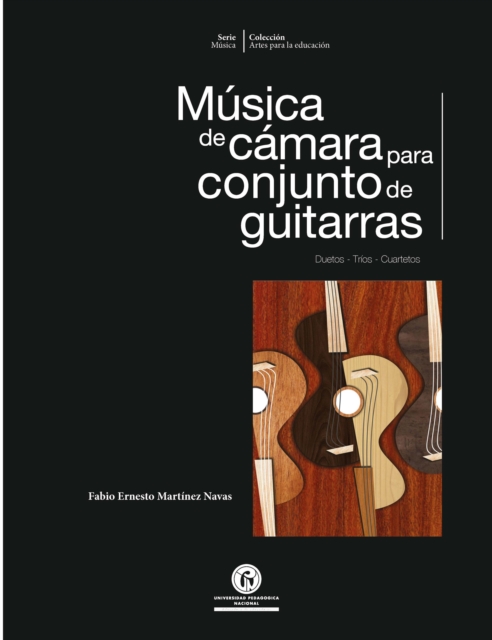
Este libro reúne cien obras de música de cámara para conjunto de guitarras, divididas en tres partes: treinta y cinco (35) duetos, treinta y ocho (38) tríos y veintisiete (27) cuartetos.
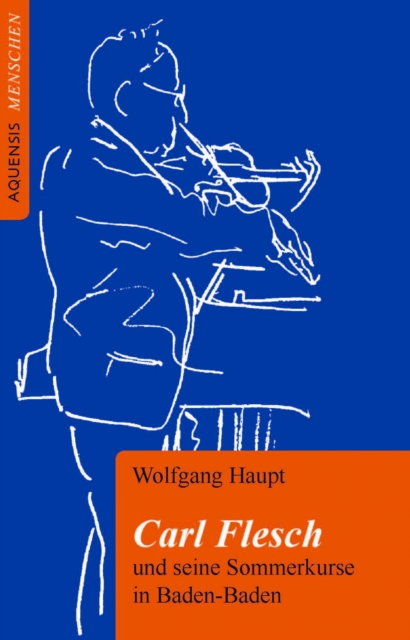
Die erste Biografie über den großen Geiger und Violinpädagogen Carl Flesch, die auch über seine legendären Sommerkurse in Baden-Baden und ihr Umfeld berichtet.
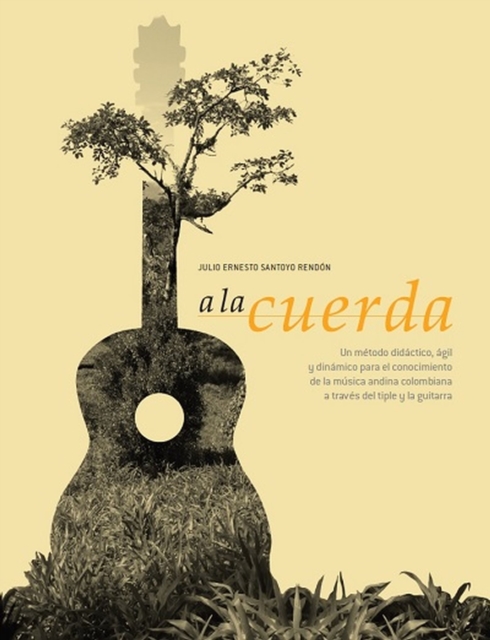
Un método didáctico, ágil y dinámico para el conocimiento de la música andina colombiana a través del tiple y la guitarra para abordar en el conocimiento de contenidos académicos muy específicos en el área de la gramática musical, como el ritmo, los valores de las figuras, los intervalos, las notaciones musicales y las funciones armónicas.
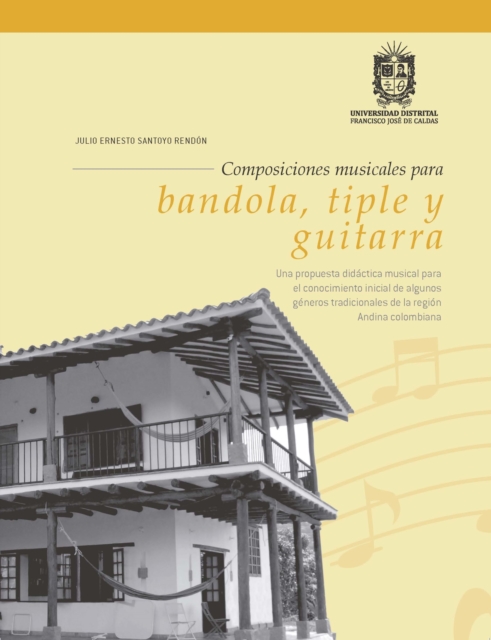
Composiciones musicales para bandola, tiple y guitarra es una propuesta didáctica para el discernimiento inicial de algunos géneros tradicionales de la región Andina colombiana, como son el vals, la guabina, el pasillo, el bambuco y la danza.
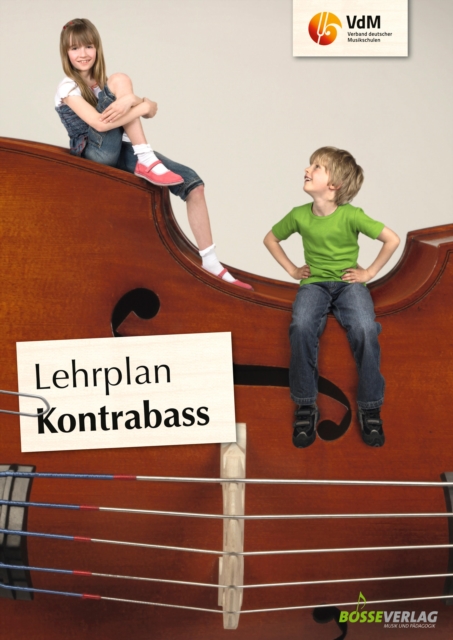
Der neue Lehrplan Kontrabass vermittelt alle wesentlichen Aspekte eines zeitgemäßen Unterrichts und bildet eine unverzichtbare Arbeits- und Orientierungshilfe.