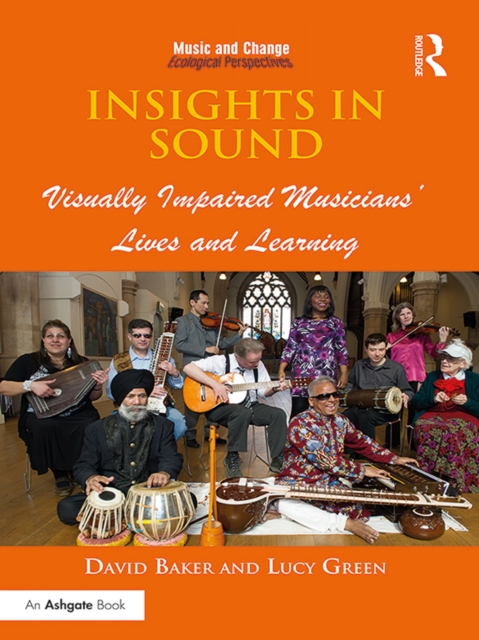
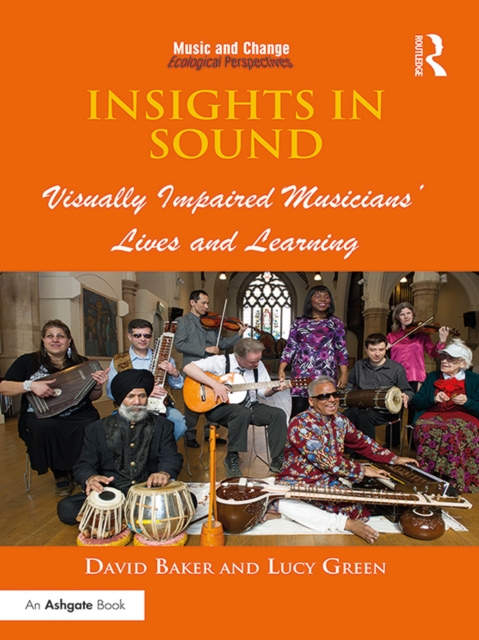
Music has long been a way in which visually impaired people could gain financial independence, excel at a highly-valued skill, or simply enjoy musical participation.
Music has long been a way in which visually impaired people could gain financial independence, excel at a highly-valued skill, or simply enjoy musical participation.
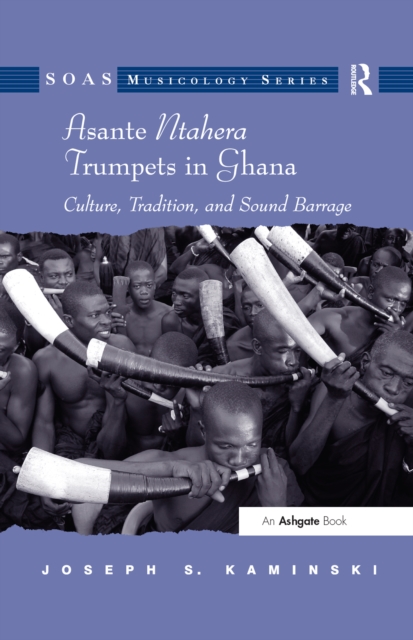
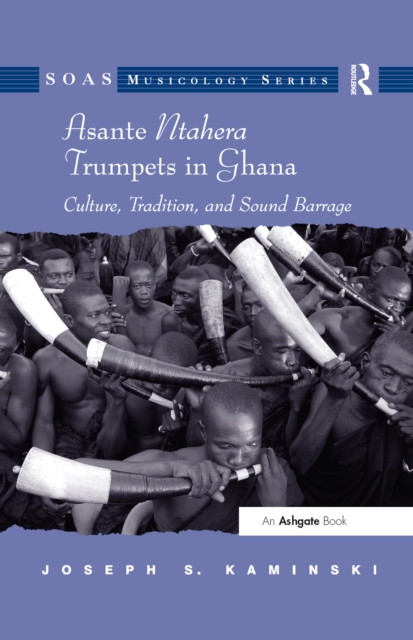
Based on the author's fieldwork in Ghana with the Asante and Denkyira ntahera trumpeters, this book draws on interviews, field recordings, oral traditions, written accounts, archaeological evidence, transcriptions and linguistic analyses to situate the Asante trumpet tradition in historical culture.
Based on the author's fieldwork in Ghana with the Asante and Denkyira ntahera trumpeters, this book draws on interviews, field recordings, oral traditions, written accounts, archaeological evidence, transcriptions and linguistic analyses to situate the Asante trumpet tradition in historical culture.
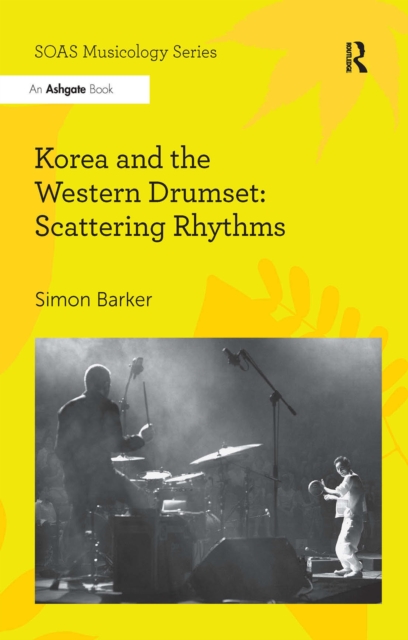
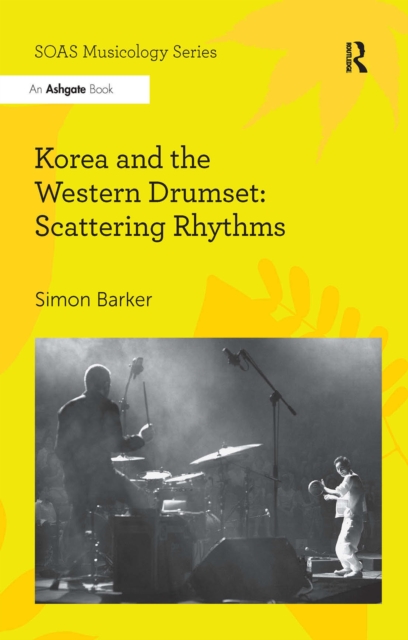
For over a century, drummers have been turning to a variety of percussive traditions as prompts for the creation of new expressive possibilities on the drumset.
For over a century, drummers have been turning to a variety of percussive traditions as prompts for the creation of new expressive possibilities on the drumset.
Studies in English Organ Music is a collection of essays by expert authors that examines key areas of the repertoire in the history of organ music in England.
Studies in English Organ Music is a collection of essays by expert authors that examines key areas of the repertoire in the history of organ music in England.
English keyboard music reached an unsurpassed level of sophistication in the late sixteenth and early seventeenth centuries as organists such as William Byrd and his students took a genre associated with domestic, amateur performance and treated it as seriously as vocal music.
English keyboard music reached an unsurpassed level of sophistication in the late sixteenth and early seventeenth centuries as organists such as William Byrd and his students took a genre associated with domestic, amateur performance and treated it as seriously as vocal music.
Research in the 20th and 21st centuries into historical performance practice has changed not just the way performers approach music of the 17th and 18th centuries but, eventually, the way audiences listen to it.
Research in the 20th and 21st centuries into historical performance practice has changed not just the way performers approach music of the 17th and 18th centuries but, eventually, the way audiences listen to it.
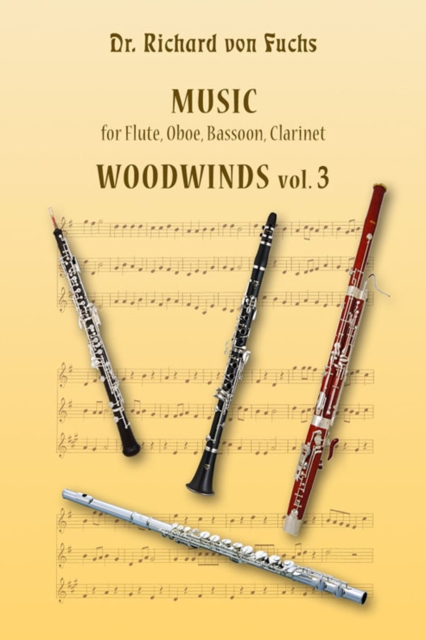
The late 17th century through to the end of the 18th century saw rapid progress in the development of woodwind instruments and the composition of a vast body of music for those instruments.
The late 17th century through to the end of the 18th century saw rapid progress in the development of woodwind instruments and the composition of a vast body of music for those instruments.
This volume brings together twenty-two of the most diverse and stimulating journal articles on classical and romantic performing practice, representing a rich vein of enquiry into epochs of music still very much at the forefront of current concert repertoire.
This volume brings together twenty-two of the most diverse and stimulating journal articles on classical and romantic performing practice, representing a rich vein of enquiry into epochs of music still very much at the forefront of current concert repertoire.
After decades of stagnation during the reign of his father, the 'Barracks King', the performing arts began to flourish in Berlin under Frederick the Great.
After decades of stagnation during the reign of his father, the 'Barracks King', the performing arts began to flourish in Berlin under Frederick the Great.
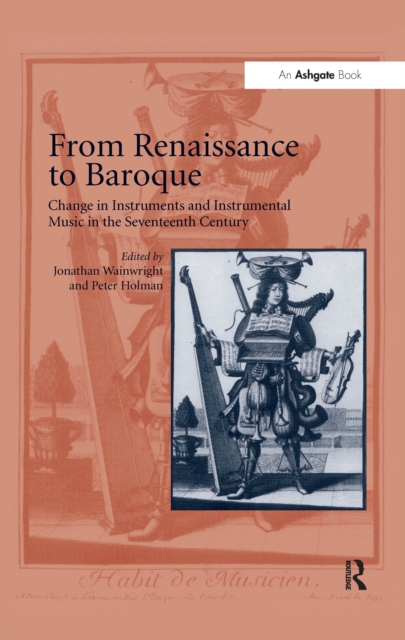
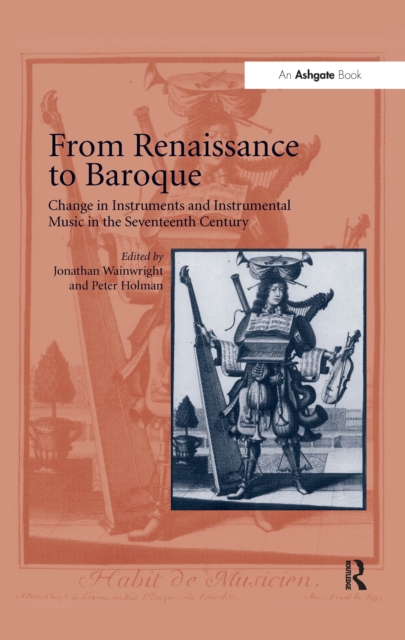
Historians of instruments and instrumental music have long recognised that there was a period of profound change in the seventeenth century, when the consorts or families of instruments developed during the Renaissance were replaced by the new models of the Baroque period.
Historians of instruments and instrumental music have long recognised that there was a period of profound change in the seventeenth century, when the consorts or families of instruments developed during the Renaissance were replaced by the new models of the Baroque period.
When Olivier Messiaen died in 1992, the prevailing image was of a man apart; a deeply religious man whose only sources of inspiration were God and Nature and a composer whose music progressed along an entirely individual path, artistically impervious to contemporaneous events and the whims both of his contemporaries and the critics.
When Olivier Messiaen died in 1992, the prevailing image was of a man apart; a deeply religious man whose only sources of inspiration were God and Nature and a composer whose music progressed along an entirely individual path, artistically impervious to contemporaneous events and the whims both of his contemporaries and the critics.