Mit seinem neuen Werk legt Masen Abou-Dakn, einer der erfolgreichsten Songwriting-Pädagogen im deutschsprachigen Raum, ein umfangreiches Arbeitsbuch zum Songtexten vor.
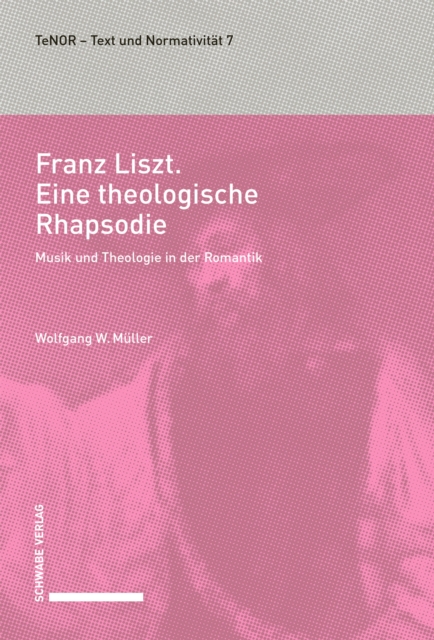
Thema dieser Studie ist die Verbindung von Theologie und Musik als ideologisches Instrumentarium des Bayreuther Kreises, der als Bindeglied zwischen Richard Wagner und der NS-Ideologie fungierte.
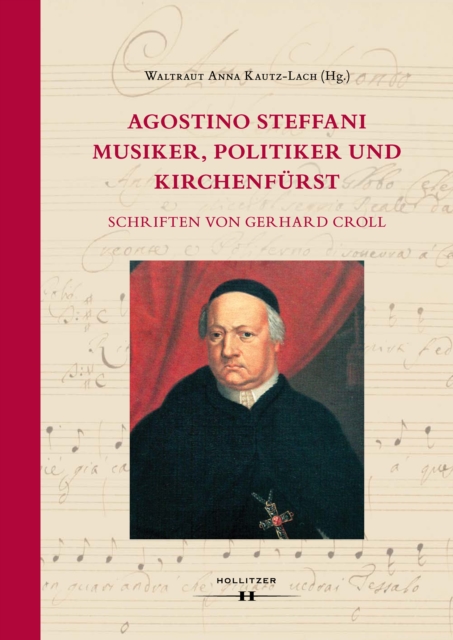
Der Musikwissenschaftler Gerhard Croll – Gründungsmitglied der Internationalen Gluck-Gesellschaft und langjähriger Mitarbeiter der Neuen Mozart-Ausgabe – hat maßgeblich zur Wiederentdeckung des Barock-Komponisten Agostino Steffani beigetragen.
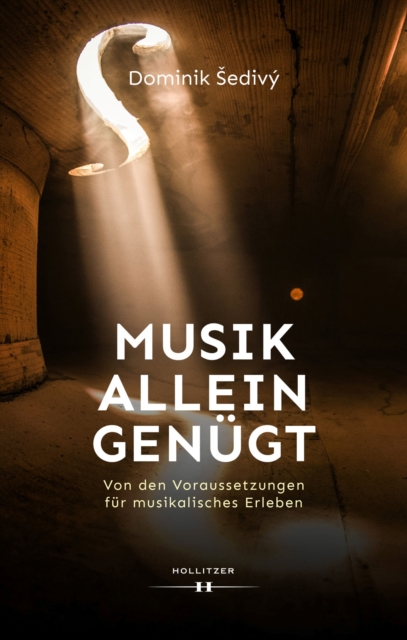
"Musik allein genügt" ist ein Plädoyer für ein vollkommenes Sicheinlassen auf Musik: Es genügt nicht, ihre mutmaßlichen Inhalte ästhetisch zur Kenntnis zu nehmen oder zu sezieren.
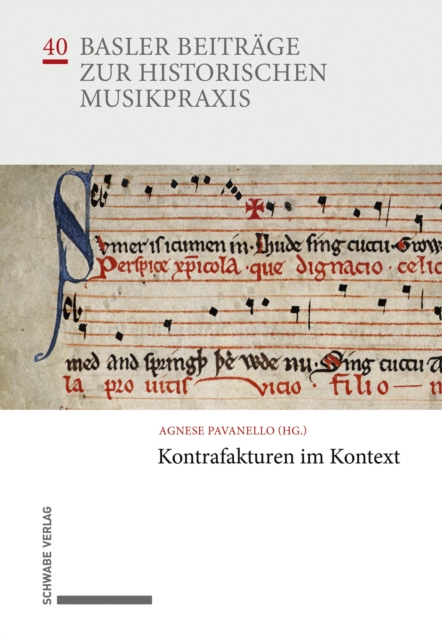
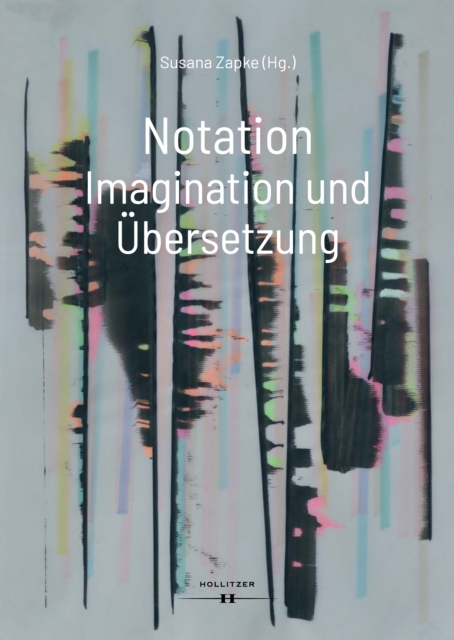
Die in diesem Band versammelten Beiträge gewähren Einblick in vielfältige Deutungsfelder der Begriffe Notation, Sprachphilosophie, Film, Tanz, Musik, Spiel und bildende Kunst.
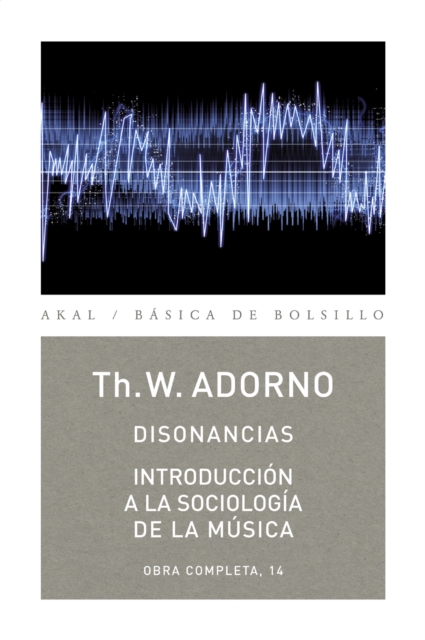
En Disonancias e Introducción a la sociología de la música Adorno expone sus consideraciones sociológico-musicales sobre las que desarrolló su filosofía sobre la nueva música.
Este texto aborda el tema de los picós y la champeta en Cartagena resaltando su centralidad en las fiestas y su trascendencia en la vida cotidiana de los habitantes de los barrios populares de la ciudad.
Examining how victimisation can occur across the online-offline continuum while emphasising the need for a holistic approach to understanding and addressing contemporary harms, this book covers various themes of victimisation in the digital age linked to the interconnectedness and blurred boundaries between online and offline experiences.
Artistas, escenarios y públicos son elementos, si no "condenados a la perfección" como hubiera dicho Juan José Arreola por lo menos obligados a no estorbar y no estorbarse en su misión delicada.
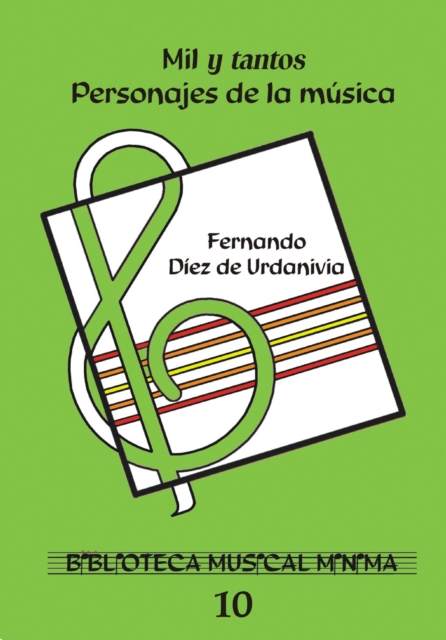
Este décimo volumen de la colección Biblioteca Musical Mínima es una colección de pequeñas semblanzas relacionadas con la Música: compositores, intérpretes, directores.
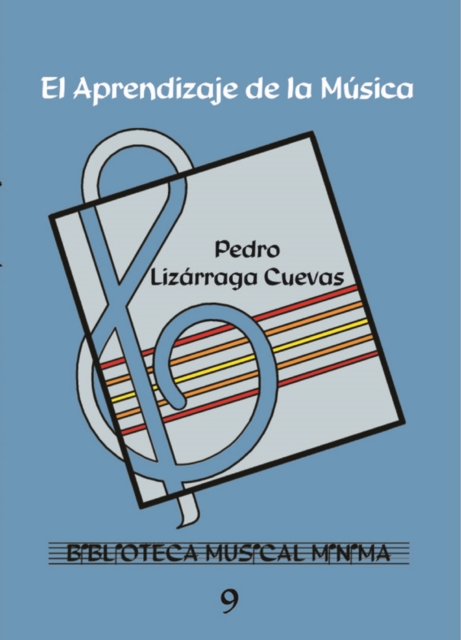
La finalidad de este noveno volumen de la colección Biblioteca Musical Mínima es mostrar cómo ocurre la adquisición del sonido melódico y rítmico, así como el papel del educador en el dominio de las habilidades musicales.
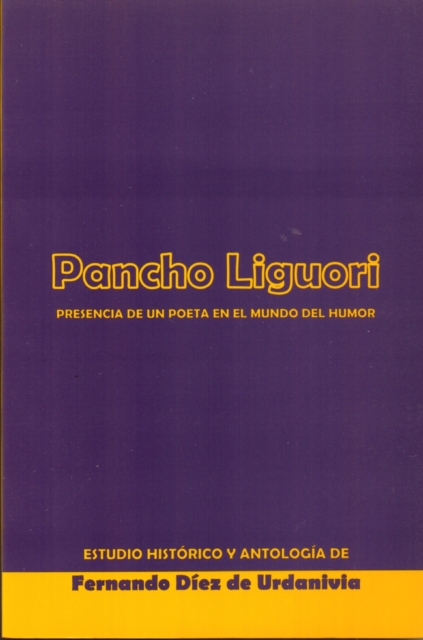
El lector tendrá en sus manos un libro singular, donde se publica un poco de la obra y otro poco de la vida de un personaje que perteneció al México del siglo pasado; que fue portavoz de su tiempo y heredero de tradiciones que se van olvidando.
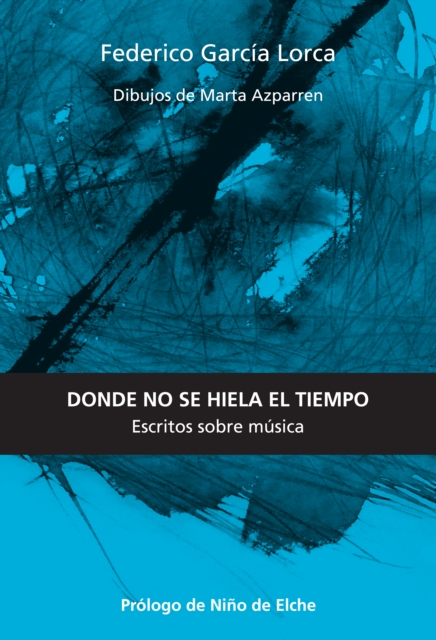
En este volumen se reúnen tres de las conferencias sobre música que Lorca escribe: Arquitectura del cante jondo; Canciones de cuna españolas; y Juego y teoría del duende.
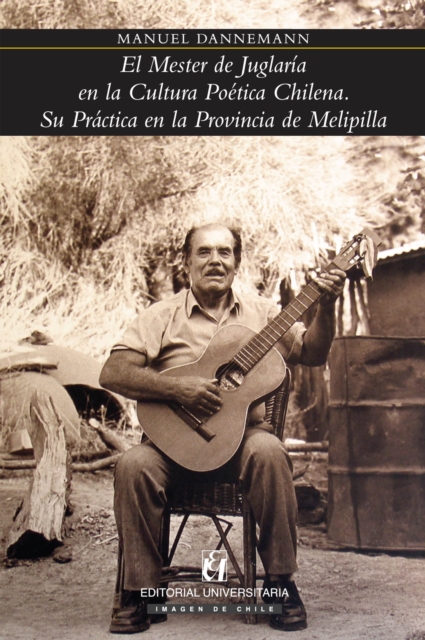
Este libro es hasta ahora el único que intenta demostrar con una multidisciplinariedad etnográfica-literaria-filológica, la vigencia de la práctica del mester de juglaría en sentido estricto, en América Latina, en particular en la provincia chilena de Melipilla.
La música es un hecho social, no es únicamente un fenómeno acústico organizado sino también un signo, un símbolo, un código acerca del comportamiento social y un modo de interpretar la vida del ser humano, al igual que la economía, la política o la psicología.
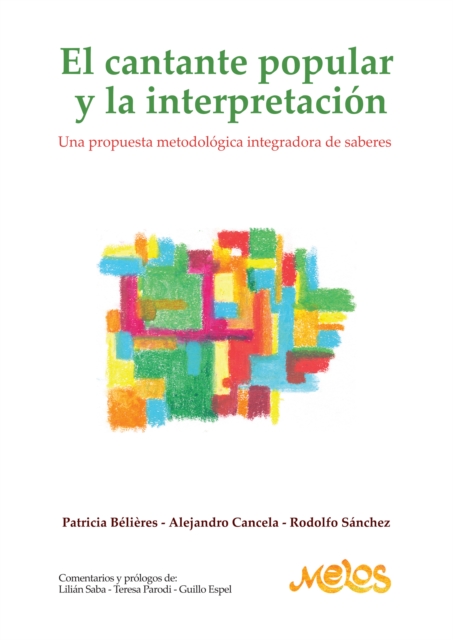
El cantante popular y la interpretación es un libro que plantea una metodología novedosa acerca de la interpretación, universo abierto y por lo tanto muy libre y difícil de abarcar.
Claudio Gabis transcribe en este manual, todo lo necesario para entender las escalas pentatónicas, a través de ellas y en sus diferentes vertientes, explica conceptos musicales básicos de la música moderna, los cuales permitirán al lector adentrarse de lleno en esta información tan básica y fundamental a la hora de ejecutar el instrumentoSea cual sea el estilo a encarar dentro de los referentes principales del último siglo, este manual trae el a,b,c con la información explicada de una manera sencilla y gráficamente clara para que cualquier persona sin conocimiento ni experiencia previa pueda aprender sobre escalas pentatónicas.
"Una de las características más notables del arte musical en los últimos decenios es sin duda alguna, el prodigioso aumento de su campo de acción, antes limitado a una reducida minoría y extendido ahora a grandes sectores de la población mediante el disco o la radiotelefonía que permiten al aficionado conocer sin esfuerzo y en poco tiempo mayor cantidad de música que el profesional de antaño en varios años de experiencia.
Este clásico método es el primero de la completísima serie "Solfeo de los solfeos" y es el adoptado por la mayoría de los docentes y las instituciones de enseñanza de nuestro país para la instrucción audioperceptiva, por su acertado planteo didáctico y progresiva dificultad.
El Libro Real del Tango incluye más de 100 años de obras de repertorio, algunas de ellas casi "descatalogadas" hasta hoy, así como prácticamente todos los clásicos y páginas más famosas del género musical.
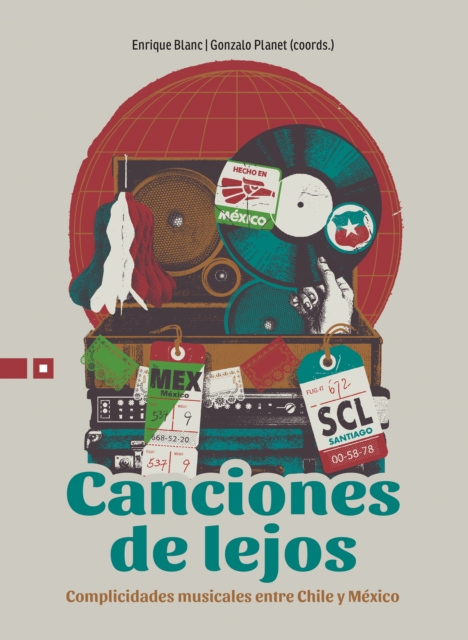
Chile y Mexico son dos naciones separadas por hemisferios y miles de kilometros de distancia, sin embargo, se encuentran enlazadas por un cumulo de experiencias, manifestaciones y expresiones a lo largo de mas de dos siglos, y es en la musica donde este vinculo se materializa.