Exploring Peru's lively music industry and the studio producers, radio DJs, and program directors that drive it, Gentleman Troubadours and Andean Pop Stars is a fascinating account of the deliberate development of artistic taste.
Offering a broad perspective of the philosophy, theory, and aesthetics of early Indian music and musical ideology, this study makes a unique contribution to our knowledge of the ancient foundations of India's musical culture.
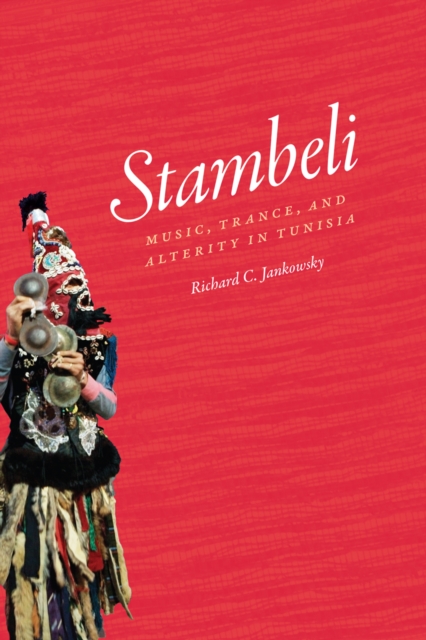
Ambient Sufism is a study of the intertwined musical lives of several ritual communities in Tunisia that invoke the healing powers of long-deceased Muslim saints through music-driven trance rituals.
Song Walking explores the politics of land, its position in memories, and its foundation in changing land-use practices in western Maputaland, a borderland region situated at the juncture of South Africa, Mozambique, and Swaziland.
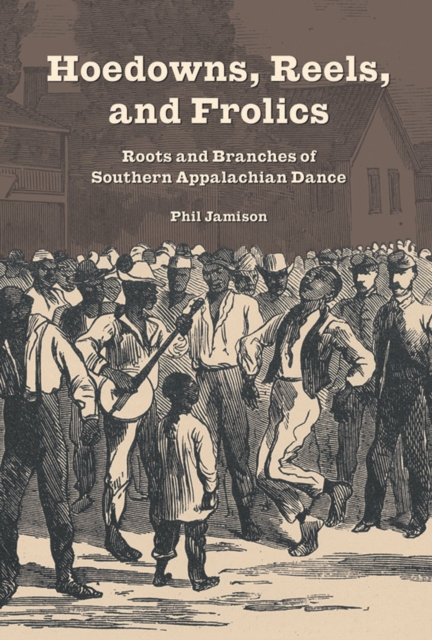
In Hoedowns, Reels, and Frolics, old-time musician and flatfoot dancer Philip Jamison journeys into the past and surveys the present to tell the story behind the square dances, step dances, reels, and other forms of dance practiced in southern Appalachia.
One of the pioneers of gender studies in music, Ellen Koskoff edited the foundational text Women and Music in Cross Cultural Perspective, and her career evolved in tandem with the emergence and development of the field.
As the most-visited social media site on the internet, the video-sharing platform YouTube has become a highly influential space for musicmaking and learning.
A virtuoso violinist, conductor, composer, and a professor of mathematics and botany, Francesco Galeazzi (1758-1819) firmly believed that musical education should be clear, demonstrable, and practical.
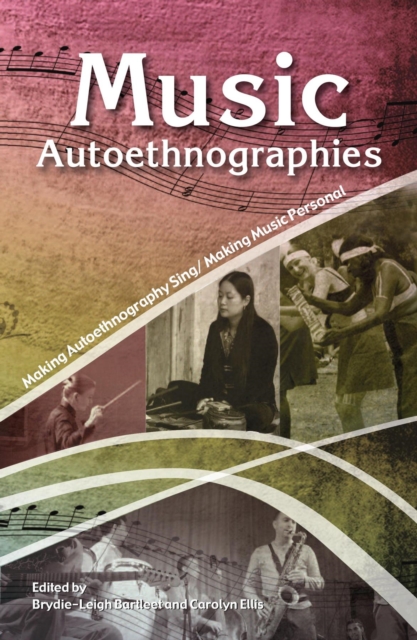
From one of the most lauded scholars in ethnomusicology comes this enlightening and highly personal narrative on the evolution and current state of the field of ethnomusicology.
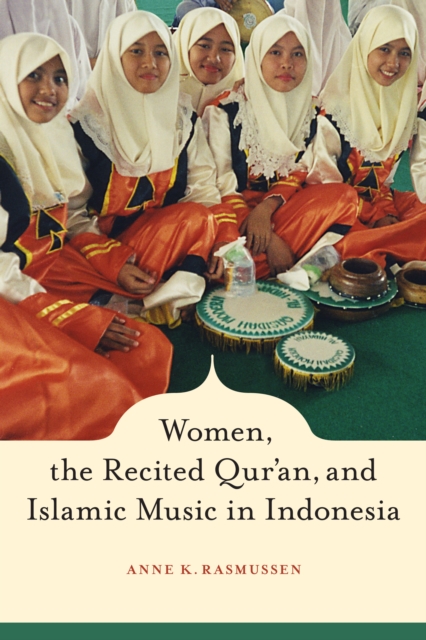
Women, the Recited Qur'an, and Islamic Music in Contemporary Indonesia takes readers to the heart of religious musical praxis in Indonesia, home to the largest Muslim population in the world.
Covering modal music from Gregorian chant through the seventeenth-century, The Principles and Practice of Modal Counterpoint is a comprehensive textbook combining stylistic composition, theory and analysis, music history, and performance.
Written as a music theory text that not only addresses the important fundamental syntax of music in the classical sense but also relates this syntax to current practices and styles, this book should be particularly well-suited to musicians focusing on aspects of the music business and of popular culture.
In these writings, available here in English for the first time, the distinguished Japanese composer Toru Takemitsu reflects on his contemporaries, including John Cage, Olivier Messiaen, and Merce Cunningham; on nature, which has profoundly influenced his composition; on film and painting; on relationships between East and West; on traditional Japanese music; and on his own compositions.
Music Theory for Musical Theatre is a textbook designed to demystify music theory and analysis to make it more accessible to the musical theatre student.
"e;Russian folk songs are a living history of the Russian people, rich, vivid and truthful, revealing their entire life,"e; wrote the great Russian writer Nikolai Gogol.
This book presents a scholarly investigation of the development and culture of Japanese videogame arcades, both from a historical and contemporary point of view.
In an age when the recording industry is undergoing its most radical change in over half a century, the guidance of a skilled music producer is quickly becoming indispensable for producing a great recording.
The Politics and Poetics of Indian Digital Diasporas explores the emancipatory potential and pitfalls of digital platforms and how well or how poorly they reflect intra-communal diversities within South Asian diasporic communities.
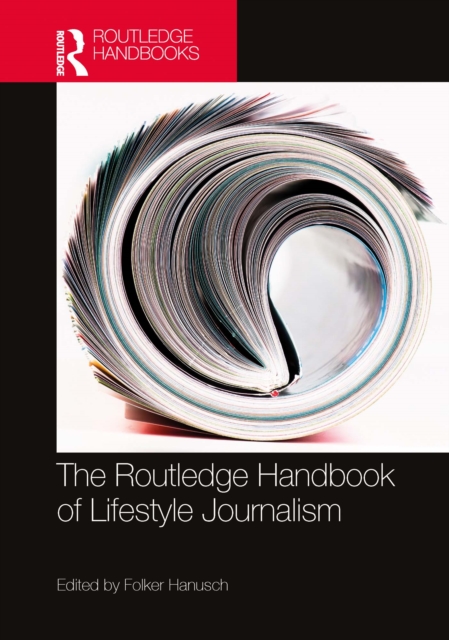
Taking stock of research in an area that has long been starved of scholarly attention, The Routledge Handbook of Lifestyle Journalism brings together scholars from across journalism, communication, and media studies to offer the first substantial volume of its kind in this dynamic field.
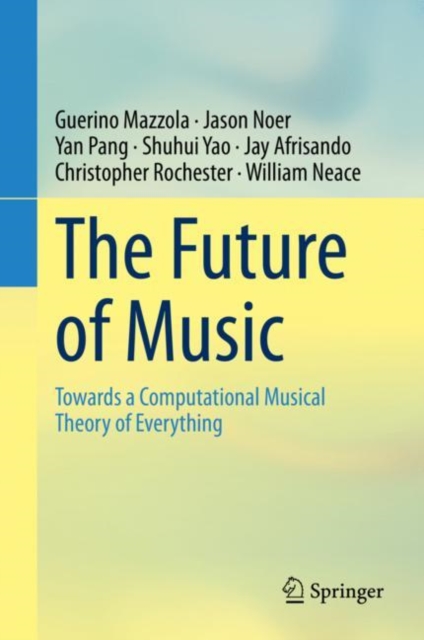
The idea of this monograph is to present an overview of decisive theoretical, computational, technological, aesthetical, artistic, economical, and sociological directions to create future music.
The 20th century saw radical changes in the way serious music is composed and produced, including the advent of electronic instruments and novel compositional methods such as serialism and stochastic music.
This book examines four main areas of music in early childhood: the traditions of music for young children, their capacities for music, the way they make music with others, and constructed and mediated musical childhoods.
This book provides a true A to Z of recorded sound, from its inception to the present day, outlining how technologies, techniques, and social attitudes have changed things, noting what is good and what is less good.
In the third and final book of his iconic piano etudes Gyorgy Ligeti charts a new path relative to the rest of his musical output, representing a significant arrival in a composer's oeuvre known for its stylistic transformations.