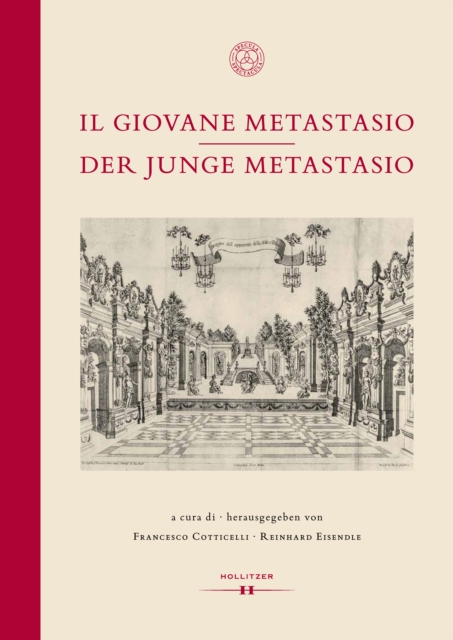
Il volume si ricollega a un convegno tenutosi a Vienna sul primo decennio dell'attività artistica di Pietro Metastasio (1698–1782), concentrandosi sulla stagione in cui egli si impegnò ad affermarsi come "virtuoso di poesia" prima nei salotti napoletani, poi nei teatri d'opera di Napoli, Roma e Venezia.
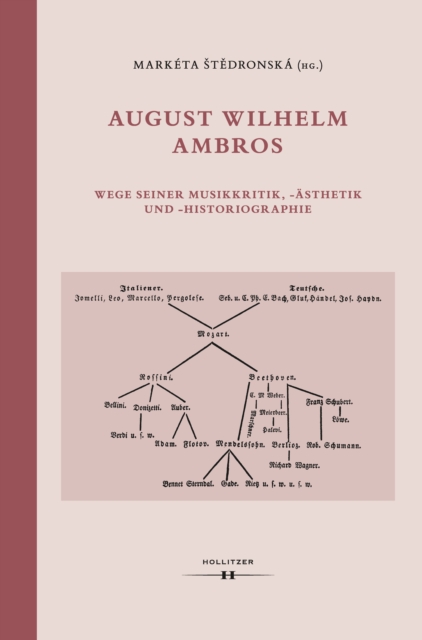
Als promovierter Jurist, bewandert in Kunstgeschichte und Literatur, gehört der Musikschriftsteller August Wilhelm Ambros (1816–1876) zu den typischen Universalgeistern des 19.
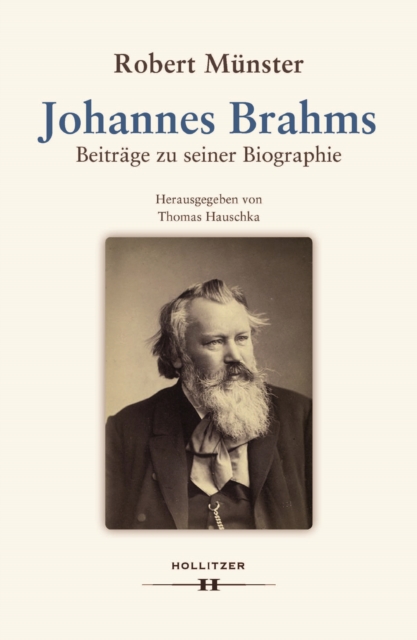
Robert Münster war mehr als zwei Jahrzehnte lang Leiter der Musikabteilung der Bayerischen Staatsbibliothek München und hat sich mit zahlreichen Publikationen über Johannes Brahms und sein Wirken im deutschsprachigen Raum, insbesondere im Kontext der Münchner Musikgeschichte, als Kenner und Spezialist auf dem Gebiet der Brahms-Forschung ausgewiesen.
An der Schnittstelle von Opernforschung, Musikalienhandel und Verlagswesen widmen sich international ausgewiesene Wissenschaftlerinnen und Wissenschaftler der Verbreitung von musikalischen Operndrucken in der deutschsprachigen Verlagslandschaft des .
Die Mehrzahl der in diesem Band versammelten Beiträge international namhafter Autorinnen und Autoren gelten einzelnen Werken Mozarts, deren Quellen neu diskutiert und deren musikalische Struktur tiefer erschlossen wird.
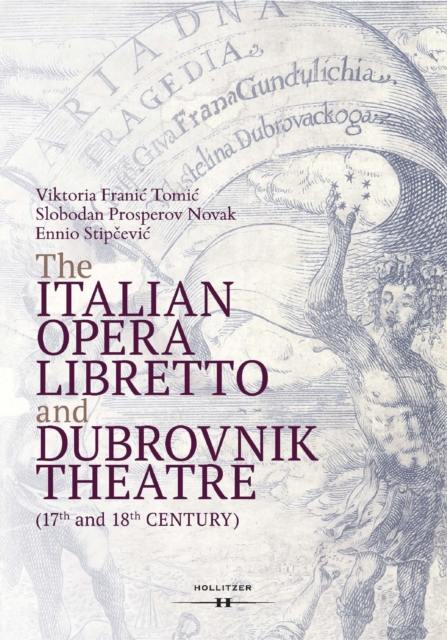
Nowhere in Europe the Italian opera libretto has had such a direct and decisive influence on original national drama production as it did in Dubrovnik during the 17th and 18th century.
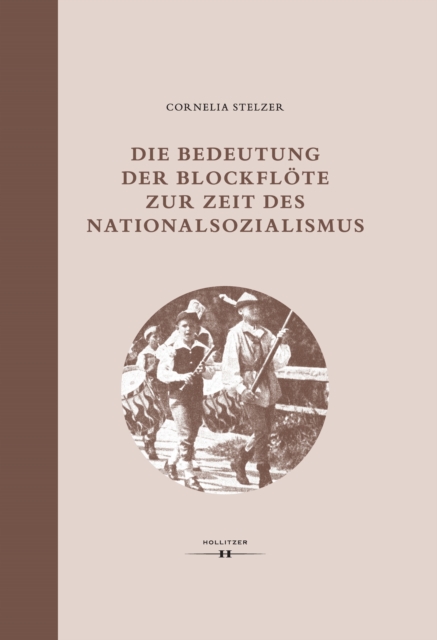
Dieser Beitrag zum Themenkomplex "Music and Politics" setzt sich mit der Rolle der Blockflöte während der Jahre 1933 bis 1945 im deutschsprachigen Raum auseinander – einer Zeitspanne, die in der Erforschung der Geschichte des Instruments bisher fast völlig außer Acht gelassen wurde.
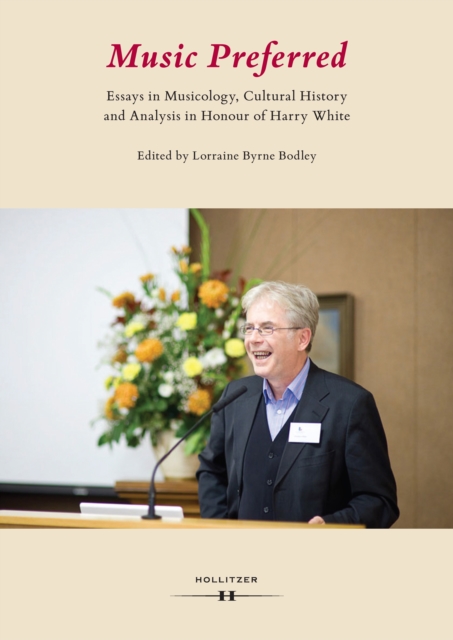
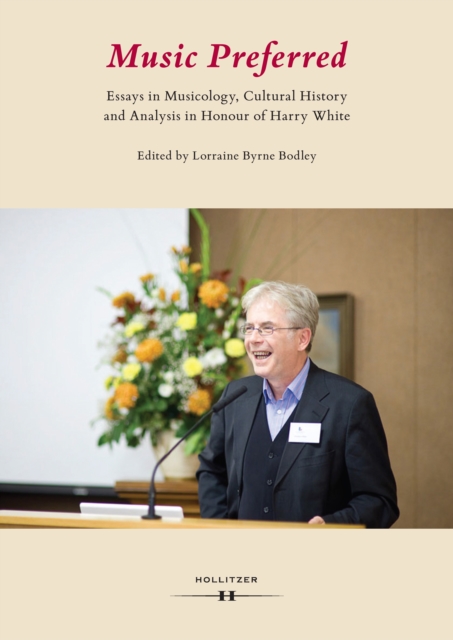
"e;The Well-Tempered Festschrift"e; is a reading of "e;Music Preferred: Essays in Musicology, Cultural History and Analysis in Honour of Harry White"e;, edited by Lorraine Byrne Bodley and published by Hollitzer Verlag in 2018.
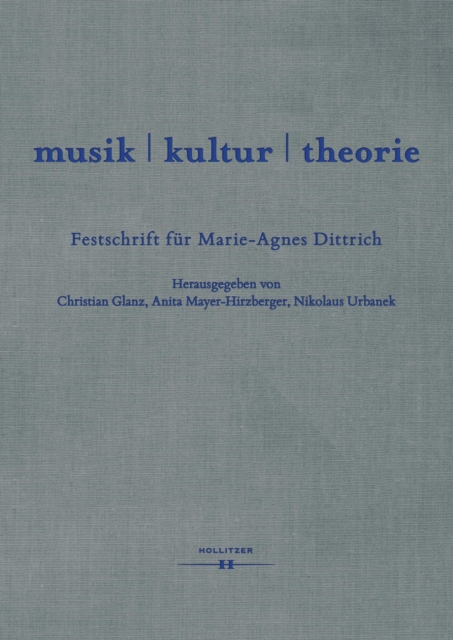
Der vorliegende Band mit Aufsätzen und Essays zu musiktheoretischen und-kulturellen Themen ist Marie-Agnes Dittrich gewidmet und spiegelt die Breiteihrer wissenschaftlichen Interessen und Kontakte wider.
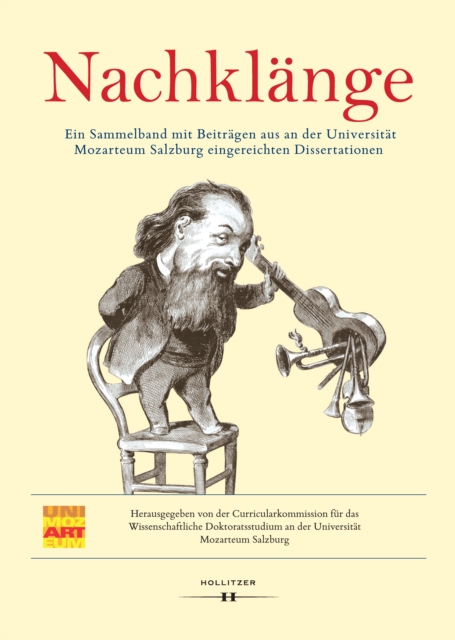
Seit 2003 bietet die Universität Mozarteum Salzburg ein Wissenschaftliches Doktoratsstudium der Philosophie (PhD) an, das inzwischen von mehr als 25 Studierenden abgeschlossen wurde.
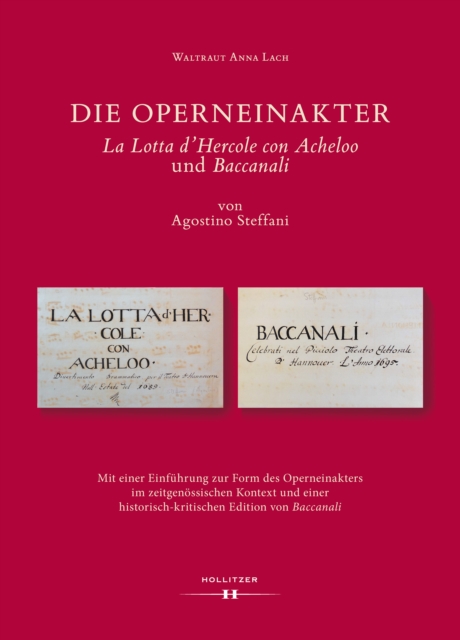
Der italienische Komponist Agostino Steffani (1654–1728) erlebt in den letzten Jahren sowohl in der Musikwissenschaft als auch in der Aufführungspraxis eine Renaissance.
Der Band zieht die Summe eines wissenschaftlichen Lebens, und zwar mit neuen Texten des Gründers der Mozart Studien zu historischen, quellenkundlichen und analytischen Themen quer durch das Gesamtwerk Mozarts.
The US American musicologist, composer, philosopher, inventor, and political activist Charles Seeger (1886-1979) is a key figure in the development of twentieth-century musicology.
Der Band setzt die Reihe der Senfl-Studien fort, in deren Rahmen Beiträge zu verschiedensten Aspekten rund um den Renaissancekomponisten Ludwig Senfl sowie zu Phänomenen der Musik des 16.
"e;Music cultures in sounds, words and images"e;, edited by Antonio Baldassarre and Tatjana Markovic, is dedicated to the 60th birthday of the Croatian-American musicologist Zdravko Blazekovic (b.
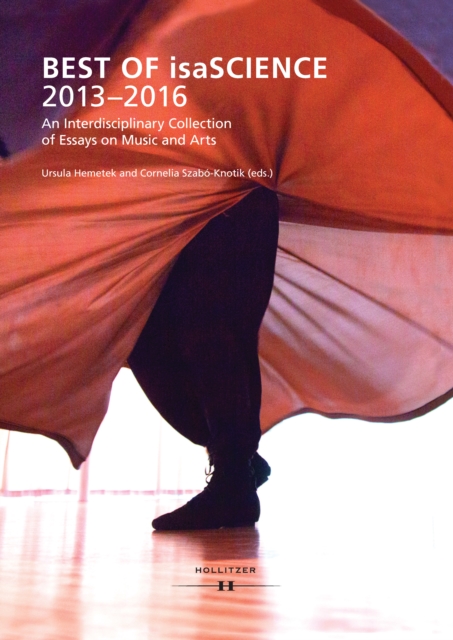
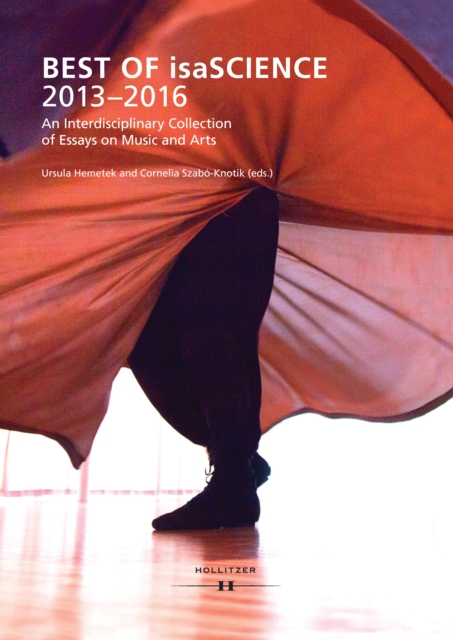
ISA Science, the research format of University for Music and Performing Art Vienna's summer school has turned out successfully both in terms of its international resonance and its effects on the institution's academic community.
ISA Science, the research format of University for Music and Performing Art Vienna's summer school has turned out successfully both in terms of its international resonance and its effects on the institution's academic community.
The contributions to this Festschrift, honouring the distinguished Irish musicologist Harry White on his sixtieth birthday, have wide repercussions and span a broad timeframe.
The contributions to this Festschrift, honouring the distinguished Irish musicologist Harry White on his sixtieth birthday, have wide repercussions and span a broad timeframe.
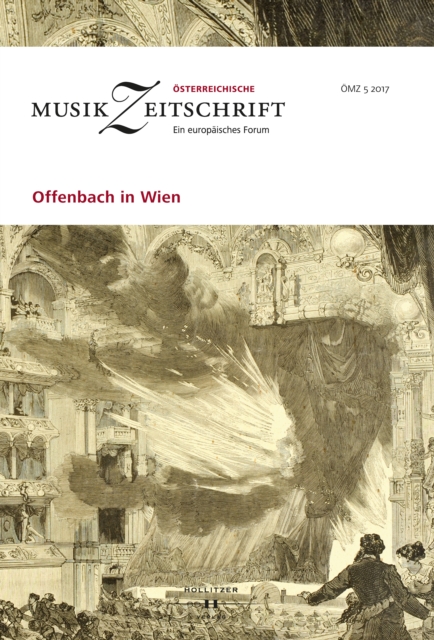
Er gilt als der "Erfinder" der Pariser Operette, ohne den auch die Entstehung und Entwicklung ihrer Wiener Cousine kaum denkbar gewesen wären: Jacques Offenbach.
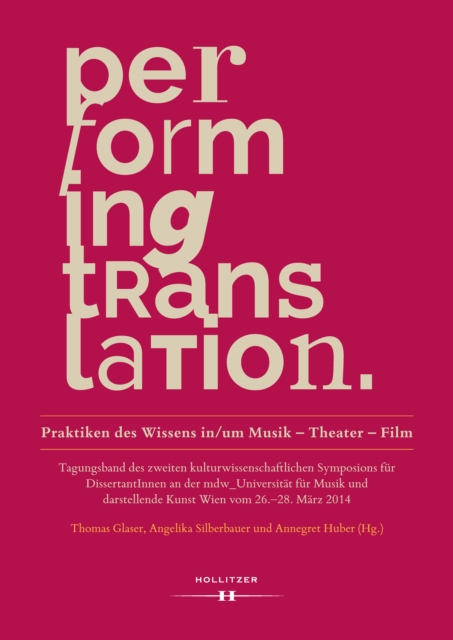
Unter dem Motto "Performing Translation" fand 2014 an der mdw_Universität für Musik und darstellende Kunst Wien zum zweiten Mal ein internationales Symposion für DissertantInnen statt.
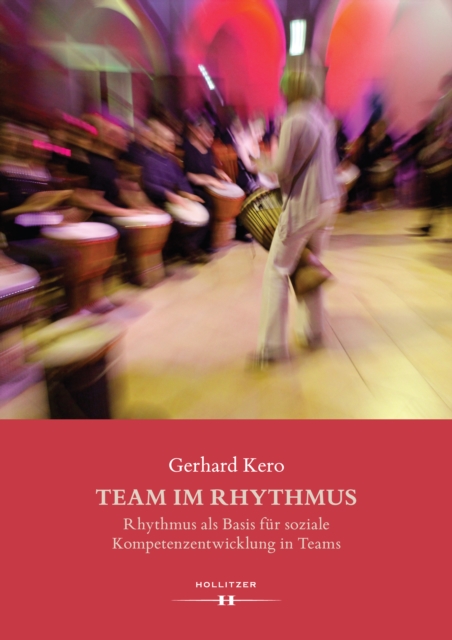
"Team im Rhythmus" nimmt den Zusammenhang zwischen synchronisationsbasierter Rhythmuserfahrung in Teams und der Entwicklung teamrelevanter sozialer Kompetenzen, der Steigerung von Gruppenkohäsion und dem Auftreten von Flowerfahrungen in den Blick.
Dass Kampf und Krieg »aller Dinge Vater und König« sei, wie Heraklit vor zweieinhalb tausend Jahren erklärte, erscheint für die Geschichte der Musik eine zu weit gehende Annahme.
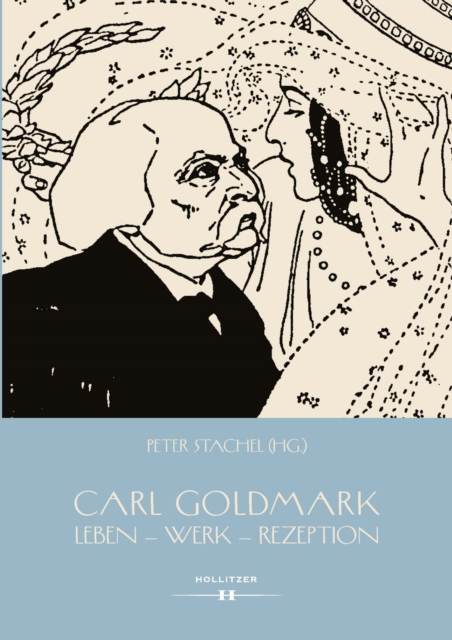
Carl Goldmark (1830–1915) war ein sowohl in Österreich als auch international über seine Lebenszeit hinaus hoch anerkannter und berühmter Komponist – in Nachrufen wurde er als "Mittelpunkt" und "Herz" des Wiener Musiklebens gerühmt.