The music of Edvard Grieg is justly celebrated for its harmonic richness, a feature especially apparent in the piano works written in the last decades of his life.
The music of Edvard Grieg is justly celebrated for its harmonic richness, a feature especially apparent in the piano works written in the last decades of his life.
Jazz Theory: From Basic to Advanced Study, Second Edition, is a comprehensive textbook for those with no previous study in jazz, as well as those in advanced theory courses.
Jazz Theory: From Basic to Advanced Study, Second Edition, is a comprehensive textbook for those with no previous study in jazz, as well as those in advanced theory courses.
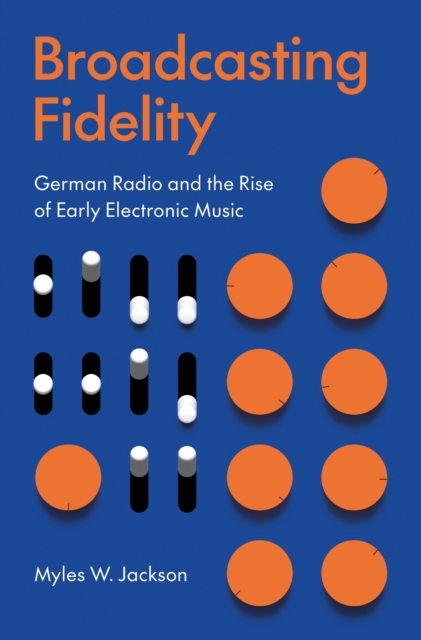
A landmark history of early radio in Germany and the quest for broadcast fidelityWhen we turn on a radio or stream a playlist, we can usually recognize the instrument we hear, whether it's a cello, a guitar, or an operatic voice.
Offering a new perspective on intimate partner abuse and homicide, this book recognises the families of victims as legitimate agents of knowledge in terms of the harm experienced by their family members, and considers how this harm is extended to the families themselves.
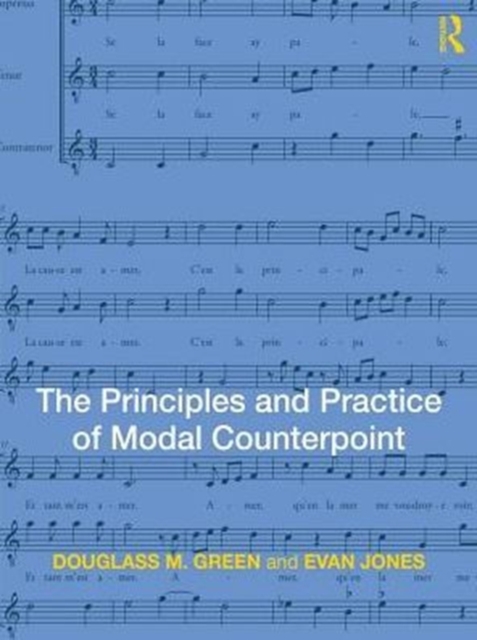
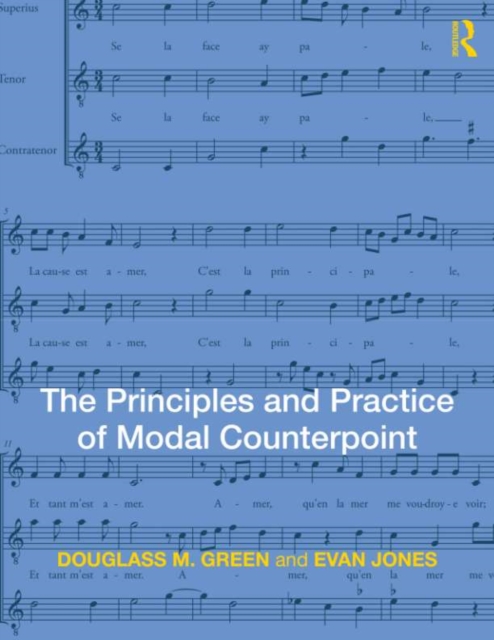
Covering modal music from Gregorian chant through the seventeenth-century, The Principles and Practice of Modal Counterpoint is a comprehensive textbook combining stylistic composition, theory and analysis, music history, and performance.
Covering modal music from Gregorian chant through the seventeenth-century, The Principles and Practice of Modal Counterpoint is a comprehensive textbook combining stylistic composition, theory and analysis, music history, and performance.
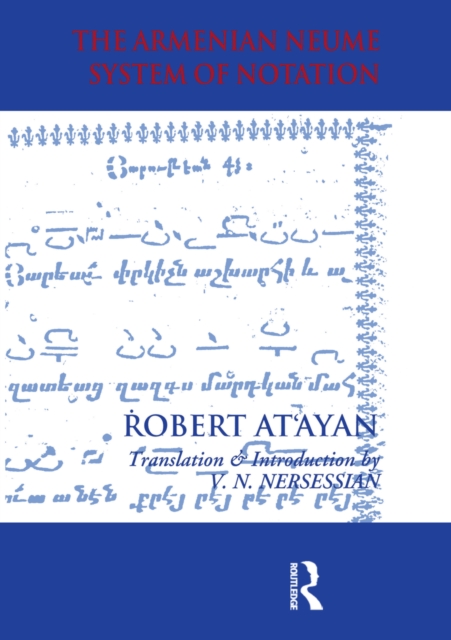
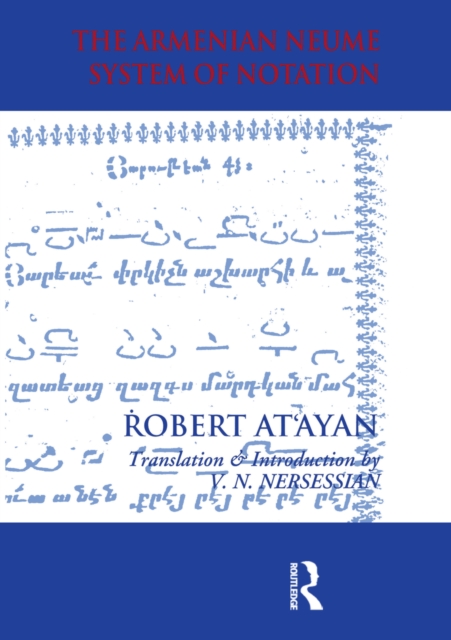
The study of the Armenian system of notation called Khazs (Neumes) is of significance both for Armenian and Byzantine music from a historical and aesthetic point of view.
The study of the Armenian system of notation called Khazs (Neumes) is of significance both for Armenian and Byzantine music from a historical and aesthetic point of view.
The 2022 midterms marked a transformative moment in American politics, as the combined influence of legacy media and social platforms reached new heights.
This volume constitutes the first complete publication of Marina Lobanova's study - banned in Russia in 1979 as too avant-garde and published there only in a bowdlerized version in 1990.
This volume constitutes the first complete publication of Marina Lobanova's study - banned in Russia in 1979 as too avant-garde and published there only in a bowdlerized version in 1990.
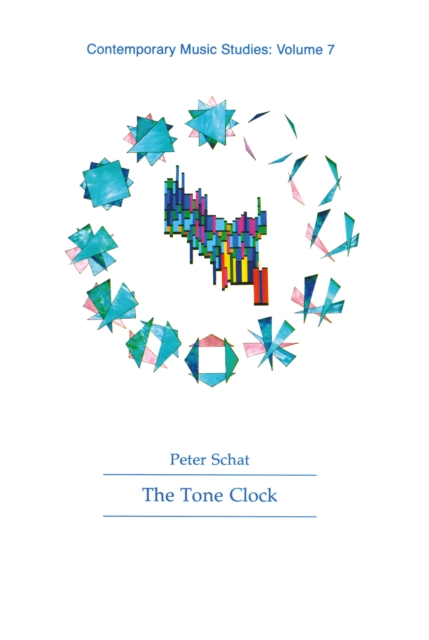
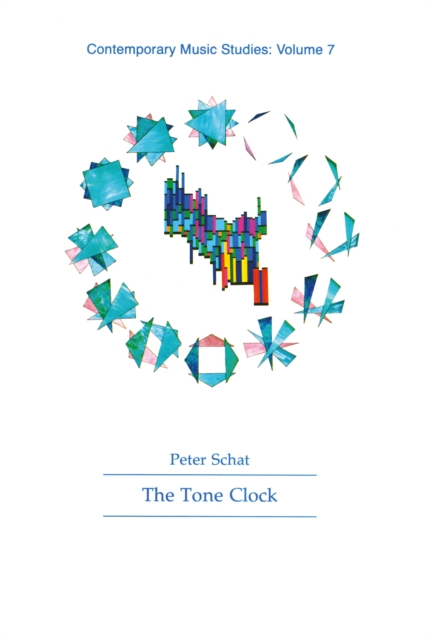
In addition, The Tone Clock contains a broad selection of Peter Schat's polemical writings, embracing historical, political, aesthetic and environmental perspectives.
In addition, The Tone Clock contains a broad selection of Peter Schat's polemical writings, embracing historical, political, aesthetic and environmental perspectives.
These new essays written specifically for this volume explore the various aspects of Olivier Messiaen's spiritually committed musical language, drawing on his own remarks in subheadings and prefaces, his biblical and theological citations, his allusions to works of visual art, and on the language spoken directly by the musical tropes themselves.
These new essays written specifically for this volume explore the various aspects of Olivier Messiaen's spiritually committed musical language, drawing on his own remarks in subheadings and prefaces, his biblical and theological citations, his allusions to works of visual art, and on the language spoken directly by the musical tropes themselves.
In this book, scholars and artists explore the relation between electronic music and bodily expression from perspectives including aesthetics, philosophy of mind, phenomenology, dance and interactive performance arts, sociology, computer music and sonic arts, and music theory, transgressing disciplinary boundaries and established beliefs.
In this book, scholars and artists explore the relation between electronic music and bodily expression from perspectives including aesthetics, philosophy of mind, phenomenology, dance and interactive performance arts, sociology, computer music and sonic arts, and music theory, transgressing disciplinary boundaries and established beliefs.