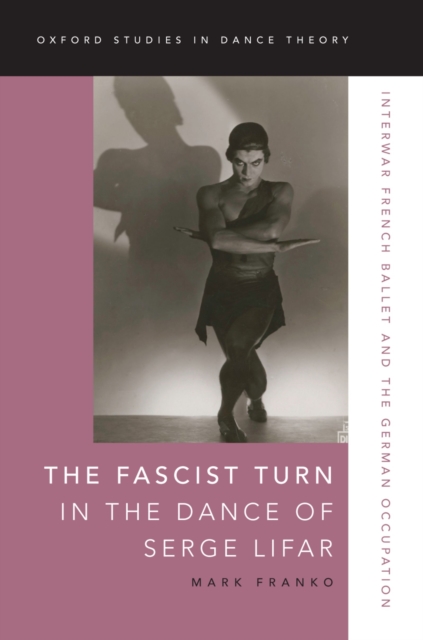
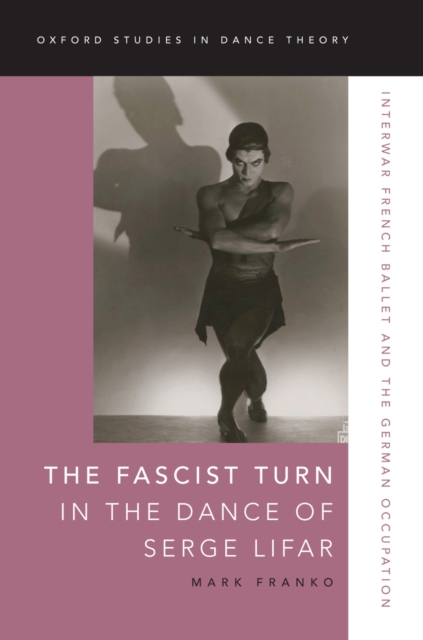
Ukrainian dancer and choreographer Serge Lifar (1905-86) is recognized both as the modernizer of French ballet in the twentieth century and as the keeper of the flame of the classical tradition upon which the glory of French ballet was founded.
Ukrainian dancer and choreographer Serge Lifar (1905-86) is recognized both as the modernizer of French ballet in the twentieth century and as the keeper of the flame of the classical tradition upon which the glory of French ballet was founded.
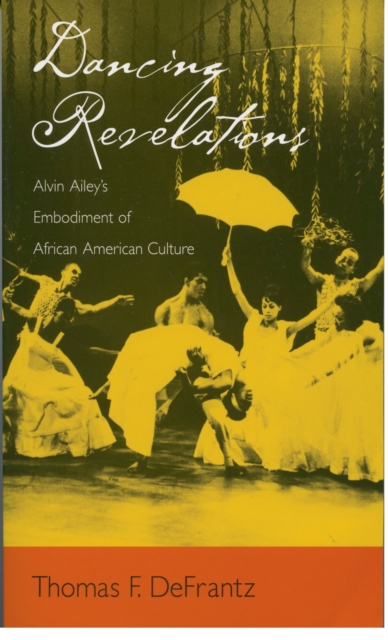
In the early 1960s, the Alvin Ailey American Dance Theater was a small, multi-racial company of dancers that performed the works of its founding choreographer and other emerging artists.
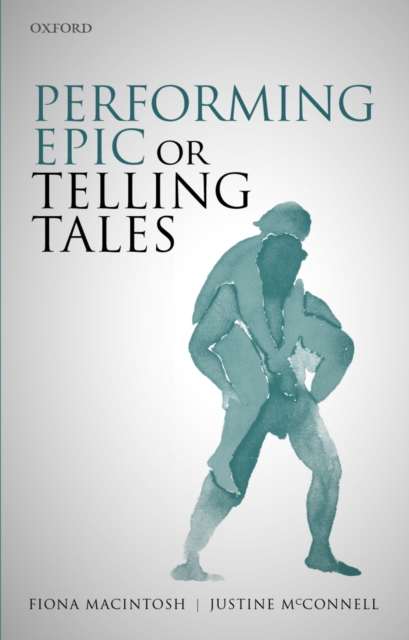
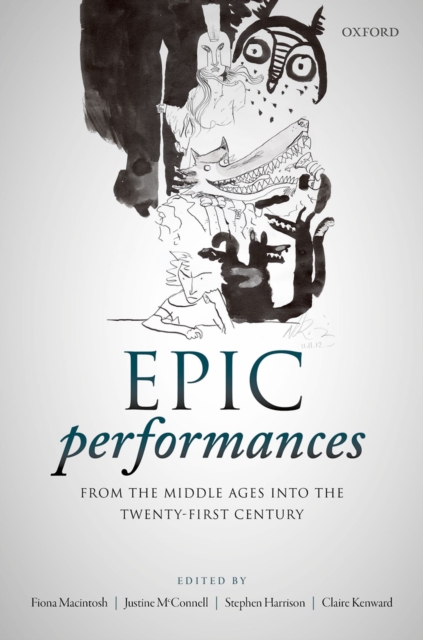
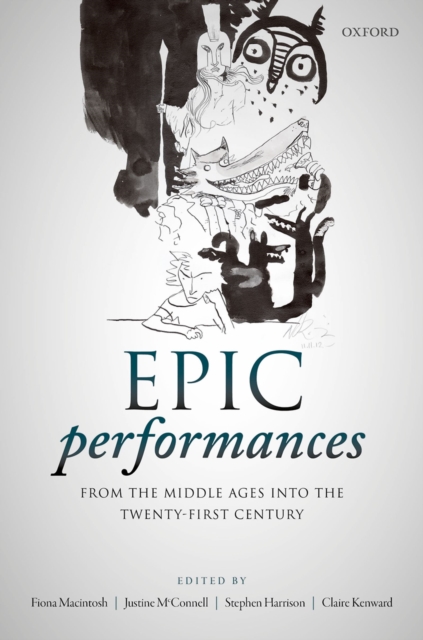
Performing Epic or Telling Tales takes the new millennium as a starting point for an exploration of the turn to narrative in twenty-first-century theatre, which is often also a turn to Graeco-Roman epic.
Performing Epic or Telling Tales takes the new millennium as a starting point for an exploration of the turn to narrative in twenty-first-century theatre, which is often also a turn to Graeco-Roman epic.
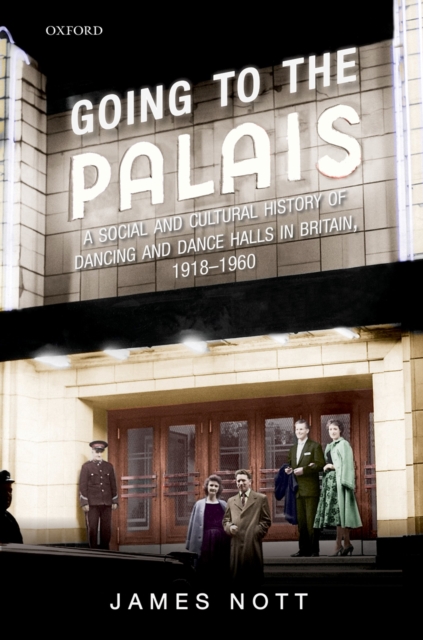
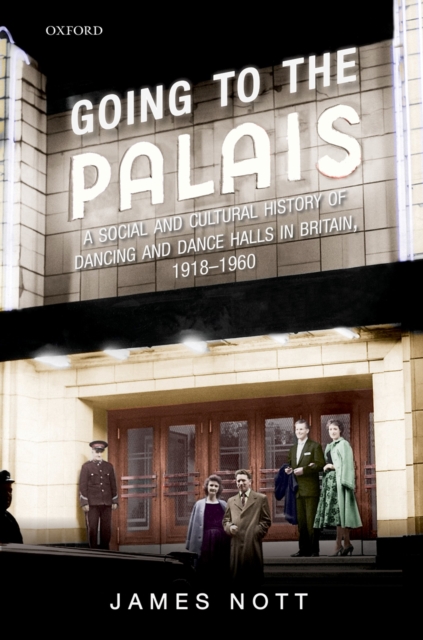
From the mid-1920s, the dance hall occupied a pivotal place in the culture of working- and lower-middle-class communities in Britain - a place rivalled only by the cinema and eventually to eclipse even that institution in popularity.
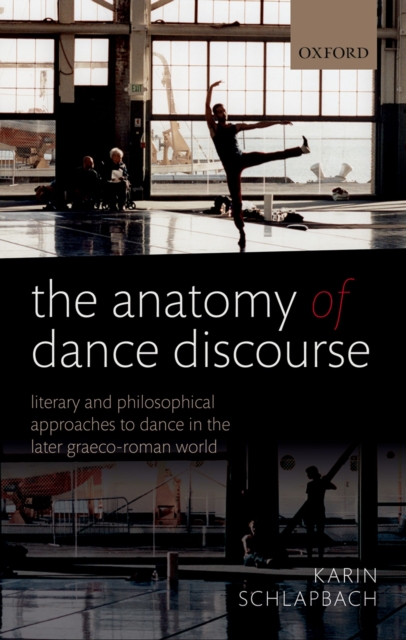
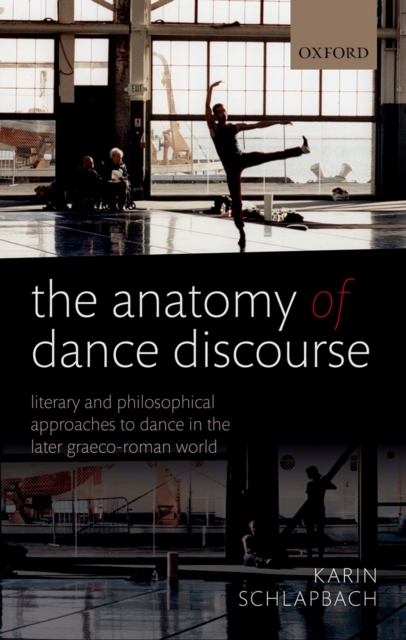
Within the newly thriving field of ancient Greek and Roman performance and dance studies, The Anatomy of Dance Discourse offers a fresh and original perspective on ancient perceptions of dance.
Within the newly thriving field of ancient Greek and Roman performance and dance studies, The Anatomy of Dance Discourse offers a fresh and original perspective on ancient perceptions of dance.
From the mid-1920s, the dance hall occupied a pivotal place in the culture of working- and lower-middle-class communities in Britain - a place rivalled only by the cinema and eventually to eclipse even that institution in popularity.
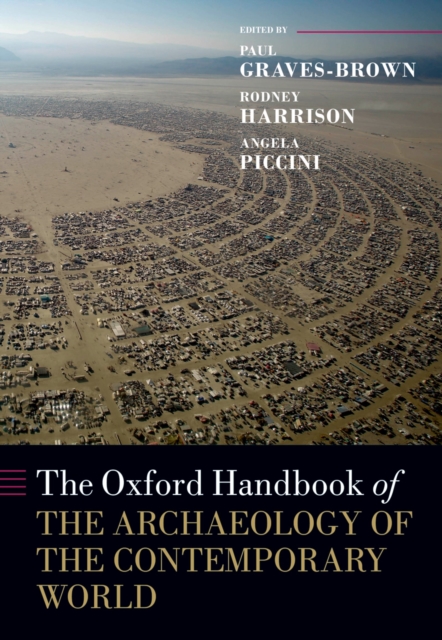
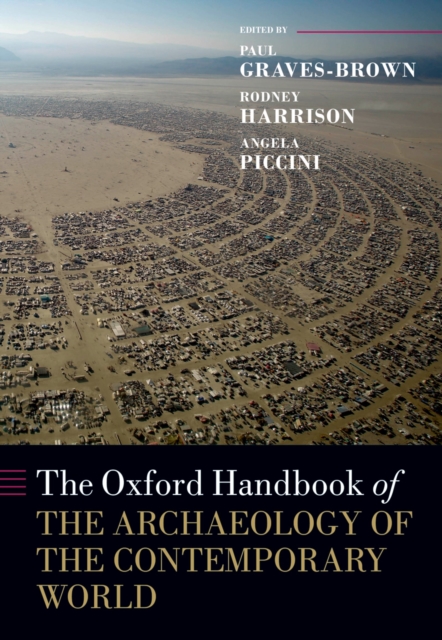
It has been clear for many years that the ways in which archaeology is practised have been a direct product of a particular set of social, cultural, and historical circumstances - archaeology is always carried out in the present.
It has been clear for many years that the ways in which archaeology is practised have been a direct product of a particular set of social, cultural, and historical circumstances - archaeology is always carried out in the present.
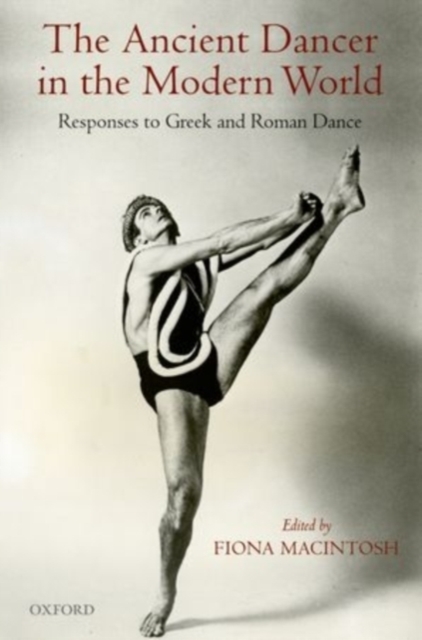
When the eighteenth-century choreographer Jean-Georges Noverre sought to develop what is now known as modern ballet, he turned to ancient pantomime as his source of inspiration; and when Isadora Duncan and her contemporaries looked for alternatives to the strictures of classical ballet, they looked to ancient Greek vases for models for what they termed 'natural' movement.
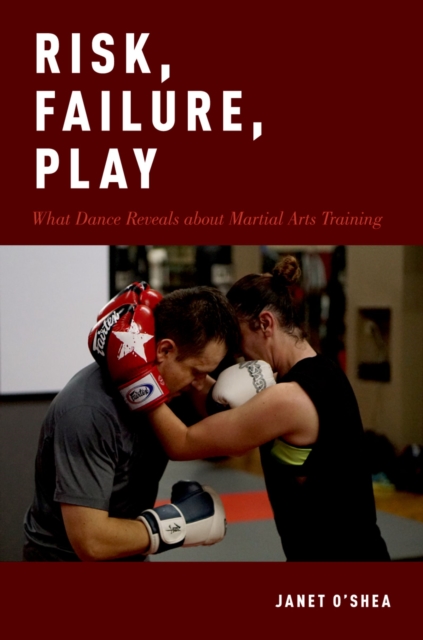
Why are some performers exhilarated and energized about performing in public, while others feel a crushing sense of fear and dread, and experience public performance as an overwhelming challenge that must be endured?
Why are some performers exhilarated and energized about performing in public, while others feel a crushing sense of fear and dread, and experience public performance as an overwhelming challenge that must be endured?
This is the first comprehensive and illustrated study of the most important form of theatre in the entire Roman Empire - pantomime, the ancient equivalent of ballet dancing.
David Brown explores the ways in which the symbolic associations of the body and what we do with it have helped shape religious experience and continue to do so.
The Early Stuart Masque: Dance, Costume, and Music studies the complex impact of movements, costumes, words, scenes, music, and special effects in English illusionistic theatre of the Renaissance.
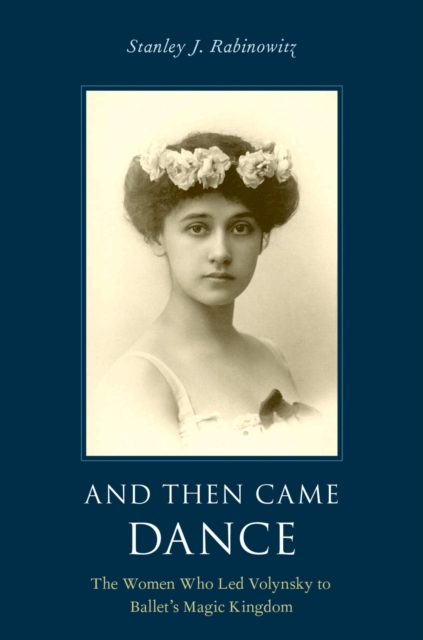
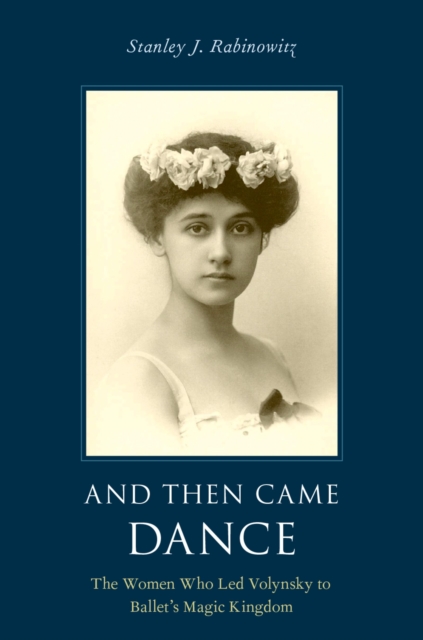
Presenting for the first time Akim Volynsky's (1861-1926) pre-balletic writings on Leonardo da Vinci, Fyodor Dostoevsky, Otto Weininger, and on such illustrious personalities as Zinaida Gippius, Ida Rubinstein, and Lou Andreas-Salome, And Then Came Dance provides new insight into the origins of Volynsky's life-altering journey to become Russia's foremost ballet critic.
Presenting for the first time Akim Volynsky's (1861-1926) pre-balletic writings on Leonardo da Vinci, Fyodor Dostoevsky, Otto Weininger, and on such illustrious personalities as Zinaida Gippius, Ida Rubinstein, and Lou Andreas-Salome, And Then Came Dance provides new insight into the origins of Volynsky's life-altering journey to become Russia's foremost ballet critic.
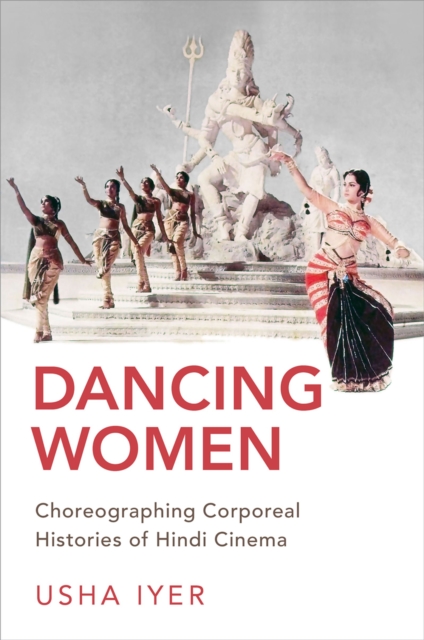
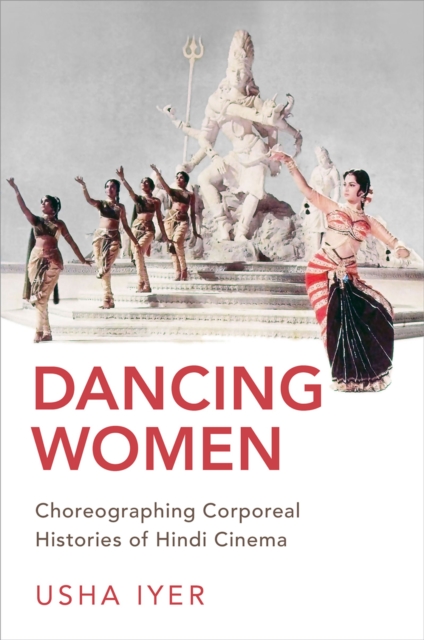
Dancing Women: Choreographing Corporeal Histories of Hindi Cinema, an ambitious study of two of South Asia's most popular cultural forms - cinema and dance - historicizes and theorizes the material and cultural production of film dance, a staple attraction of popular Hindi cinema.
Dancing Women: Choreographing Corporeal Histories of Hindi Cinema, an ambitious study of two of South Asia's most popular cultural forms - cinema and dance - historicizes and theorizes the material and cultural production of film dance, a staple attraction of popular Hindi cinema.
Because dance materializes through and for people, because we learn to dance from others and often present dance to others, the moment of its transmission is one of dance's central and defining features.
Because dance materializes through and for people, because we learn to dance from others and often present dance to others, the moment of its transmission is one of dance's central and defining features.
Surveying the state of American ballet in a 1913 issue of McClure's Magazine, author Willa Cather reported that few girls expressed any interest in taking ballet class and that those who did were hard-pressed to find anything other than dingy studios and imperious teachers.
Surveying the state of American ballet in a 1913 issue of McClure's Magazine, author Willa Cather reported that few girls expressed any interest in taking ballet class and that those who did were hard-pressed to find anything other than dingy studios and imperious teachers.
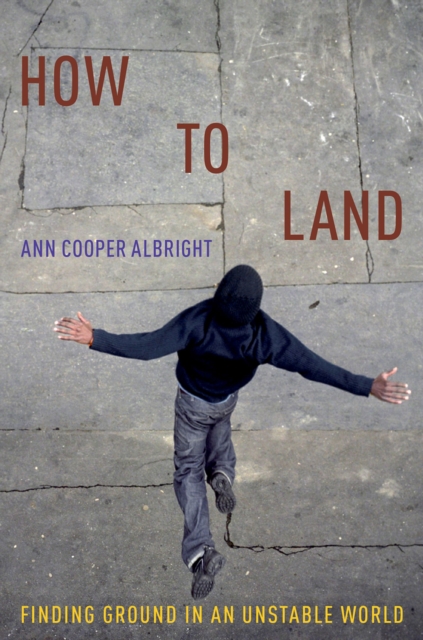
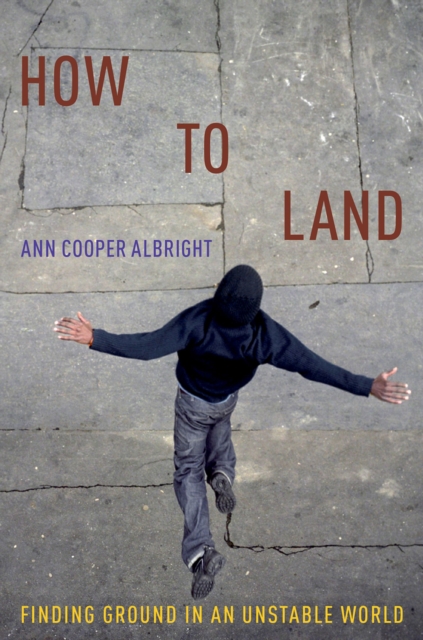
How to Land: Finding Ground in an Unstable World foregrounds the importance of embodiment as a means of surviving the disorientation of our twenty-first century world.
How to Land: Finding Ground in an Unstable World foregrounds the importance of embodiment as a means of surviving the disorientation of our twenty-first century world.
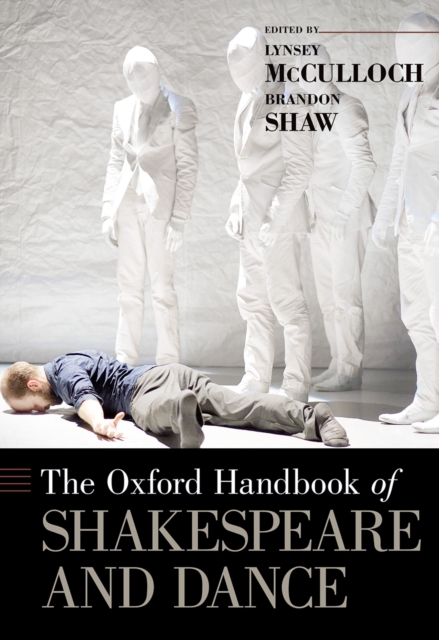
Shakespeare's texts have a long and close relationship with many different types of dance, from dance forms referenced in the plays to adaptations across many genres today.
In distinction to many extant histories of ballet, The Oxford Handbook of Contemporary Ballet prioritizes connections between ballet communities as it interweaves chapters by scholars, critics, choreographers, and working professional dancers.