Guru Dutt's final film as a director, Kaagaz Ke Phool/Paper Flowers (1959), follows the successful film-maker Suresh Sinha (played by Dutt himself) as rumours of his affair with his actress Shanti (Waheeda Rehman) lead him to lose his family, descend into alcoholism and ultimately retreat from the film industry.
Guru Dutt's final film as a director, Kaagaz Ke Phool/Paper Flowers (1959), follows the successful film-maker Suresh Sinha (played by Dutt himself) as rumours of his affair with his actress Shanti (Waheeda Rehman) lead him to lose his family, descend into alcoholism and ultimately retreat from the film industry.
A classic of feminist avant-garde cinema, Laura Mulvey and Peter Wollen's Riddles of the Sphinx (1977) follows the life of Louise (Dinah Stabb), a white middle-class woman living in London in the 1970s, as she confronts the complex politics of motherhood, domestic labour and work.
A classic of feminist avant-garde cinema, Laura Mulvey and Peter Wollen's Riddles of the Sphinx (1977) follows the life of Louise (Dinah Stabb), a white middle-class woman living in London in the 1970s, as she confronts the complex politics of motherhood, domestic labour and work.
100 Queer Films identifies 100 films that shaped the trajectory of queer cinema, connected with larger movements, and showcased the artistry of queer filmmaking.
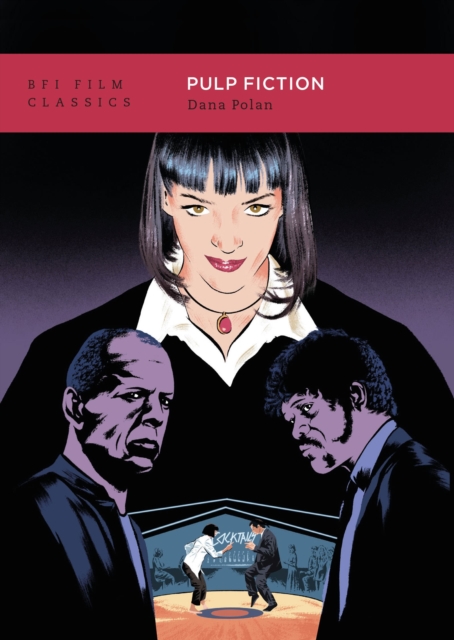
Pulp Fiction was one of the films that defined American cinema of the 1990s, and remains one of the stand-out movies of its director Quentin Tarantino.
Mikio Naruse's When A Woman Ascends The Stairs (1960) combines high melodrama with modernist film language, telling the story of Keiko, a bar hostess struggling to succeed in Tokyo's Ginza district.
Headwaters of Screenwriting: The Art of Crafting Original Screenplays explores eternal principles and theory of crafting truly compelling screenplays beyond the 'short-cuts,' and 'mechanical rules.
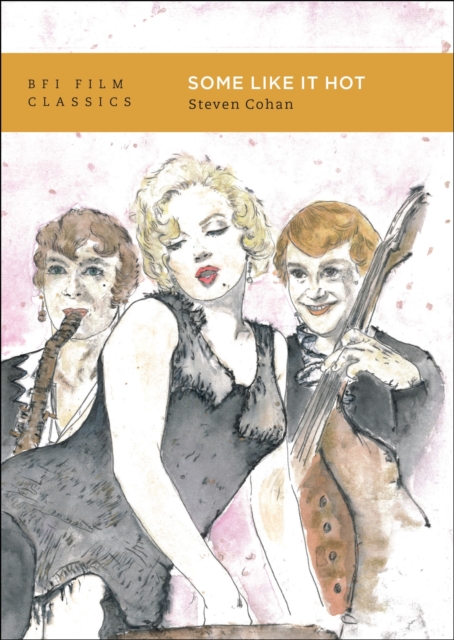
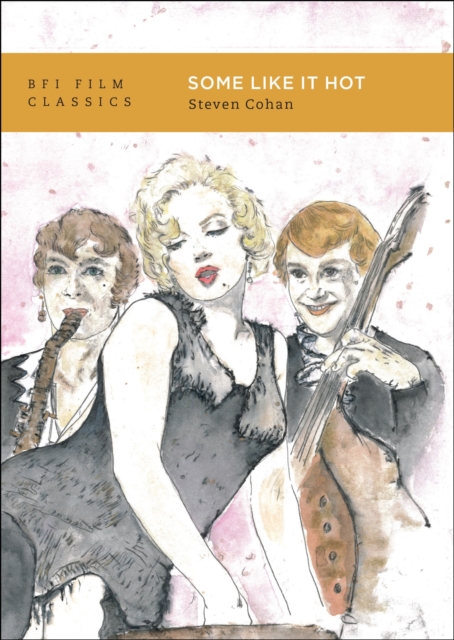
Billy Wilder's classic screwball comedy Some Like it Hot (1959), starring Jack Lemmon, Tony Curtis and Marilyn Monroe, tells the story of two struggling Jazz musicians who accidentally witness a mob massacre in Chicago who then, disguised as women, join a female band to escape the gangsters' pursuit.
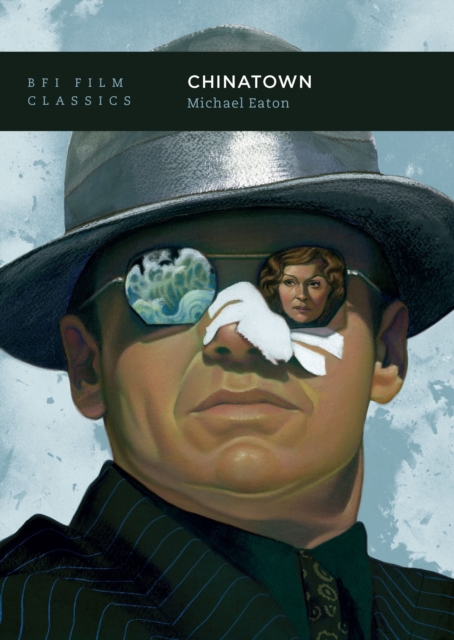
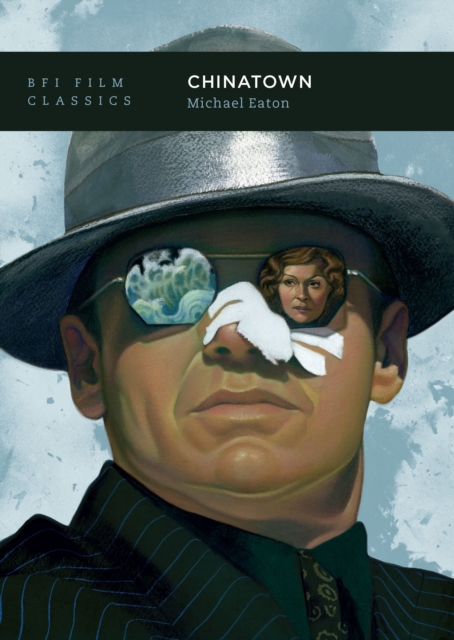
Directed in 1974 by Roman Polanski from a script by Robert Towne, Chinatown is a brilliant reworking of film noir set in a drought-stricken Los Angeles of the 1930s.
Like true love, Bigfoot doesn't really exist, but that hasn't stopped hordes of people from looking for him, trying to capture him on film, and, worst of all, making terrible movies about him.
Im Nebel des Grauens: Eine tiefgründige Analyse von Stephen Kings Der NebelEntdecken Sie die faszinierende Welt von Stephen Kings Der Nebel, ein Meisterwerk, das seit seiner ersten Veröffentlichung im Jahr 1980 Leser und Zuschauer gleichermaßen in seinen Bann zieht.
In this follow-up to the bestselling The Anime Chef Cookbook, immerse yourself in anime worlds and Japan's cafe culture through 50 favorite anime foods that are easy to make, fun, and delicious.
Billy Wilder's classic screwball comedy Some Like it Hot (1959), starring Jack Lemmon, Tony Curtis and Marilyn Monroe, tells the story of two struggling Jazz musicians who accidentally witness a mob massacre in Chicago who then, disguised as women, join a female band to escape the gangsters' pursuit.
Mikio Naruse's When A Woman Ascends The Stairs (1960) combines high melodrama with modernist film language, telling the story of Keiko, a bar hostess struggling to succeed in Tokyo's Ginza district.
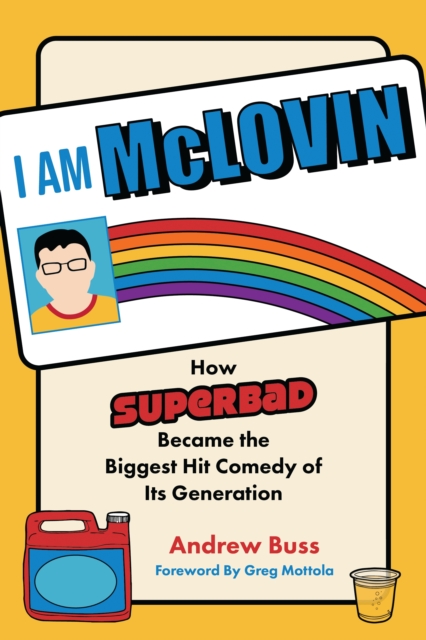
When Superbad was released on August 17th in 2007, it proved itself to be a massive success right out of the gate, especially for those in the film's target millennial demographic.
When Superbad was released on August 17th in 2007, it proved itself to be a massive success right out of the gate, especially for those in the film's target millennial demographic.
A canine-thropic (it's a word now) assault on that detestable Uncle Tom of the animal kingdom, man's so-called best friend (not), the treacherous, mangy, smelly, useless DOG.
Directed in 1974 by Roman Polanski from a script by Robert Towne, Chinatown is a brilliant reworking of film noir set in a drought-stricken Los Angeles of the 1930s.
Actor-turned-writer/director Barbara Loden's only feature film, Wanda (1970), tells the story of an alienated working-class woman, Wanda Goronski (played by Loden), who abandons her life as a coal miner's wife and mother, electing instead to drift.