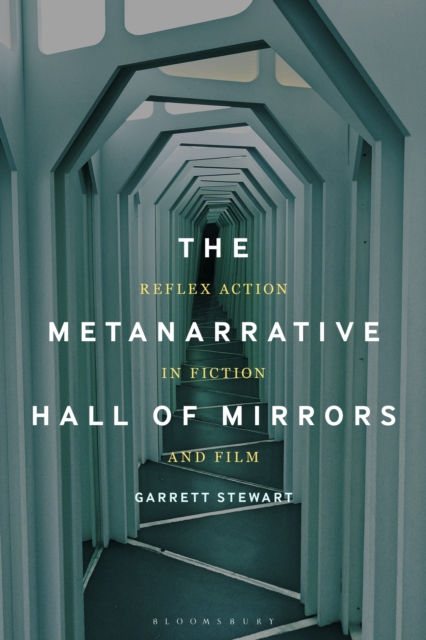
With its laser-focus on the verbal and visual infrastructure of narrative, The Metanarrative Hall of Mirrors is the first sustained comparative study of how image patterns are tracked in prose and cinema.
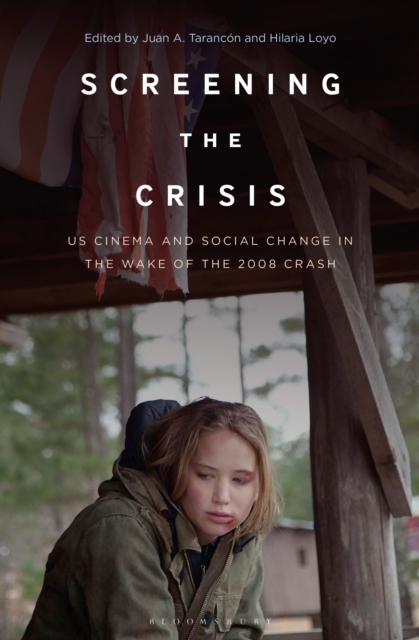
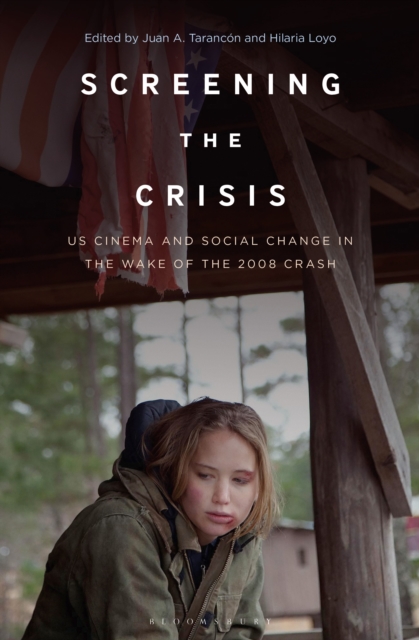
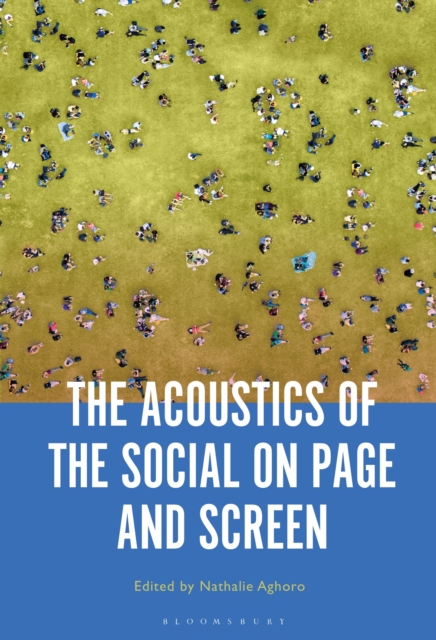
The financial collapse of 2008 extended and deepened a prolonged, multilayered crisis that has transformed, often in unexpected ways, how we think about all aspects of social life.
The financial collapse of 2008 extended and deepened a prolonged, multilayered crisis that has transformed, often in unexpected ways, how we think about all aspects of social life.
Going beyond a discussion of political architecture, Walled Life investigates the mediation of material and imagined border walls through cinema and art practices.
Going beyond a discussion of political architecture, Walled Life investigates the mediation of material and imagined border walls through cinema and art practices.
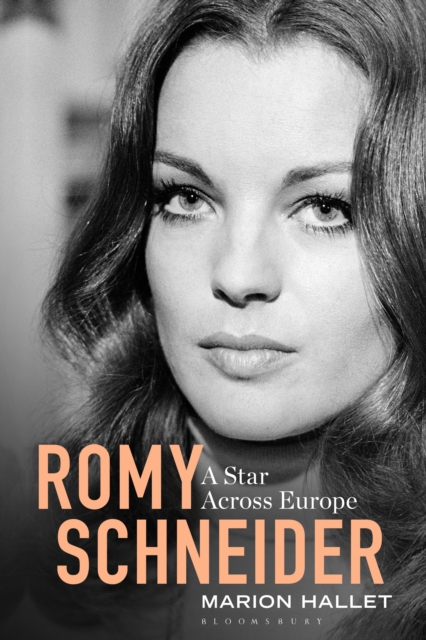
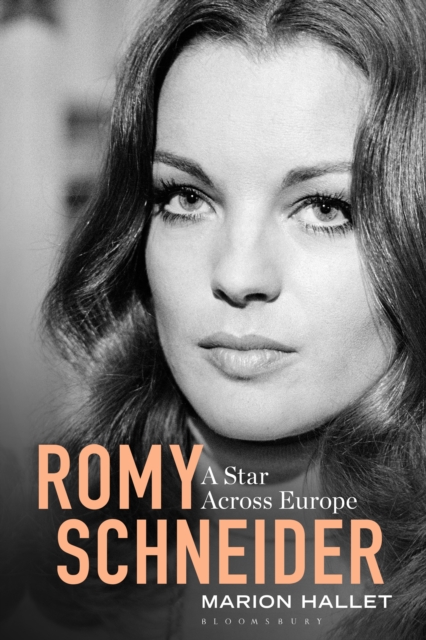
The beautiful Austrian-born Romy Schneider was one of Europe's most popular film stars and a cult figure from the moment she played 'Sissi' (Empress Elisabeth of Austria) in the hugely popular Sissi trilogy in the mid-1950s.
The beautiful Austrian-born Romy Schneider was one of Europe's most popular film stars and a cult figure from the moment she played 'Sissi' (Empress Elisabeth of Austria) in the hugely popular Sissi trilogy in the mid-1950s.
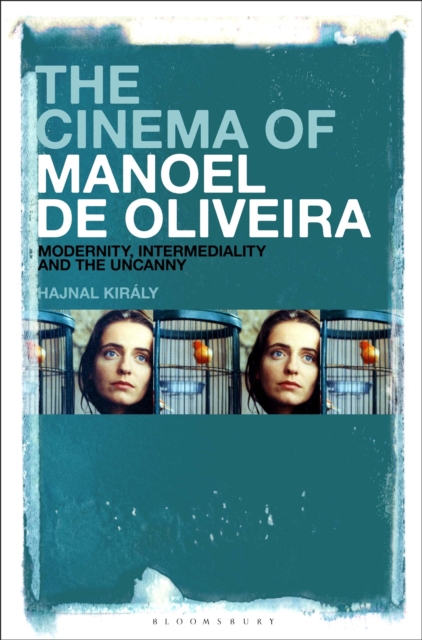
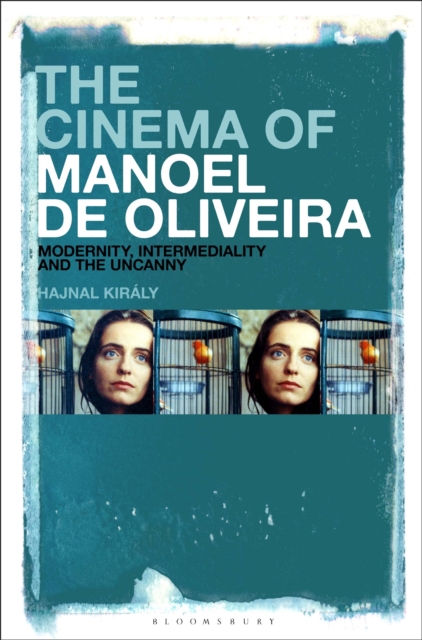
Manoel de Oliveira is the only filmmaker whose career spans from the silent era to the digital age, and yet there is little written in English about his extensive filmography.
Manoel de Oliveira is the only filmmaker whose career spans from the silent era to the digital age, and yet there is little written in English about his extensive filmography.
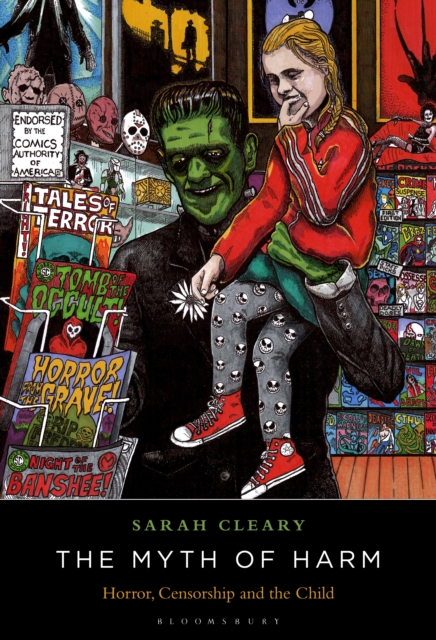
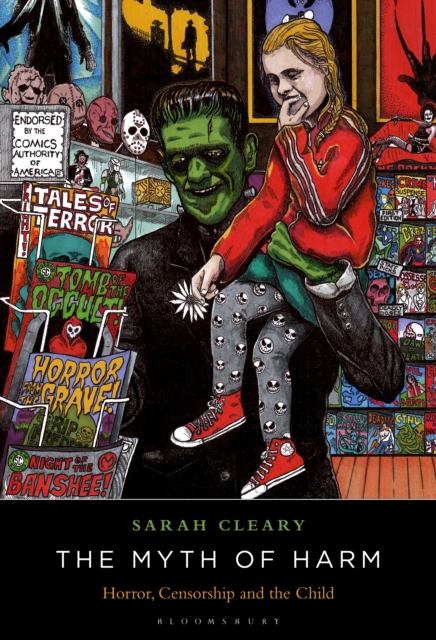
Choice Outstanding Academic Title 2023The Myth of Harm engages and analyses controversies generated by horror that examines some of the most high-profile media debates around the issue of whether or not horror texts corrupt children.
Choice Outstanding Academic Title 2023The Myth of Harm engages and analyses controversies generated by horror that examines some of the most high-profile media debates around the issue of whether or not horror texts corrupt children.
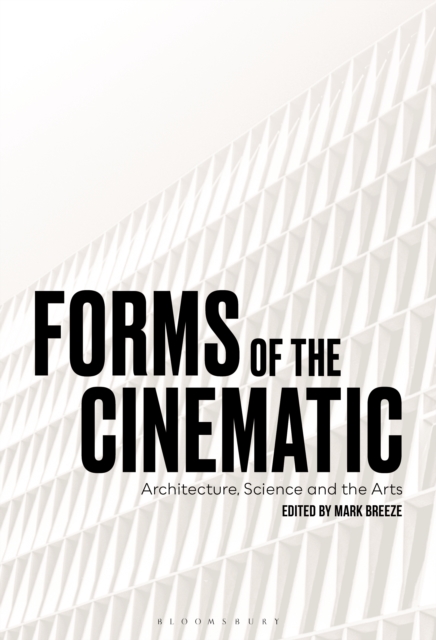
This interdisciplinary collection explores how cinema calls into question its own frame of reference and, at the same time, how its form becomes the matter of its thought.
This interdisciplinary collection explores how cinema calls into question its own frame of reference and, at the same time, how its form becomes the matter of its thought.
As a period of film history, The American New Wave (ordinarily understood as beginning in 1967 and ending in 1980) remains a preoccupation for scholars and audiences alike.
As a period of film history, The American New Wave (ordinarily understood as beginning in 1967 and ending in 1980) remains a preoccupation for scholars and audiences alike.
Mobile, smartphone and pocket filmmaking is a global phenomenon with distinctive festivals, filmmakers and creatives that are defining an original film form.
Mobile, smartphone and pocket filmmaking is a global phenomenon with distinctive festivals, filmmakers and creatives that are defining an original film form.
During the first decades of the 21st century, a critical re-assessment of the reenactment as a form of historical representation has taken place in the disciplines of history, art history and performance studies.
During the first decades of the 21st century, a critical re-assessment of the reenactment as a form of historical representation has taken place in the disciplines of history, art history and performance studies.
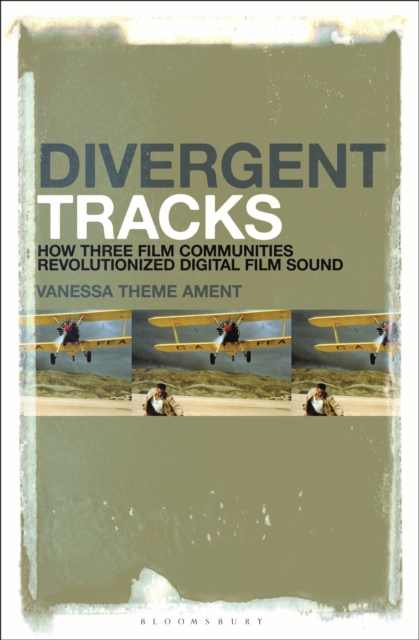
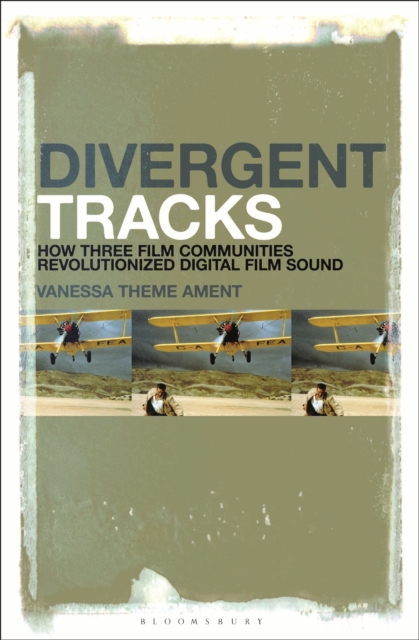
By examining three case studies of award-winning soundtracks from cult films-Barton Fink (1991), Bram Stoker's Dracula (1992), and The English Patient (1996)-it becomes clear that major American film communities, when confronted with the initial technological changes of the 1990s, experienced similar challenges with the inelegant transition from analogue to digital.
By examining three case studies of award-winning soundtracks from cult films-Barton Fink (1991), Bram Stoker's Dracula (1992), and The English Patient (1996)-it becomes clear that major American film communities, when confronted with the initial technological changes of the 1990s, experienced similar challenges with the inelegant transition from analogue to digital.
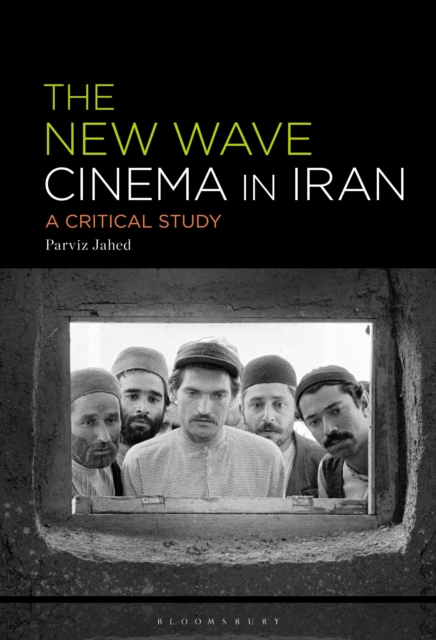
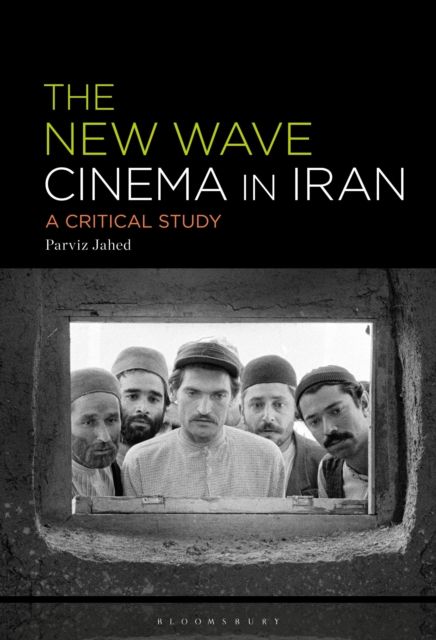
The New Wave Cinema in Iran is a historical and analytical study of the Iranian New Wave Cinema (Mowj-e No) as an artistic and intellectual movement that came to its best early productions between 1958 and 1978.
The New Wave Cinema in Iran is a historical and analytical study of the Iranian New Wave Cinema (Mowj-e No) as an artistic and intellectual movement that came to its best early productions between 1958 and 1978.
The first collection dedicated to David Bowie's acting career shows that his film characterisations and performance styles shift and reform as decoratively as his musical personas.
The first collection dedicated to David Bowie's acting career shows that his film characterisations and performance styles shift and reform as decoratively as his musical personas.
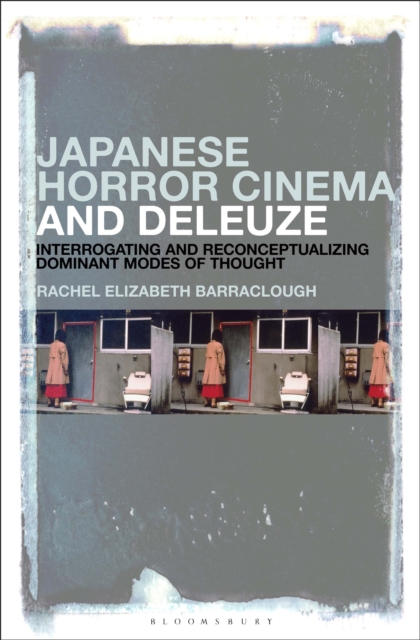
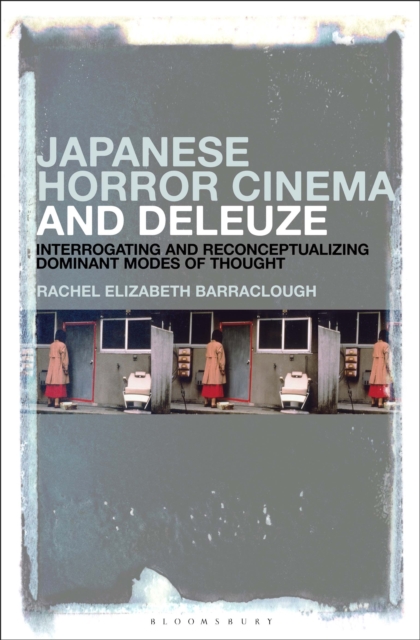
Using theories of national, transnational and world cinema, and genre theories and psychoanalysis as the basis of its argument, Japanese Horror Cinema and Deleuze argues that these understandings of Japanese horror films can be extended in new ways through the philosophy of Deleuze.
Using theories of national, transnational and world cinema, and genre theories and psychoanalysis as the basis of its argument, Japanese Horror Cinema and Deleuze argues that these understandings of Japanese horror films can be extended in new ways through the philosophy of Deleuze.
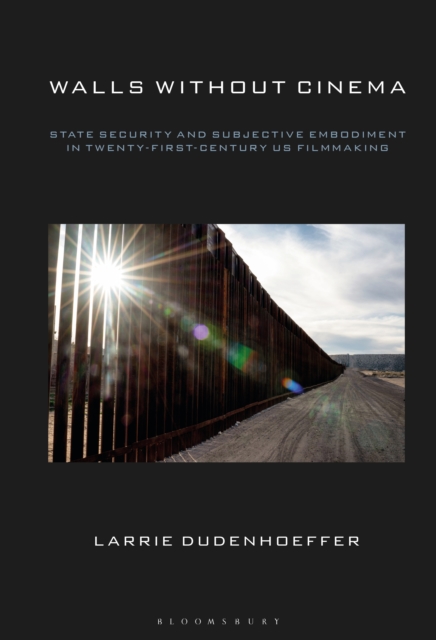
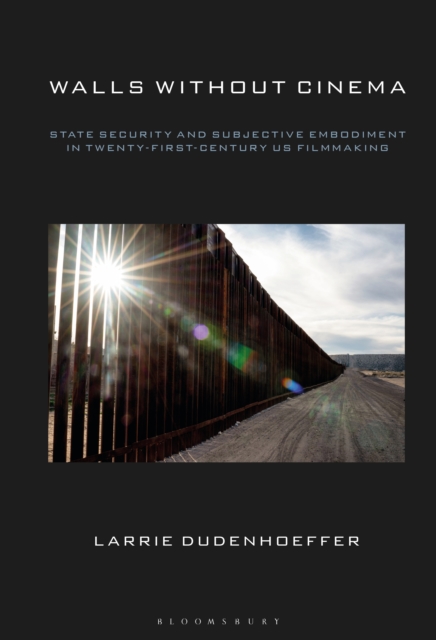
This volume closely examines the near-ubiquitous images of state security walls, domes, and other such defense enclosures flashing across movie screens since 2006, the year of the ratification of George W.
This volume closely examines the near-ubiquitous images of state security walls, domes, and other such defense enclosures flashing across movie screens since 2006, the year of the ratification of George W.
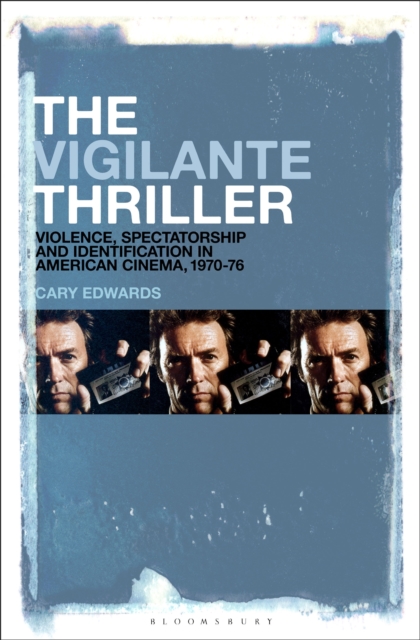
This is a detailed examination of vigilantism in 1970s American film, from its humble niche beginnings as a response to relaxing censorship laws to its growth into a unique subgenre of its own.