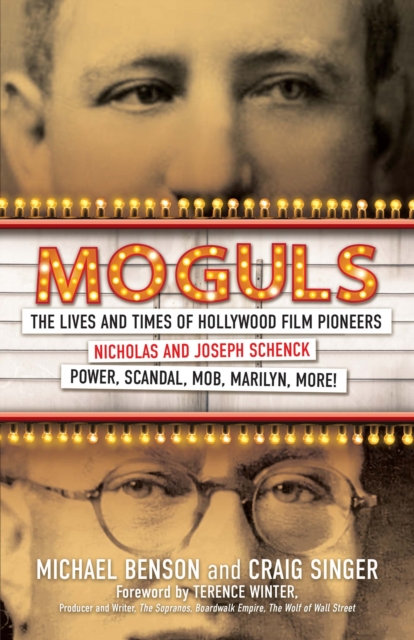
The incredible true story of the most powerful brothers in Hollywood historyan wildly entertaining saga studded with glamorous stars, scandals, mobsters, murders, and one legendary blond bombshell.
When the author's vision reaches the stage of announcement, the illusion of duality in his personality disappears, as the author's anonymity is the same as his visible vision, as if he or she were him, devoid of symptoms of change and corruption.
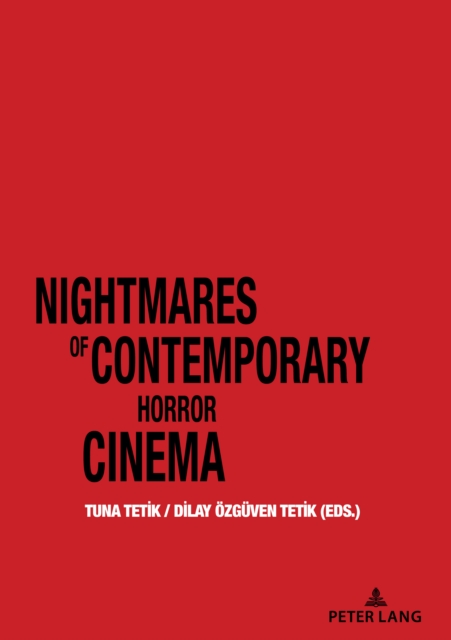
Nightmares of Contemporary HorrorCinema addresses collections of comprehensive studies on horror within selective chapters, focusing on American horror films in the new millennium.
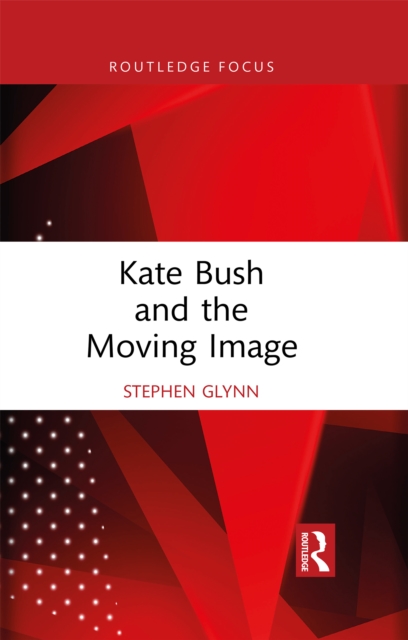
In this unique study, Stephen Glynn demonstrates that Kate Bush's work, in both sound and vision, has long been influenced and characterised by, and at times aimed at, film and television media.
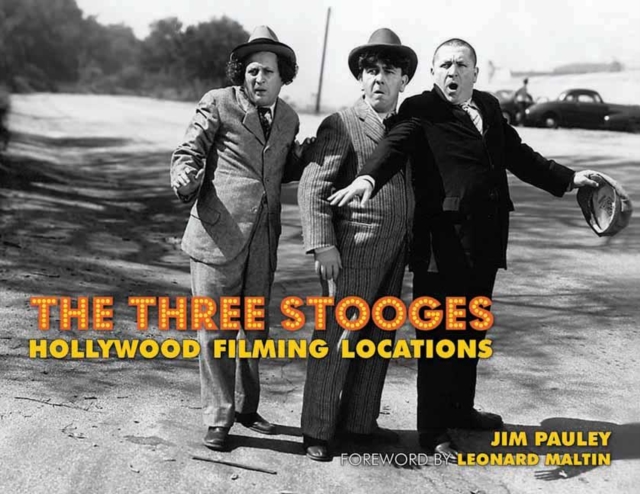
Exploring the film settings of one of the most popular comedy teams in American history, The Three Stooges: Hollywood Filming Locations documents the sites of the Stooges' most famous Columbia Pictures short films made in and around Hollywood between 1934 and 1958.
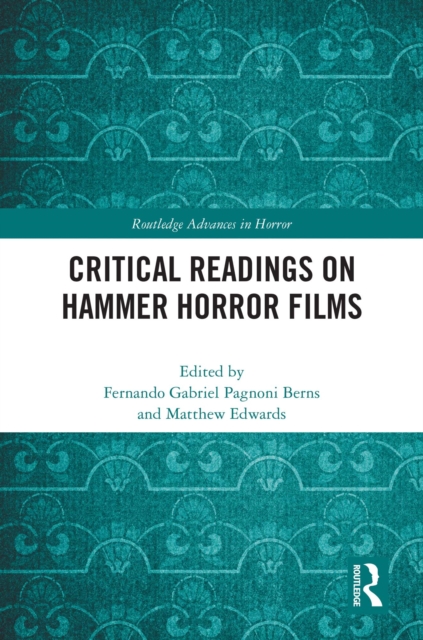
This collection offers close readings on Hammer's cycle of horror films, analysing key films and placing particular emphasis on the narratives and themes present in the works discussed.
From a range of academic and practice-led perspectives, this book explores how a combination of place-based writing and location-based technologies are producing new kinds of experimental ambient literary experience.
Cinema and Surveillance: The Asymmetric Gaze shows how key modern filmmakers challenge and disturb the relation between film and surveillance, medium and message.
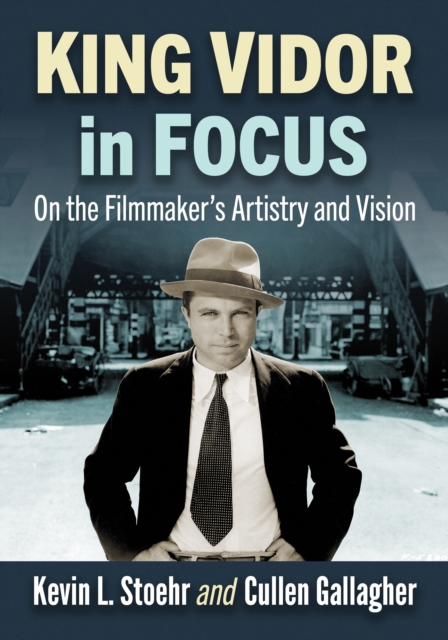
King Vidor (1894-1982) had the longest career of any Hollywood director, and his works include some of the most dramatic, sublime moments in the history of American cinema.
This innovative collection of essays is focused on the idea of transmedialization: the ways that the traditional forms of the predominantly oral cultures of Scotland and Brittany (poetry, song and story) can be transformed by the use of hybrid forms and new digital technologies.
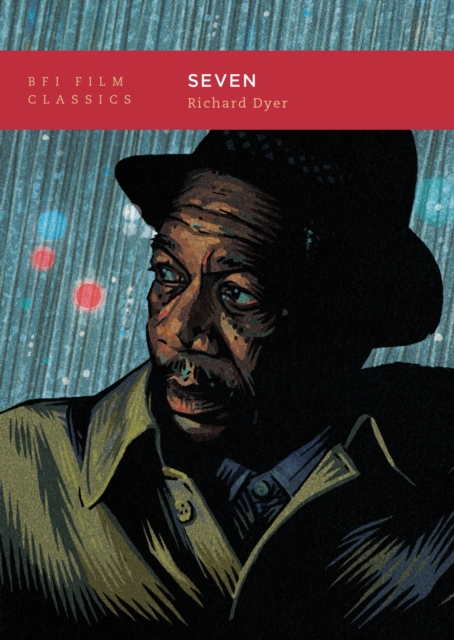
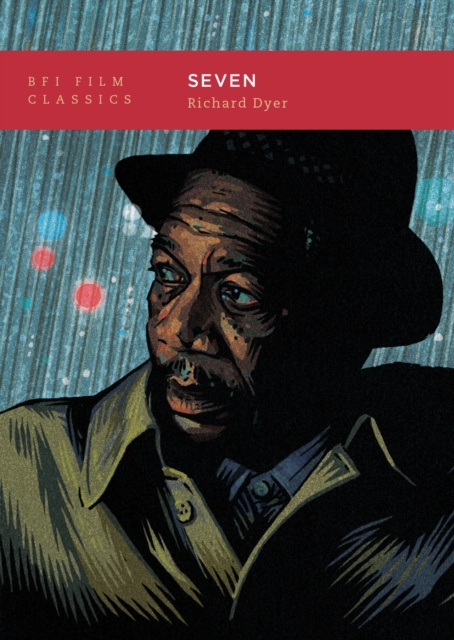
David Fincher's Seven (1995) follows two detectives, David Mills (Brad Pitt) and William Somerset (Morgan Freeman), as they investigate a series of gruesome murders.
This book explores how modern Russian cinema is part of the international information war that has unfolded across a variety of battlefields, including social media, online news, and television.
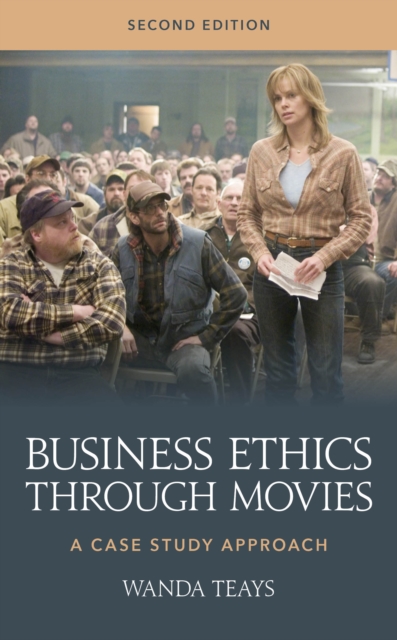
The second edition of Business Ethics through Movies: A Case Study Approach examines a wide range of ethical dilemmas, principles, and moral reasoning through a series of popular films, real-world case studies, and corporate ethics codes.
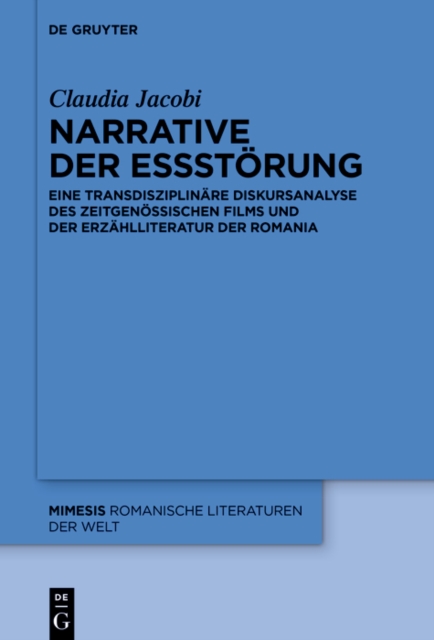
Diese intermedial und komparatistisch angelegte Studie analysiert Narrative der Essstörung im zeitgenössischen Film und in der Erzählliteratur der europäischen, nordafrikanischen und amerikanischen Romania.
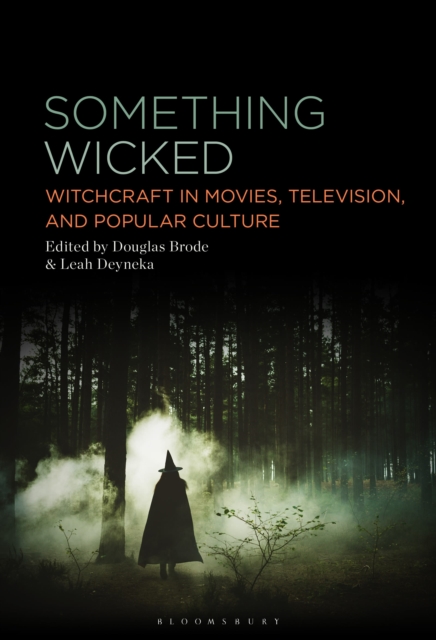
An anthology of essays that deal with Witchcraft and the figure of the Witch, as they have been presented in motion pictures, television, and popular culture, in order to understand how, why, and when the common anti-Witchcraft/ anti-Witch attitude evolved.
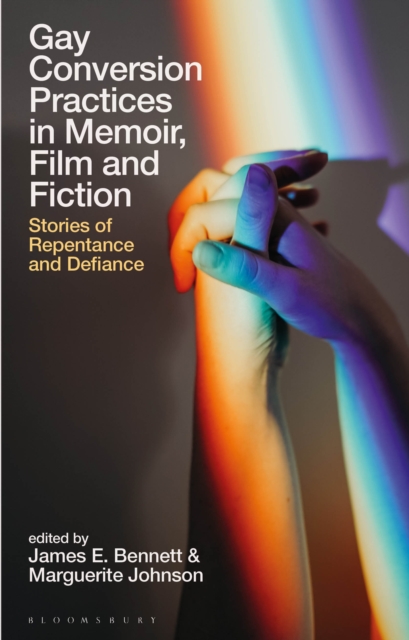
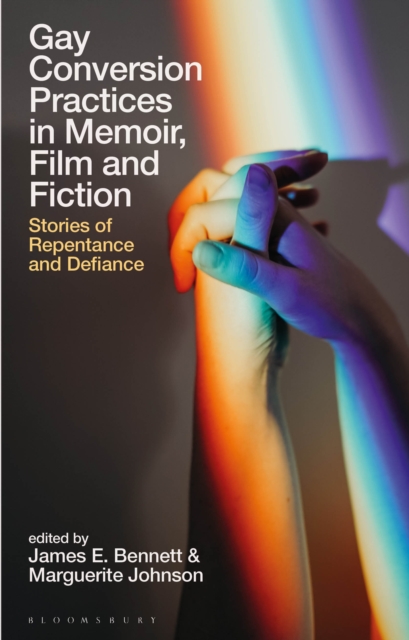
For over half a century, organizations and individuals promoting ex-gay, conversion and/ or reparative therapy have pushed the tenet that a person may be able to, and should, alter their sexual orientation.
Nightmares of Contemporary HorrorCinema addresses collections of comprehensive studies on horror within selective chapters, focusing on American horror films in the new millennium.
In Japanese Cinema and Punk, Mark Player examines how the do-it-yourself ethos of punk empowered a new generation of Japanese filmmakers during a period of crisis and change in Japan's film industry.
Das menschliche Gesicht gilt einerseits als subtiler, „schwacher Code“, das sich im Alltag den Deutungen der menschlichen Wahrnehmung immer wieder zu entziehen scheint.
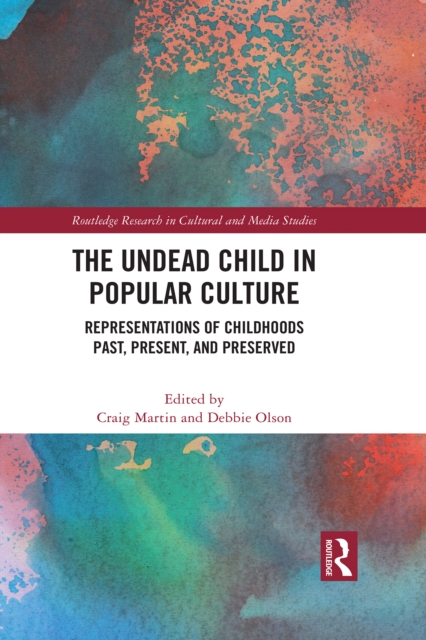
In this study of representations of children and childhood, a global team of authors explores the theme of undeadness as it applies to cultural constructions of the child.
Das menschliche Gesicht gilt einerseits als subtiler, „schwacher Code“, das sich im Alltag den Deutungen der menschlichen Wahrnehmung immer wieder zu entziehen scheint.
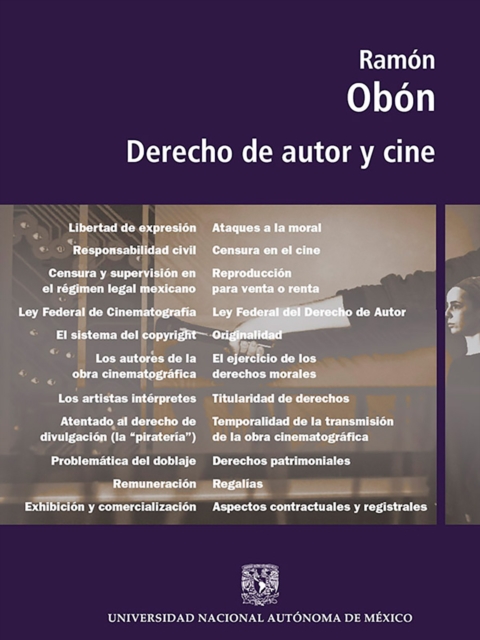
Como abogado experto en derecho de autor que es tambien guionista y realizador cinematografico, Ramon Obon aborda de manera exhaustiva los aspectos legales de la industria filmica, teniendo como centro el derecho de autor: la libertad de expresion y sus limitaciones; censura, supervision y clasificacion de peliculas; titularidad de derechos, y la observancia a los instrumentos contractuales indispensable en toda produccion audiovisual.
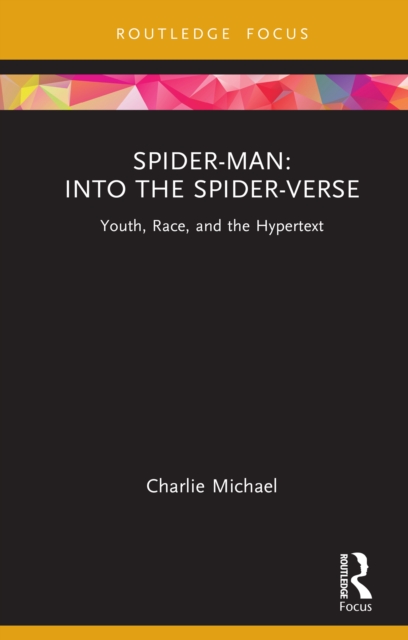
Exploring the dynamic genres of animation and comic book films, this book examines the transmedia role of Spider-Man: Into the Spider-Verse (2018) and its critical involvement in attempts to diversify representations in youth-oriented cinema and culture.
This book takes the unique approach of combining cognitive approaches with more established close-reading methods in analysing a selection of Japanese novels and a film.
This book explores the dramatic rise in popularity of the women's biopic in contemporary Bollywood, within the context of wider cultural shifts over the past decade.
Beat Film, Beat Writers is the first monograph to analyze the films of Christopher Maclaine, Lawrence Jordan, ruth weiss, Ron Rice, Robert Frank, Barbara Rubin, Shirley Clarke, William S.
This book examines the influence of key films on public understanding of big data and the algorithmic systems that structure our digitally mediated lives.
Exploring the dynamic genres of animation and comic book films, this book examines the transmedia role of Spider-Man: Into the Spider-Verse (2018) and its critical involvement in attempts to diversify representations in youth-oriented cinema and culture.
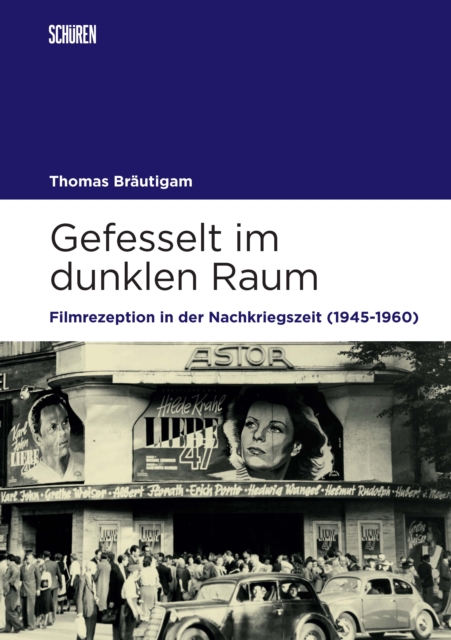
Sich im Kino fesseln zu lassen, war für die Nachkriegsgesellschaft nicht nur ein harmloses Freizeitvergnügen im Übergang von der Barbarei zur Zivilisation.
This collection offers close readings on Hammer's cycle of horror films, analysing key films and placing particular emphasis on the narratives and themes present in the works discussed.
For over half a century, organizations and individuals promoting ex-gay, conversion and/ or reparative therapy have pushed the tenet that a person may be able to, and should, alter their sexual orientation.
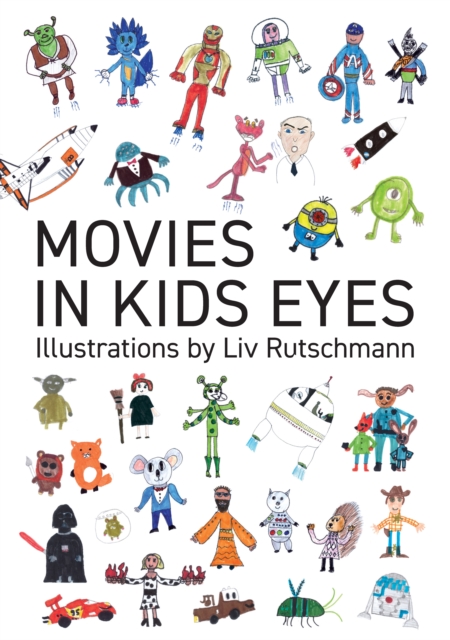
Since the age of seven, Liv has been painting the heroines and heroes of the movies she watches together with her family with a lot of imagination but also with a high degree of recognisability.
David Fincher's Seven (1995) follows two detectives, David Mills (Brad Pitt) and William Somerset (Morgan Freeman), as they investigate a series of gruesome murders.
Celebrification has thrived for centuries in literature, theater, music, and other cultural spheres, as vividly illustrated by Byron, Sarah Bernhardt, and Paganini.
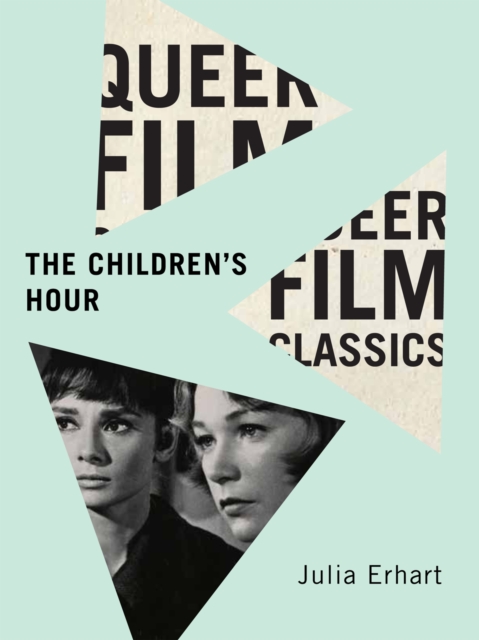
Based on a play by Lillian Hellman, The Children's Hour (1961) was the first mainstream commercial American film to feature a lesbian character in a leading role.
Director David Lynch is best known for films that channel the uncanny and the weird into a distinct "e;Lynchian"e; aesthetic, in which sound and music play a key role: Lynch not only writes his intended sounds into the script but also often takes on the role of creating the sounds himself.