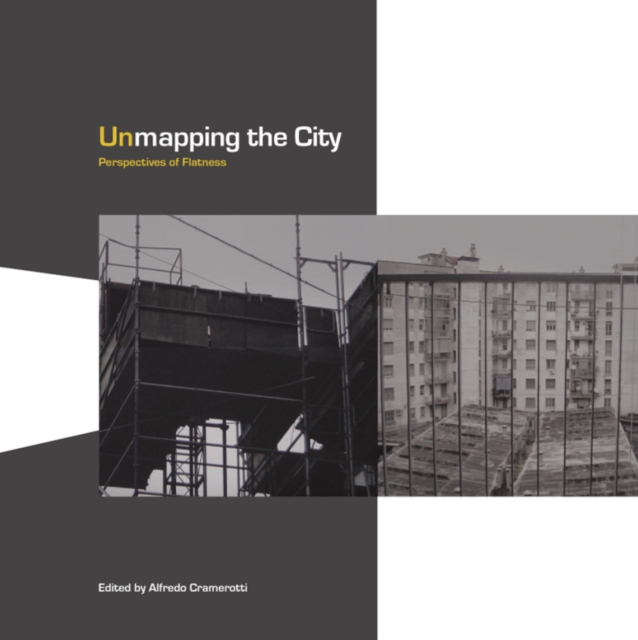
Unmapping the City, the first title in the new Intellect series Critical Photography, features photographs shot between 2004 and 2008 in different cities around the world.
Roosevelt's New Deal introduced sweeping social, political and cultural change across the United States, which the Hollywood film community embraced enthusiastically.
This book is the first written by a film specialist to consider Stephen King's television work in its own right, and rejects previous attempts to make the films and books fit rigid thematic categories.
An innovative exploration of understanding through dance, Dancing across the Page draws on the frameworks of phenomenology, feminism, and postmodernism to offer readers an understanding of performance studies that is grounded in personal narrative and lived experience.
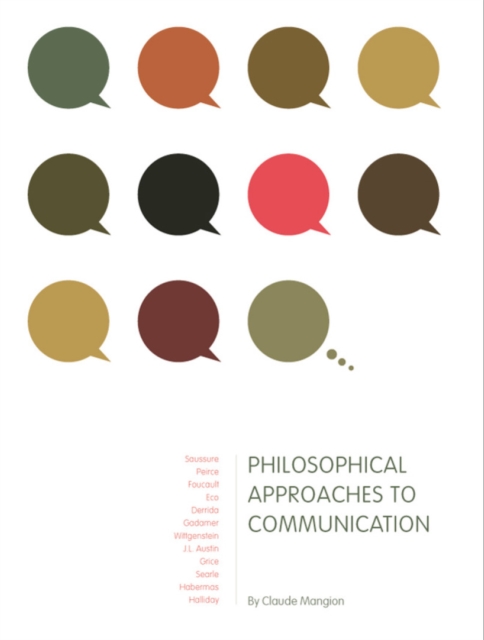
A comprehensive introduction to the forms and various philosophical theories of communication, this volume is composed of three sections focusing on the production of culturally relevant communication, the interpretation of communicative messages, and the effects of communication on both speaker and listener.
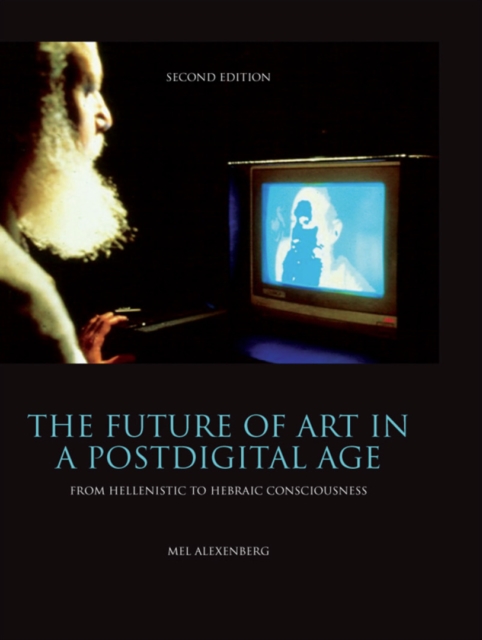
In The Future of Art in a Postdigital Age, artist and educator Mel Alexenberg offers a vision of a postdigital future that reveals a paradigm shift from the Hellenistic to the Hebraic roots of Western culture.
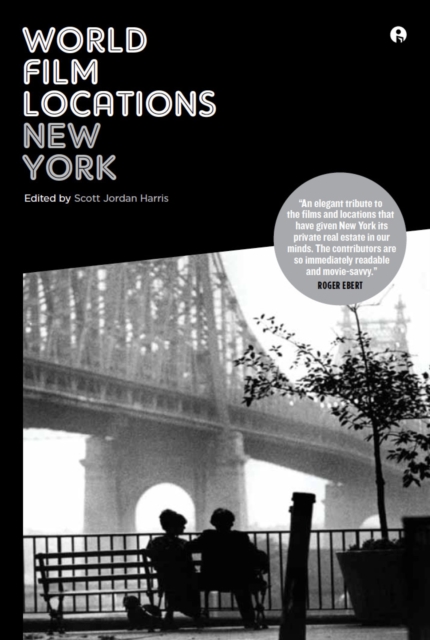
Be they period films, cult classics or elaborate directorial love letters, New York City has played - and continues to play - a central role in the imaginations of filmmakers and moviegoers worldwide.
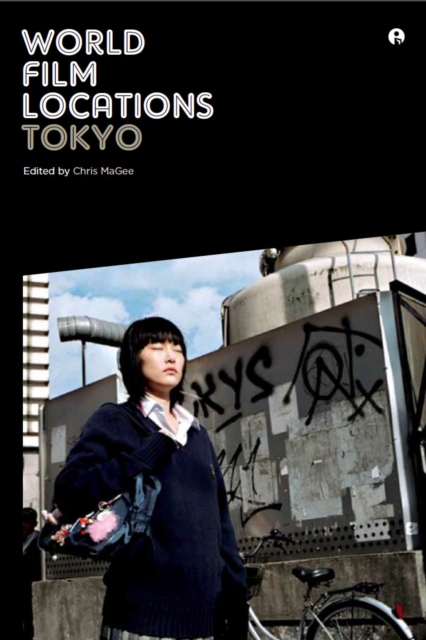
World Film Locations: Tokyo gives readers a kaleidoscopic view of one of the world's most complex and exciting cities through the lens of world cinema.
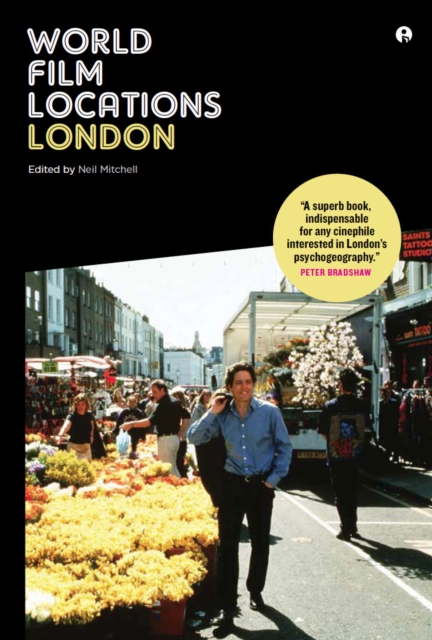
An exciting and visually focused tour of the diverse range of films shot on location in London, World Film Locations: London presents contributions spanning the Victorian era, the swinging '60s and the politically charged atmosphere following the 2005 subway bombings.
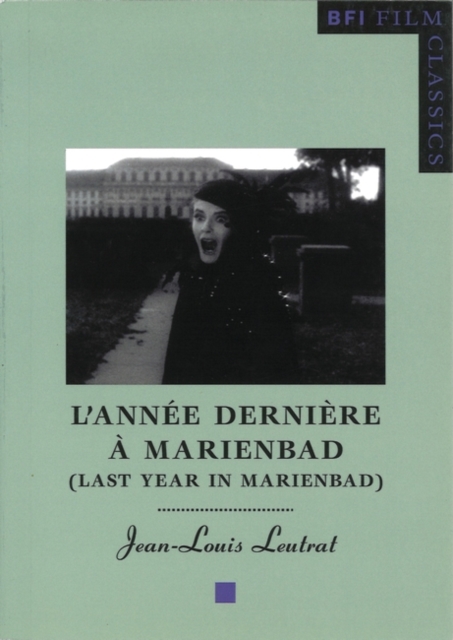
A quintessential work of 1960s European art cinema, L'Ann e derni re Marienbad (Last Year in Marienbad, 1961) was a collaboration between director Alain Resnais and 'New Novel' enfant terrible Alain Robbe-Grillet.
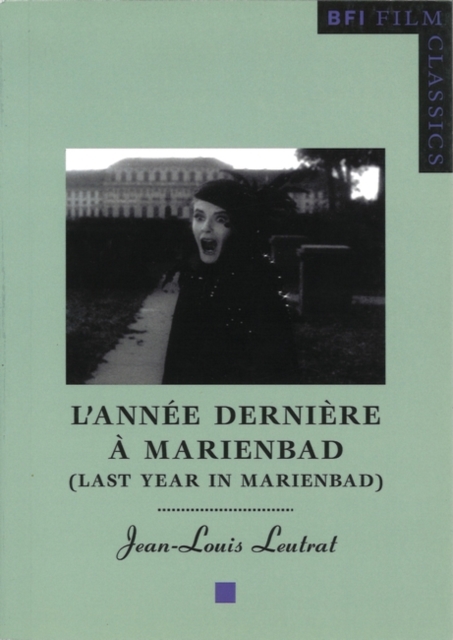
A quintessential work of 1960s European art cinema, L'Ann e derni re Marienbad (Last Year in Marienbad, 1961) was a collaboration between director Alain Resnais and 'New Novel' enfant terrible Alain Robbe-Grillet.
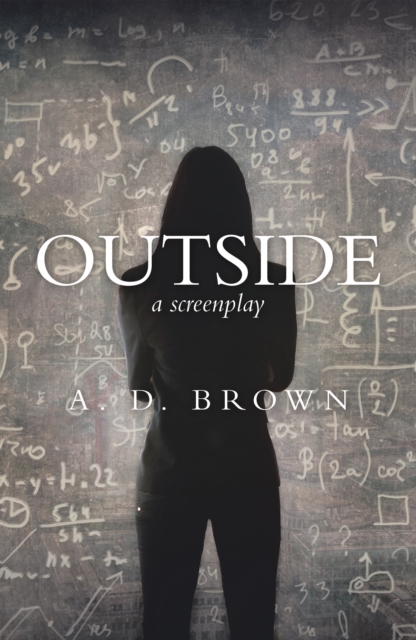
Francine travels over four thousand miles from her family and best friends: Petta, Jessica, Georgina and Alysia from Philadelphia, Pennsylvania to Munich, Germany to accept a job offer with new responsibilities as a genetics research department manager.
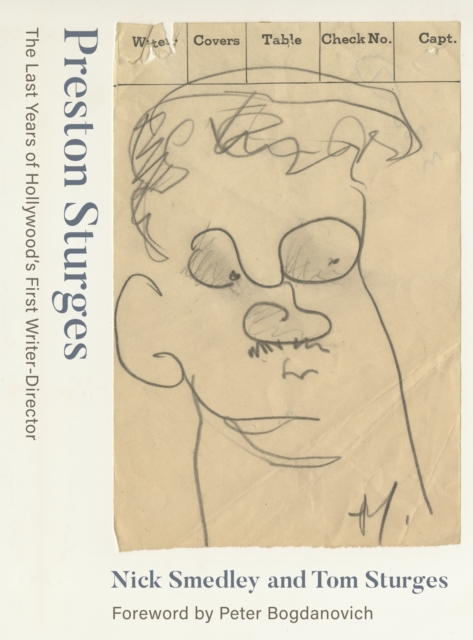
Few directors of the 1930s and 40s were as distinctive and popular as Preston Sturges, whose whipsmart comedies have entertained audiences for decades.
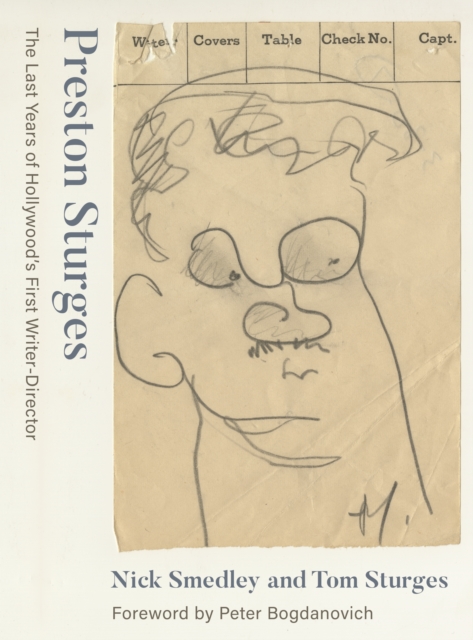
Few directors of the 1930s and 40s were as distinctive and popular as Preston Sturges, whose whipsmart comedies have entertained audiences for decades.
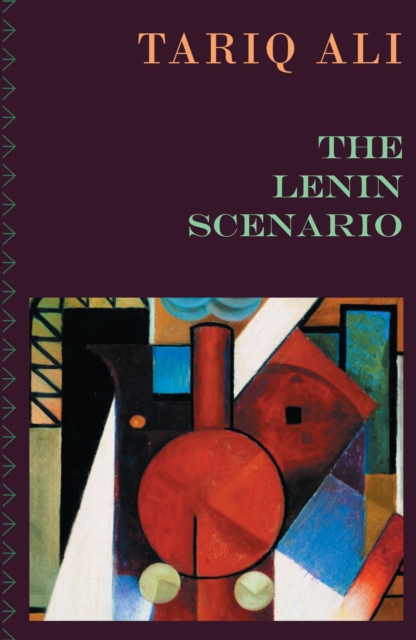
Commissioned by Oliver Stone in 2015 to commemorate the Russian Revolution, Tariq Ali's captivating screenplay of the life and times of Vladimir Lenin puts flesh on the bones of the historical record and gets its pulse racing.
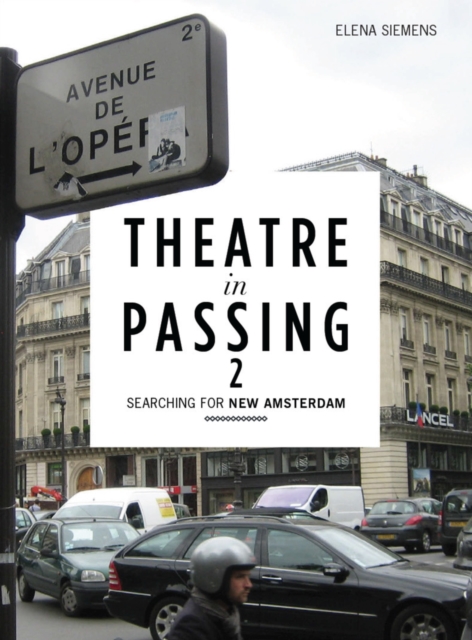
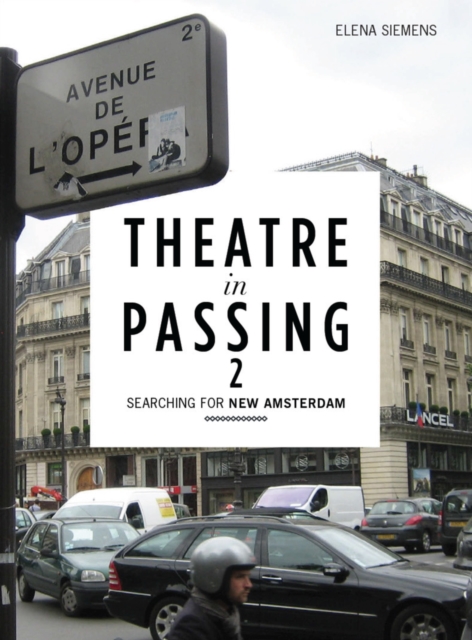
This book discusses spaces of performance from formal opera houses to parks and graffiti around the world and is a companion to Theatre in Passing: A Moscow Photo-Diary.
This book discusses spaces of performance from formal opera houses to parks and graffiti around the world and is a companion to Theatre in Passing: A Moscow Photo-Diary.
Nadezhda Ptushkina's plays reflect her keen interest in constructing multidimensional characters that reflect the myriad ways people are affected by today's turbulent world.
Presented here for the first time in English is a remarkable screenplay about the apostle Paul by Pier Paolo Pasolini, legendary filmmaker, novelist, poet, and radical intellectual activist.