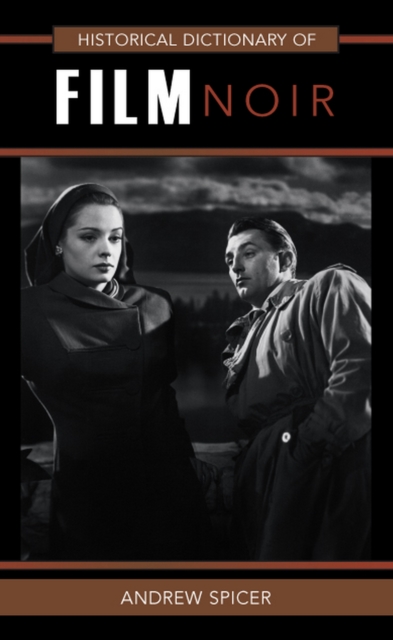
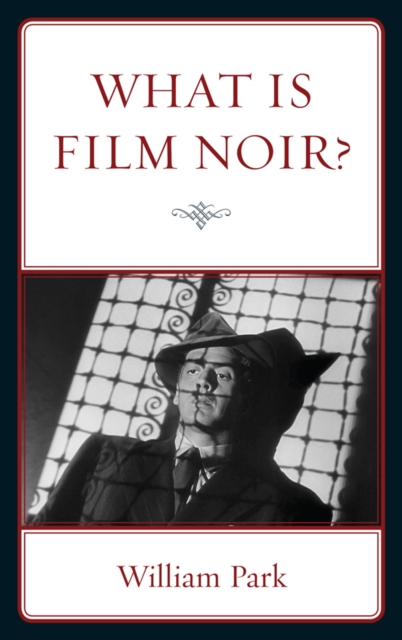
Film noir-literally "e;black cinema"e;-is the label customarily given to a group of black and white American films, mostly crime thrillers, made between 1940 and 1959.
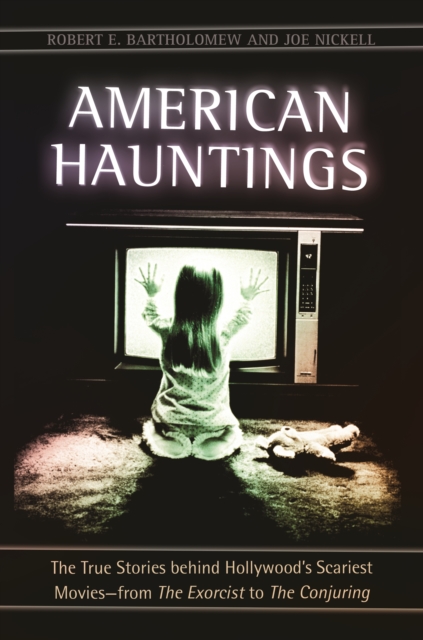
This work provides an accurate, in-depth examination and scientific evaluation of the most famous hauntings in American history as depicted in popular films and television programs.
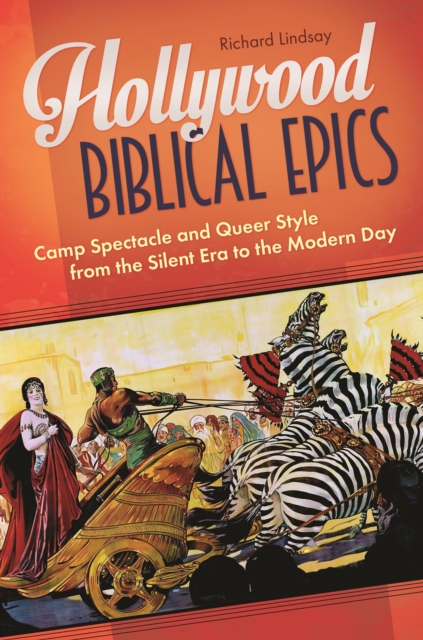
This is the only book of its kind to explore biblical epics from an LGBT perspective, studying films from the silent era, to the postwar major studio era, to the present day.
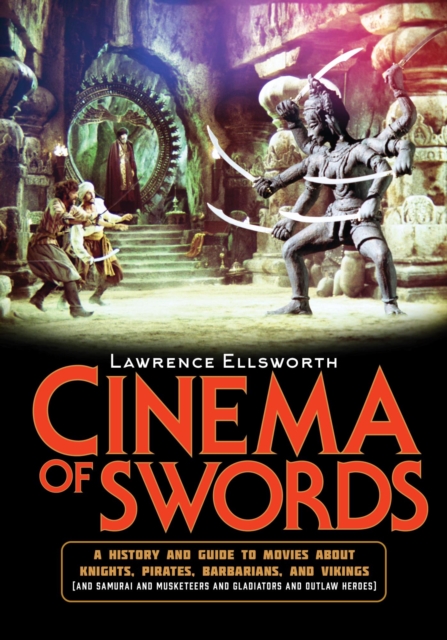
Cinema of Swords is a history, guide, and love letter to over four hundred movies and television shows featuring swashbucklers: knights, pirates, samurai, Vikings, gladiators, outlaw heroes like Zorro and Robin Hood, and anyone else who lives by the blade and solves their problems with the point of a sword.
The American Villain: Encyclopedia of Bad Guys in Comics, Film, and Television provides one go-to reference for the study of the most popular and iconic villains in American popular culture.
The Civil War on Film informs high-school and college readers interested in Civil War film history on issues that arise when film viewers confuse entertainment with historical accuracy.
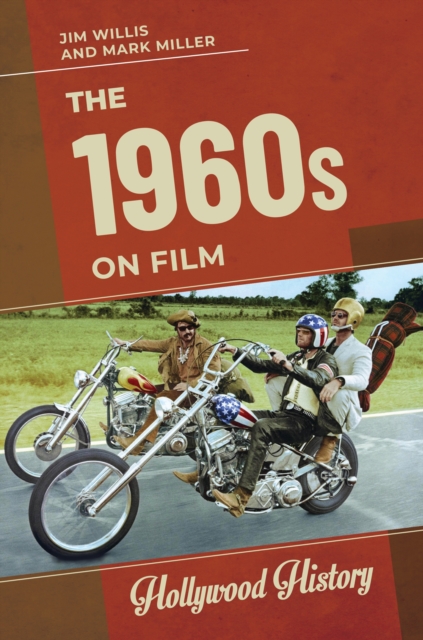
The 1960s on Film tells the narrative of the 1960s through the lens of the movie camera, analyzing 10 films that focus on the people, events, and issues of the decade.
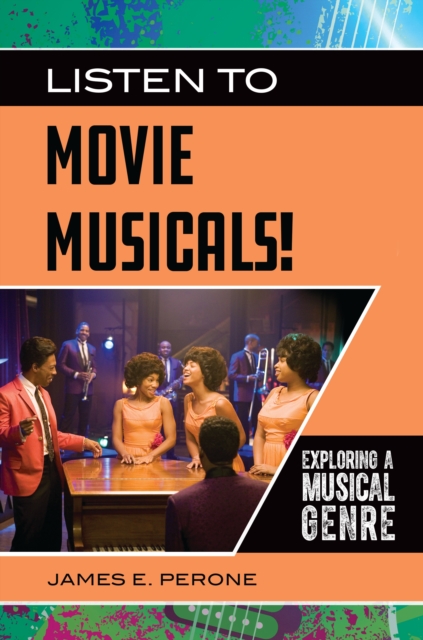
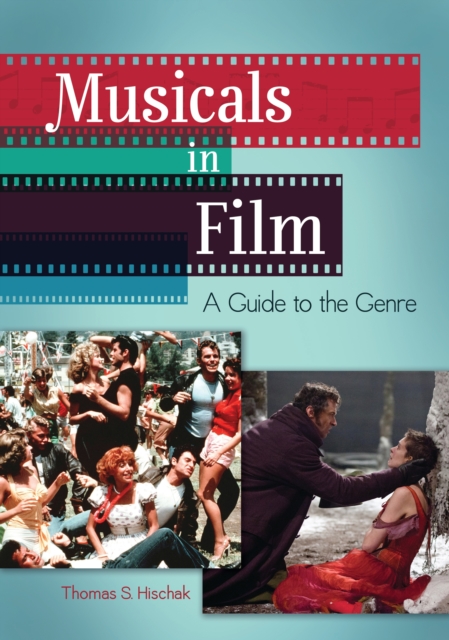
This wide-ranging guide introduces (or reintroduces) readers to movie musicals past and present, enabling them to experience the development of this uniquely American art form-and discover films they'll love.
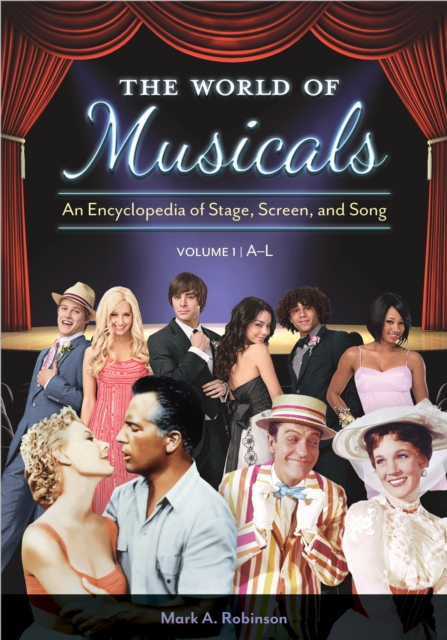
This wide-ranging, two-volume encyclopedia of musicals old and new will captivate young fans-and prove invaluable to those contemplating staging a musical production.
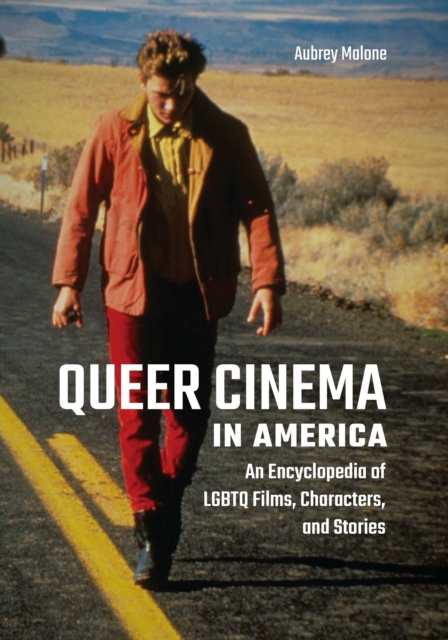
Explore queer cinema over time with this comprehensive encyclopedia, helping readers understand films, directors, actors, themes, and other topics related to LGBTQ cinema history.
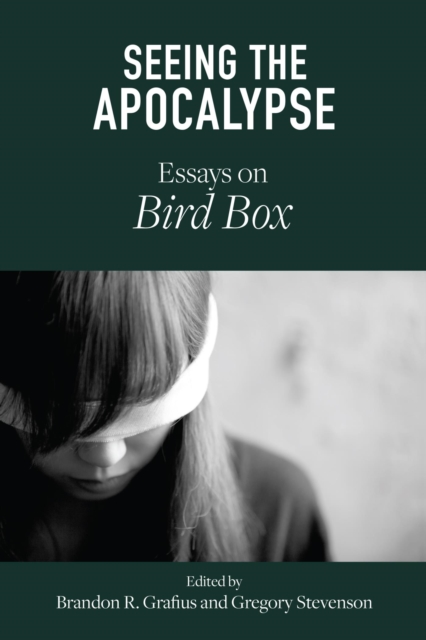
Seeing the Apocalypse: Essays on Bird Box is the first volume to explore Josh Malerman's best-selling novel and its recent film adaptation, which broke streaming records and became a cultural touchstone, emerging as a staple in the genre of contemporary horror.
Cinema of Swords is a history, guide, and love letter to over four hundred movies and television shows featuring swashbucklers: knights, pirates, samurai, Vikings, gladiators, outlaw heroes like Zorro and Robin Hood, and anyone else who lives by the blade and solves their problems with the point of a sword.
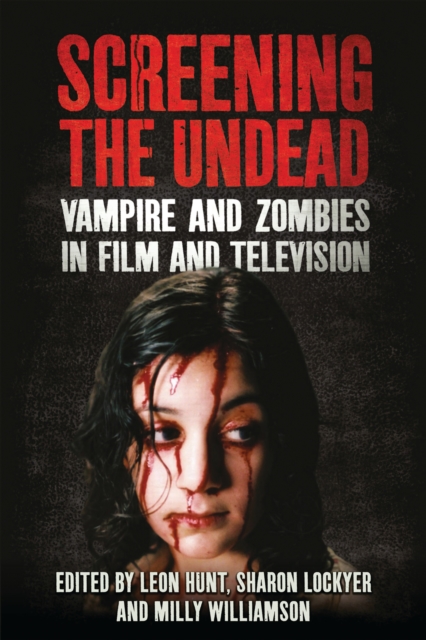
The vampire and the zombie, the two most popular incarnations of the undead, are brought together for a forensic critical investigation in Screening the Undead.
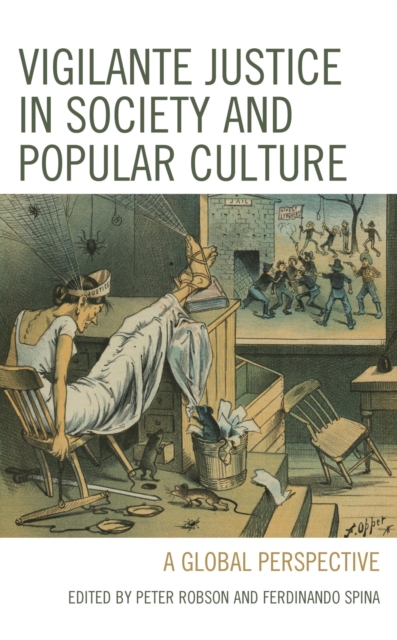
This unique collection explores the complex issue of vigilantism, how it is represented in popular culture, and what is its impact on behavior and the implications for the rule of law.
The American Villain: Encyclopedia of Bad Guys in Comics, Film, and Television provides one go-to reference for the study of the most popular and iconic villains in American popular culture.
The 1960s on Film tells the narrative of the 1960s through the lens of the movie camera, analyzing 10 films that focus on the people, events, and issues of the decade.
Explore queer cinema over time with this comprehensive encyclopedia, helping readers understand films, directors, actors, themes, and other topics related to LGBTQ cinema history.
The Civil War on Film informs high-school and college readers interested in Civil War film history on issues that arise when film viewers confuse entertainment with historical accuracy.
This wide-ranging guide introduces (or reintroduces) readers to movie musicals past and present, enabling them to experience the development of this uniquely American art form-and discover films they'll love.
This work provides an accurate, in-depth examination and scientific evaluation of the most famous hauntings in American history as depicted in popular films and television programs.
This is the only book of its kind to explore biblical epics from an LGBT perspective, studying films from the silent era, to the postwar major studio era, to the present day.
This wide-ranging, two-volume encyclopedia of musicals old and new will captivate young fans-and prove invaluable to those contemplating staging a musical production.
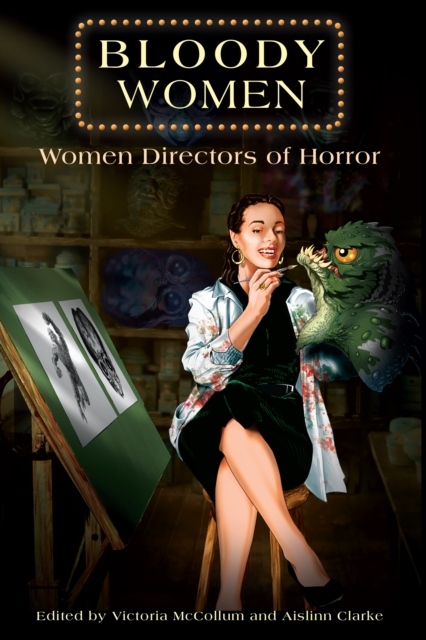
Bloody Women traces changing gender dynamics in the horror film industry to explore how women have played a crucial role in defining the genre of horror understood as a scholarly discipline, cultural institution, and site of pleasure.
Seeing the Apocalypse: Essays on Bird Box is the first volume to explore Josh Malerman's best-selling novel and its recent film adaptation, which broke streaming records and became a cultural touchstone, emerging as a staple in the genre of contemporary horror.
Bloody Women traces changing gender dynamics in the horror film industry to explore how women have played a crucial role in defining the genre of horror understood as a scholarly discipline, cultural institution, and site of pleasure.
People Best New BookThe inside story of the making of Mean Girls - and our enduring 20-year obsession with itReleased in 2004, iconic teen comedy Mean Girls remains as relevant now as ever.
Consuming Visions explores the relationship between cinema and writing in early twentieth-century Brazil, focusing on how the new and foreign medium of film was consumed by a literary society in the throes of modernization.
The crime melodramas of the 1940s known now as film noir shared many formal and thematic elements, from unusual camera angles and lighting to moral ambiguity and femmes fatales.