Hollywood's live-action superhero films currently dominate the worldwide box-office, with the characters enjoying more notoriety through their feature film and television depictions than they have ever before.
Hollywood's live-action superhero films currently dominate the worldwide box-office, with the characters enjoying more notoriety through their feature film and television depictions than they have ever before.
Despite a glut of black and white filters, the digital revolution in videography has all but abandoned the art, science, beauty, and power of cinematic lighting that literally illuminated the Golden Age of motion pictures.
The essays in this collection explore taboo and controversial humour in traditional scripted (sitcoms and other comedy series, animated series) and non-scripted forms (stand-up comedy, factual and reality shows, and advertising) both on cable and network television.
Postmodern Vampires: Film, Fiction, and Popular Culture is the first major study to focus on American cultural history from the vampire's point of view.
Zombie Talk offers a concise, interdisciplinary introduction and deep analytical set of theoretical approaches to help readers understand the phenomenon of zombies in contemporary and modern culture.
This collection explores artistic representations of vegetal life that imperil human life, voicing anxieties about our relationship to other life forms with which we share the earth.
Focusing on "e;dark"e; or black comedy films in the US and the UK, Wheeler Winston Dixon provides a comprehensive overview of a variety of films and filmmakers (Vanishing Point, Marcel Hanoun), whose work has largely been ignored, but whose influence and importance is clearly present.
Global Melodrama is the first booklength work to investigate melodrama in a specifically twenty-first century setting across regional and national boundaries, analyzing film texts from a variety of national contexts in the wake of globalization.
In this book, Simmons argues that class, as much as race and gender, played a significant role in the development of Gothic and Horror fiction in a national context.
Gender and the Nuclear Family in Twenty-First-Century Horror is the first book-length project to focus specifically on the ways that patriarchal decline and post-feminist ideology are portrayed in popular American horror films of the twenty-first century.
This book features an in-depth analysis of the world's most popular movie, The Shawshank Redemption, delving into issues such as: the significance of race in the film, its cinematic debt to earlier genres, the gothic influences at work in the movie, and the representation of Andy's poster art as cross-gendered signifiers.
Bart Beaty and Benjamin Woo work to historicize why it is that certain works or creators have come to define the notion of a "e;quality comic book,"e; while other works and creators have been left at the fringes of critical analysis.
Through an analysis of Cold War Era films including Border Incident , Where Danger Lives , and Touch of Evil , Stephanie Fuller illustrates how cinema across genres developed an understanding of what the U.
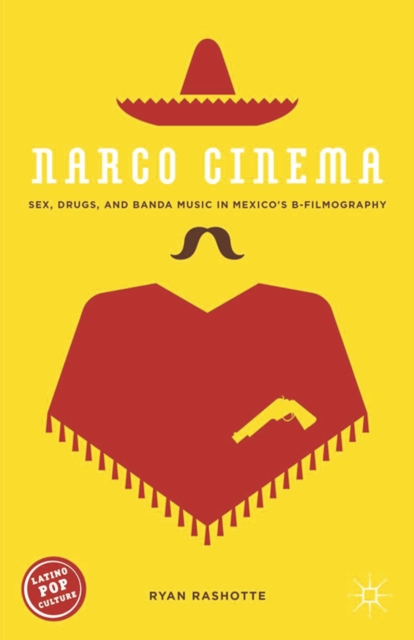
This book provides the first comprehensive study of narco cinema, a cross-border exploitation cinema that, for over forty years, has been instrumental in shaping narco-culture in Mexico and the US borderlands.
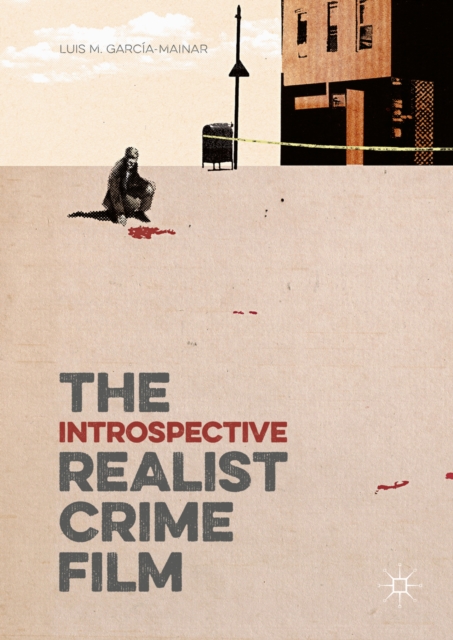
This book explores the formal and thematic conventions of crime film, the contexts in which these have flourished and their links with the social issues of a globalized world.
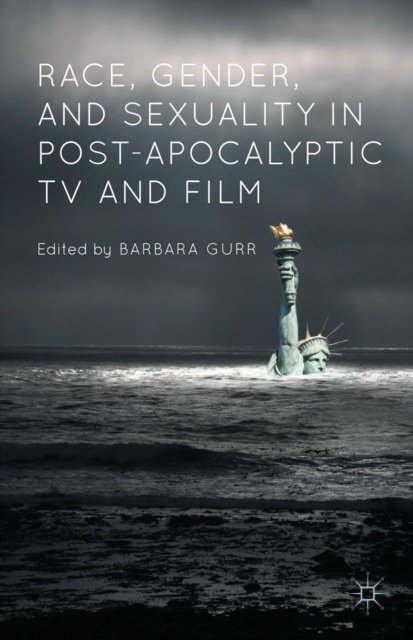
This book offers analyses of the roles of race, gender, and sexuality in the post-apocalyptic visions of early twenty-first century film and television shows.
Adopting an interdisciplinary approach, The Visual Music Film explores the concept and expression of musicality in the visual music film, in which visual presentations are given musical attributes such as rhythmical form, structure and harmony.
An examination of how screen texts embrace, refute, and reinvent the cultural heritage of antiquity, this volume looks at specific story-patterns and archetypes from Greco-Roman culture.
The monstrous child is the allegorical queer child in various formations of horror cinema: the child with a secret, the child 'possessed' by Otherness, the changeling child, the terrible gang.
Screen Hustles, Grifts and Stings identifies recurrent themes and techniques of the con film, suggests precedents in literature and discusses the perennial appeal of the con man for readers and viewers alike.
This book offers a critically informed yet relaxed historical overview of the legal thriller, a unique contribution to crime fiction where most of the titles have been written by professionals such as lawyers and judges.
This book features a cutting edge approach to the study of film adaptations of literature for children and young people, and the narratives about childhood those adaptations enact.