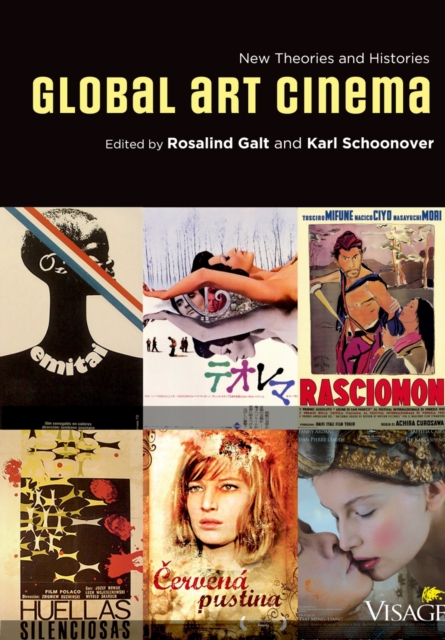
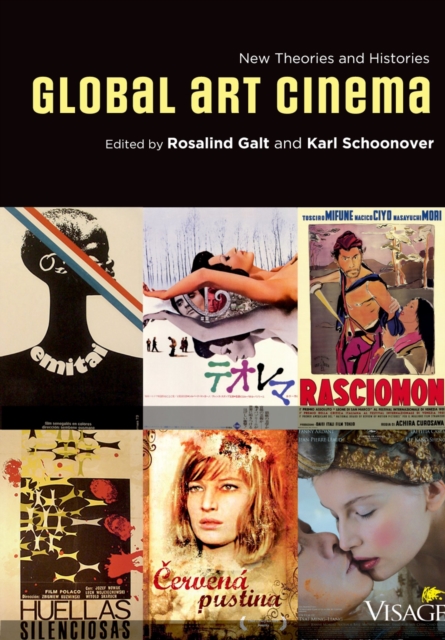
"e;Art cinema"e; has for over fifty years defined how audiences and critics imagine film outside Hollywood, but surprisingly little scholarly attention has been paid to the concept since the 1970s.
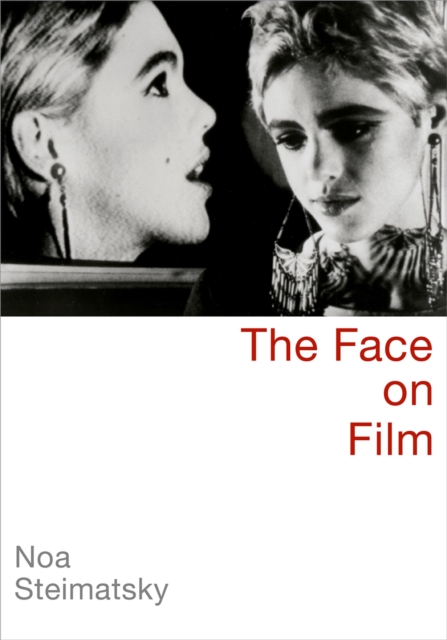
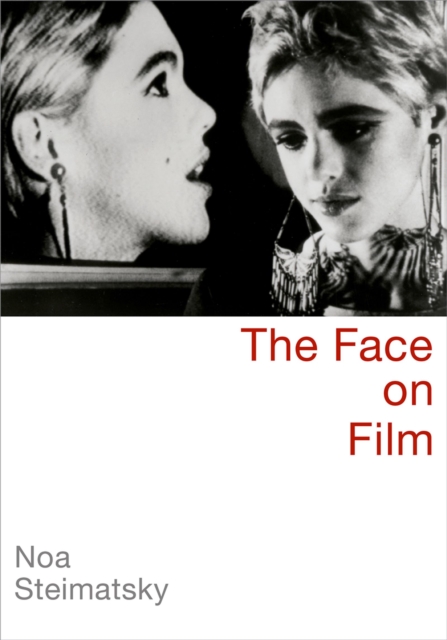
The human face was said to be rediscovered with the advent of motion pictures, in which it is often viewed as expressive locus, as figure, and even as essence of the cinema.
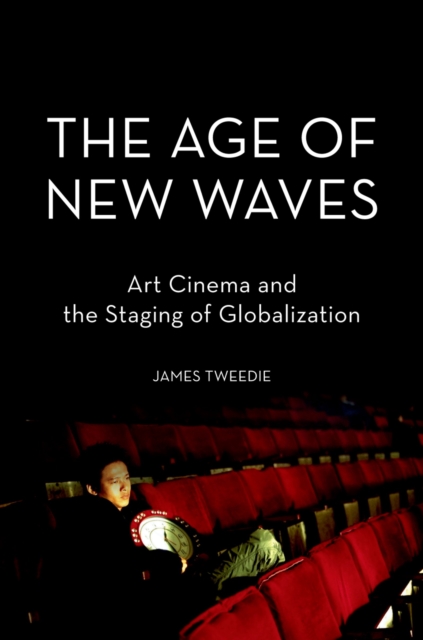
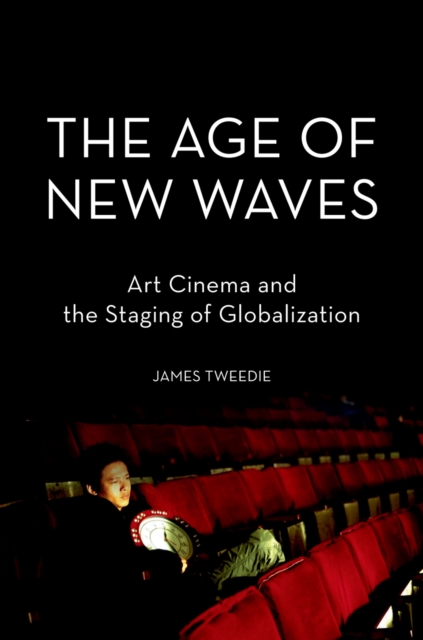
The Age of New Waves examines the origins of the concept of the "e;new wave"e; in 1950s France and the proliferation of new waves in world cinema over the past three decades.
Why have certain kinds of documentary and non-narrative films emerged as the most interesting, exciting, and provocative movies made in the last twenty years?
"e;Art cinema"e; has for over fifty years defined how audiences and critics imagine film outside Hollywood, but surprisingly little scholarly attention has been paid to the concept since the 1970s.
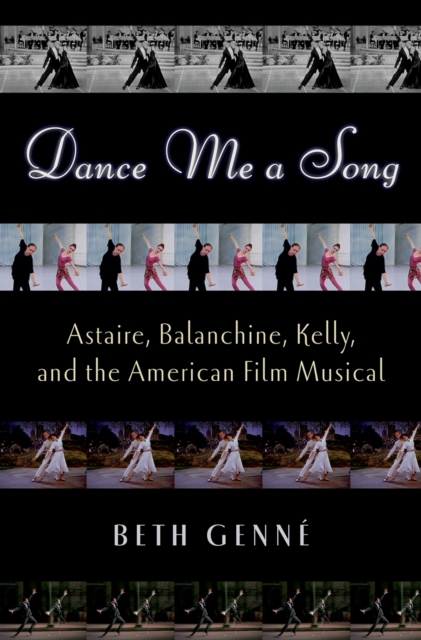
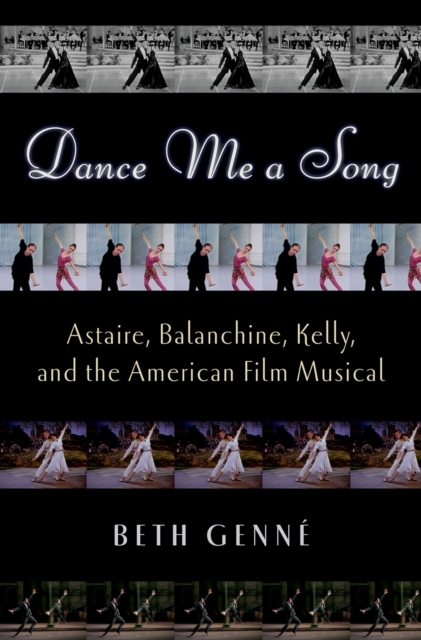
Dancer-choreographer-directors Fred Astaire, George Balanchine and Gene Kelly and their colleagues helped to develop a distinctively modern American film-dance style and recurring dance genres for the songs and stories of the American musical.
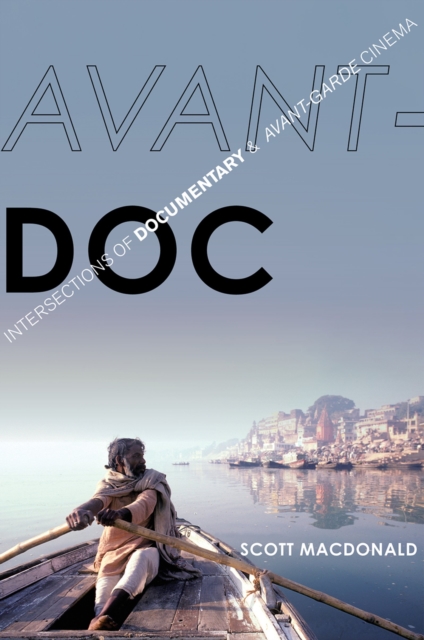
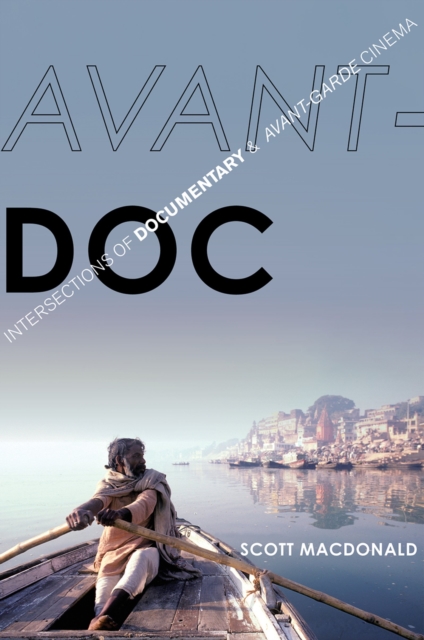
MacDonald explores the cinematic territory between the traditional categories of "e;documentary"e; and "e;avant-garde"e; film, through candid, in-depth conversations with filmmakers whose work has challenged these categories.
MacDonald explores the cinematic territory between the traditional categories of "e;documentary"e; and "e;avant-garde"e; film, through candid, in-depth conversations with filmmakers whose work has challenged these categories.
The Age of New Waves examines the origins of the concept of the "e;new wave"e; in 1950s France and the proliferation of new waves in world cinema over the past three decades.
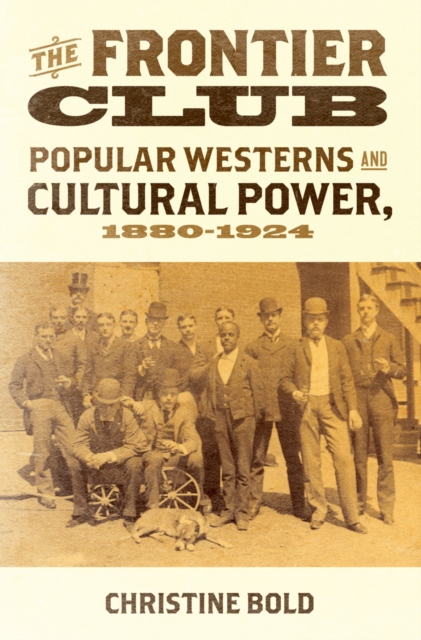
From Hollywood films to novels by Louis L'Amour and television series like Gunsmoke and Deadwood, the Wild West has exerted a powerful hold on the cultural imagination of the United States.
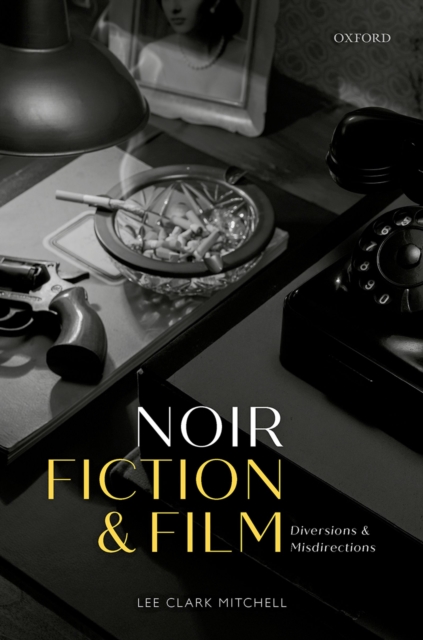
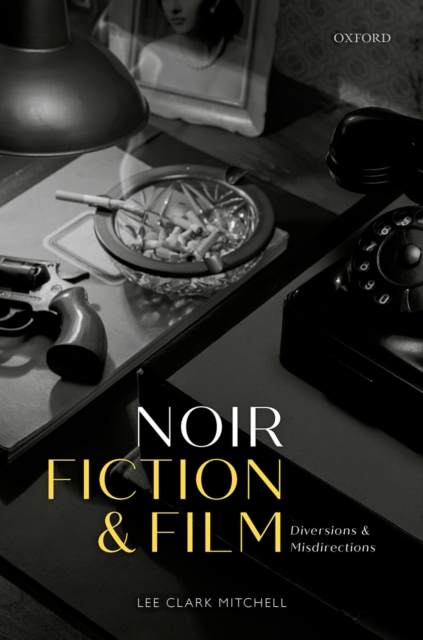
The argument of Noir Fiction and Film is curiously counterintuitive: that in a century of hard-boiled fiction and detective films, characteristics that at first seemed trivial swelled in importance, flourishing into crucial aspects of the genre.
The argument of Noir Fiction and Film is curiously counterintuitive: that in a century of hard-boiled fiction and detective films, characteristics that at first seemed trivial swelled in importance, flourishing into crucial aspects of the genre.
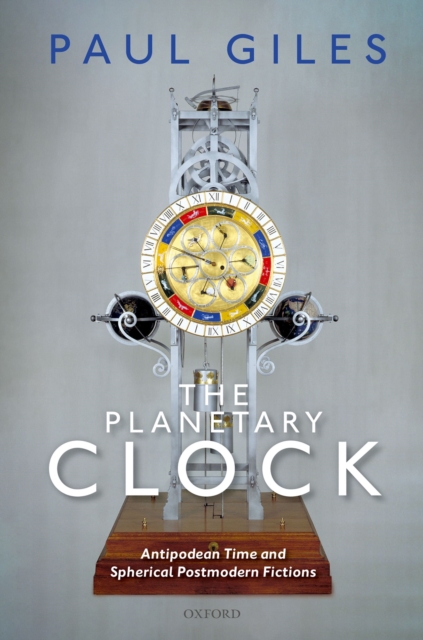
The theme of The Planetary Clock is the representation of time in postmodern culture and the way temporality as a global phenomenon manifests itself differently across an antipodean axis.
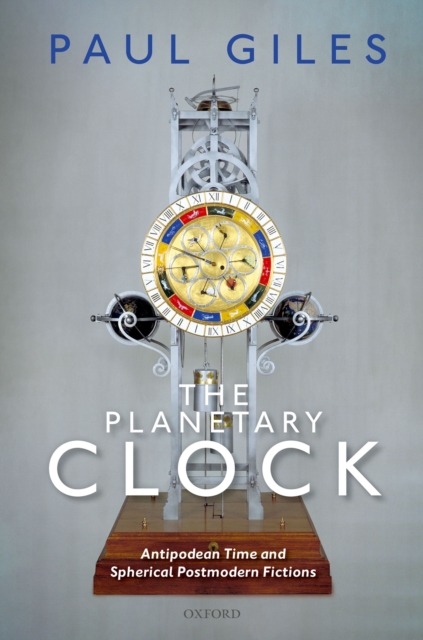
The theme of The Planetary Clock is the representation of time in postmodern culture and the way temporality as a global phenomenon manifests itself differently across an antipodean axis.
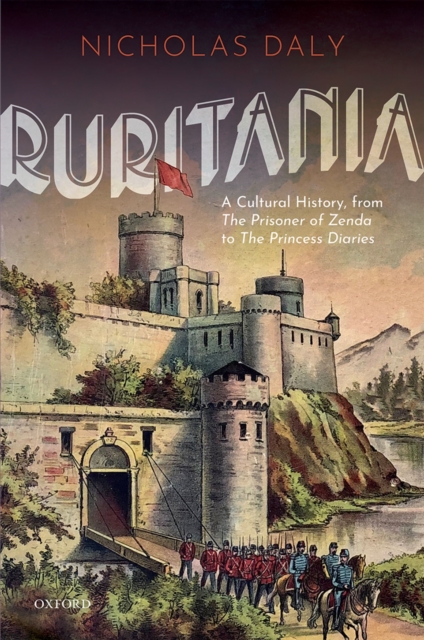
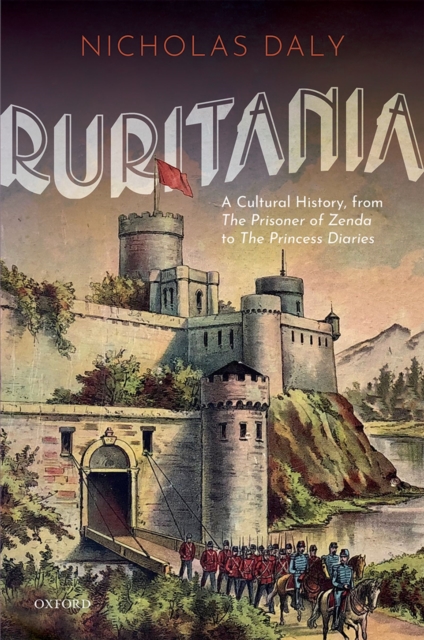
This is a book about the long cultural shadow cast by a single bestselling novel, Anthony Hope's The Prisoner of Zenda (1894), which introduced Ruritania, a colourful pocket kingdom.
This is a book about the long cultural shadow cast by a single bestselling novel, Anthony Hope's The Prisoner of Zenda (1894), which introduced Ruritania, a colourful pocket kingdom.
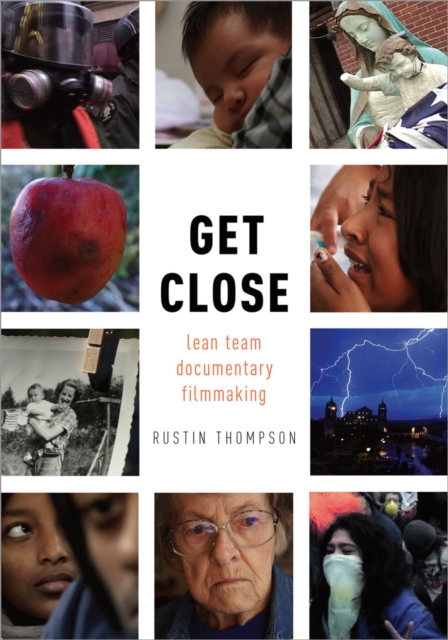
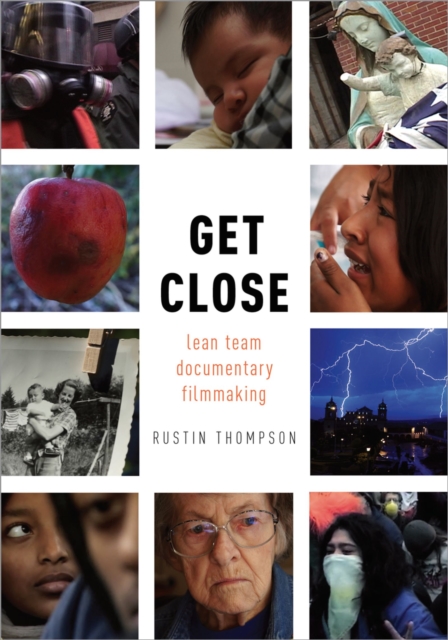
A refreshing new practical approach to documentary filmmaking, Get Close: Lean Team Documentary Filmmaking equips new and veteran filmmakers with the knowhow to make artistically rewarding documentaries for less money, less hassle, and less time.
A refreshing new practical approach to documentary filmmaking, Get Close: Lean Team Documentary Filmmaking equips new and veteran filmmakers with the knowhow to make artistically rewarding documentaries for less money, less hassle, and less time.
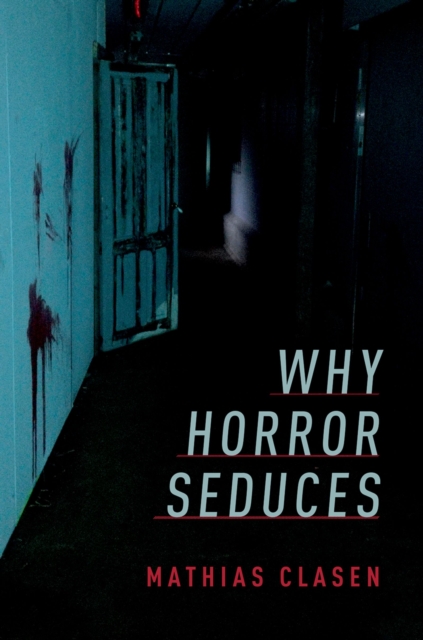
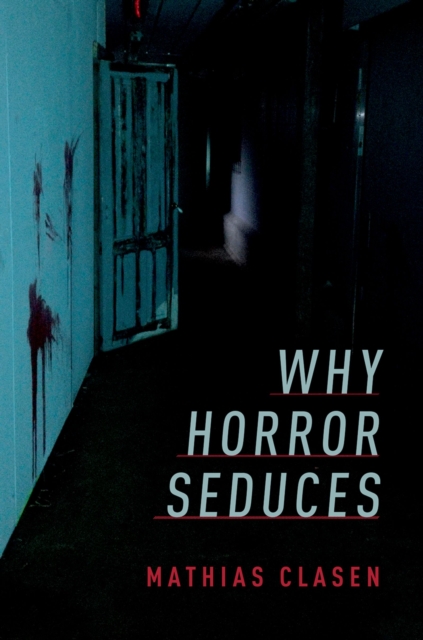
From vampire apocalypses, shark attacks, witches, and ghosts, to murderous dolls bent on revenge, horror has been part of the American cinematic imagination for almost as long as pictures have moved on screens.
From vampire apocalypses, shark attacks, witches, and ghosts, to murderous dolls bent on revenge, horror has been part of the American cinematic imagination for almost as long as pictures have moved on screens.
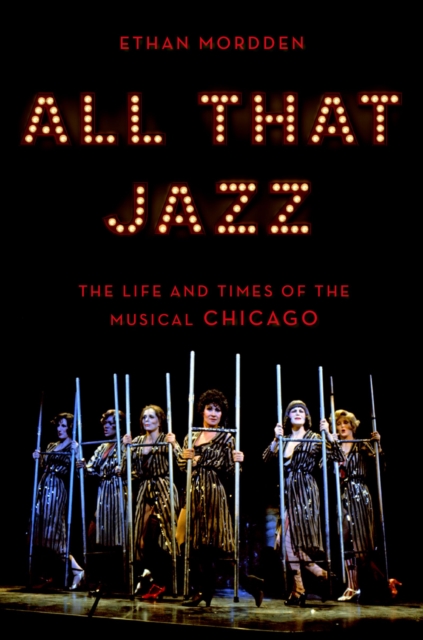
In 1975, the Broadway musical Chicago brought together a host of memes and myths - the gleefully subversive character of American musical comedy, the reckless glamour of the big-city newspaper, the mad decade of the 1920s, the work of Bob Fosse and Gwen Verdon (two of the greatest talents in the musical's history), and the Wild West gangsterville that was the city of Chicago itself.
In 1975, the Broadway musical Chicago brought together a host of memes and myths - the gleefully subversive character of American musical comedy, the reckless glamour of the big-city newspaper, the mad decade of the 1920s, the work of Bob Fosse and Gwen Verdon (two of the greatest talents in the musical's history), and the Wild West gangsterville that was the city of Chicago itself.
The human face was said to be rediscovered with the advent of motion pictures, in which it is often viewed as expressive locus, as figure, and even as essence of the cinema.
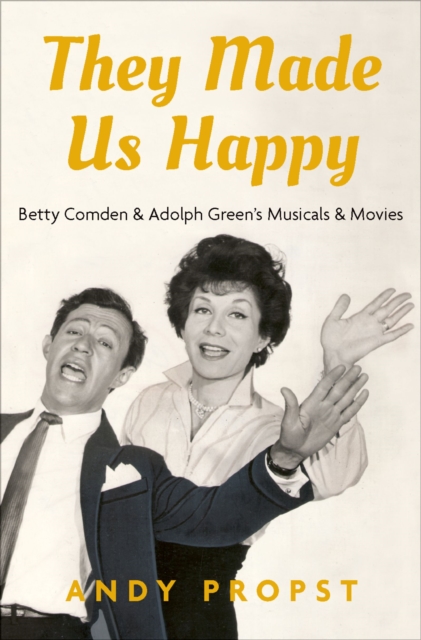
Betty Comden and Adolph Green were the writers behind such classic stage musicals as On the Town, Wonderful Town, and Bells Are Ringing, and they provided lyrics for such standards as "e;New York, New York,"e; "e;Just in Time,"e; "e;The Party's Over,"e; and "e;Make Someone Happy,"e; to name just a few.
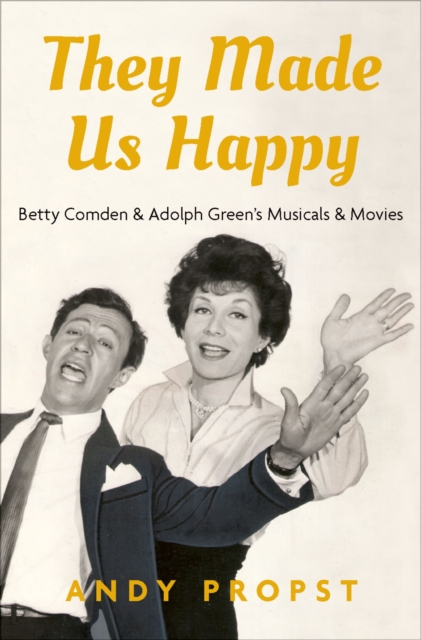
Betty Comden and Adolph Green were the writers behind such classic stage musicals as On the Town, Wonderful Town, and Bells Are Ringing, and they provided lyrics for such standards as "e;New York, New York,"e; "e;Just in Time,"e; "e;The Party's Over,"e; and "e;Make Someone Happy,"e; to name just a few.
Dancer-choreographer-directors Fred Astaire, George Balanchine and Gene Kelly and their colleagues helped to develop a distinctively modern American film-dance style and recurring dance genres for the songs and stories of the American musical.
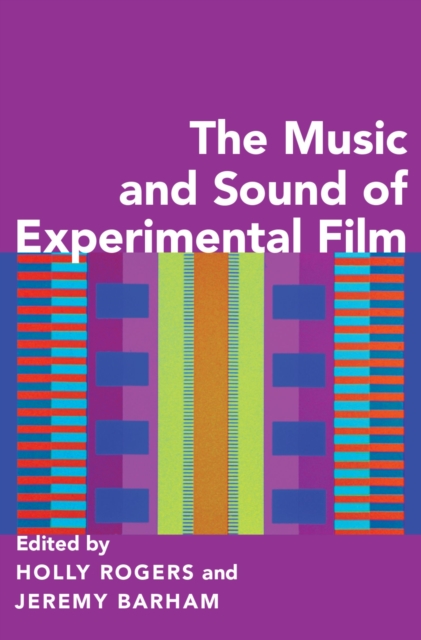
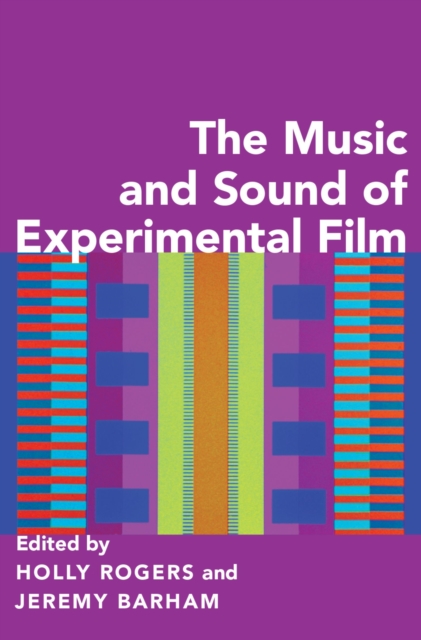
This book explores music/sound-image relationships in non-mainstream screen repertoire from the earliest examples of experimental audiovisuality to the most recent forms of expanded and digital technology.
This book explores music/sound-image relationships in non-mainstream screen repertoire from the earliest examples of experimental audiovisuality to the most recent forms of expanded and digital technology.
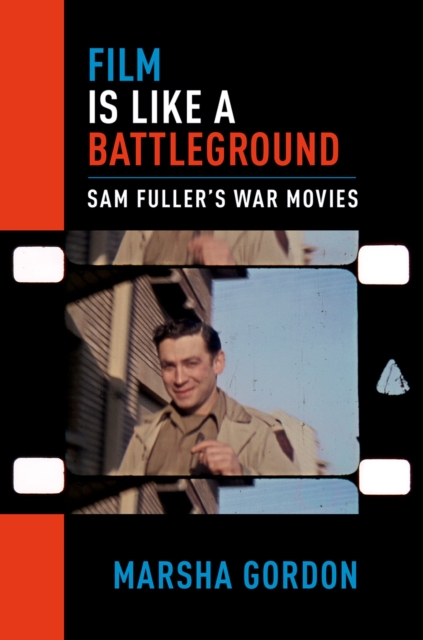
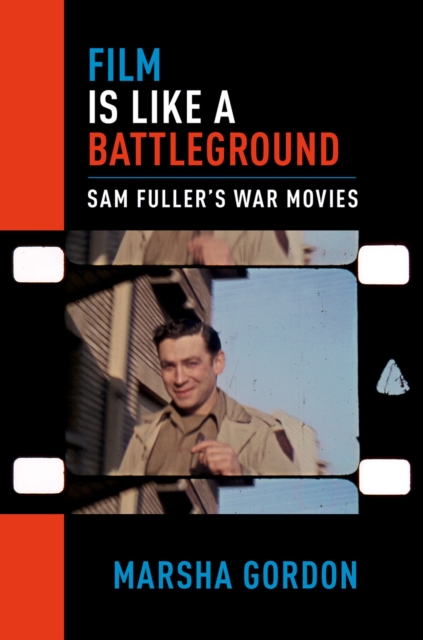
Film is Like a Battleground: Sam Fuller's War Movies is the first book to focus on the genre that best defined the American director's career: the war film.
Film is Like a Battleground: Sam Fuller's War Movies is the first book to focus on the genre that best defined the American director's career: the war film.
Real Sex Films explores one of the most controversial movements in international cinema through an innovative interdisciplinary combination of theories of globalization and embodiment.
Real Sex Films explores one of the most controversial movements in international cinema through an innovative interdisciplinary combination of theories of globalization and embodiment.
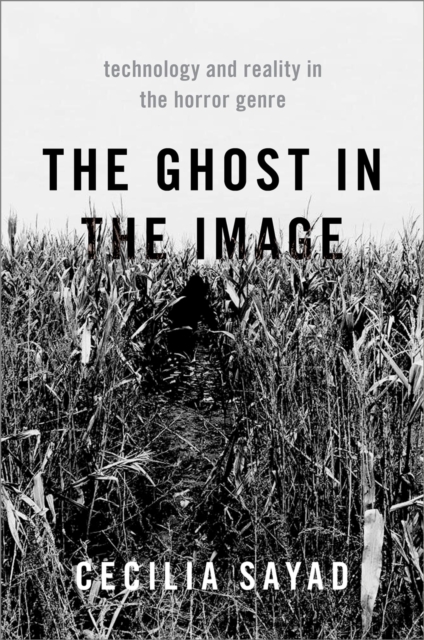
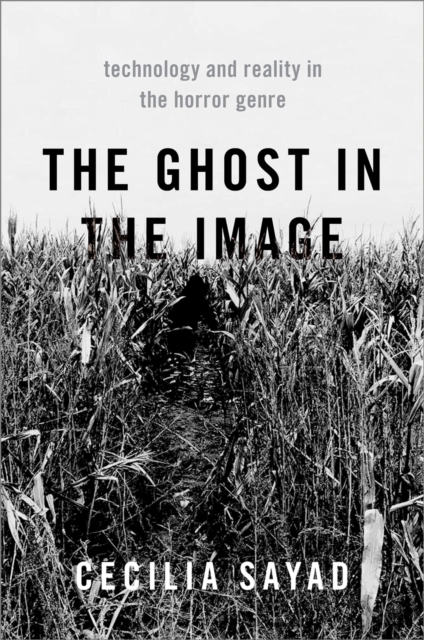
Our century has seen the proliferation of reality shows devoted to ghost hunts, documentaries on hauntings, and horror films presented as found footage.
Our century has seen the proliferation of reality shows devoted to ghost hunts, documentaries on hauntings, and horror films presented as found footage.