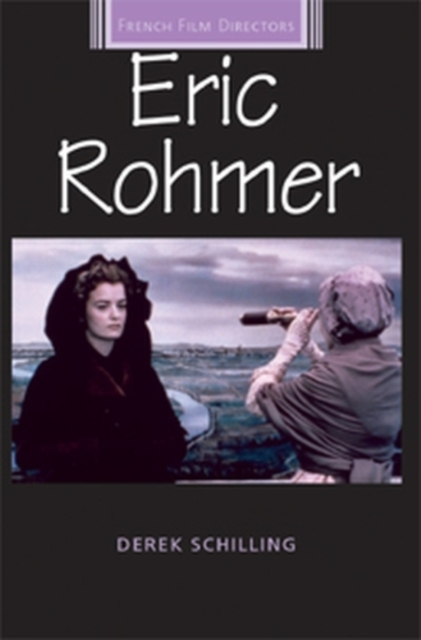
Few filmmakers have taken the principle of the 'talking picture' so far as Eric Rohmer, the internationally reknowned director of the Moral Tales, Comedies and Proverbs, and Tales of the Four Seasons cycles.
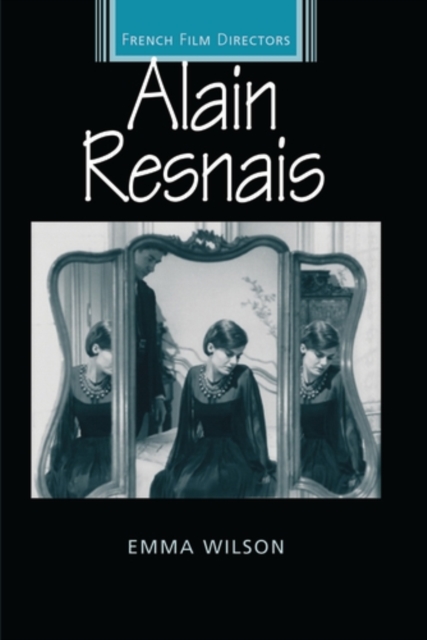
Alain Resnais, director of 'Hiroshima mon amour' (1959) and 'L'Annee derniere a Marienbad' (1961), has transformed the representation of memory, fantasy and desire in modern cinema.
This book provides a comprehensive introduction to the work of Robert Bresson, one of the most respected and acclaimed directors in the history of cinema.
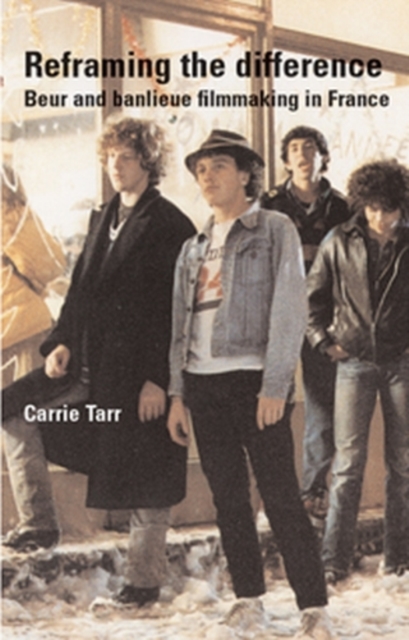
Reframing difference is the first major study of two overlapping strands of contemporary French cinema, cinema beur (films by young directors of Maghrebi immigrant origin) and cinema de banlieue (films set in France's disadvantaged outer-city estates).
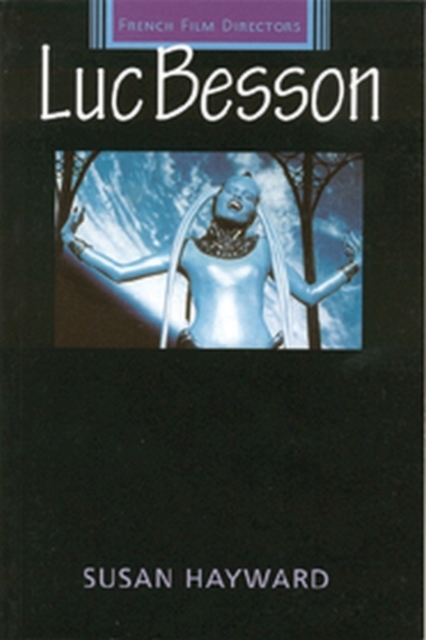
Widely taught on Film Studies courses and in French Cultural Studies programmesLuc Besson is a popular and respected filmmaker who has achieved international fameA welcome addition to the French Film Directors series.
The first book in any language to study the films of this enfant terrible of contemporary French cinema, best known for his film Les Amants du Pont Neuf.
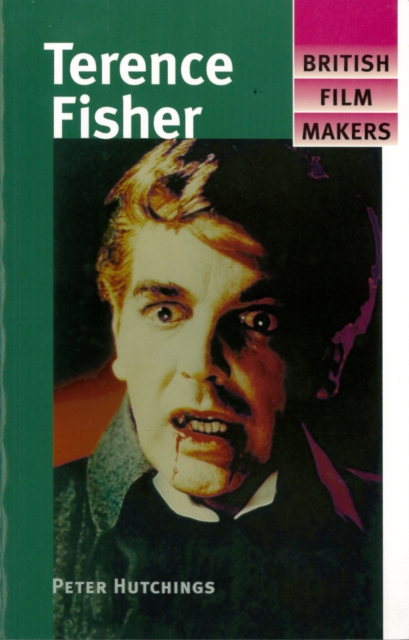
Terence Fisher is best known as the director who made most of the classic Hammer horrors - including The Curse of Frankenstein, Dracula and The Devil Rides Out.
Mobile, smartphone and pocket filmmaking is a global phenomenon with distinctive festivals, filmmakers and creatives that are defining an original film form.
Mobile, smartphone and pocket filmmaking is a global phenomenon with distinctive festivals, filmmakers and creatives that are defining an original film form.
By examining three case studies of award-winning soundtracks from cult films-Barton Fink (1991), Bram Stoker's Dracula (1992), and The English Patient (1996)-it becomes clear that major American film communities, when confronted with the initial technological changes of the 1990s, experienced similar challenges with the inelegant transition from analogue to digital.
By examining three case studies of award-winning soundtracks from cult films-Barton Fink (1991), Bram Stoker's Dracula (1992), and The English Patient (1996)-it becomes clear that major American film communities, when confronted with the initial technological changes of the 1990s, experienced similar challenges with the inelegant transition from analogue to digital.
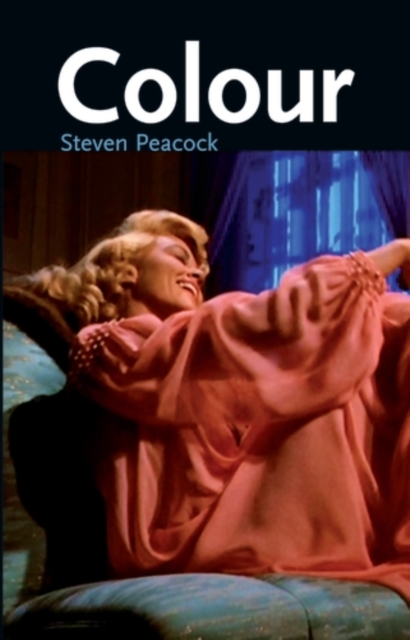
This often-startlingly original book introduces a new way of thinking about color in film as distinct from existing approaches which tend to emphasize either technical processes and/or histories of film coloration, or the meaning(s) of color as metaphor or symbol, or else part of a broader signifying system.
Filmmakers and cinema industries across the globe invest more time, money and creative energy in projects and ideas that never get produced than in the movies that actually make it to the screens.
Filmmakers and cinema industries across the globe invest more time, money and creative energy in projects and ideas that never get produced than in the movies that actually make it to the screens.
The Cinema of the Precariat is the first book to lay out the incredible range of the precariat (the social class suffering from precarity) as well as a detailed report on the cinematic record of their work and lives.
The Cinema of the Precariat is the first book to lay out the incredible range of the precariat (the social class suffering from precarity) as well as a detailed report on the cinematic record of their work and lives.
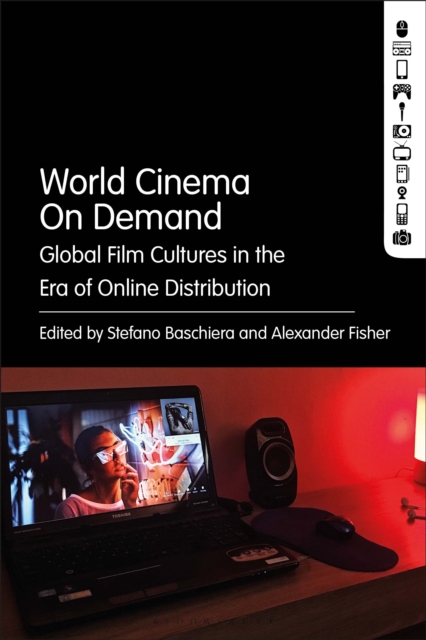
World Cinema on Demand brings together diverse contributions by leading film and media scholars to examine world cinema's dialogue with the transformations that took place during 2010-2014, engaging directly with ongoing debates surrounding national cinema, transnational identity, and cultural globalization, as well as ideas about genre, fandom and cinephilia.
World Cinema on Demand brings together diverse contributions by leading film and media scholars to examine world cinema's dialogue with the transformations that took place during 2010-2014, engaging directly with ongoing debates surrounding national cinema, transnational identity, and cultural globalization, as well as ideas about genre, fandom and cinephilia.
Post Sound Design provides a practical introduction to the fascinating craft of editing and replacing dialog, creating Foley and sound effects, editing music, and balancing these elements to a final mix.
Post Sound Design provides a practical introduction to the fascinating craft of editing and replacing dialog, creating Foley and sound effects, editing music, and balancing these elements to a final mix.
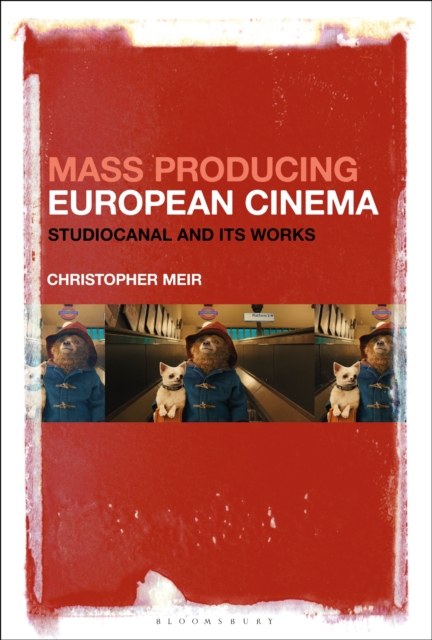
Equal parts historical study, industrial analysis and critical survey of some of the most important films and television programs in recent European history, this book gives readers an overview of the development and output of this important company while also giving them a ringside seat for the latest round of the oldest battle in the film business.
Equal parts historical study, industrial analysis and critical survey of some of the most important films and television programs in recent European history, this book gives readers an overview of the development and output of this important company while also giving them a ringside seat for the latest round of the oldest battle in the film business.
Between his 1962 debut A Knife in the Water and the 1968 blockbuster Rosemary's Baby, Roman Polanski directed three movies-Repulsion, Cul-de-Sac, and Dance of the Vampires (a.
This handbook offers a critical introduction to Indian Indie cinema, exploring its subversion of dominant ideas, aesthetics and narratives; its inclusion of marginal and alternative experiences and ideologies; its relationship with audiences; and its defiance of norms followed by commercial Bollywood cinema.
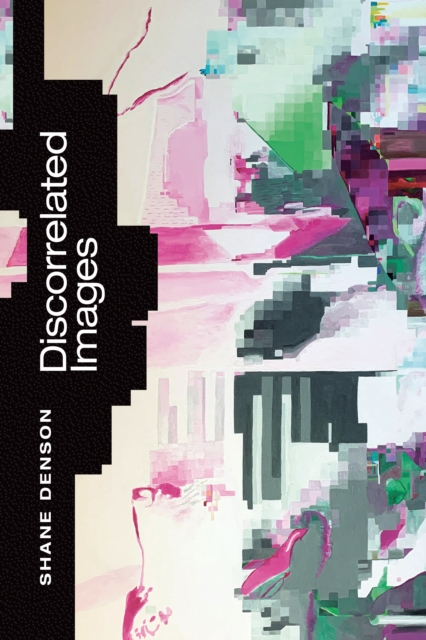
In Discorrelated Images Shane Denson examines how computer-generated digital images displace and transform the traditional spatial and temporal relationships that viewers had with conventional analog forms of cinema.