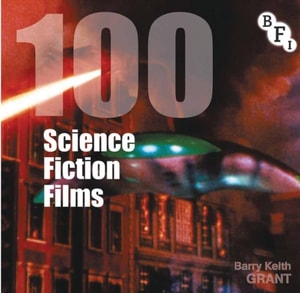
A comprehensive guide to science fiction films, which analyzes and contextualizes the most important examples of the genre, from Un voyage dans la lune (1902), to The Road (2009).
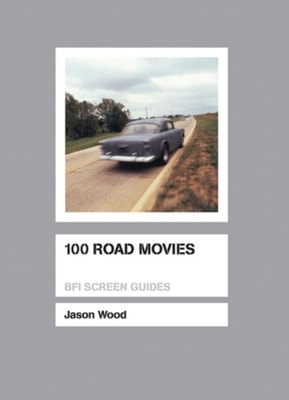
In '100 Road Movies', each entry will offer an insightful critique in terms of aesthetics, plot structure and defining formal and thematic features, whilst also considering the title in the wider context and understanding of by what criteria a film may be considered a road movie.
In '100 Road Movies', each entry will offer an insightful critique in terms of aesthetics, plot structure and defining formal and thematic features, whilst also considering the title in the wider context and understanding of by what criteria a film may be considered a road movie.
From bloodsucking schoolgirls to flesh-eating zombies, and from psychopathic killers to beasts from hell, '100 European Horror Films' provides a lively and illuminating guide to a hundred key horror movies from the 1920s to the present day.
From bloodsucking schoolgirls to flesh-eating zombies, and from psychopathic killers to beasts from hell, '100 European Horror Films' provides a lively and illuminating guide to a hundred key horror movies from the 1920s to the present day.
From Oscar-winning British classics to Hollywood musicals and Westerns, from Soviet epics to Bollywood thrillers, Shakespeare has inspired an almost infinite variety of films.
From Oscar-winning British classics to Hollywood musicals and Westerns, from Soviet epics to Bollywood thrillers, Shakespeare has inspired an almost infinite variety of films.
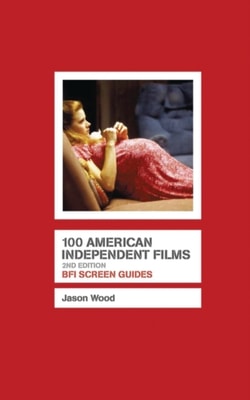
This revised and updated new edition provides a guide to 100 of the most interesting and influential American independent films, from Bonnie and Clyde to Junebug by way of Reservoir Dogs and The Blair With Project with an introduction to the genre and a rich selection of images from the films discussed, plus key credits.
This revised and updated new edition provides a guide to 100 of the most interesting and influential American independent films, from Bonnie and Clyde to Junebug by way of Reservoir Dogs and The Blair With Project with an introduction to the genre and a rich selection of images from the films discussed, plus key credits.
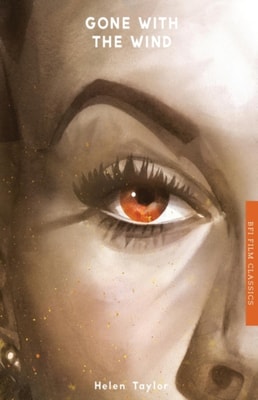
Gone with the Wind (1939) is one of the greatest films of all time - the best-known of Hollywood's Golden Age and a work that has, in popular imagination, defined southern American history for three-quarters of a century.
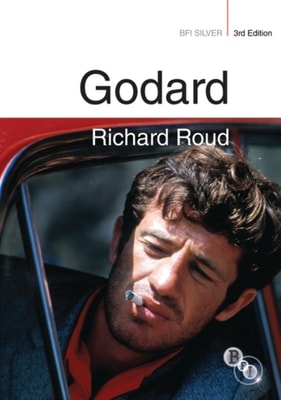
Richard Roud's Godard, first published in 1967 as 'Number One' in the seminal Cinema One series, was the first monograph on the great film-maker to be published in English, and one that reveals a unique intimacy between the author and his subject.
The golden age of Mexican cinema, which spanned the 1930s through to the 1950s, saw Mexico's film industry become one of the most productive in the world, exercising a decisive influence on national culture and identity.
Substantially revised and updated, this book highlights how Hollywood has transformed itself to attain ever global clout and reach and the material factors underlining Hollywood's apparent artistic success.
Substantially revised and updated, this book highlights how Hollywood has transformed itself to attain ever global clout and reach and the material factors underlining Hollywood's apparent artistic success.
Melvyn Stokes's study of the 1946 classic Gilda describes the film's production and reception history, as well as addressing Rita Hayworth's complex star persona and ethnicity identity; Gilda's status as a 'noir' film; and what the film had to say about relations between men and women in a world transformed by war.
This wide-ranging text is one of the first to look in detail at some of the principal genres, cycles and trends in Hollywood's output during the last two decades.
This wide-ranging text is one of the first to look in detail at some of the principal genres, cycles and trends in Hollywood's output during the last two decades.
Andrew Utterson's unique study charts the beginnings of digital cinema, addressing both how filmmakers used new digital technologies and how attitudes and anxieties about the rise of the computer were represented in films such as Lang's Desk Set, Godard's Alphaville, Kubrick's 2001: A Space Odyssey and Crichton's Westworld.
Andrew Utterson's unique study charts the beginnings of digital cinema, addressing both how filmmakers used new digital technologies and how attitudes and anxieties about the rise of the computer were represented in films such as Lang's Desk Set, Godard's Alphaville, Kubrick's 2001: A Space Odyssey and Crichton's Westworld.
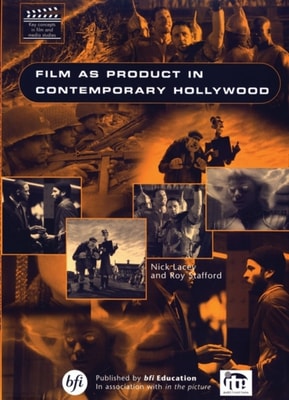
This teaching pack, suitable for AS/A2 Media and Film Studies, offers a suitable case study for industry and institution and help students demonstrate an understanding of key concepts and contemporary Hollywood.
This teaching pack, suitable for AS/A2 Media and Film Studies, offers a suitable case study for industry and institution and help students demonstrate an understanding of key concepts and contemporary Hollywood.
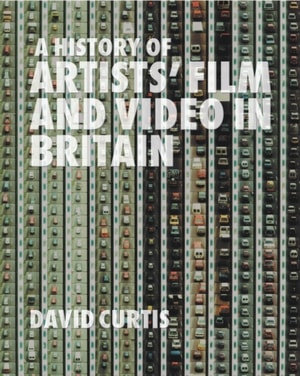
Alongside the commercial cinema of narrative and spectacle there has always been another practice - call it avant-garde, experimental or artists' film (as opposed to art cinema).
Alongside the commercial cinema of narrative and spectacle there has always been another practice - call it avant-garde, experimental or artists' film (as opposed to art cinema).
In these two volumes of original essays, scholars from around the world address the history of British colonial cinema stretching from the emergence of cinema at the height of imperialism, to moments of decolonization andthe ending of formal imperialism in the post-Second World War.
Todd Haynes's 2002 film Far From Heaven has been hailed as a homage to 1950s Hollywood melodrama, although anyone tempted to take the film at face value should be warned that it aims to subvert as much as celebrate that genre.